
Film
Come Back, Charleston Blue
A 1972 Harlem detective comedy where two streetwise Black cops hunt a supposedly resurrected prohibition-era gangster. It's funny, fast-paced, and genuinely rooted in its community—a sequel that improves on its predecessor with sharper dialogue, better action, and real chemistry between its leads. For anyone curious about Black cinema beyond the blaxploitation shorthand.
Should you watch it?
Watch it if you enjoy blaxploitation-era crime capers where the gags are as sharp as the plot, and you don't mind a sequel that assumes you've already met its odd-couple detectives.
Skip it if you came to it wanting a tense, steadily building thriller, since the comedy runs loose and the plot wanders more than it tightens.
What it asks of you: At a brisk hundred minutes, it splits its attention between wisecracks, a sprawling investigation and a steady run of bloody set pieces.
Not sure? Find tonight's pick in a minute.
If you liked this
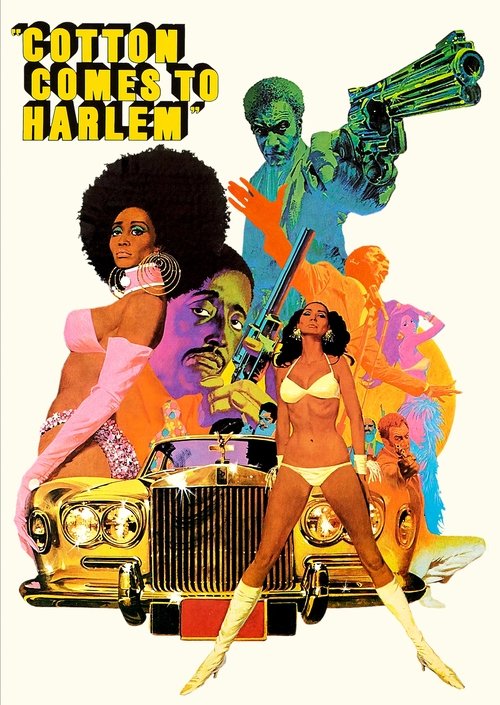
Cotton Comes to Harlem1970
The original, warmer and more playful than its reputation suggests. Gravedigger and Coffin Ed's partnership is a joy—two smart cops who like each other and genuinely outwit crooks through cunning, not just luck.
But The first film is scruffier and less assured in tone. If you're coming to it fresh, it can feel a bit uneven compared to the tighter sequel.
Shaft1971
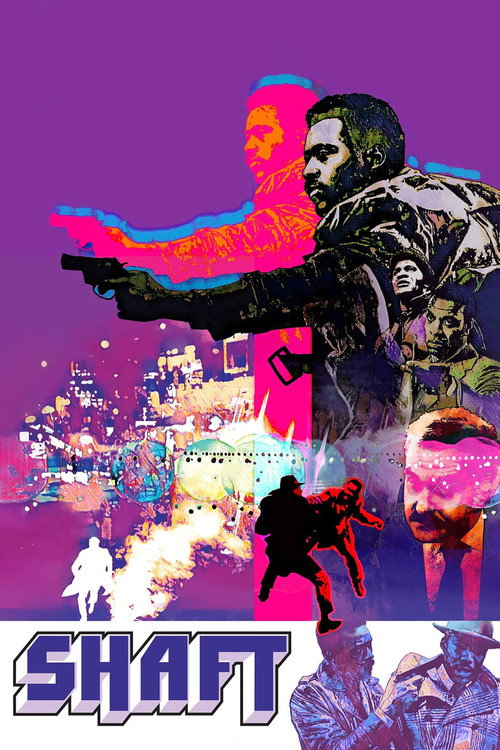
The definitive blaxploitation hero: Isaac Hayes's theme, the mood, the swagger. Richard Roundtree plays a private detective operating in a Harlem everyone recognizes. Visually stylish and narratively smart—not just action and attitude.
But It's more brutal and noir-inflected than Charleston Blue. If you want lightness and comedy, Shaft will meet you halfway at best.
The Mack1973
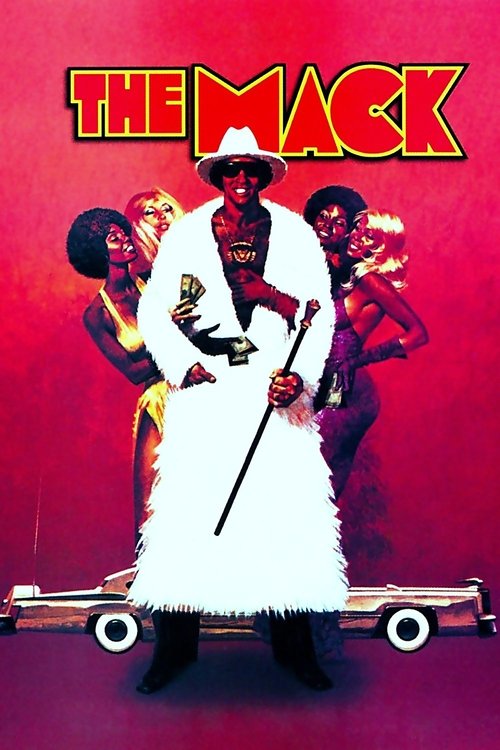
Max Julien as a pimp who's trying to go straight, with Don Rickles as an unlikely mentor. It's actually about moral complications, not glorification—and it's funny in unexpected ways, with real character work beneath the surface.
But It gets uncomfortable about gender and exploitation. The film is aware of this, but that doesn't make all of it easy to sit with.
Not sure tonight? Get a pick in a minute, starting from Come Back, Charleston Blue
The wildcard
Something you would not have found on your own.
Putney Swope1969
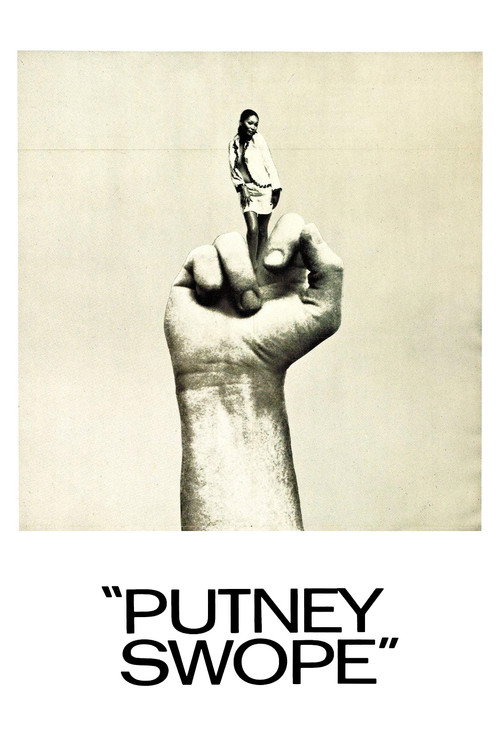
Both are about power structures in Black communities navigating systems designed to exclude them, but Putney Swope goes hallucinogenic and abstract where Charleston Blue is grounded and direct. Same DNA, opposite temperature.
A surreal satire about advertising and race using a completely anarchic comedic register. It's visually wild, formally inventive, and genuinely hilarious—absurdist rather than plot-driven. Watching it makes your brain feel bigger.
But It's a total departure from narrative coherence. If you want a story to follow, you won't find one. Some people find the style alienating rather than liberating.
More like this (8)
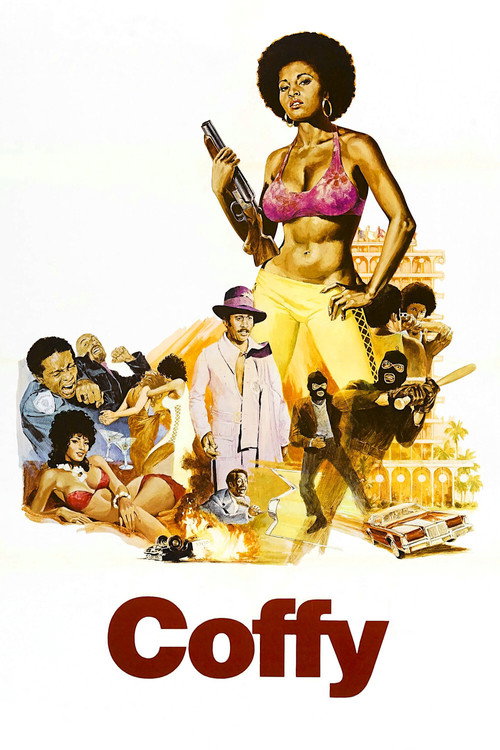
Coffy1973
Pam Grier avenging her sister's death with intelligence, fury, and style. The action is kinetic and the dialogue snaps. It respects its protagonist's mind as much as her physical capability.
But The violence is graphic and sexual violence is part of the plot. It's not gratuitous, but it's not distanced either.
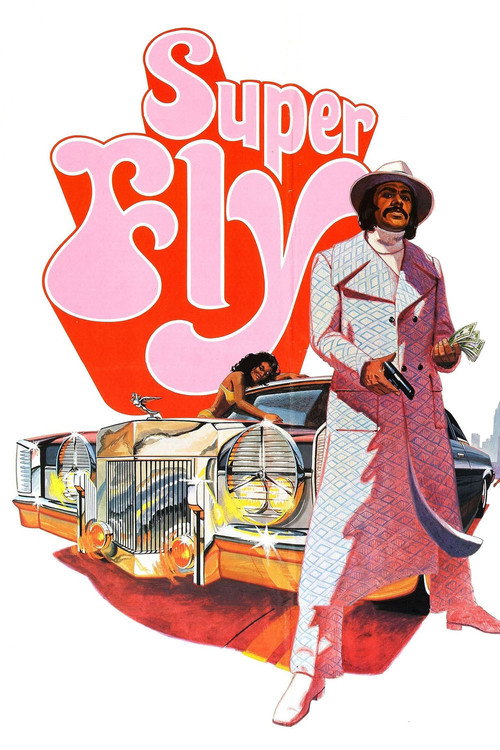
Super Fly1972
Ron O'Neal as a cocaine dealer planning one last score. Stylish direction by Gordon Parks, a legendary score, and a script that doesn't condescend to its audience. The moral ambiguity is the point.
But It's slower than Charleston Blue and the protagonist is unsympathetic by design. If you want momentum and humor, this trades those for mood.
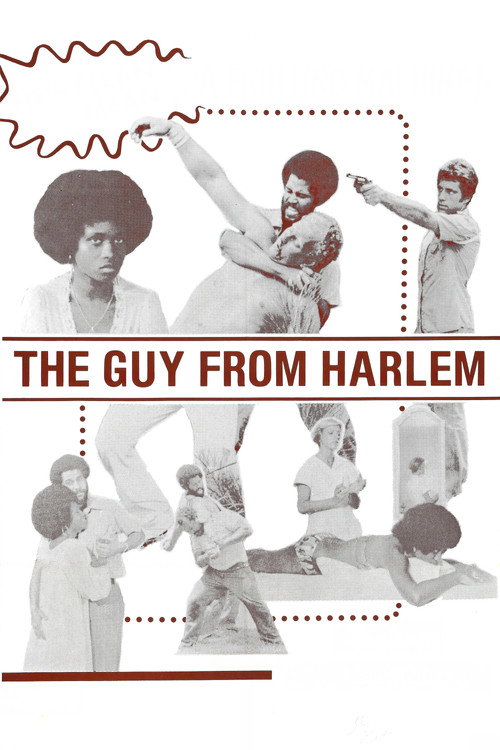
The Guy from Harlem1977
A scrappy independent spy film with genuinely weird plotting and a lead character who's likable without being slick. It's earnest in a way that makes its oddness charming rather than amateurish.
But The budget is very visible and the pacing is slack. You have to enjoy B-movie textures to get through it.
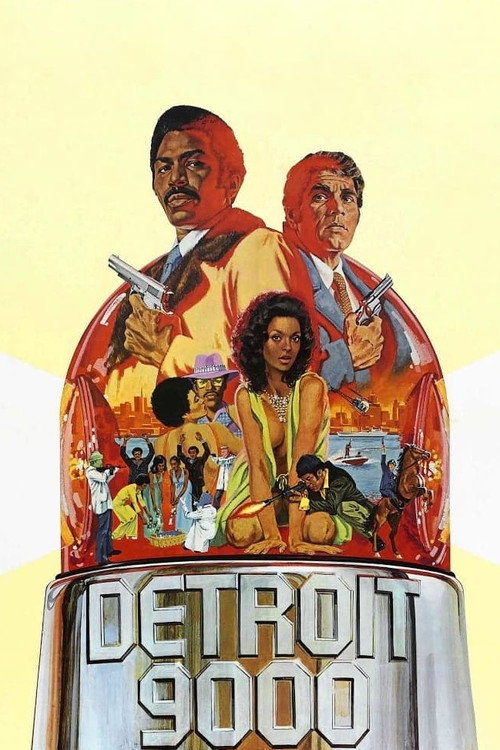
Detroit 90001973
A heist-detective hybrid with strong character work, good humor, and genuine stakes. Scatman Crothers is terrific. It balances plot and personality without feeling like either is dragging the other.
But Less flashy than its contemporaries. If you're after stylistic fireworks, this is more understated than Charleston Blue.
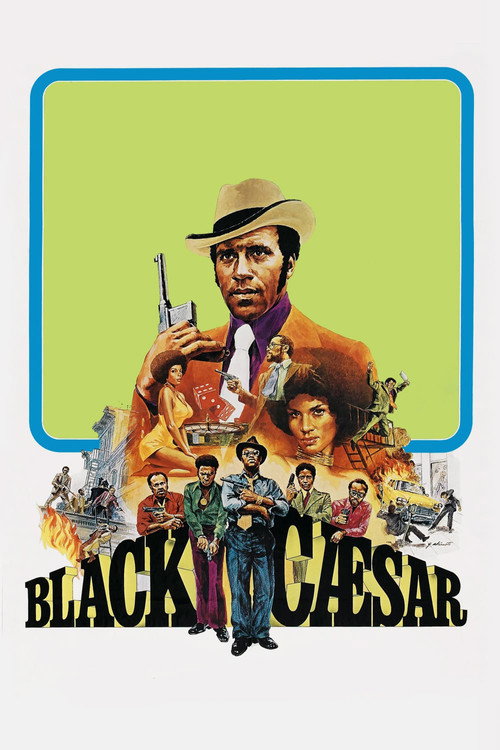
Black Caesar1973
Fred Williamson as a career criminal ascending through Harlem's underworld. It's smartly structured and doesn't shy away from the corruption that enables crime. Williamson brings charisma and intelligence to the role.
But It's fundamentally a tragedy about someone choosing the wrong path. There's less humor than you might want, and the tone is grimmer throughout.
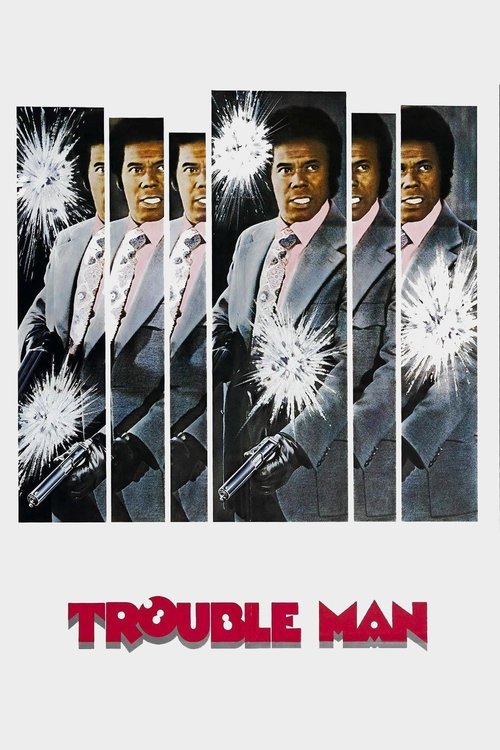
Trouble Man1972
Robert Hooks as a freelance fixer navigating Harlem's competing power structures. The script is clever, the action is efficient, and Marvin Gaye's score is remarkable—moody and surprising.
But It's a quiet film about a self-contained man. If you want ensemble energy and banter like Charleston Blue offers, this is a different mood entirely.
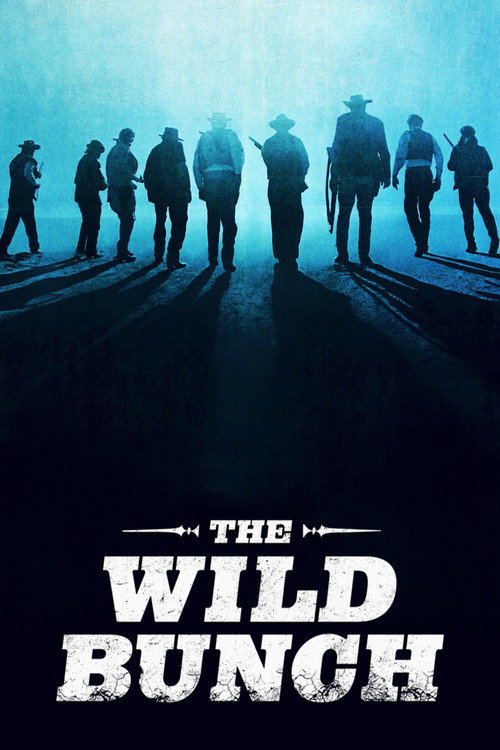
The Wild Bunch1969
Both films center on a small crew of experienced men working together in a world that doesn't value them anymore. Same elegiac warmth underneath the action.
A Western about aging criminals on their last score, directed by Sam Peckinpah. It's violent, beautiful, funny about its characters, and formally ambitious. The genre is different but the emotional core—watching people you like operate in a world that's changing around them—is identical.
But It's substantially more violent and much longer. The pacing in the middle section is deliberate in a way that can feel slow if you're not bought in.
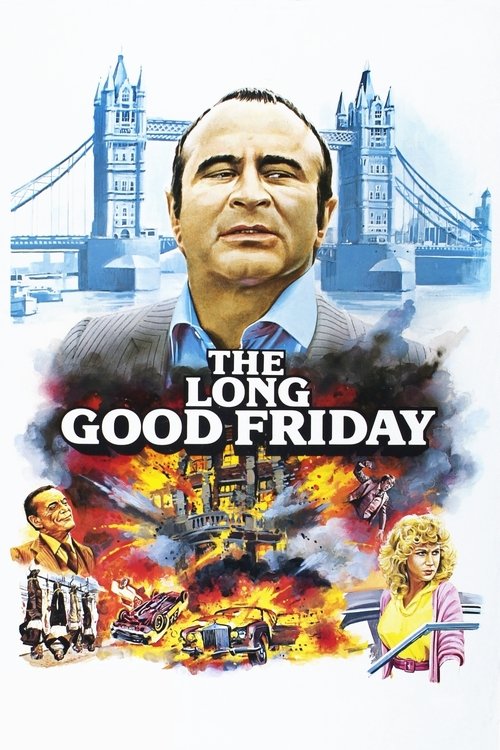
The Long Good Friday1980
Both follow experienced criminals trying to solve a problem in their turf while the ground shifts beneath them. Same genre DNA, British realism instead of American humor, but the core engine is remarkably similar.
Bob Hoskins as a London crime boss realizing his world is collapsing over a single weekend. It's smart, tense, violent, and funny about character. The script is exceptional and Hoskins is extraordinary—a master watching his mastery fail.
But It's British crime drama, not American street comedy. The violence is brutal and there's no lightness to the tone. You're watching someone's nightmare, not a romp.
People
Cast
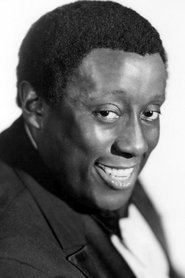 Godfrey CambridgeGravedigger Jones
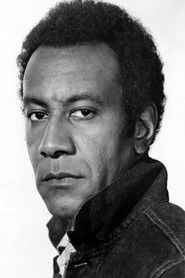 Raymond St. JacquesCoffin Ed Johnson

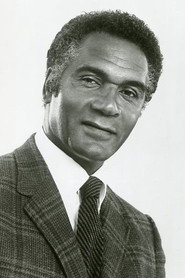 Percy RodriguezBryce
 Jonelle AllenCarol
- Maxwell GlanvilleCaspar
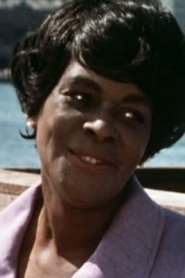 Minnie GentryHer Majesty
- Dick SabolJarema
 Leonardo CiminoFrank Mago
- Toney BrealondDrag Queen
- Tim PeltEarl J
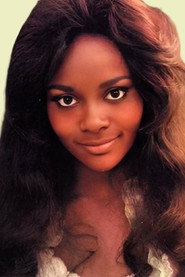 Marcia McBroomGirl Barber
Directing
- Mark WarrenDirector
Writing
- Chester HimesNovel
- Peggy ElliottScreenplay
- Bontche SchweigWriter
Production
- Al FannAssociate Producer
- Samuel Goldwyn Jr.Producer