
Film
The Mack
- Street-gang crime
- Social drama
- Very dark
The Mack is a 1973 crime drama following a newly released convict's meteoric rise as a pimp in Oakland. It's a stylish, unflinching look at street power and corruption, shot through with dark humor and propulsive energy. Essential blaxploitation landmark that treats its subject with moral complexity rather than exploitation.
Should you watch it?
Watch it if you want a crime film where attitude, milieu and the sharp rhythm of street talk matter more than tight plotting.
Skip it if you need tight plotting or a brisk pace, since this one lingers on its scenes, its clothes and its nightlife rather than pushing the story forward.
What it asks of you: Settle in for just under two hours, with long stretches of talk, music and sly observation before the pressure builds.
Not sure? Find tonight's pick in a minute.
If you liked this
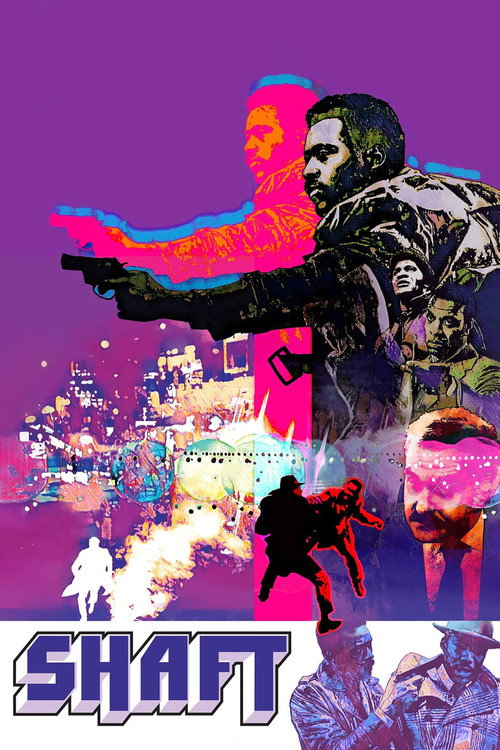
Shaft1971
The template for Black action cinema: a skilled, autonomous protagonist navigating institutional corruption with style and violence. Iconic Isaac Hayes score, direction that moves like a boxer, dialogue that crackles.
But The plot is thin and the female characters are afterthoughts. It's more interested in mood and attitude than narrative substance.
Super Fly1972
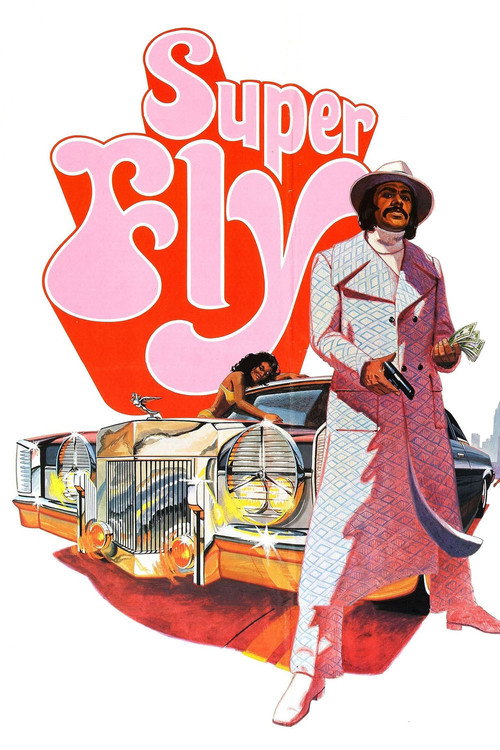
A cocaine dealer schemes to make one final score before vanishing. Raw, morally unflinching, driven by Curtis Mayfield's transcendent score. It understands the economics and psychology of street life without flinching.
But The protagonist is sympathetic but the film doesn't sentimentalize him. If you need to root for characters morally, this will feel cold.
Coffy1973
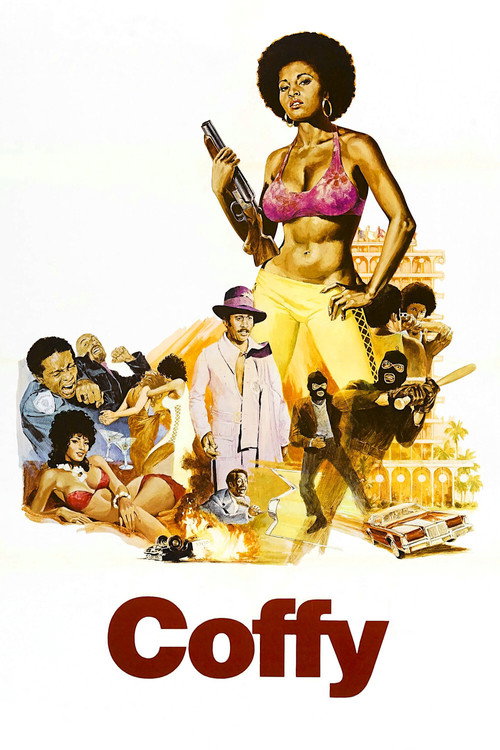
Pam Grier as a nurse turned vigilante dismantling drug networks. Lean, brutal, charismatic: Grier does everything with such ferocious grace that she lifts the film into genuine power. Pulp cinema at its most alive.
But It's transgressive in ways that can feel dated or uncomfortable now. The violence against women exists within the narrative, not above it.
Not sure tonight? Get a pick in a minute, starting from The Mack
The wildcard
Something you would not have found on your own.
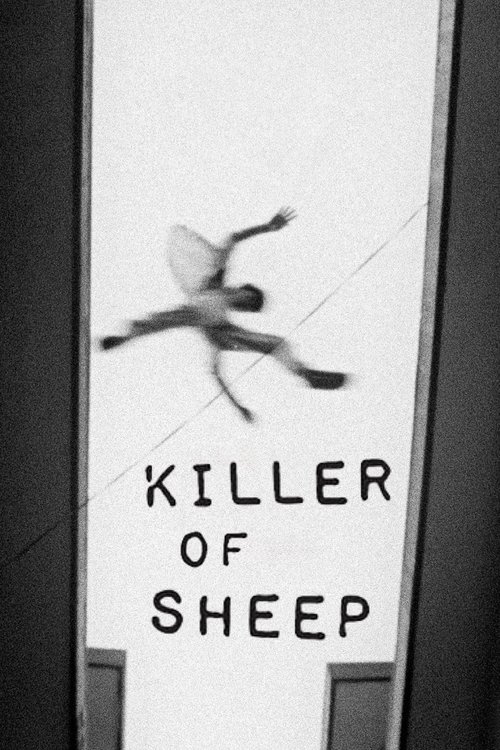
Killer of Sheep1978
Both made in the same year in the same region, both about the economics and psychology of survival in Black America, but where The Mack is propulsive and external, Killer of Sheep is still and internal. Together they map the full register.
Charles Burnett's Watts: a slaughterhouse worker's mundane hours and emotional devastation, shot in gorgeous black and white. It's a poem, not a plot. The most formally beautiful film about Black working life ever made. Saw prints didn't exist legally for decades.
But There is no plot. It moves through moments and moods. If you need narrative propulsion or resolution, you will find it exhausting.
More like this (8)
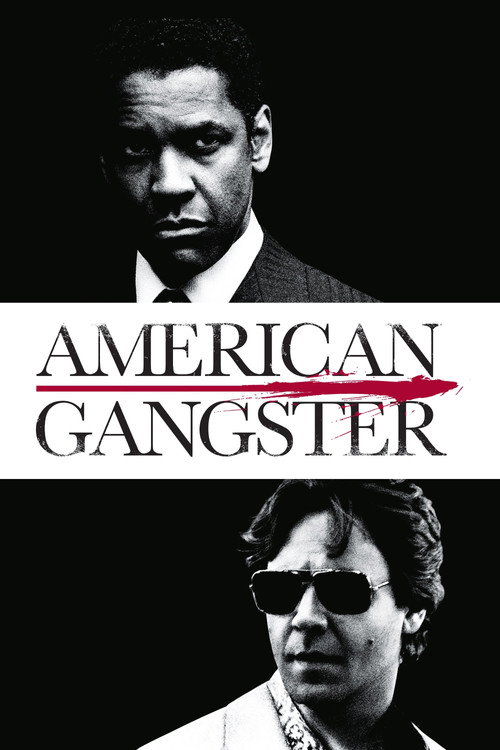
American Gangster2007
Denzel Washington as Frank Lucas, a heroin kingpin in 1970s Harlem, building an empire with quiet intelligence. Ridley Scott's visual control and the cat-and-mouse game with a cop give it scope and propulsive narrative momentum.
But It's long and occasionally plodding. The film beautifies criminality in ways that feel less earned than the older films it's echoing.
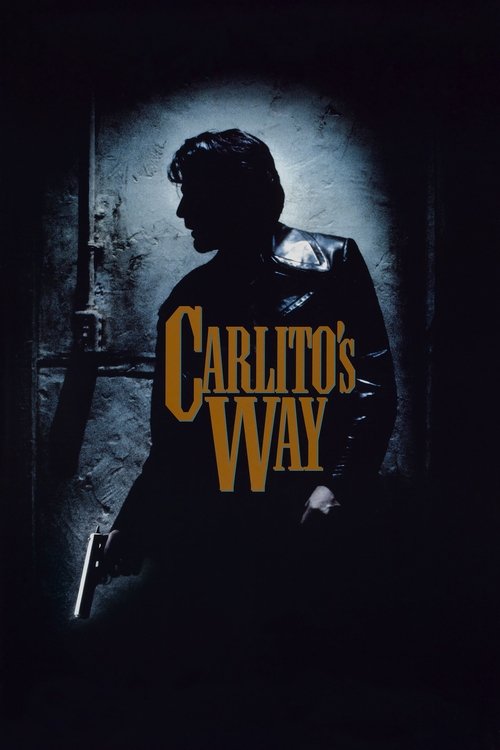
Carlito's Way1993
Al Pacino as a Puerto Rican ex-con trying to go straight while his past closes in. Brian De Palma directs with operatic intensity; the final act is genuinely tragic. A meditation on whether escape is possible.
But Pacino's accent and the film's romanticism of street life can feel overwrought. It's interested in gesture as much as story.
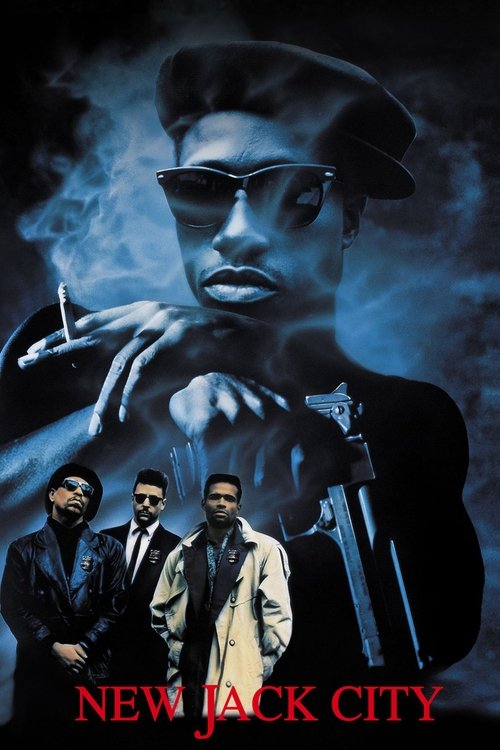
New Jack City1991
Wesley Snipes as Nino Brown, a ruthless crack dealer whose empire collapses. Directed by Mario Van Peebles with genuine urgency and a sense of how economics and addiction spiral. The film cares about its consequences.
But It's didactic at moments, especially in its treatment of addiction. The moralizing can feel at odds with the genre mechanics.
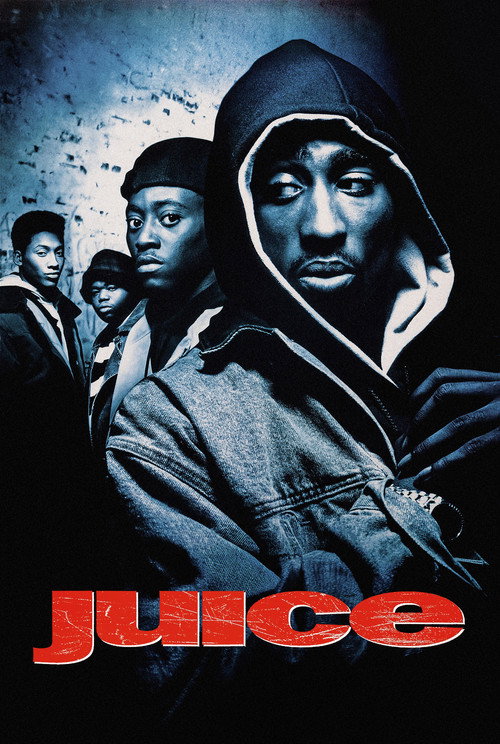
Juice1992
Four teenagers in Harlem, one gun, one robbery, and everything fractures. Ernest Dickerson's directorial debut has real visual sophistication and an unsentimental eye for how quickly friendship can become predation.
But The plot is familiar—a heist goes wrong—and some of the acting is uneven. It works better as mood than as narrative.
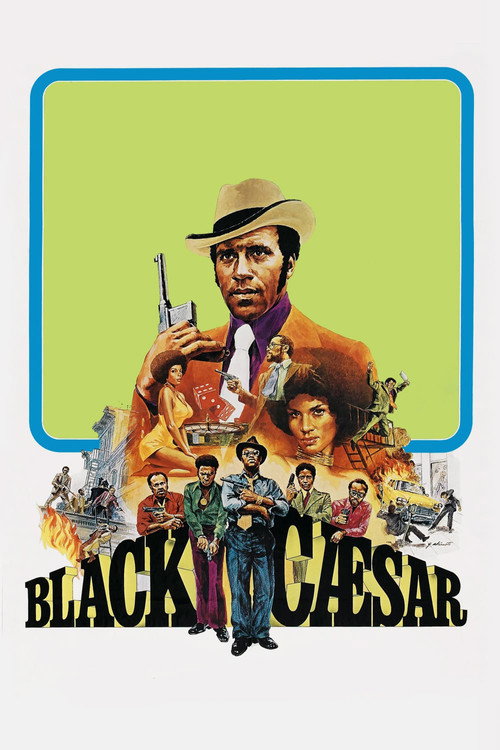
Black Caesar1973
Fred Williamson as a street hustler rising to mob boss. James Brown's score pulses underneath the action; it's gleefully pulpy and doesn't pretend to be anything else. A kinetic, charismatic ride.
But The script is thin and the character development nonexistent. It's pure action and style, which some will find hollow.
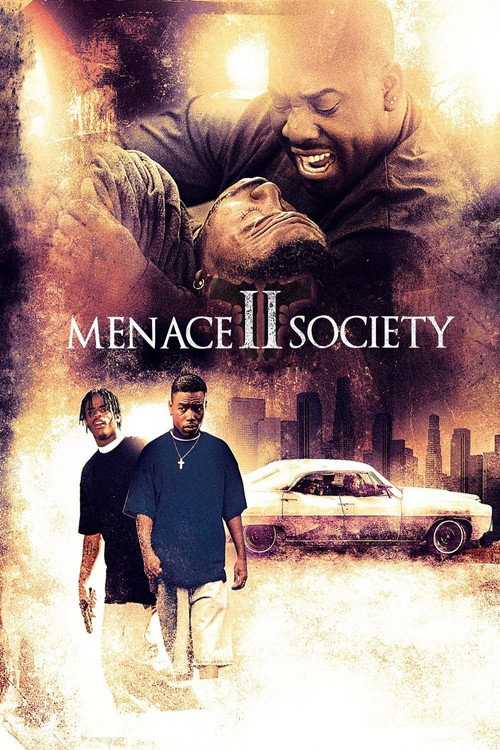
Menace II Society1993
Tyrin Turner as a South Central teenager caught between survival and escape, narrated with moral clarity by MC Eiht. The Hughes Brothers' control is surgical; every scene feels necessary. Unforgettable closing line.
But It's bleak and offers no redemption, which some find punitive rather than tragic. The violence is matter-of-fact, which can feel numbing.
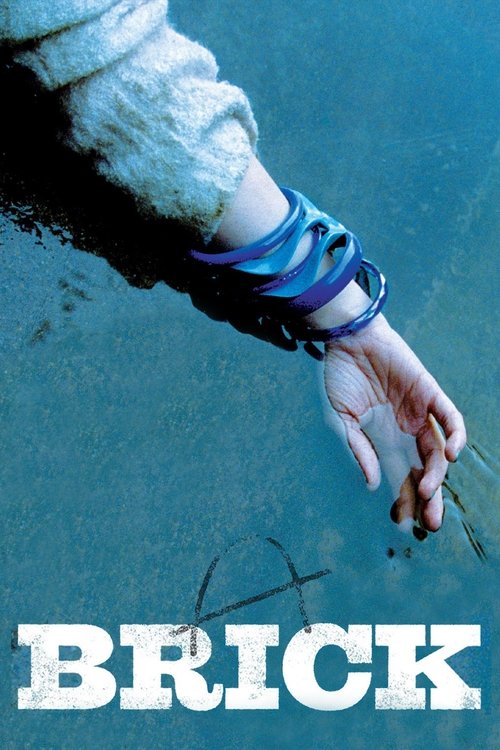
Brick2006
Both are obsessed with codes and hierarchies within subcultures; both use genre language to describe worlds outside the law. But Brick inverts the register entirely: where The Mack is realistic and street-rooted, Brick is stylized and theoretical.
A high schooler investigates his ex-girlfriend's murder in a California suburb. Rian Johnson remakes film noir conventions as teen dialogue and creates something genuinely strange: hardboiled and ingenuous at once. The density of language is intoxicating.
But The conceit—noir grammar applied to teenagers—can feel gimmicky on first approach. The narration and dialogue take patience to tune into.
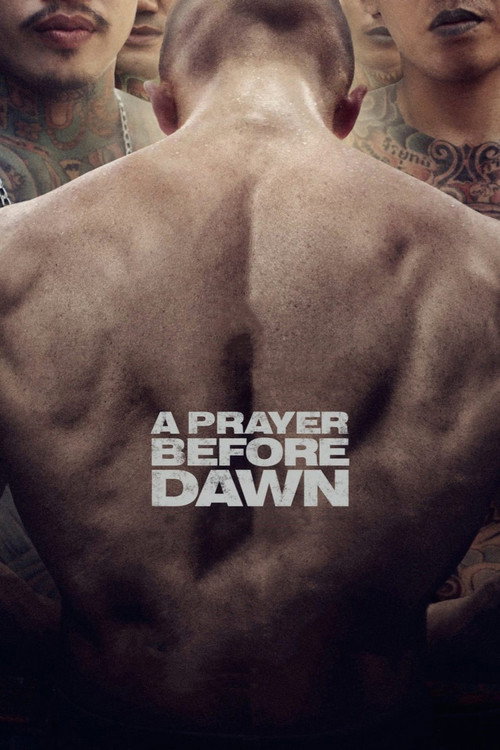
A Prayer Before Dawn2018
Both follow a man's relationship to power and violence, but where The Mack climbs, this one spirals. Both understand that the cost is internal, not external—what these worlds do to the person inside them.
Joe Cole as an American boxer training in Thailand while addicted to pills, directed by Jean-Stéphane Sauvaire in handheld realism. It's punishing and intimate, the inverse of the rise narrative—a slow spiral shot from inside.
But It's repetitive and bleak by design. The camera never pulls back or offers reprieve. If you need narrative shape or catharsis, this will feel like punishment.
People
Cast
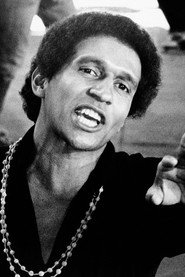 Max JulienGoldie
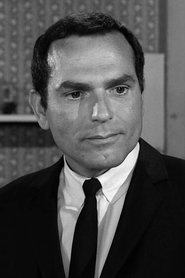 Don GordonHank
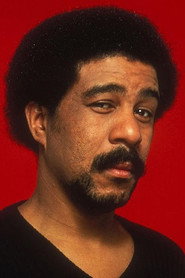 Richard PryorSlim
 Carol SpeedLulu
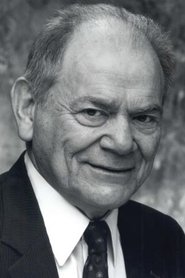 George MurdockFatman
 Dick Anthony WilliamsPretty Tony
- Terrible TomHimself
- Ted WardHimself
- Frank WardHimself
 Roger E. MosleyOlinga
 Juanita MooreMother
Directing
- Michael CampusDirector
Writing
- Robert J. PooleWriter
Production
- R. Hansel BrownAssociate Producer
- Marvin PaigeCasting
- Harvey BernhardProducer
- Bert GoldProduction Manager
Recommended by
Shaft, New Jack City, Foxy Brown, Coffy, Trouble Man, Claudine, Sweet Sweetback's Baadasssss Song, Black Caesar, BaadAsssss Cinema, Sugar Hill, Cotton Comes to Harlem, Cleopatra Jones, Three the Hard Way, Melinda, TNT Jackson, Mean Johnny Barrows, Disco Godfather, Uptown Saturday Night, A Piece of the Action, Dolemite, Black Dynamite, Truck Turner, The Black Godfather, Petey Wheatstraw, Hell Up In Harlem, Car Wash, Hammer, Sheba, Baby, Come Back, Charleston Blue, The Guy from Harlem, For Love of Ivy, Darktown Strutters, Passing Through, Velvet Smooth, The Avenging Angel