
Film
Cleopatra Jones
A 1973 blaxploitation action film starring the magnificent Tamara Dobson as a federal agent taking on a drug empire. It's exuberant, propulsive, and gloriously of its moment—bell-bottoms, afros, and fist fights in a Los Angeles that feels lived-in. For anyone hungry for genre thrills with real style and a Black heroine who doesn't apologize.
Should you watch it?
Watch it if you love blaxploitation-era crime films where style, swagger and a larger-than-life heroine matter as much as the plot, and you enjoy a 1970s action picture that is unembarrassed about its own cool.
Skip it if you want tightly plotted modern thrillers, since this one moves in loose, episodic bursts and its villains and set pieces are broad, sometimes more sketch than story.
What it asks of you: It runs a brisk 89 minutes and asks you to go along with its bold, playful tone, shifting easily between cartoonish menace and straight-faced action without much fuss.
Not sure? Find tonight's pick in a minute.
If you liked this
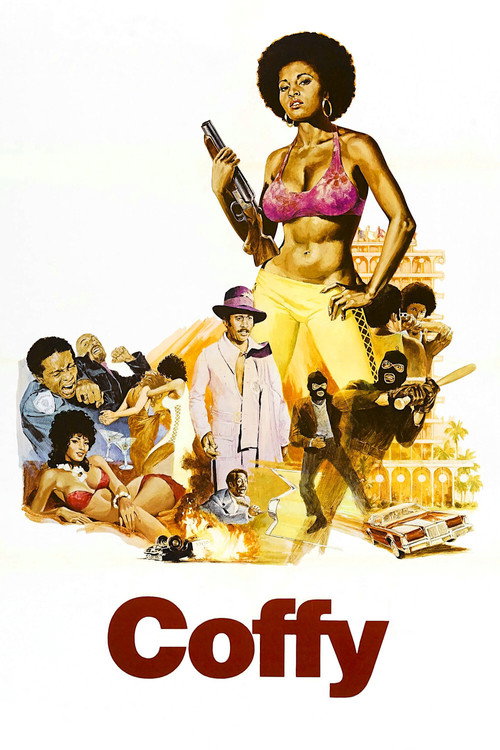
Coffy1973
Pam Grier as a nurse avenging her sister's death through the criminal underworld. Raw, furious, and funny—the ur-text of blaxploitation that proved Black women could carry action films with complete command.
But The violence is sometimes clumsy and the plot threads tangle. It's a product of low budgets, which shows.
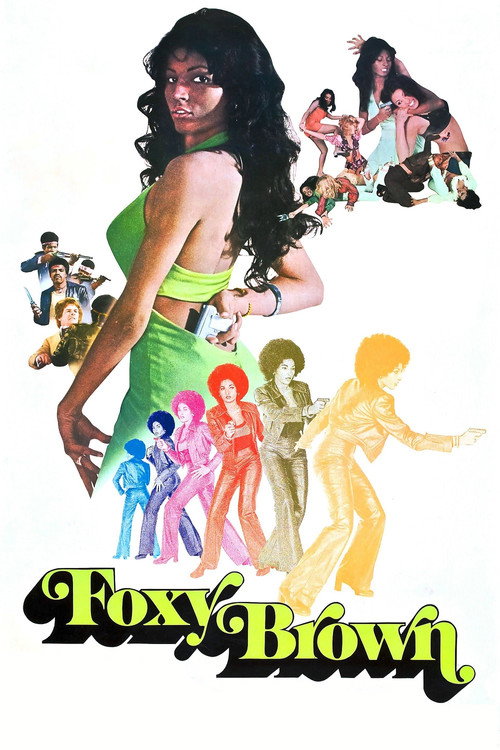
Foxy Brown1974
Pam Grier again, in what many consider the peak of her blaxploitation run. Sharper script, better pacing, and a heroine so intelligent she outthinks everyone in the room before throwing a punch.
But If you can't accept 1970s attitudes toward sex work and violence as period detail, this will frustrate you.
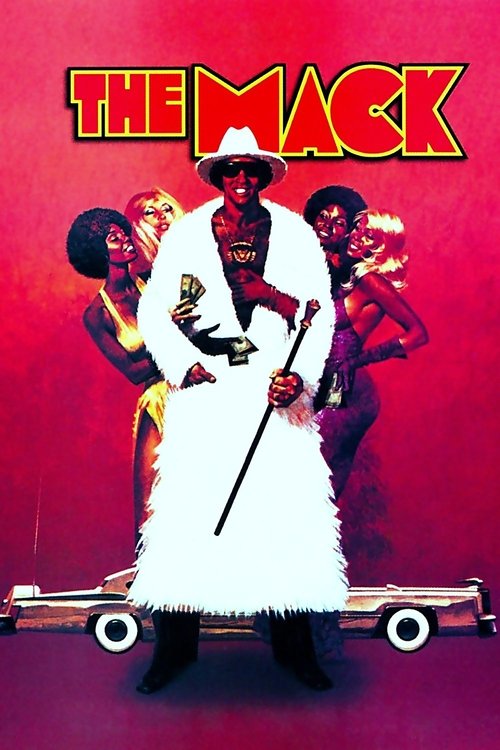
The Mack1973
Max Julien and Richard Pryor in a stylish crime drama about pimp life in Oakland. It's funnier and more psychologically complex than it sounds, with a perverse elegance to its world-building.
But The perspective on women is genuinely nasty, even for the era. It's a feature of the film, not a bug, and not everyone will want to spend two hours there.
Not sure tonight? Get a pick in a minute, starting from Cleopatra Jones
The wildcard
Something you would not have found on your own.
3 Women1977
Both films center on powerful women operating within systems designed to contain them—but where Cleopatra Jones fights outward, Altman's women fight inward, turning their worlds into mirrors. One is kinetic blaxploitation; the other is experimental cinema. Same architecture, opposite directions.
Robert Altman's abstract psychological thriller about identity and control. A woman named Millie becomes entangled with two others in the desert; the film dissolves boundaries between self and reflection. Uncanny, hypnotic, and nothing like a normal narrative.
But It's plotless and oblique. If you need clarity and forward momentum, you'll feel untethered for 125 minutes.

More like this (8)
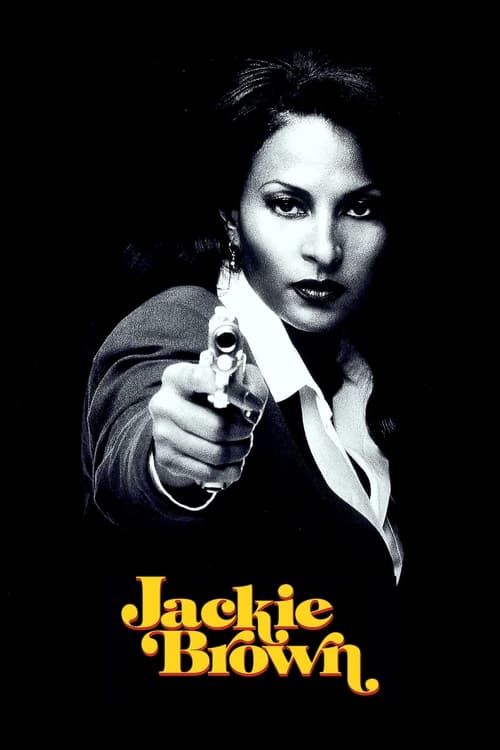
Jackie Brown1997
Tarantino's love letter to blaxploitation, built around Pam Grier and a script that respects her intelligence. Stylish, funny, and moving—proof the genre had substance worth reclaiming and reinventing.
But It's nearly three hours, and it moves at a deliberately unhurried pace. The plot is a carefully choreographed heist, not a rush.
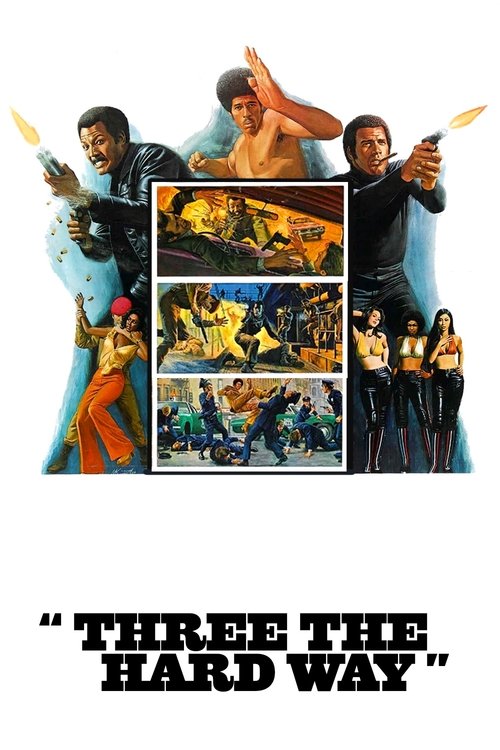
Three the Hard Way1974
Jim Brown, Fred Williamson, and Jim Kelly against a white supremacist plot. Kinetic, unpretentious fun that lets its Black heroes be smart, capable, and cool without irony or apology.
But The script is perfunctory and the villains are cartoonish. It's content to be a vehicle, and makes no apologies for that either.
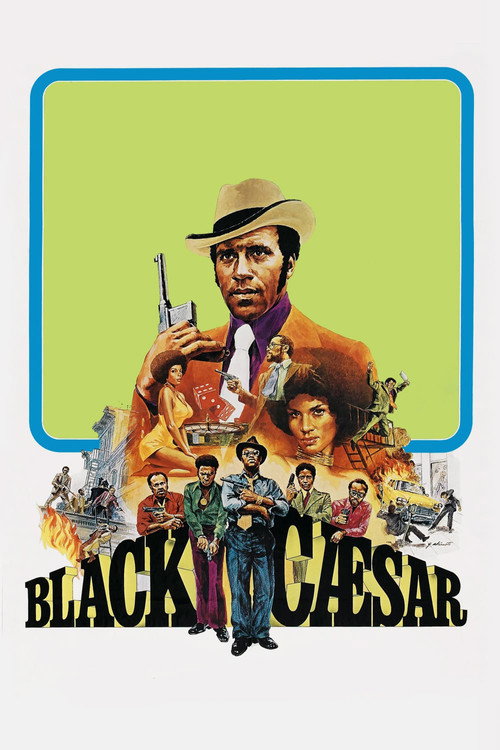
Black Caesar1973
Fred Williamson as a Harlem crime boss rising from the streets. It's got the swagger of a Godfather riff played from the margins—ambitious, brutal, and scored by James Brown.
But The narrative is familiar crime-saga stuff. If you've seen five Mafia movies, you know the shape of this one.
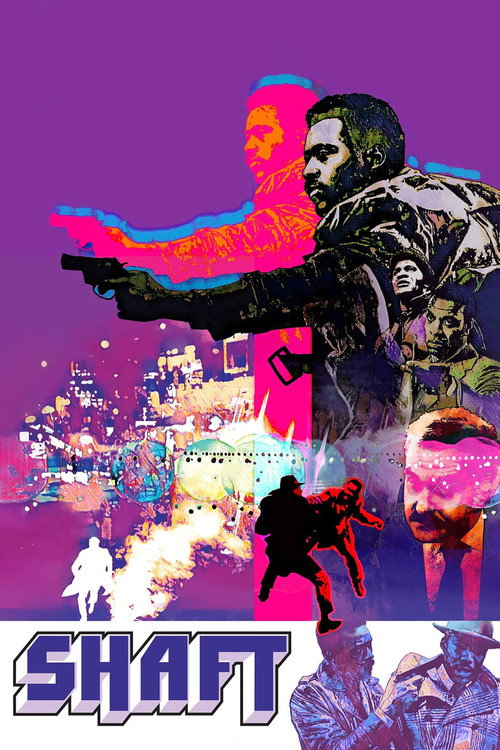
Shaft1971
Richard Roundtree as the ultimate private eye, navigating a murder in Harlem with style and sexual magnetism. Gordon Parks directed; Isaac Hayes' theme song is worth the price of admission alone.
But The actual plot is a generic kidnapping thriller. The charm is entirely in the attitude and the Isaac Hayes score.
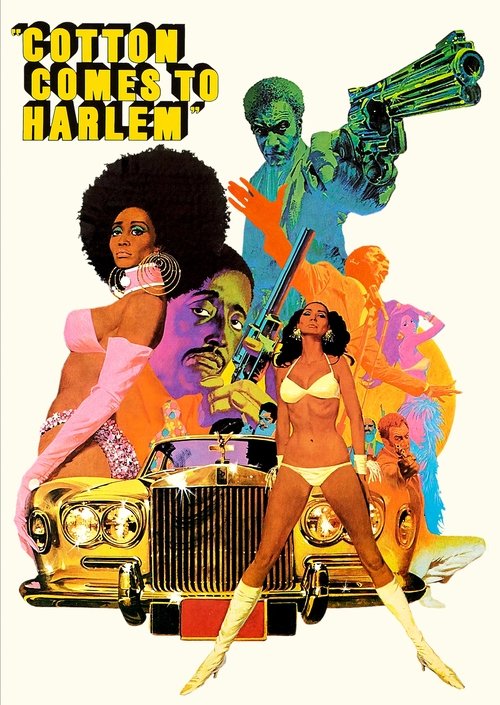
Cotton Comes to Harlem1970
Ossie Davis and Godfrey Cambridge as detectives hunting stolen money in Harlem. It's lighter than the films that followed—a comedy-mystery with affection for its community and its own absurdity.
But The humor hasn't aged evenly, and the mystery is genuinely silly. It works better if you lean into that.
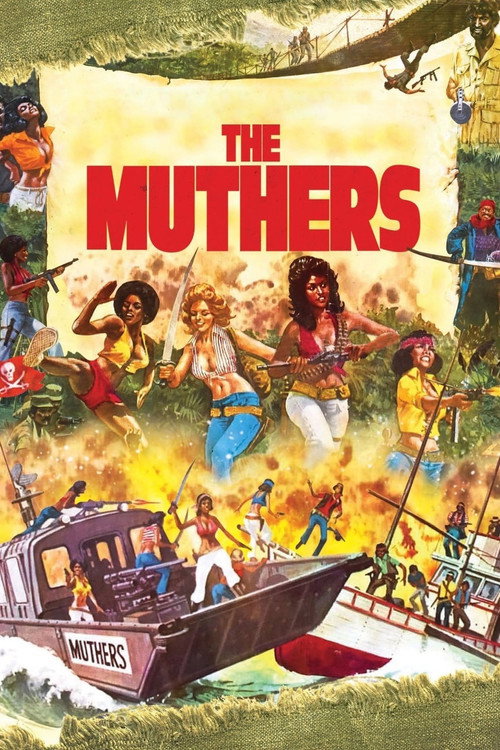
The Muthers1976
A Filipino action film about women in prison breaking out for revenge. Chaotic, inventive, and radically indifferent to logic—it has the energy of a fever dream and the soul of a comic book.
But The dubbing is distracting, the plot is confusing, and it was clearly made on a shoestring. It's more fun to laugh at than to take seriously.
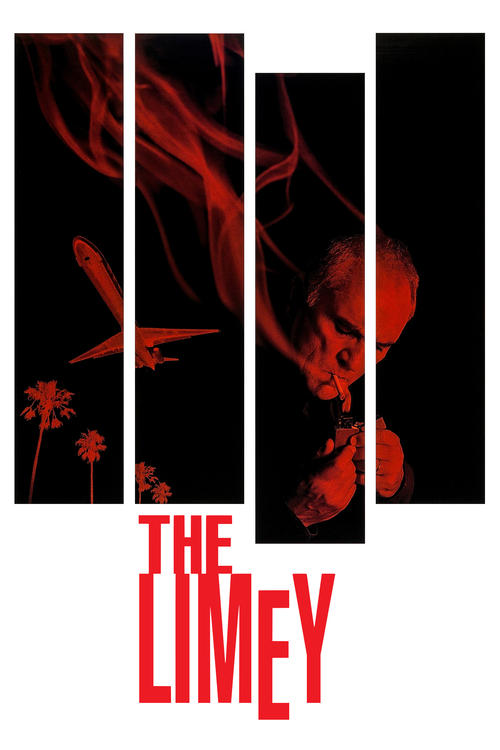
The Limey1999
Both are outsider-avenges-wrong stories, but Soderbergh strips away the blaxploitation aesthetic to ask what that narrative *is*: a genre engine built on fury and style. He shows you the skeleton underneath, and it's surprisingly moving.
Steven Soderbergh made a crime thriller about a British ex-con avenging his daughter's death in Los Angeles. It's fractured, non-linear, and scored like a fever—more style than plot, but style that deepens the emotion.
But The editing is deliberately disorienting and the timeline jumps constantly. It demands attention and does not coddle.
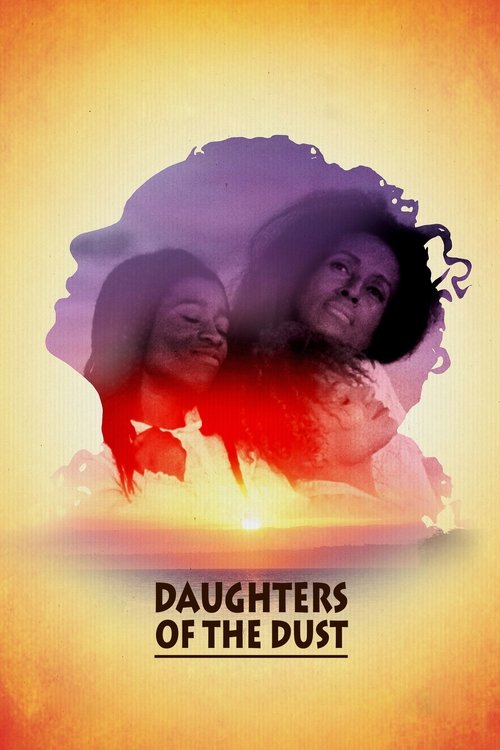
Daughters of the Dust1991
Where Cleopatra Jones is about a Black woman fighting the world around her, Dash asks what it means to move through the world with Black women's history in your blood. Both center female heroism, but one is action cinema and the other is lyric essay. Wildly different registers, same ultimate question: who gets to own her own story?
Julie Dash's film about Gullah families on the eve of the Great Migration is visual poetry made concrete. It moves sideways through time, language, and memory. Black femininity is sacred, complex, and allowed to be difficult.
But There is almost no plot. It's a meditation on community and continuity told through image and rhythm. Some will find it indulgent and slow.
People
Cast
 Tamara DobsonCleopatra Jones
 Bernie CaseyReuben
 Shelley WintersMommy
 Brenda SykesTiffany
 Antonio FargasDoodlebug
 Dan FrazerCrawford
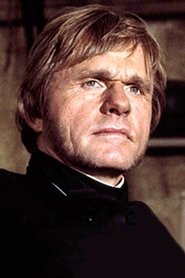 Bill McKinneyPurdy
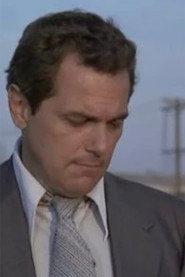 Stafford MorganSgt. Kert
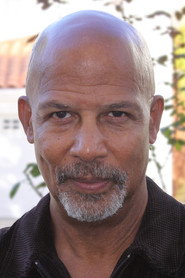 Michael WarrenAndy
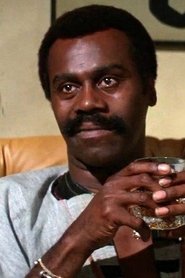 Albert PopwellMatthew
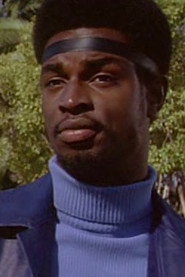 Caro KenyattaMelvin
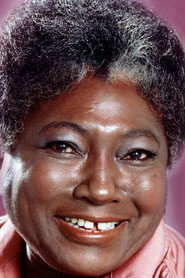 Esther RolleMrs. Johnson
Directing
- Jack RoeAssistant Director
- Jack StarrettDirector
- Betty A. GriffinScript Supervisor
- Ronald MartinezSecond Assistant Director
Writing
- Max JulienScreenplay
- Sheldon KellerScreenplay
- Max JulienStory
Production
- Nessa HyamsCasting
- Max JulienCo-Producer
- Jim MartellExtras Casting
- William TennantProducer
- Sam MannersProduction Manager
- Ronnie KramerProduction Secretary
- Vincent TubbsPublicist
Recommended by
Foxy Brown, BaadAsssss Cinema, Dolemite, Sheba, Baby, The Big Bird Cage, Darktown Strutters