
Film
Daughters of the Dust
Julie Dash's hypnotic, painterly account of a Gullah family on the eve of the Great Migration, told less as story than as ceremony — voices overlapping, time drifting between the living and the unborn. It's slow, sensory, and uninterested in conventional plot; watch it for the indigo-blue photography and the way memory becomes inheritance. Patient viewers get something few American films even attempt.
If you liked this
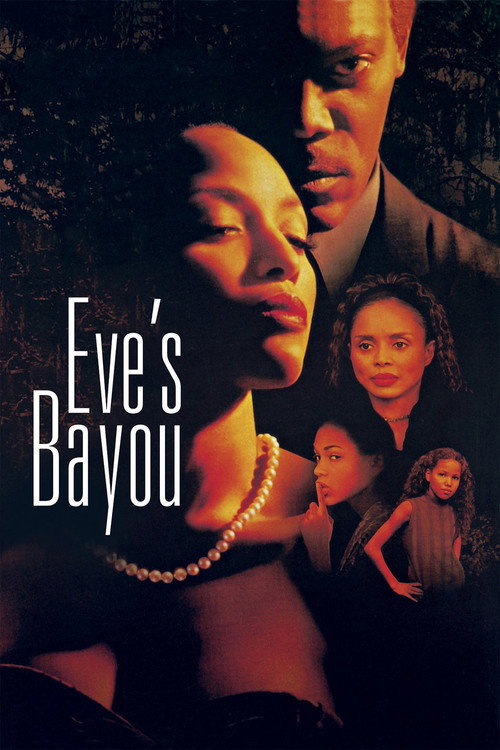
Eve's Bayou1997
Kasi Lemmons' Southern gothic follows a Black Creole family through a child's fractured memory — the same hush, the same ancestral secrets, the same conviction that the past never fully passes.
But More conventional narrative and a thriller undertow; if you wanted pure sensory drift, this feels almost plotty by comparison.
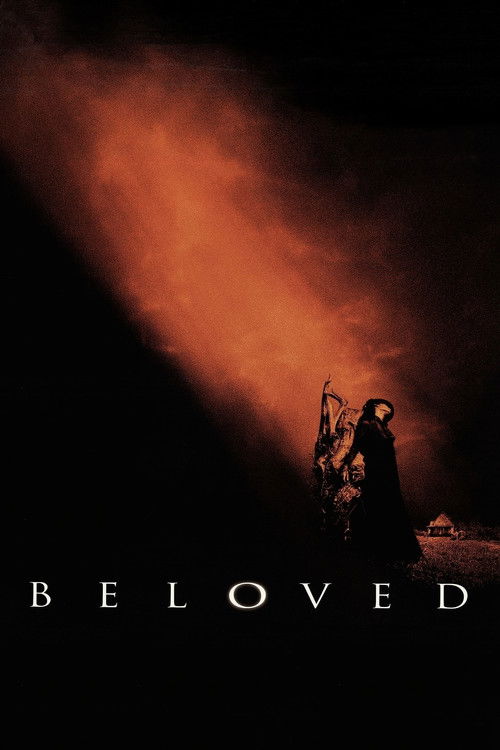
Beloved1998
Demme's Morrison adaptation confronts slavery's afterlife head-on, with a haunting that's literal instead of atmospheric — the same idea that history doesn't end, made visceral and terrifying.
But Heavier, more harrowing tone throughout; where Dash lingers in beauty, this sits in horror and grief for long stretches.
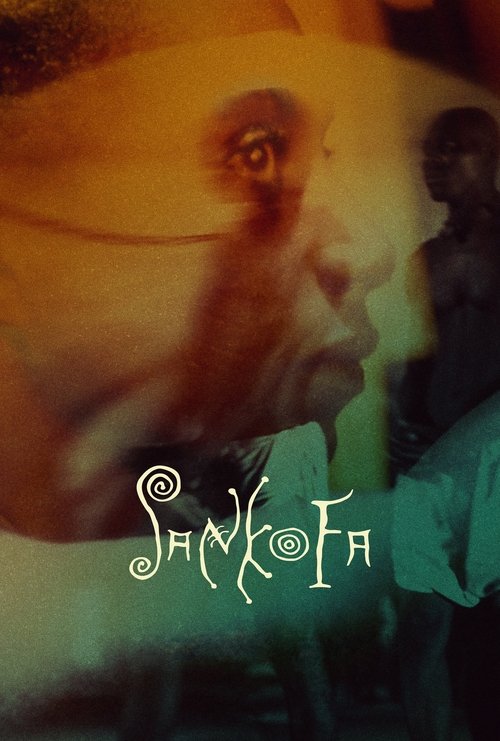
Sankofa1993
Haile Gerima's fierce, spiritual film sends a modern model back through time into slavery — a true sister film to Dash's, made the same era, asking the same questions about ancestry and return.
But Blunter and more didactic in places; it trades Dash's poetry for direct, unflinching political anger.
The wildcard
Something you would not have found on your own.
Black Girl1966no page yet
Both films ask what crossing water costs a Black woman's identity — Dash's family debates leaving the islands, Sembène's heroine has already left Africa, and neither director lets you forget the ocean is doing the deciding.
Ousmane Sembène's Senegalese debut follows a young woman crossing the sea for what she's promised is a better life, only to find herself unmoored from home and self — diaspora's grief run in reverse, told in barely an hour.
But Stark and minimal where Dash is warm; its ending is bleak, offering none of the continuity or hope Dash insists on.
More like this (8)
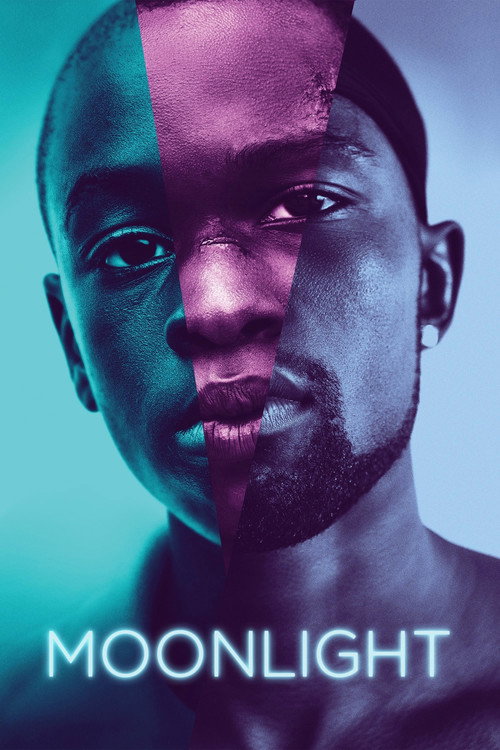
Moonlight2016
Barry Jenkins' triptych treats identity and memory with the same unhurried, painterly patience — light and colour doing as much storytelling as any line of dialogue.
But Urban, contemporary, and intensely interior rather than communal; the ensemble family feeling of Dash's film isn't really here.
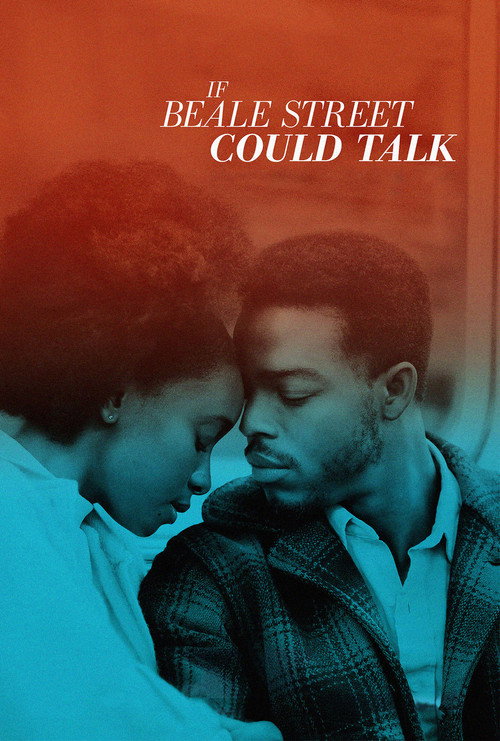
If Beale Street Could Talk2018
Also Jenkins, also lush and slow, also about a Black family holding together under pressure — warm colour, patient camera, love treated as an act of survival.
But More linear and romance-driven, and less interested in the mystical or ancestral dimension Dash foregrounds.
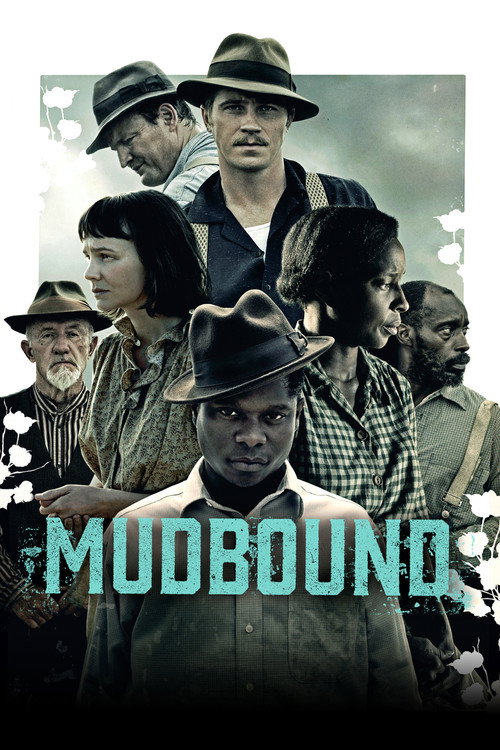
Mudbound2017
Two families, one Black and one white, bound to the same Mississippi land — a multigenerational, multi-voice epic about roots, migration, and what the land costs you.
But Grittier and more plot-heavy, with a war-era violence that Dash's film mostly holds at a distance.
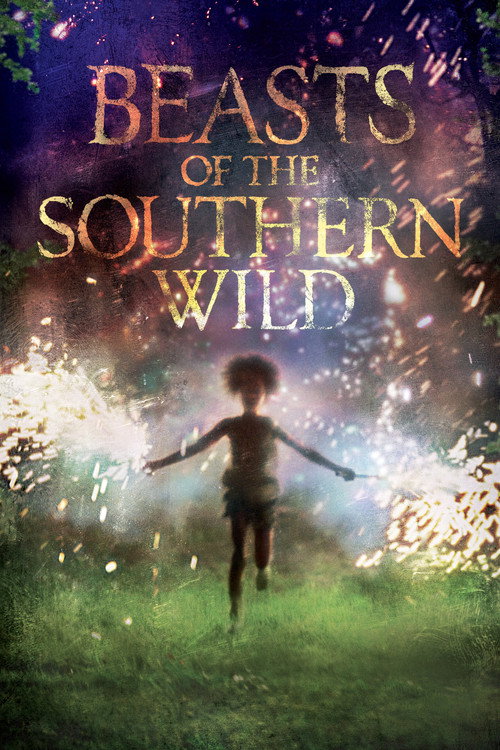
Beasts of the Southern Wild2012
A mythic, sensory vision of a threatened Southern community seen through a child's eyes — flood instead of migration, but the same sense of land and people about to vanish.
But Wilder and more fantastical, centred on one girl's perspective rather than Dash's chorus of women's voices.
The Color Purple1985
Spielberg's sweeping, unabashedly emotional portrait of Black Southern women's lives across decades shares Dash's reverence for sisterhood and survival.
But Much more classically Hollywood in structure and sentiment — big, swelling, and far less experimental than Dash's approach.

The Piano Lesson2024no page yet
A family heirloom carries the weight of ancestors and unresolved history — August Wilson's stage roots make the haunting explicit and dramatic rather than atmospheric.
But Stagier and more contained, a house instead of an island and shoreline; less visual poetry, more argument.
The Blood of Jesus1941no page yet
Dash has cited the race-film and folk-religious tradition as a root of her own visual grammar; this is the unpolished ancestor her film's spirituality actually grows from.
A near-forgotten "race film" shot for almost nothing, following a woman's soul wandering between heaven and hell after a shooting — the same folk-Christian, ancestor-world logic Dash draws on, four decades earlier and far rougher.
But Technically crude, with silent-era pacing and acting that's more sincere than skilled — this is film history, not polish.
Family Across the Sea1990no page yet
It's the nonfiction shadow of Daughters of the Dust — same culture, same year, same question of origin — proving the mythic material Dash dramatizes was rooted in traceable, documented history.
A companion documentary made the same year as Dash's film, tracing the real linguistic and cultural threads connecting Gullah communities to Sierra Leone — the true story behind the fiction's ache for a homeland.
But A modest hour of talking-heads and fieldwork, not cinema — it will scratch an intellectual itch rather than move you the way Dash's film does.
People
Cast
 Cora Lee DayNana Peazant
 Alva RogersEula Peazant
 Barbara O. JonesYellow Mary
 Trula HoosierTrula
- Umar AbdurrahamnBilal Muhammad
- Adisa AndersonEli Peazant
 Kaycee MooreHaagar Peazant
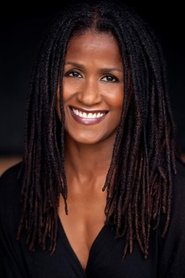 Bahni TurpinIona Peazant
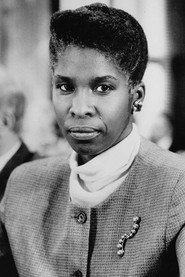 Cheryl Lynn BruceViola Peazant
 Tommy Redmond HicksMr. Snead
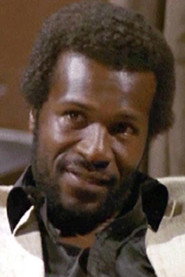 Tony KingNewlywed Man
- Cornell RoyalDaddy Mack Peazant
Directing
- C.C. BarnesAssistant Director
- J. Miller TobinAssistant Director
- Larry MeistrichAssistant Director
- Nandi BoweAssistant Director
- Julie DashDirector
Writing
- Julie DashWriter
Production
- Bernard NicolasAssociate Producer
- Floyd WebbAssociate Producer
- Pamm R. JacksonAssociate Producer
- Len HuntCasting
- Lindsay LawExecutive Producer
- Arthur JafaProducer
- Julie DashProducer
- Steven JonesProducer
Recommended by
Insecure, Sankofa, Eve's Bayou, Hallelujah, St. Louis Blues, Killer of Sheep, Beloved, The Green Pastures