
Film
Women Without Men
- Drama
- Slow-burning
A poetic Iranian drama that uses a hidden garden as sanctuary and metaphor during the 1953 coup. Four women from different classes and circumstances find refuge, agency and solidarity in a space outside history's chaos. Visually sumptuous, deliberately paced, and concerned with interiority over plot—it's cinema as painting, and it demands patience.
Should you watch it?
Watch it if you are drawn to slow, painterly films where history hums quietly under small private lives, and a stylised, dreamlike image can carry as much meaning as the dialogue.
Skip it if you want plot momentum or clear-cut political stakes; this is more meditative than gripping, and its magical-realist touches may feel elusive rather than moving.
What it asks of you: Settle in for a hundred minutes of unhurried, mostly quiet scenes, and be ready to read the mood and images closely rather than follow a brisk narrative.
Not sure? Find tonight's pick in a minute.
If you liked this
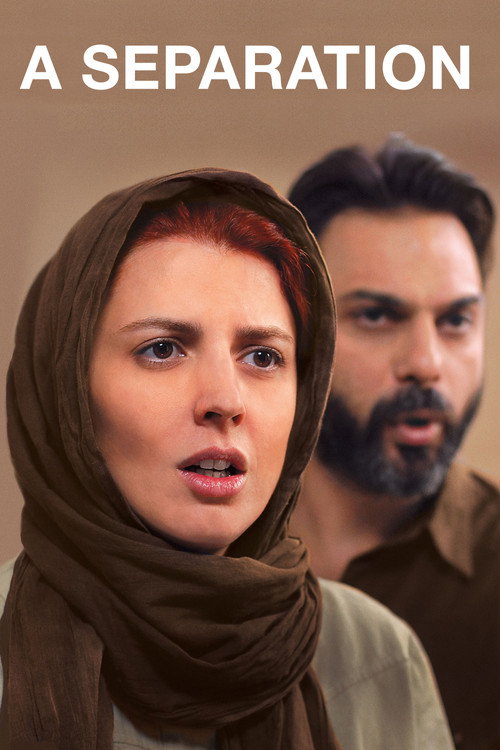
A Separation2011
A masterpiece about Iran's contradictions told through intimate family conflict. Like Women Without Men, it refuses easy answers and treats moral complexity with rigour and depth.
But It's a divorce drama that builds its power through conversation and legal procedure rather than dramatic incident. Some find it slow.
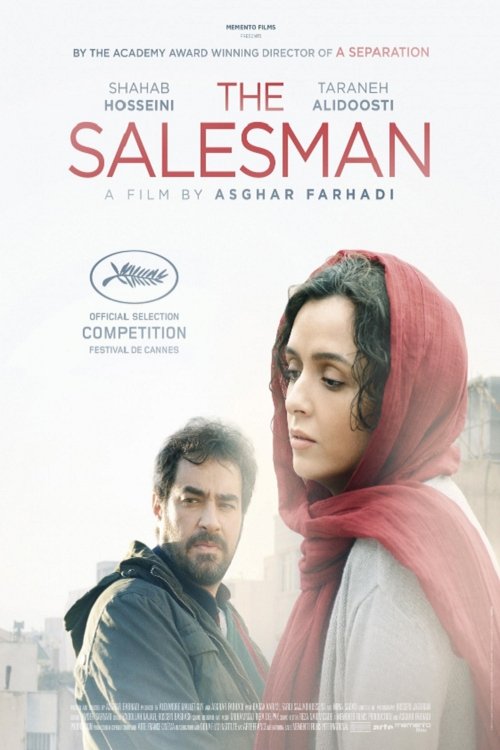
The Salesman2016
Asghar Kiarostami's meditation on privacy, shame and violence in contemporary Iran. Shares the poetic compression of Women Without Men—maximum emotional weight in minimal visual space.
But Very quiet. The film moves through suggestion rather than statement, which can feel opaque if you're not attuned to its wavelength.
Under the Skin2014
A film about interiority, alienation and what it means to be observed. Like Women Without Men, it privileges mood and visual language over conventional narrative momentum.
But It's hypnotic rather than engaging—long stretches of silence and ambiguity. The sci-fi premise is almost irrelevant to the film's real concerns.

Not sure tonight? Get a pick in a minute, starting from Women Without Men
The wildcard
Something you would not have found on your own.
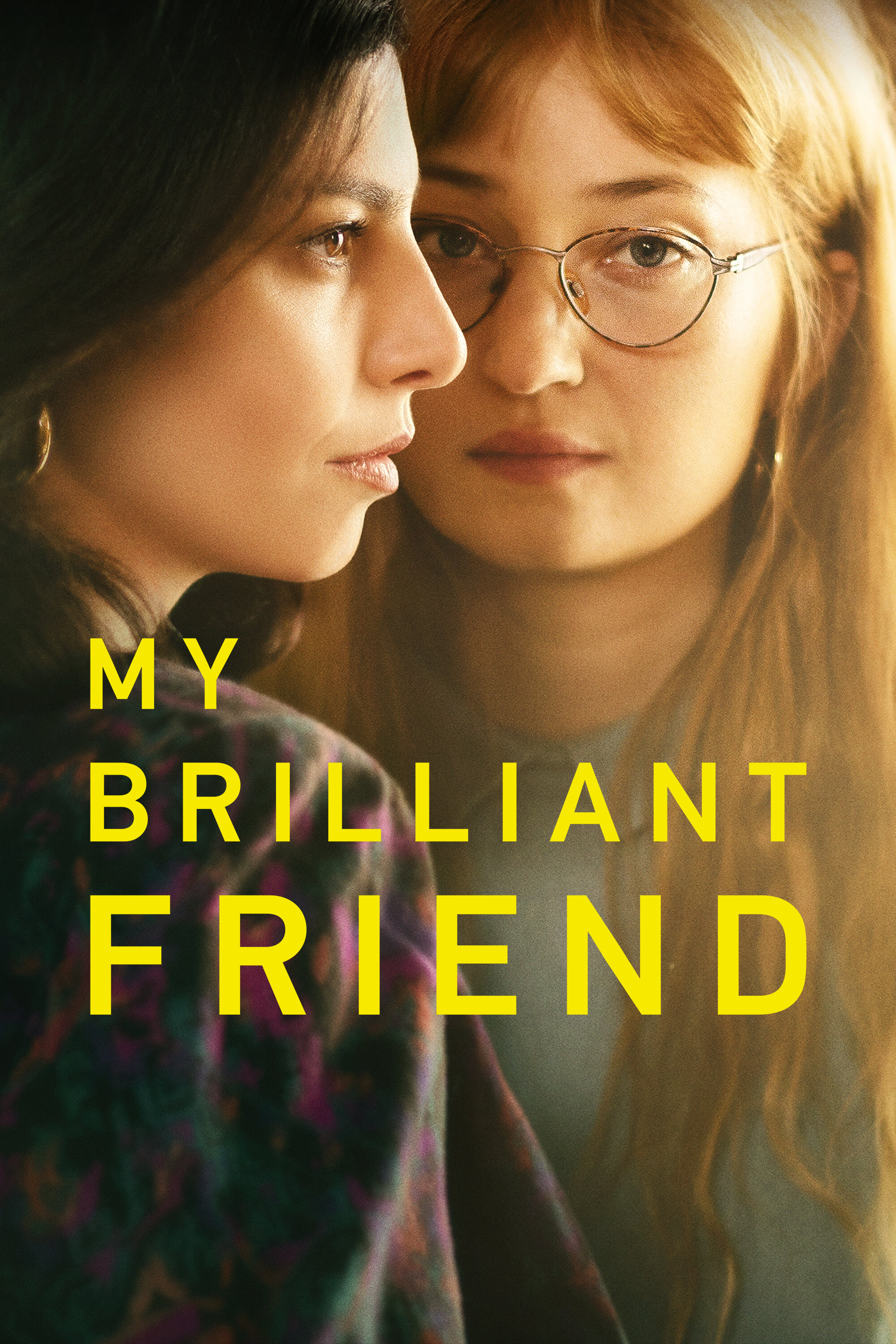
My Brilliant Friend2018
Both use female friendship and female spaces as the true subject of historical drama, rather than ornament to it.
An Italian series about female friendship across decades, told with novelistic depth and visual precision. It shares Women Without Men's investment in interiority and its belief that women's interior lives are as worthy of epic treatment as any war or political upheaval.
But It's deliberately slow and linguistic—long stretches of conversation and observation. The first season requires real patience before its momentum becomes apparent.
More like this (8)
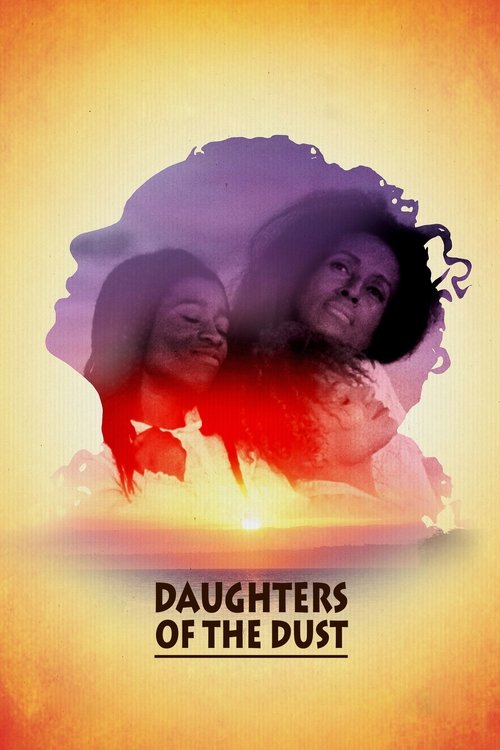
Daughters of the Dust1991
A meditation on women's bodies, history and inheritance told in layered, poetic language. Shares Women Without Men's commitment to visual beauty as a form of resistance and reclamation.
But The narrative is deliberately fragmented and non-linear. It rewards contemplation more than it rewards plot clarity.
Mulholland Drive2001
A film about women, desire, and the fictions we construct. Like Women Without Men, it uses shifting perspectives and dreamlike logic to explore female subjectivity and the cost of ambition.
But It's deliberately disorienting and resists interpretation. If you need a film to explain itself, this will frustrate you.

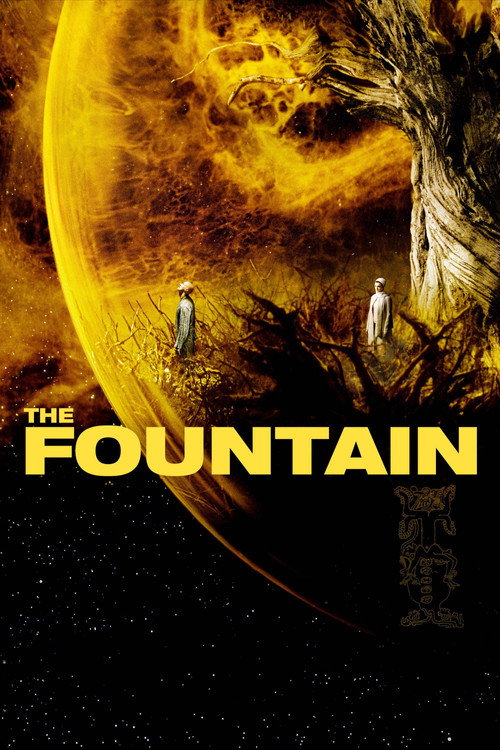
The Fountain2006
An ambitious, genre-defying film about love and time told across three eras. Shares Women Without Men's use of painterly visuals and thematic density—every frame is deliberate.
But It's maximalist and demanding. The emotional ambition outpaces clarity, and some scenes feel self-indulgent rather than earned.
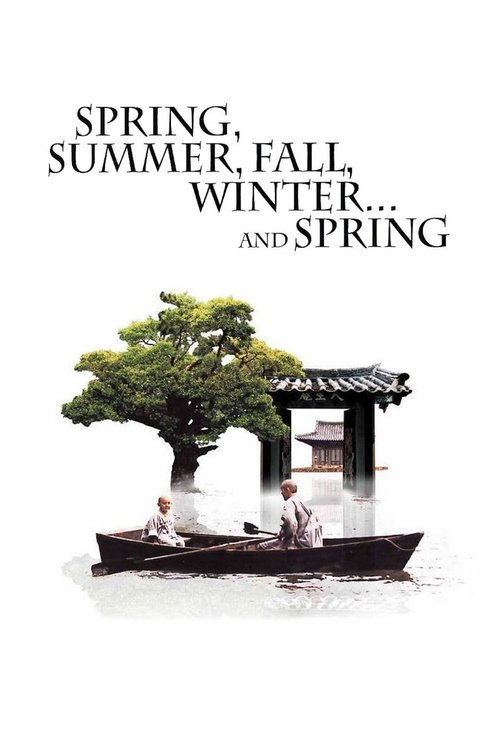
Spring, Summer, Fall, Winter... and Spring2003
A Korean meditation on isolation, temporality and the natural world set in a floating monastery. Like Women Without Men, it uses landscape and cyclical structure as philosophical argument rather than mere setting.
But Virtually plotless. If narrative propulsion is what you need from cinema, this will feel airless and static.
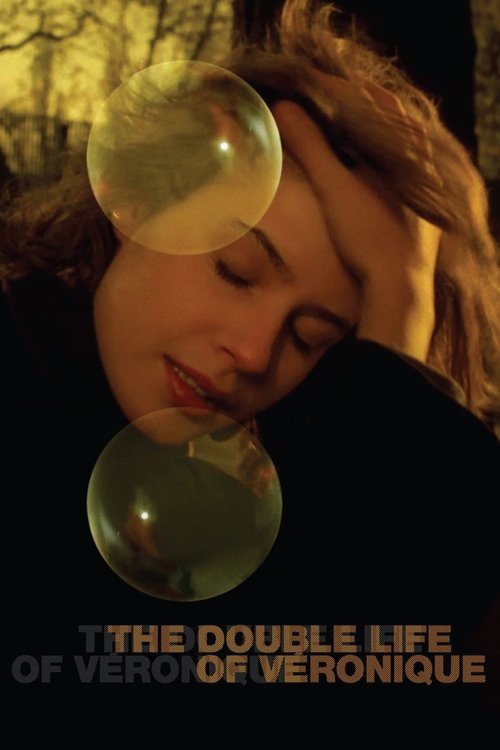
The Double Life of Véronique1991
Kieslowski's exploration of female identity, fate and connection told through shadow and colour. Shares Women Without Men's faith in visual abstraction as a path to psychological truth.
But It's oblique and symbolically dense. You'll never quite know what you're watching, and the film intends it that way.
The Ascent1977
A Soviet film about two monks climbing a mountain during wartime, pursued by tragedy. Shares the austere visual beauty and spiritual inquiry of Women Without Men, though it channels those things toward metaphysical reckoning.
But It's bleak and uncompromising. The film offers no comfort, and its moral absolutism may feel dated or cold.

The Act of Killing2012
Both understand that direct representation of horror is sometimes less honest than oblique, artistic mediation—and both trust the viewer to grasp that distinction.
A documentary that reconstructs historical violence through the perpetrators' own theatrical recreations. It shares Women Without Men's belief that cinema itself—visual composition, metaphor, artistic form—is the appropriate register for understanding trauma and atrocity.
But It's disturbing and formally experimental in ways that may feel exploitative. The ethical questions it raises about representation are never fully resolved, which is intentional but exhausting.

Stalker1979
Both films locate salvation not in political action or escape, but in the creation of separate spaces—literal or psychological—where different rules apply.
Tarkovsky's philosophical science fiction about desire, meaning and the spaces we create to shelter ourselves. Like Women Without Men, it uses a bounded sanctuary as a lens onto larger metaphysical questions about freedom and authenticity.
But Nearly three hours of sustained contemplation with minimal plot. It moves at the speed of thought rather than action, which many experience as gorgeous and many as sleep-inducing.

People
Cast
 Shabnam TolouiMunis
 Pegah FerydoniFaezeh
 Orsolya TóthZarin (as Orsi Toth)
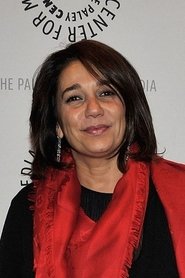 Arita ShahrzadFarrokhlagha
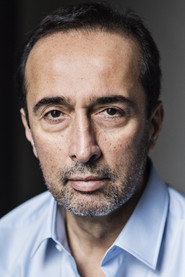 Bijan DaneshmandAbbas
 Navid NavidAli
- Ahmad HamedGardener
Directing
- Shirin NeshatDirector
- Shoja AzariDirector
Writing
- Shahrnush ParsipurNovel
- Shirin NeshatScreenplay
- Shoja AzariWriter
Production
- Philippe BoberProducer