
Film
The Circle
Other titles called The Circle: the 2017 film, the 2018 series (Channel 4), the 2020 series (Netflix).
- Social drama
- Very dark
Jafar Panahi's shattering portrait of Iranian womanhood follows six women through a single day in Tehran, each trapped by different constraints of a patriarchal society. Shot with deceptive simplicity, it builds from individual stories into a collective cry of rage and helplessness. Essential cinema about survival under systematic oppression.
If you liked this
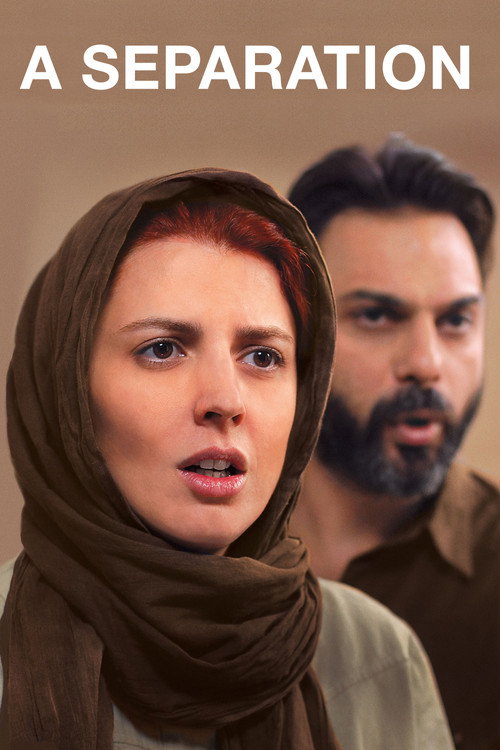
A Separation2011
Asghar Farhadi's masterpiece about a marriage dissolving in Tehran is equally devastating about how Iranian society fractures the personal. It's gripping as drama and profound as social analysis.
But It's a slow-burn legal thriller that demands your full attention; there's no catharsis, only careful accumulation of pain.
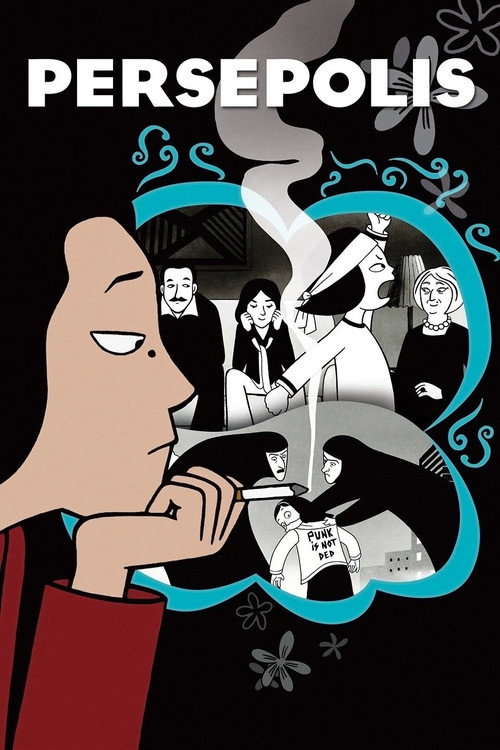
Persepolis2007
Marjane Satrapi's animated autobiography shows life under Islamic rule through a girl's eyes—funny, furious, and heartbreaking. It reaches what The Circle only gestures toward: how to survive with spirit intact.
But Animation can distance you from the material when you need immediacy; some find its tone oscillates unevenly.
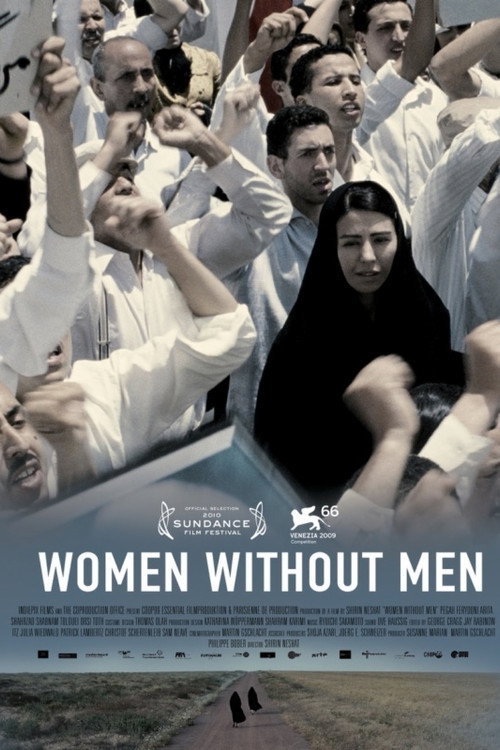
Women Without Men2009
Shirin Neshat's poetic film follows four women during the 1953 Iranian coup, each seeking refuge from patriarchal control. It's visually stunning and structurally bold, connecting personal and political rebellion.
But The magical-realist segments feel detached from the realism; the film's fragmented approach can feel distant rather than intimate.
Not sure tonight? Get a pick in a minute, starting from The Circle
The wildcard
Something you would not have found on your own.
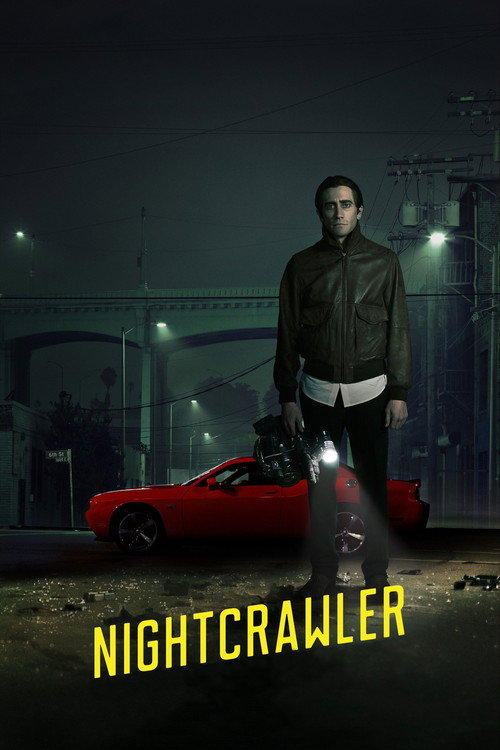
Nightcrawler2014
Both films show how systemic dehumanization operates: The Circle through forced invisibility, Nightcrawler through weaponized visibility. Both ask what a society becomes when some people's suffering becomes currency.
Dan Gilroy's thriller about a man exploiting tragedy for profit is savage about systems that crush the powerless. It's The Circle's dark mirror—same predatory logic, different victim and perpetrator.
But It's a character study of a sociopath; if you need moral clarity or a sympathetic perspective, this offers neither.
More like this (6)
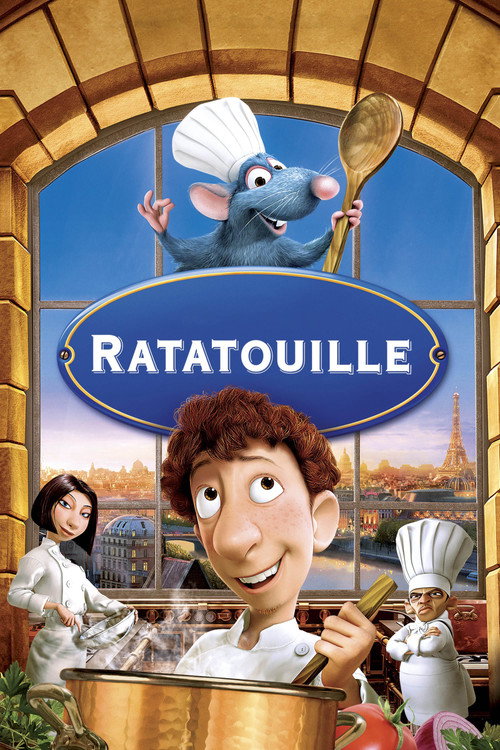
Ratatouille2007
A Pixar film about fighting systems that say you don't belong. Yes, it's a comedy about a rat and cooking, but it has The Circle's DNA: one outsider's determination to prove their worth against all odds.
But It's aggressively cheerful and ends in triumph; if you need unsparing bleakness, this will feel like it's avoiding the point.
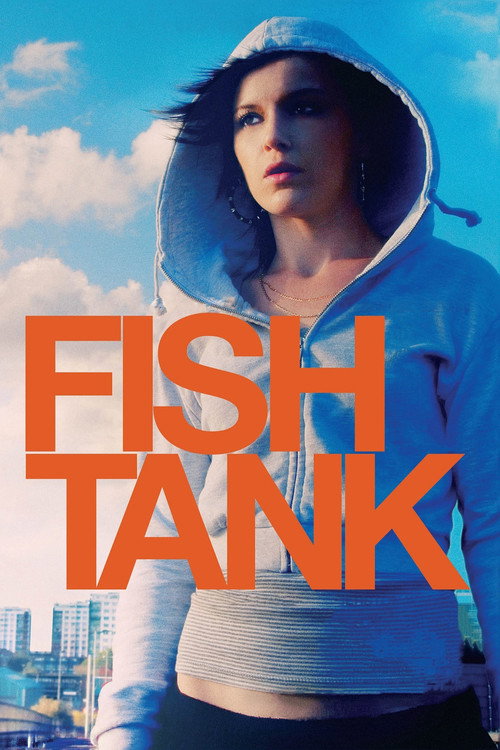
Fish Tank2009
Andrea Arnold's film about a young British woman trapped by poverty, family dysfunction, and predatory men shares The Circle's cold eye on how systems entrap women. Visceral and angry.
But It's extremely uncomfortable to watch, with graphic violence and sexual threat; the ending offers no resolution, only devastation.
Stalker1979
Andrei Tarkovsky's Soviet masterpiece is about desire, restriction, and the impossibility of freedom—abstract but profound. If you loved The Circle's spiritual exhaustion, this explores it with cosmic scope.
But It's 163 minutes of slow, philosophical science fiction with minimal dialogue. Most people find it either transcendent or glacially boring.

The Wrestler2008
Darren Aronofsky's film about a man hollowed out by systems indifferent to his humanity shares The Circle's unflinching focus on daily survival. It's intimate suffering made visible.
But Randy's degradation is relentless; there's no triumph, only the grim repetition of getting up and trying again.

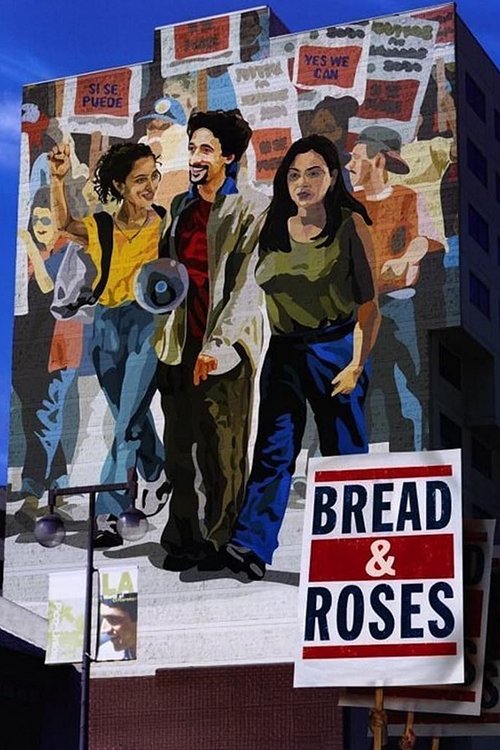
Bread and Roses2000
Both premiered the same year, both center on women resisting oppressive systems through collective action, both use Loach/Panahi's spare aesthetic to refuse spectacle and sentiment.
Ken Loach's documentary-realist drama about immigrant women fighting for labor rights in Los Angeles uses the same observational, non-melodramatic style as Panahi. Political urgency expressed through individual lives.
But It's agitprop dressed as naturalism; the film's sympathies are transparent and unapologetic, which some experience as heavy-handed.
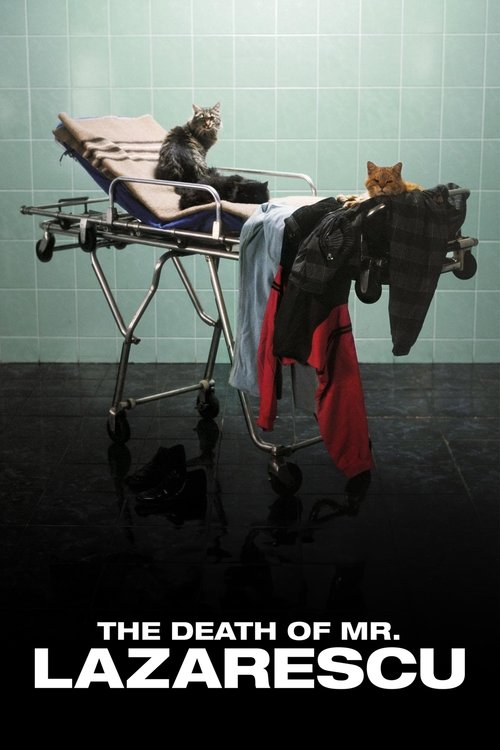
The Death of Mr. Lazarescu2005
Both use duration and repetition as weapons. The Circle's six women cycling through the same space mirrors Lazarescu's single man cycling through empty corridors. Both argue that systemic failure is not dramatic—it's just the texture of certain lives.
Cristi Puiu's Romanian film follows an old man through a night of medical system indifference. It's methodical, nearly unbearable, and has The Circle's moral clarity: society has decided who matters and who doesn't.
But It's 153 minutes of almost nothing happening, watching bureaucratic cruelty accumulate. Glacially paced and devoid of plot momentum or character arc.
People
Cast
- Nargess MamizadehNargess
- Maryiam Palvin AlmaniArezou
- Mojgan FaramarziMojgan - Prostitute
- Elham SaboktakinElham - Nurse
- Monir ArabMonir - Ticket Seller
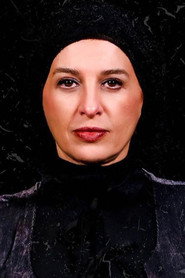 Maede TahmasbiMaedeh
- Maryam ShayeganParveneh
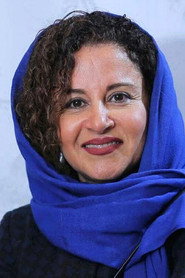
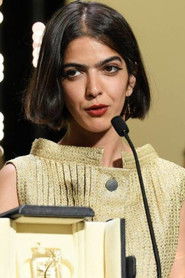 Solmaz PanahiSolmaz
- Fatemeh NaghaviNayer
- Abbas AlizadehFather of Pari
Directing
- Ali AghababaeiAssistant Director
- Fereshteh Sadr OrafaiAssistant Director
- Jafar PanahiDirector
Writing
- Jafar PanahiIdea
- Kambuzia PartoviWriter
Production
- Mohammad AtebbaiAssociate Producer
- Morteza MotavaliExecutive Producer
- Jafar PanahiProducer
- Ahmad MoradiProduction Assistant
- Abolfazl lalehProduction Manager