
Film
The Double Life of Véronique
A film that trusts feeling over explanation: two women, one in Kraków and one in Paris, who have never met but share a face, a voice, and an inexplicable sense of each other's presence. Kieślowski shoots it through amber and green glass, Preisner's score aches beneath everything, and the whole thing plays like a half-remembered dream about intuition, art, and the fragile thread connecting strangers. Gorgeous, mysterious, unhurried — for anyone who likes their cinema to feel rather than explain.
If you liked this
Three Colors: Blue1993no page yet
Same director, same composer, and the same interest in an inner life too large for words — Binoche plays grief as a kind of dismantling. It's the closest thing to a companion piece this film has.
But Grounded and austere where Véronique is mystical — there's no double, no fantasy, just raw, patient mourning.
Three Colors: Red1994no page yet
Kieślowski's last film chases the same idea of unseen connections between strangers, this time between a model and a retired judge, with his most elegant, fate-drunk plotting.
But Slower and more novelistic, built around conversation rather than the wordless intuition that drives Véronique.
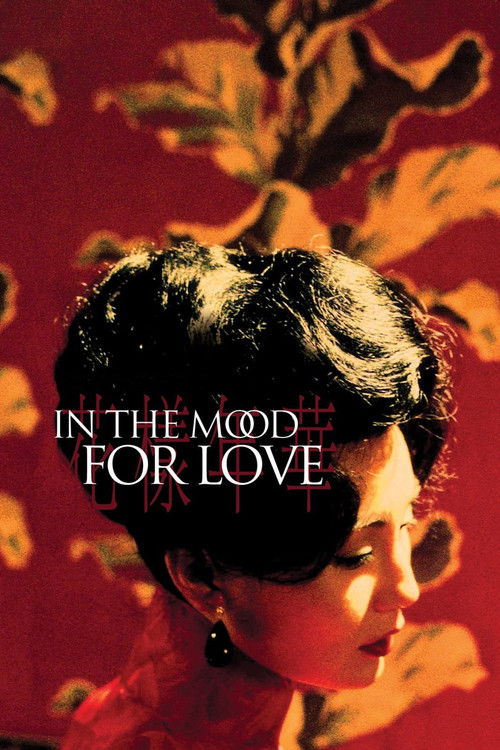
In the Mood for Love2000
Wong Kar-wai builds an entire film out of longing, colour, and repetition — style as feeling, mood as plot, in a way that speaks the same language as Kieślowski's camera.
But Almost nothing happens by conventional standards; the pleasure is entirely in texture and restraint.
The wildcard
Something you would not have found on your own.
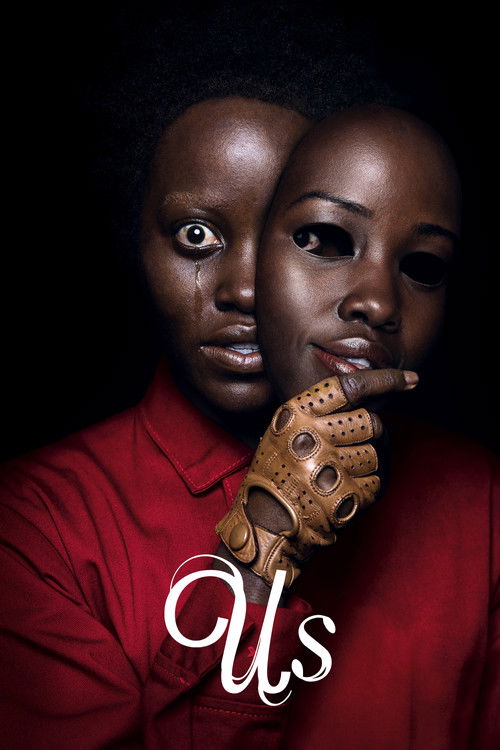
Us2019
Both hinge on a woman discovering she isn't singular — Peele just makes the double a threat instead of a mystery, testing how far the uncanny can stretch before it becomes terror.
Jordan Peele takes the exact premise — a woman confronted by a duplicate of herself who knows things she shouldn't — and turns it into a home-invasion horror film with teeth.
But Loud, violent, and plot-heavy where Kieślowski whispers; this is the same idea screaming instead of murmuring.
More like this (8)
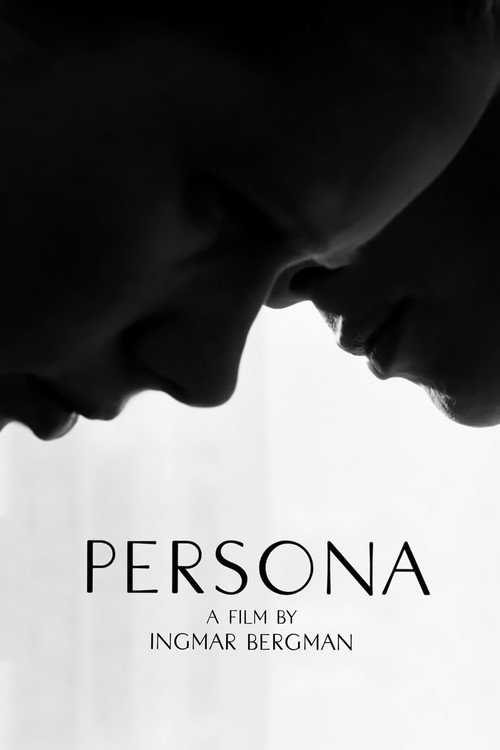
Persona1966
Bergman's black-and-white nightmare about two women whose identities start to bleed together is the doubling theme taken to its most severe, formally daring extreme.
But Cold, fragmented, and deliberately unresolved — it argues with itself rather than offering any comfort.
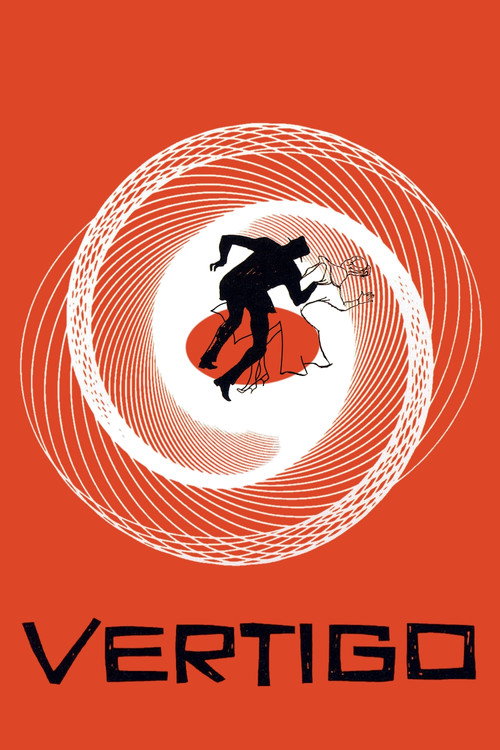
Vertigo1958
Hitchcock's fever dream about a man obsessed with a woman who might be someone else entirely shares Véronique's fascination with doubles, fate, and the unreliability of identity.
But Studio-era pacing and a queasy sexual politics that hasn't aged gracefully for every viewer.
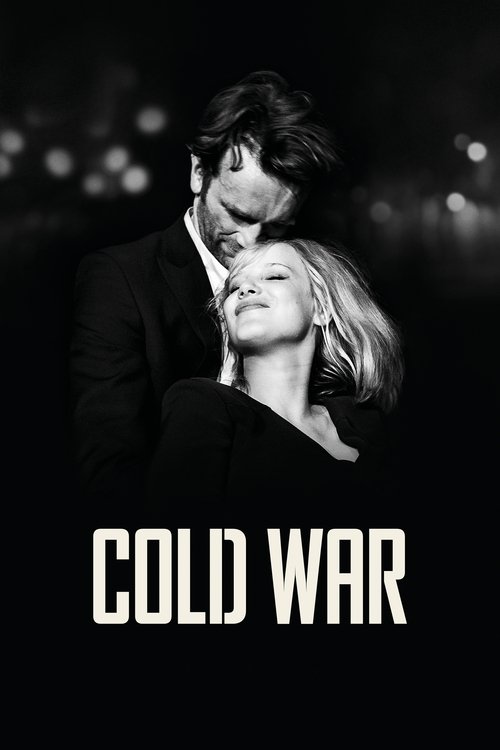
Cold War2018
Another Polish filmmaker, another impossibly beautiful black-and-white romance, this one torn between countries instead of bodies — same ache, same eye for composition.
But Tragic rather than transcendent; it offers heartbreak instead of mystery.
Julieta2016no page yet
Almodóvar's tale of a mother haunted by absence and coincidence has the same saturated colour and interest in women carrying invisible weight through ordinary days.
But More melodrama than mysticism — grounded in plot and guilt rather than the uncanny.
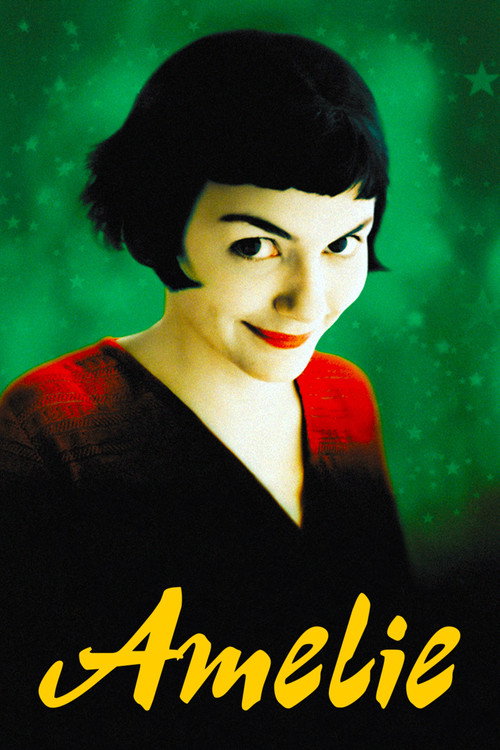
Amélie2001
If you loved the warm, honeyed Paris of Véronique's half, here's the whimsical, fate-obsessed cousin — a city where coincidence feels like magic.
But Far sunnier and more comic, with none of the existential unease underneath.
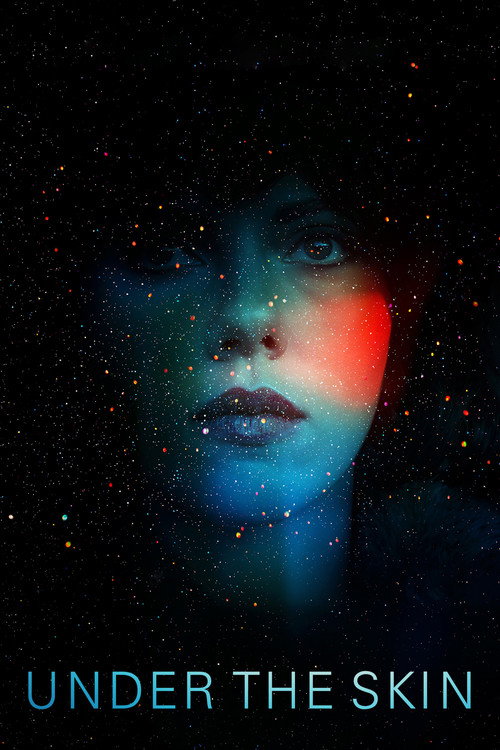
Under the Skin2014
A hypnotic, near-wordless mood piece about a woman who may not be entirely human, drifting through a world she doesn't quite belong to — same trance, different genre.
But Deliberately alienating and at times disturbing; it withholds meaning rather than offering warmth.
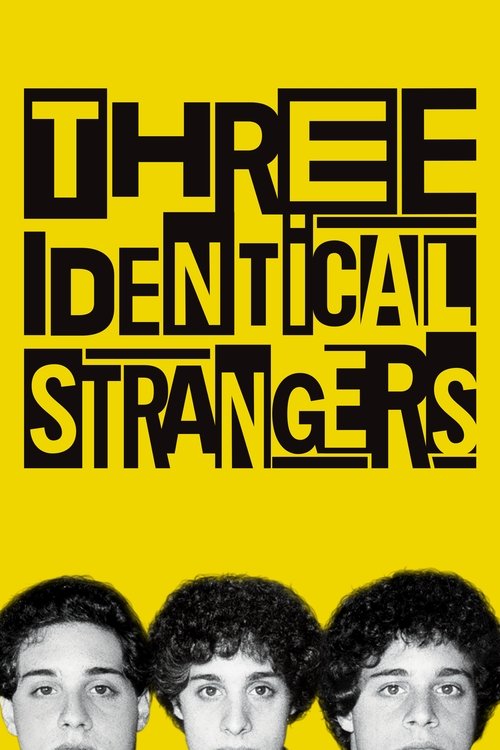
Three Identical Strangers2018
Véronique's intuitive, almost supernatural sense of her double gets a true-story mirror here — proof that the disorientation of finding 'another you' isn't just a Kieślowski invention.
A documentary about triplets separated at birth who stumble into each other by accident — the real-life shock of discovering you have a double, no fiction required.
But Turns dark and troubling in its second half; it's investigative rather than lyrical, and the ending isn't gentle.
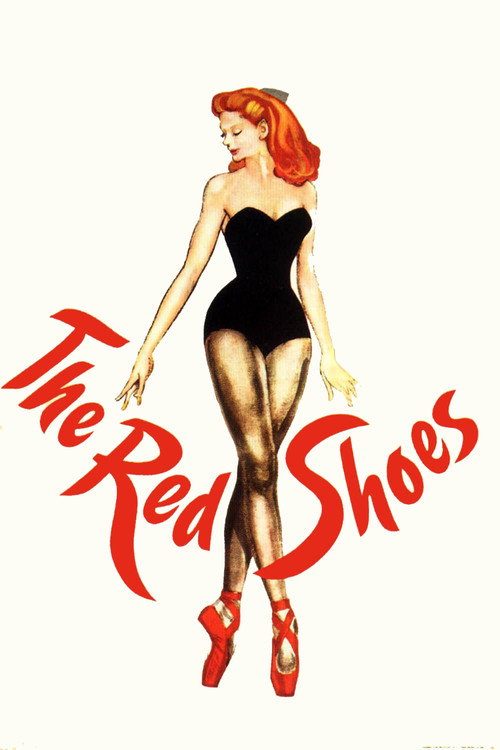
The Red Shoes1948
Both films treat a woman's artistic vocation as something almost mystical, using colour and performance to suggest a fate larger than the character controlling it.
Powell and Pressburger's Technicolor masterpiece about a dancer torn between art and love was a visual influence on Kieślowski himself — saturated colour used as pure emotion, decades before it was fashionable.
But Its melodrama is theatrical and heightened, closer to opera than to Véronique's hushed, ambiguous tone.
People
Cast
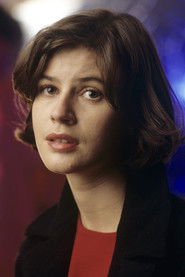 Irène JacobWeronika / Véronique
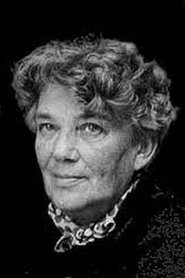 Halina GryglaszewskaAuntie
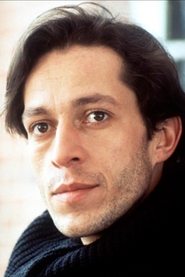 Philippe VolterAlexandre Fabbri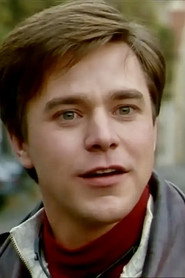
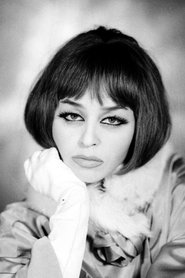 Kalina JędrusikCrazy Woman
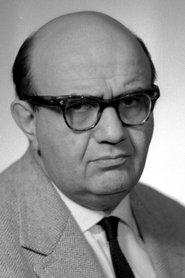 Aleksander BardiniConductor
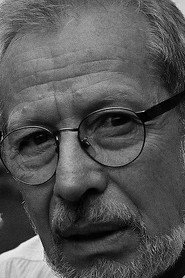 Władysław KowalskiWeronika's Father
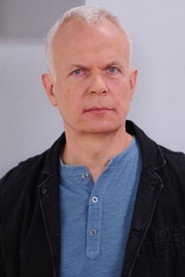 Jerzy GudejkoAntek
- Janusz SterninskiLawyer
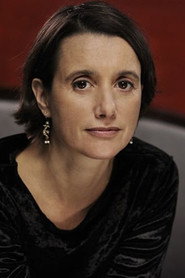 Sandrine DumasCatherine
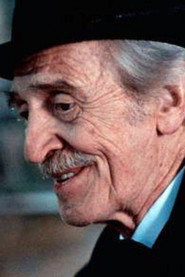 Louis DucreuxProfessor
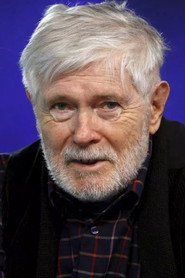 Claude DunetonVéronique's Father
Directing
- Krzysztof KieślowskiDirector
- Christine Raffa-CatonnéScript Supervisor
Writing
- Krzysztof KieślowskiScreenplay
- Krzysztof PiesiewiczWriter
Production
- Caroline CastelainCasting
- Margot CapelierCasting
- Leonardo De La FuenteProducer
Recommended by
Je T'Aime, Je T'Aime, Persona, Sliding Doors, Blind Chance, Enemy, Strangers on a Train