
Film
Impossible Object
A 1973 French-Italian puzzle about a writer entangled in an affair that may or may not be real. Christophe Gans's film fractures narrative itself—memory bleeds into desire, fantasy into fact. It's hypnotic and deliberate, asking you to sit with ambiguity rather than solve it. For viewers who trust cinema to be architecture, not instruction manual.
If you liked this
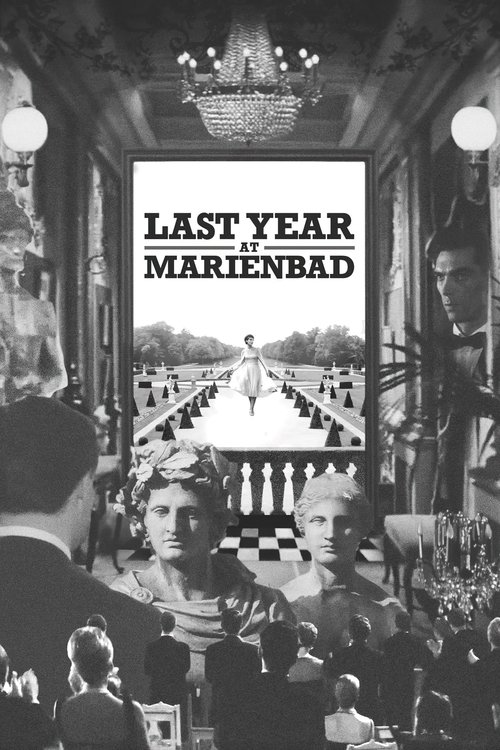
Last Year at Marienbad1961
Alain Resnais's masterpiece about time, memory and seduction; if you loved Impossible Object's refusal to confirm what's real, this is its ancestor. Formally stunning and endlessly interpretable.
But The narrative dissolves entirely. It's a puzzle with no solution, and some viewers find that frustrating rather than liberating.
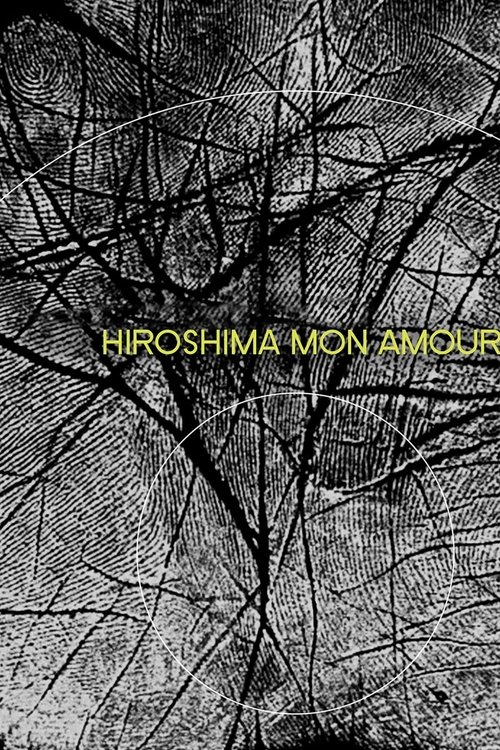
Hiroshima Mon Amour1959
Resnais again, but more accessible—a love affair haunted by the past, built from fragmented memories and recursive conversations. The past and present genuinely blur rather than just seeming to.
But Slow, dialogue-heavy, and emotionally oblique. If you want conventional romantic catharsis, this isn't it.
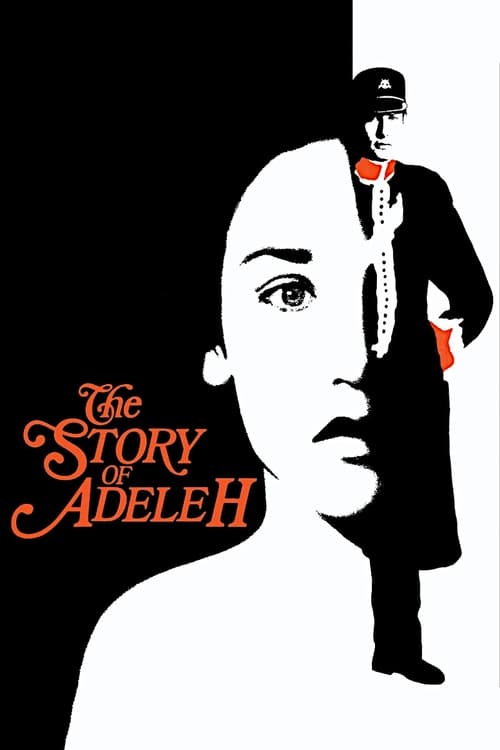
The Story of Adèle H.1975
Isabelle Adjani in Truffaut's portrait of obsession and delusion—a woman constructing a fantasy romance with a man indifferent to her. Devastating because the fantasy feels realer than reality ever could.
But The obsession becomes painful to watch. Adjani's performance is so total it can feel exhausting rather than moving.
Not sure tonight? Get a pick in a minute, starting from Impossible Object
The wildcard
Something you would not have found on your own.
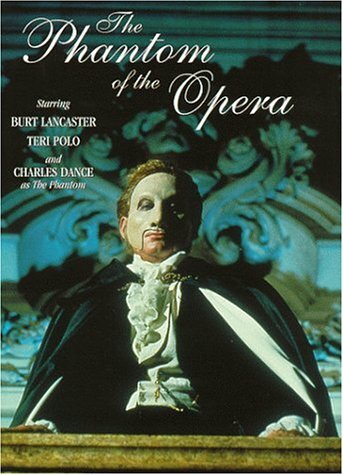
The Phantom of the Opera1990
Both explore how desire creates alternate realities. The Phantom's Christine exists largely in his imagination; Harry's affair may exist entirely in his. Here the artifice is honest about itself.
Bill Nighy in a televised stage production of Lloyd Webber. But this is wildcard not for the singing—for how it literalizes Impossible Object's central metaphor: a man's obsession conjuring a woman from the audience's fantasy.
But It's a stage recording, not a film. The theatrical artifice is the point, but if you hate the musical's register (Gothic melodrama, show-tune earnestness), you'll hate this.
More like this (7)
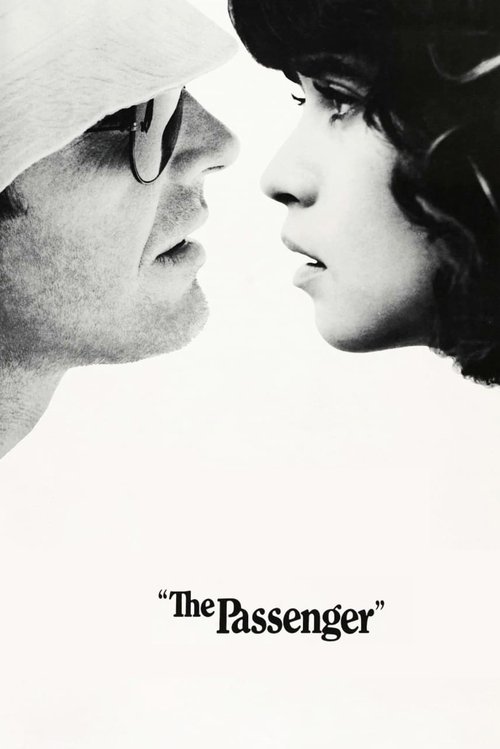
The Passenger1975
Antonioni's supreme meditation on identity and self-deception. A man assumes another man's life and can't tell if he's acting or discovering his true self. Formally restless and morally complex.
But Deliberately paced. Some find Antonioni's rhythms glacial; the 119 minutes may feel like occupation rather than experience.
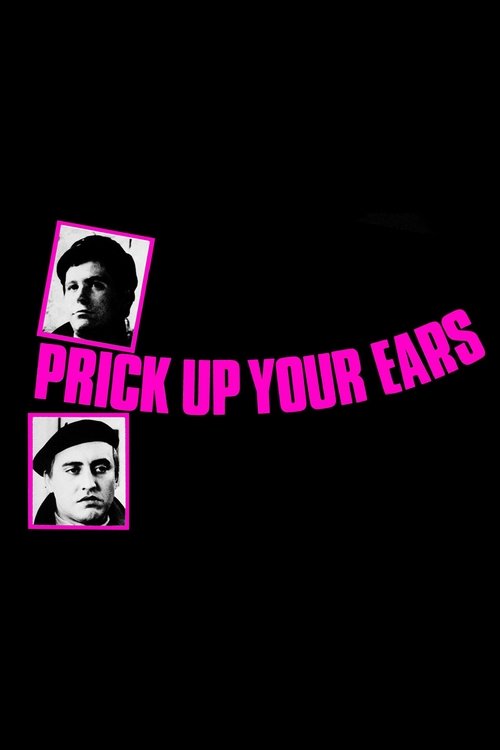
Prick Up Your Ears1987
Alan Bennett's film about Joe Orton and Kenneth Halliwell; uses fragmented chronology and unreliable perspectives to explore how we construct narratives about other people's inner lives.
But The sexual content and violence are stark. The ambiguity about who did what can frustrate viewers seeking moral clarity.
Mulholland Drive2001
Lynch's definitive statement on fantasy versus reality in Hollywood. Easier than it appears on first viewing, but rewards the confusion. Architecture that *feels* like a dream.
But It's a puzzle you can solve, but some prefer not knowing to knowing. The second half can feel like explanatory fan fiction if you crack it.

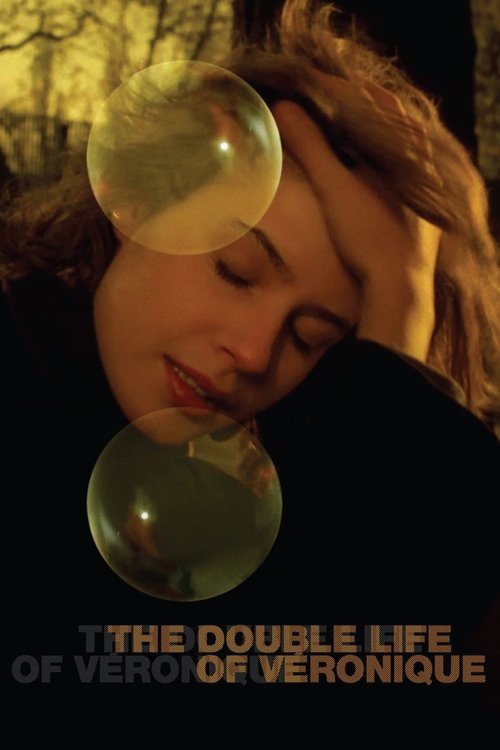
The Double Life of Véronique1991
Kieslowski on coincidence, fate, and how well we truly know anyone. Two women, possibly connected; the film moves through suggestion and symbolism rather than plot. Exquisite.
But Frustratingly oblique. You will not leave with answers, and it never tells you if you need them.
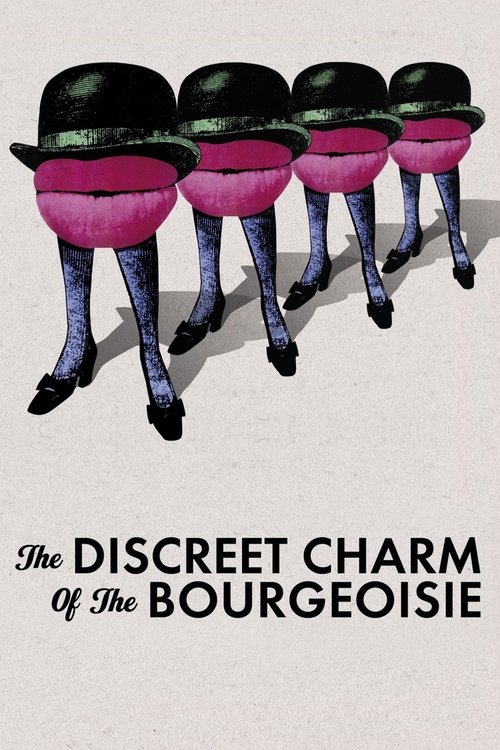
The Discreet Charm of the Bourgeoisie1972
Buñuel's surrealist masterpiece about desire, class, and the things we pretend not to see. It shares Impossible Object's refusal to separate dream from waking, but with savage wit.
But The joke can seem cold. Buñuel loves his characters and loathes them simultaneously; some find that tonal mixture off-putting.
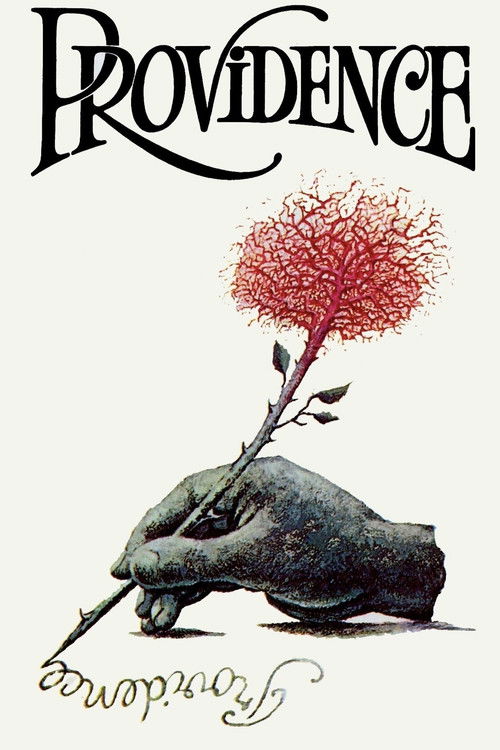
Providence1977
Resnais again, but his most personal and anguished film. A dying writer's fractured memories and resentments reshape themselves as fiction. Formally audacious and deeply, quietly heartbreaking.
But The narrative is wilfully obscure. Viewers hoping for clarity or catharsis should look elsewhere.
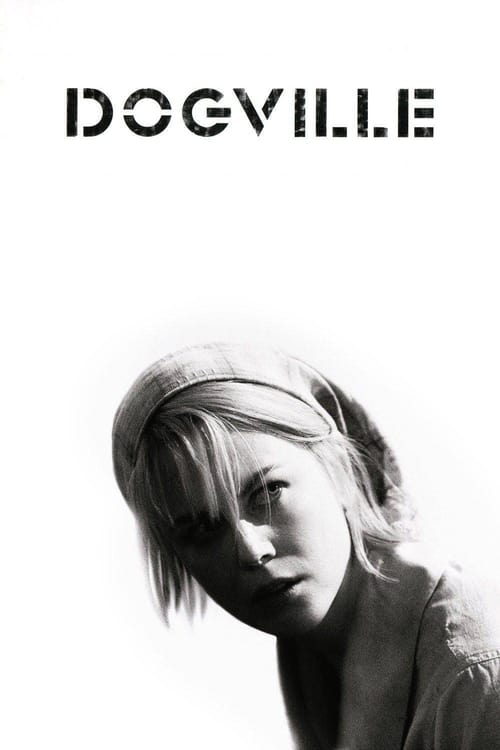
Dogville2003
Both use formal estrangement—the refusal to show reality 'normally'—to expose how fantasy and wish-fulfillment corrupt our treatment of others. Where Harry's fantasy is erotic, the townspeople's is sadistic.
Lars von Trier's radical staging: a town mapped in chalk on a bare stage, reality suspended in allegory. A woman arrives; the townspeople reveal themselves through their fantasies of power. Impossible Object's ambiguity becomes moral horror.
But It's aggressively artificial and punishingly long (178 minutes). The final act is a provocation designed to upset you. Some viewers find its violence philosophically justified; others find it gratuitous.
People
Cast
 Alan BatesHarry
 Dominique SandaNatalie
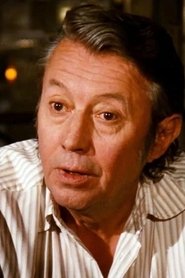 Michel AuclairGeorges
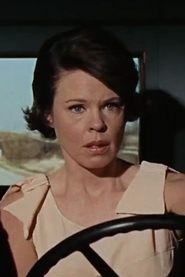 Evans EvansElizabeth
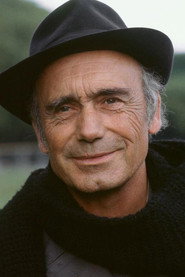 Paul CrauchetThe Plumber
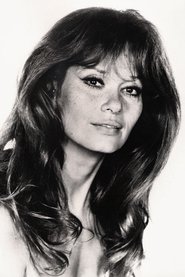 Lea MassariHippolyta
- Sean BuryAdam
 Vernon DobtcheffPrivate Investigator
Directing
- Bernard StoraAssistant Director
- John FrankenheimerDirector
- Lucie LichtigScript Supervisor
Writing
- Nicholas MosleyNovel
- Nicholas MosleyScreenplay
Production
- Robert BradfordExecutive Producer
- Jud KinbergProducer
- Georges VallonProduction Manager
- Lucien LippensUnit Manager
- René FargeasUnit Manager