
Film
The Story of Adèle H.
Truffaut's chamber piece about obsession and erasure: Adèle Hugo, daughter of the famous writer, pursues an indifferent British officer across continents with a tenacity that curdles from romantic into psychologically devastating. Isabelle Adjani is magnetizing—all intensity and self-delusion. Intimate, precise, and quietly cruel.
Should you watch it?
Watch it if you like slow, obsessive portraits of a mind coming apart, where the camera stays close and patient while a single fixation swallows a life.
Skip it if the pace is deliberate and the central figure is hard to warm to, so if you need momentum or a character to root for, this will test your patience.
What it asks of you: Expect a lean runtime of about ninety-eight minutes, with long stretches of repetition and silence and little release from its mounting intensity.
Not sure? Find tonight's pick in a minute.
If you liked this
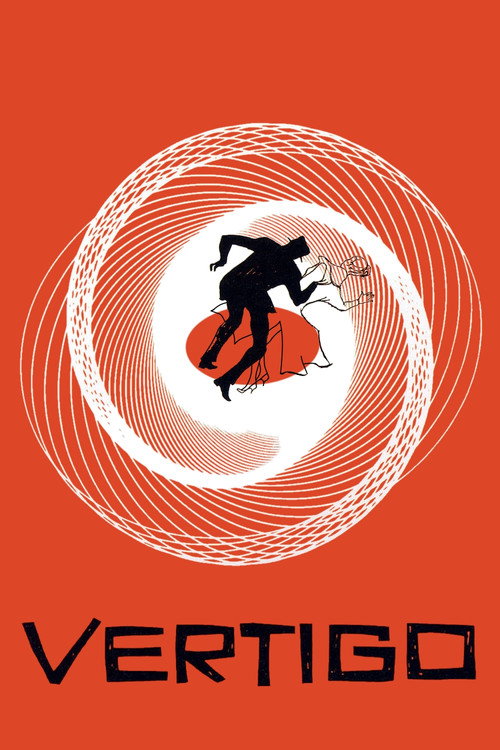
Vertigo1958
Hitchcock's masterwork about a man consumed by an impossible obsession with a woman who doesn't belong to him. Like Adèle H., it's a portrait of someone vanishing into their own fixation, gorgeously lit and morally complicated.
But At three hours it demands patience, and the thriller plot can feel secondary to its psychological texture—some find it slow and indulgent.
Last Year at Marienbad1961
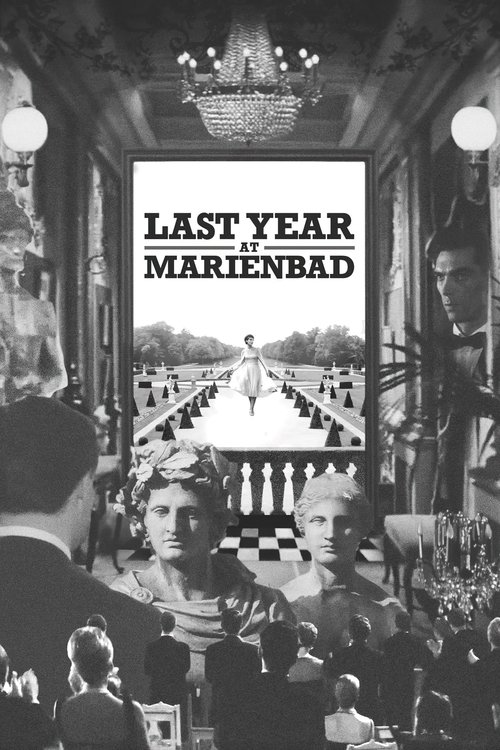
Robbe-Grillet's puzzle-box about a man trying to convince a woman of a shared past she denies. Formally radical and deeply unsettling—it shares Adèle H.'s interest in obsession as a form of reality-warping.
But The narrative refuses to cohere. It's deliberately opaque and can feel like watching someone else's dream that doesn't resolve.
The Passenger1975
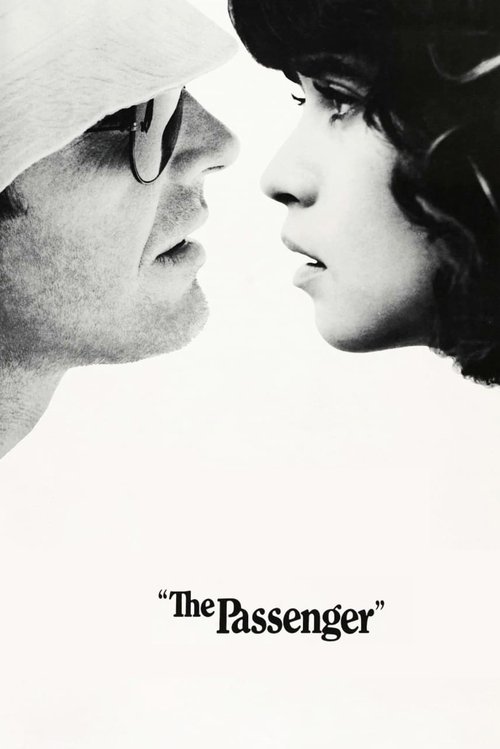
Antonioni's elliptical study of a man unmoored from identity and consequence. Released the same year as Adèle H., it's similarly interested in people coming apart quietly, filmed with glacial precision.
But Very little happens. It's a mood and a visual argument rather than a plot—some viewers find it glacial rather than meditative.
Not sure tonight? Get a pick in a minute, starting from The Story of Adèle H.
The wildcard
Something you would not have found on your own.
The Passion of Joan of Arc1928
Both center on a woman's face and inner world as the entire film; both suggest that absolute certainty can be indistinguishable from destruction.
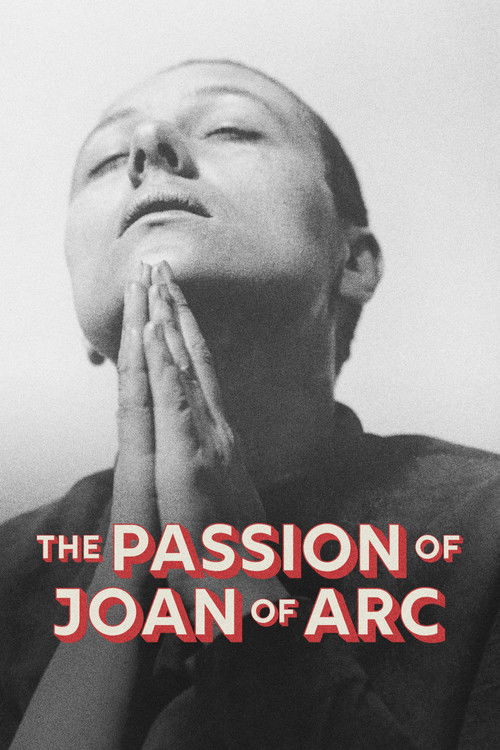
Dreyer's silent film about Joan's trial—not a historical epic but a intimate study of a woman's absolute conviction, shot in extreme closeup on Renée Jeanne Falconetti's face. Both films are about women undone by unshakeable inner certainty, filmed like portraiture.
But It's silent film from the 1920s; the pace and image quality will feel radically strange. Also, at 82 minutes, it's not exactly quick.
More like this (8)
Stalker1979
Tarkovsky explores obsession through a man guiding strangers toward a room that promises truth. It's metaphysical where Adèle H. is intimate, but both are about the consuming power of wanting something unknowable.
But 163 minutes of deliberate pacing. It operates on pure atmosphere and philosophy; if you need conventional plot momentum, this will frustrate you.

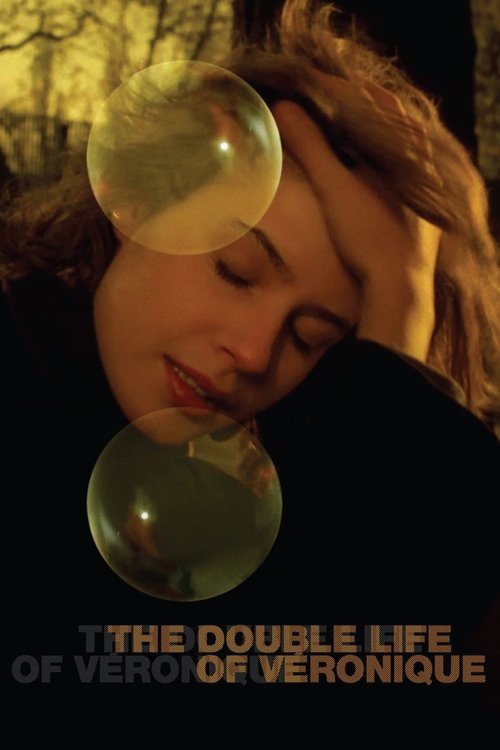
The Double Life of Véronique1991
Kieślowski's film about duality and longing—a woman pursuing a shadow of herself across borders. Like Truffaut's work, it's visually sumptuous and emotionally precise, interested in the spaces between what we know and what we imagine.
But It's oblique and symbolic; meaning lives in suggestion rather than statement. Some find it unnecessarily cryptic.
Possession1981
Zulawski's unhinged two-hander about a marriage imploding, starring Isabelle Adjani in a different register—raw, primal, physical. It captures the same urgency about desire and self-destruction that animates Adèle H.
But It's genuinely grotesque and sexually explicit in ways that can feel exploitative. Also incomprehensibly surreal at moments—some scenes exist in pure nightmare logic.

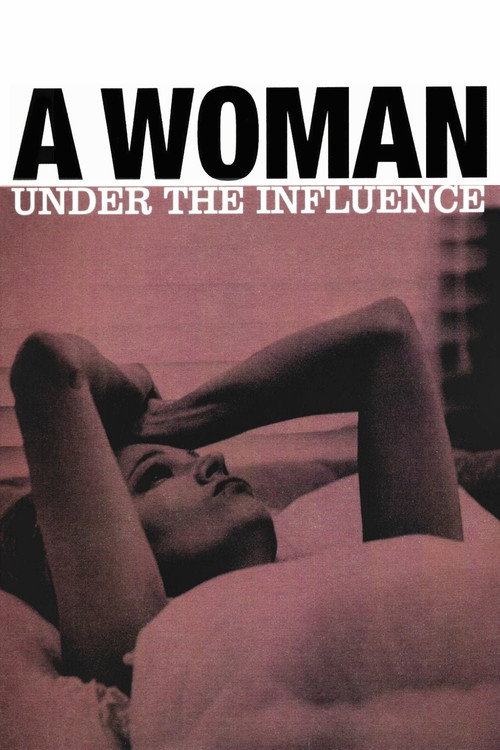
A Woman Under the Influence1974
Cassavetes' intimate portrait of a woman fragmenting under pressure, with Gena Rowlands giving an unshielded performance. Like Adèle H., it's a close study of how obsession and emotional turbulence rewire someone from the inside.
But It's claustrophobic and emotionally exhausting. Cassavetes shoots everything in closeup; there's nowhere to hide, and some find it punishing rather than cathartic.
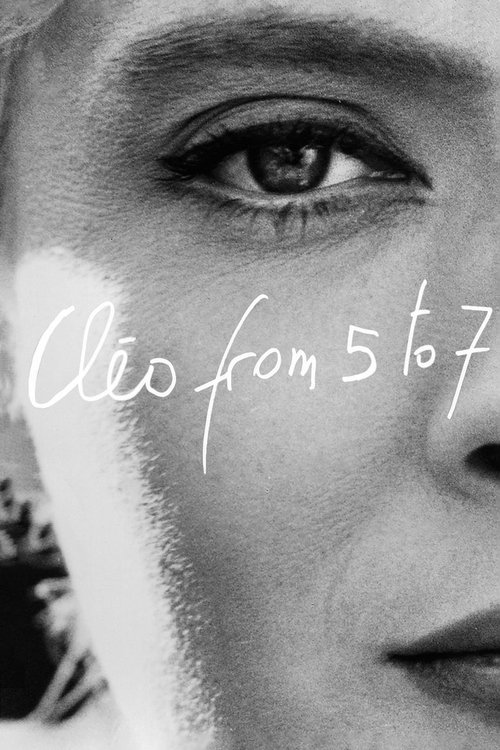
Cléo from 5 to 71962
Varda follows a woman through Paris as she waits for medical results, unraveling gradually. It's French New Wave precision applied to female interiority—temporal, philosophical, and oddly tender about feminine anxiety.
But Almost nothing in the conventional sense occurs. It's a real-time study of waiting and thought; if you want incident, look elsewhere.
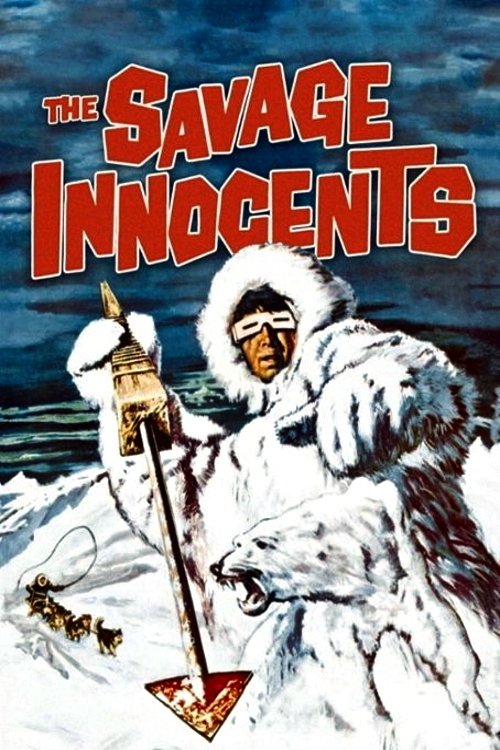
The Savage Innocents1960
Ray's anthropological epic about collision and miscommunication, with Anthony Quinn as an Inuit navigating Western culture. It shares Adèle H.'s interest in people at radical odds with their environment, filmed in stunning VistaVision.
But The film is dated in its cultural assumptions, and at nearly two hours it's leisurely in ways that modern viewers sometimes find tedious.
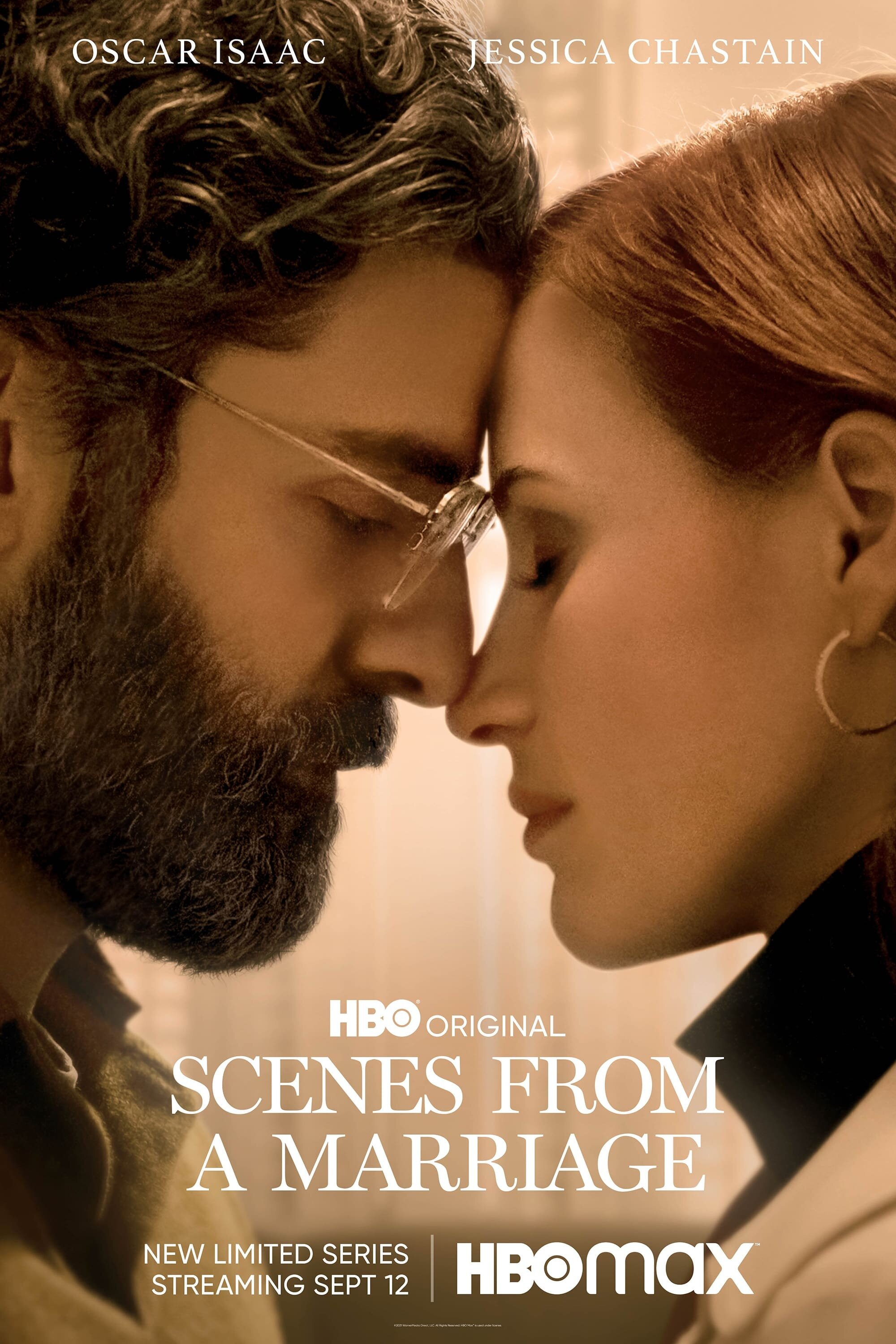
Scenes from a Marriage2021
Both use the close observation of one or two faces as their primary visual and emotional argument; both are about people coming apart in real time.
Bergman's brutal miniseries about a marriage dissolving. Six episodes of raw, unadorned dialogue and closeup acting—Liv Ullmann and Erland Josephson expose themselves completely. It shares Adèle H.'s fascination with emotional specificity and the slow corrosion of self.
But Originally made for Swedish television, it's deliberately small and claustrophobic. The dialogue is sometimes banal in a way that some find boring rather than devastating.
Come and See1985
Both are intensely focused studies of a single consciousness unraveling; both use the camera to make the internal external through sheer visual precision and performance.
Elem Klimov's Belarusian war film about a boy's annihilation—not by violence alone but by witnessing. It shares Adèle H.'s interest in how obsession and isolation can hollow a person, but scales it to catastrophe. A masterpiece about degradation.
But It is among the most harrowing films ever made. The second half is almost unwatchable—graphic violence, cruelty, and spiritual wreckage. Not for the depleted or grieving.

People
Cast
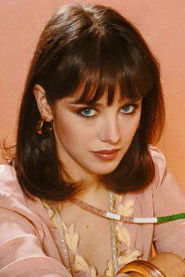 Isabelle AdjaniAdèle Hugo
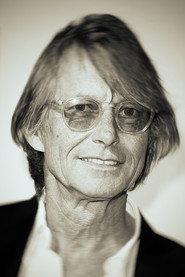 Bruce RobinsonLt. Albert Pinson
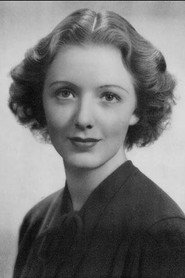 Sylvia MarriottMrs. Saunders
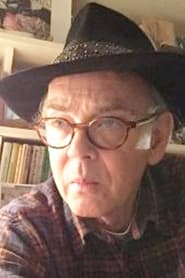 Joseph BlatchleyMr. Whistler
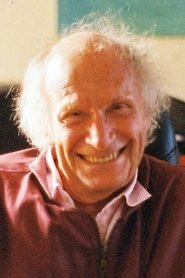 Ivry GitlisHypnotist
- Louise BourdetVictor Hugo's Servant
- Cecil De SausmarezMr. Lenoir
- Ruben DoreyMr. Saunders
- Clive GillinghamKeaton
- Roger MartinDoctor Murdock
- M. WhiteColonel White
- Madame LouiseMadame Baa
Directing
- Suzanne SchiffmanAssistant Director
- François TruffautDirector
- Christine PelléScript Supervisor
- Carl HathwellSecond Assistant Director
Writing
- Adèle HugoBook
- Frances Vernor GuilleCo-Writer
- François TruffautScreenplay
- Jean GruaultScreenplay
- Suzanne SchiffmanScreenplay
Production
- Claude MillerProduction Manager
- Marcel BerbertProduction Manager
- Patrick MilletUnit Manager
- Roland ThénotUnit Manager
Recommended by
Balzac and the Little Chinese Seamstress, The Lover, The Lovers, Les Biches, The Divine Woman, No One Writes to the Colonel, The Cow, Solo Sunny, Loulou, Impossible Object, Dialogues des Carmélites