
Film
Solo Sunny
A portrait of a singer adrift in 1980s East Berlin, caught between the fading promise of a failing band and the ache of romantic disillusionment. *Solo Sunny* watches a woman reckon with her own complicity in a life she didn't choose, mixing performance sequences with intimate scenes of ordinary devastation. Quietly radical for its refusal to console.
If you liked this
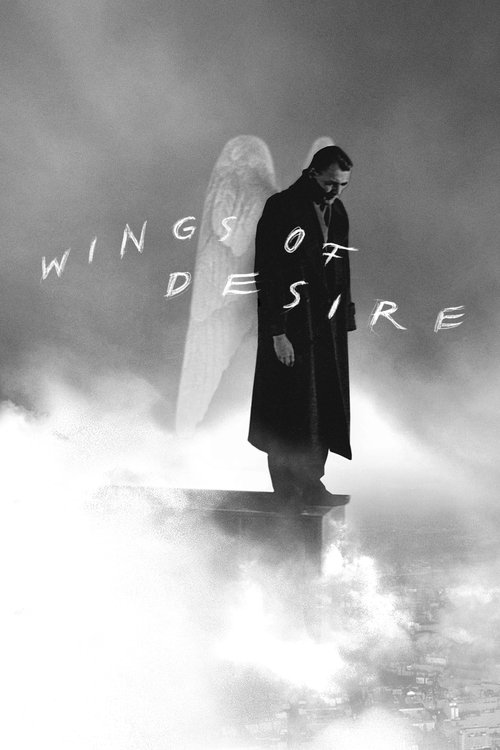
Wings of Desire1987
Wim Wenders' Berlin masterpiece uses music and performance as a language for longing and displacement. A portrait of a city and its dreamers that shares *Solo Sunny's* hunger for transcendence amid rubble.
But Glacially paced and abstract. Long stretches ask patience; some will find it precious rather than profound.
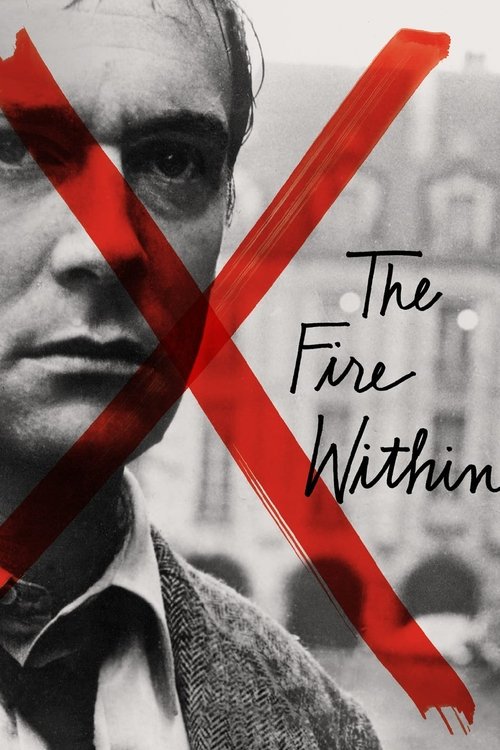
The Fire Within1963
Louis Malle's unflinching study of depression and drift. Like *Solo Sunny*, it refuses easy answers or redemptive arcs, watching someone unmake themselves with devastating clarity.
But Brutal in its specificity. A film about suicide that does not flinch from the monotony preceding it. Genuinely difficult to sit with.
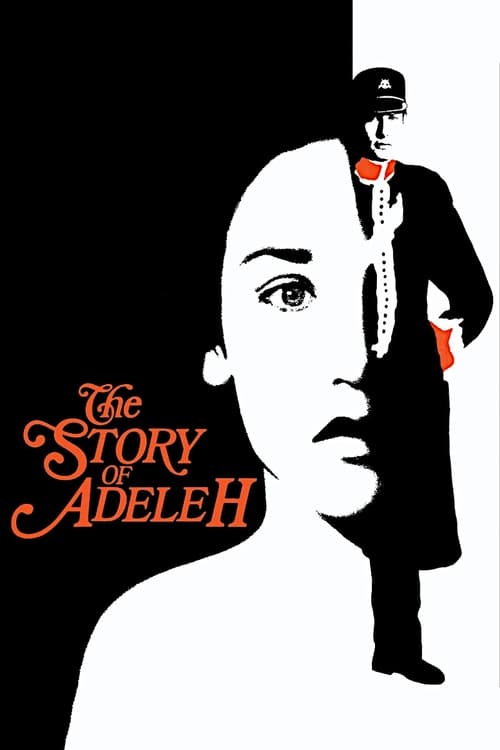
The Story of Adèle H.1975
Truffaut's Isabelle Adjani as a woman consumed by obsession and self-delusion. Like Sunny, Adele cannot distinguish between love and dissolution; the performance is mesmerizing and harrowing.
But Repetitive by design—watching someone spiral can feel like watching the same scene twice. The monotony is the point, but it tests patience.
Not sure tonight? Get a pick in a minute, starting from Solo Sunny
The wildcard
Something you would not have found on your own.
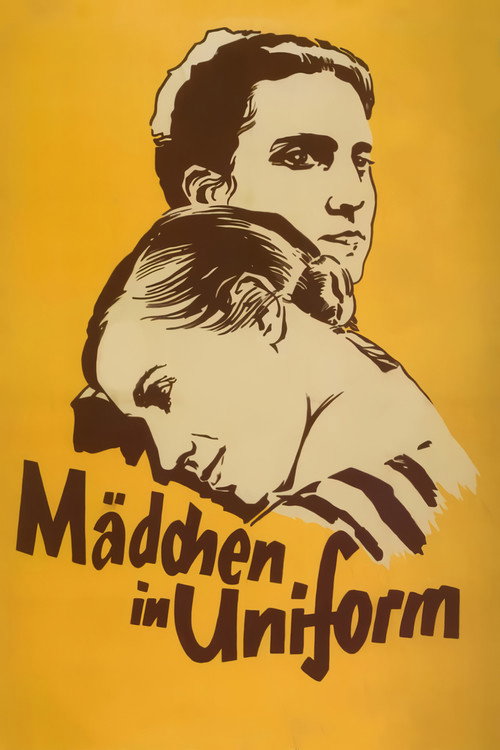
Mädchen in Uniform1931
Both chart a woman's dawning awareness that performing the self the world demands may cost everything. Both are made within systems that constrain what they can say aloud, which makes their silence deafening.
A 1931 German film about a young woman's awakening and alienation in a repressive institution. Shot through with longing and performance—the DNA of *Solo Sunny*'s emotional register. A spiritual ancestor that predates even the DEFA system that made *Solo Sunny* possible.
But The print quality varies; finding a good restoration can be difficult. And the 1931 pacing will test modern viewers used to faster cuts.
More like this (6)
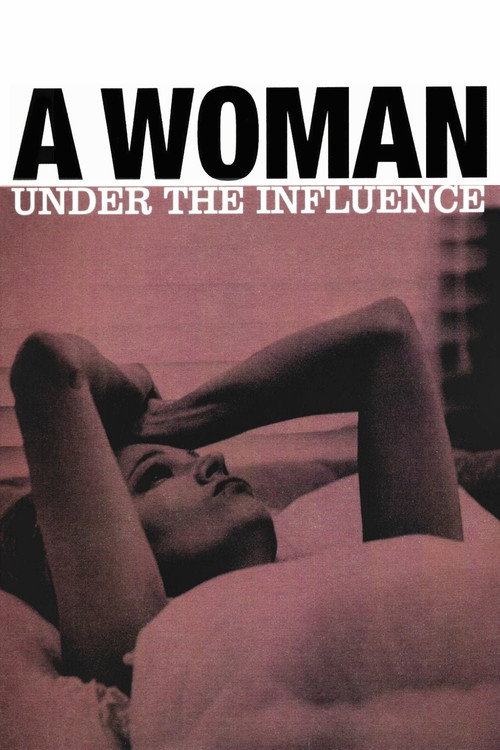
A Woman Under the Influence1974
Cassavetes captures a woman's unraveling with such intimacy you feel complicit in it. The camera stays close enough to count the cracks; like *Solo Sunny*, it refuses to pity or diagnose.
But Gena Rowlands' performance is so raw it becomes uncomfortable. Some find the emotional intensity exhausting rather than cathartic.
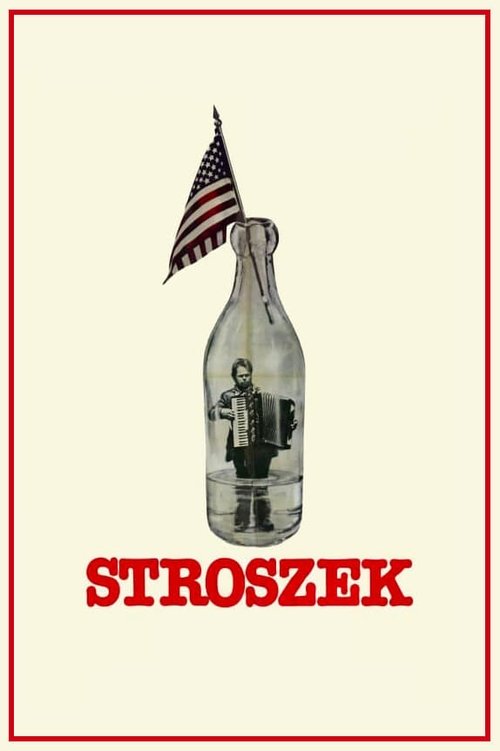
Stroszek1977
Herzog's meditation on displacement and cultural vertigo. A portrait of people trying to belong where they don't fit—the themes are close kin to Sunny's restless alienation.
But Structurally loose and strange. The ice-skating sequences and dancing chickens baffle more than they illuminate for some viewers.
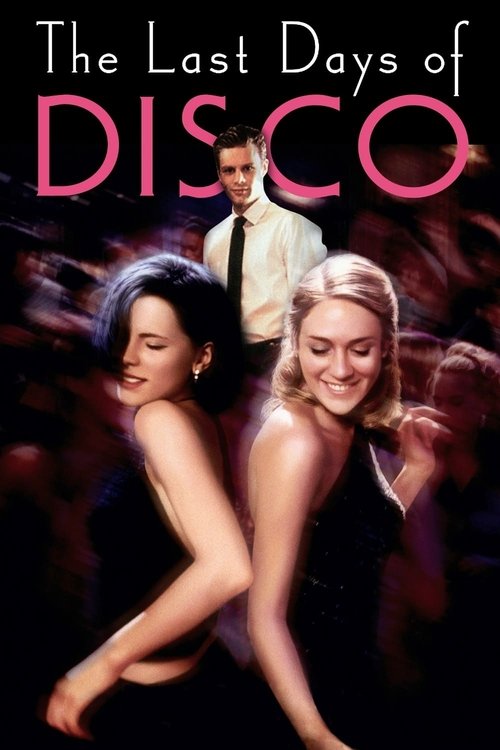
The Last Days of Disco1998
Whit Stillman on the death of a scene and the people who loved it. A film about performance, music, and the moment when a life that felt infinite suddenly has an expiration date.
But Mannered dialogue and a cool remove that some find arch rather than affectionate. The elegance can read as coldness.
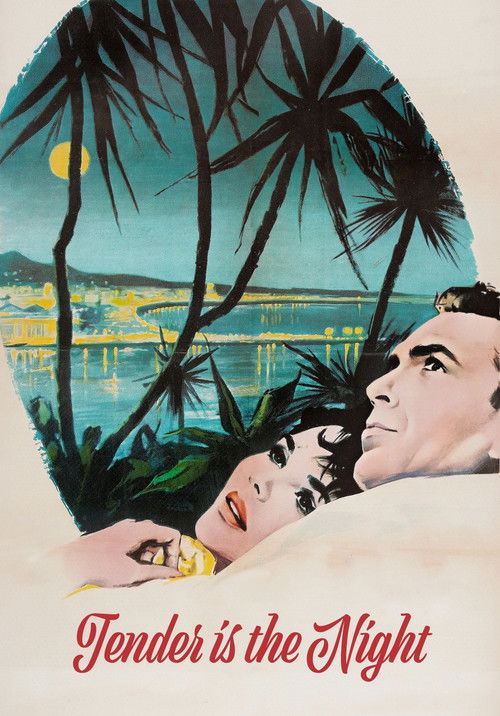
Tender Is the Night1962
A quiet, unbearable portrait of a marriage collapsing in slow motion. The film moves at Sunny's tempo—small gestures accumulate into something devastating.
But Almost nothing happens. Long takes of people sitting. Viewers wanting plot or external conflict will find it punishing.
Poetry2010
Lee Chang-dong's film about an elderly woman finding language late. Like *Solo Sunny*, it's interested in whether art can save you, or whether it's just another way to hide.
But Narrative is subordinate to mood. The payoff is philosophical rather than emotional; some find it distant.

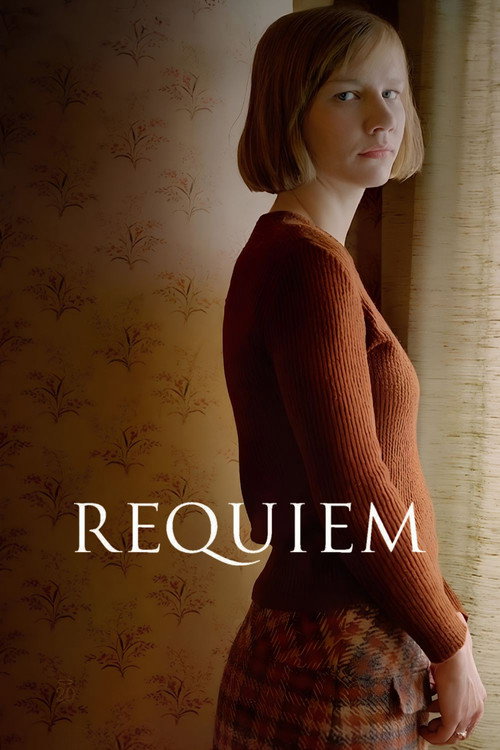
Requiem2006
Both refuse to separate mental and spiritual crisis from social circumstance. Both understand that sometimes there is no recovery arc, only the fact of continuing or not. Both are made by filmmakers willing to sit with that without flinching.
Hans-Christian Schmid's documentary-style drama about a girl whose evangelical faith fractures into mental illness. No music, no band—but the same terrible clarity about a person coming undone while everyone else looks away. Uncomfortable and completely necessary.
But Unbearably bleak. A film about psychosis that doesn't aestheticize it. The handheld camera and drab interiors can feel punitive.
People
Cast
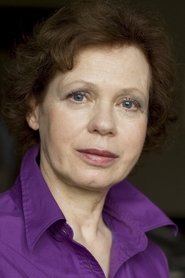 Renate KrößnerIngrid „Sunny“ Sommer
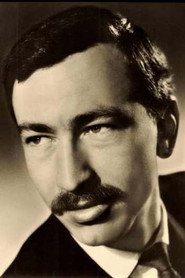 Fred DürenArzt
- Ursula BraunFrau Pfeiffer
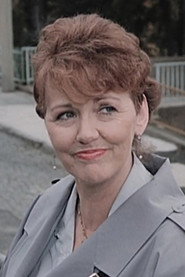 Heide KippChristine
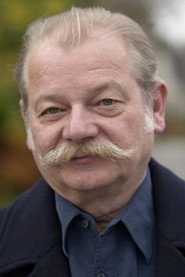 Dieter MontagHarry
- Alexander LangRalph
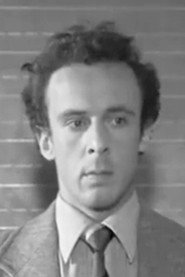 Klaus BraschNorbert
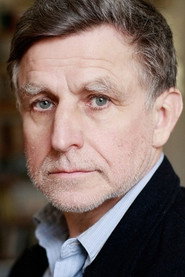 Ulrich AnschützGrafiker
 Johanna SchallNeue
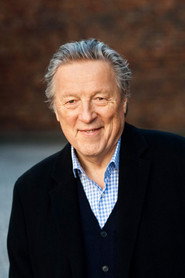 Hansjürgen HürrigHubert
- Olaf MierauUdo
Directing
- Doris BorkmannAssistant Director
- Konrad WolfDirector
- Wolfgang KohlhaaseDirector
Writing
- Konrad WolfWriter
- Wolfgang KohlhaaseWriter
Production
- Harald JahnAssistant Production Manager
- Herbert EhlerProduction Manager
- Werner TeichmannProduction Manager