
Film
Mädchen in Uniform
A 1931 German film about a sensitive girl's awakening at an elite boarding school, where she forms an intense romantic attachment to a sympathetic teacher. It's a tender, quietly revolutionary exploration of desire and identity told with remarkable emotional directness. Essential viewing for anyone interested in cinema history, queer representation, or the roots of modern storytelling.
Should you watch it?
Watch it if you love intense, stage-bound ensemble drama where feeling is carried by faces, glances and a hush in a crowded room, and you don't mind a little melodrama on the way.
Skip it if you need quick plot turns or modern pacing; much of it is talk in rooms, and the early sound and 1930s acting style can feel formal and stagey.
What it asks of you: Short at under ninety minutes, it moves slowly through rooms and rituals, so it rewards sitting still and reading faces rather than chasing story beats.
Not sure? Find tonight's pick in a minute.
If you liked this
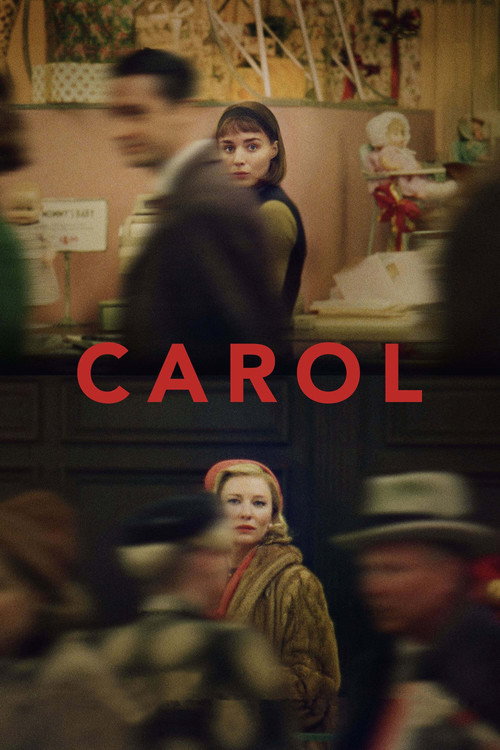
Carol2015
A luminous portrait of forbidden desire between two women in 1950s America. Like Mädchen in Uniform, it finds heartbreak and tenderness in a love that society forbids, with cinematography that makes longing visible.
But The pacing is deliberate and melancholic rather than dramatically propulsive. If you need plot momentum, the quiet restraint might test your patience.
The Hunger1983
A Sapphic vampire film that marries eroticism with genuine emotional weight. It shares Mädchen's interest in the erotic intensity of female desire without apology or shame, but in a very different register.
But It's sexually explicit and viscerally unsettling. The mood is fever-dream gothic, not the austere elegance of the 1931 original.

Portrait of a Lady on Fire2019
A French film about an artist painting a reluctant noblewoman, where intimacy blooms through proximity and attention. It has the same quiet intensity as Mädchen, the same sense of desire as education and revelation.
But Very little happens plot-wise. The entire film lives in glances, silences, and the texture of looking. Some find that glacial.

Not sure tonight? Get a pick in a minute, starting from Mädchen in Uniform
The wildcard
Something you would not have found on your own.
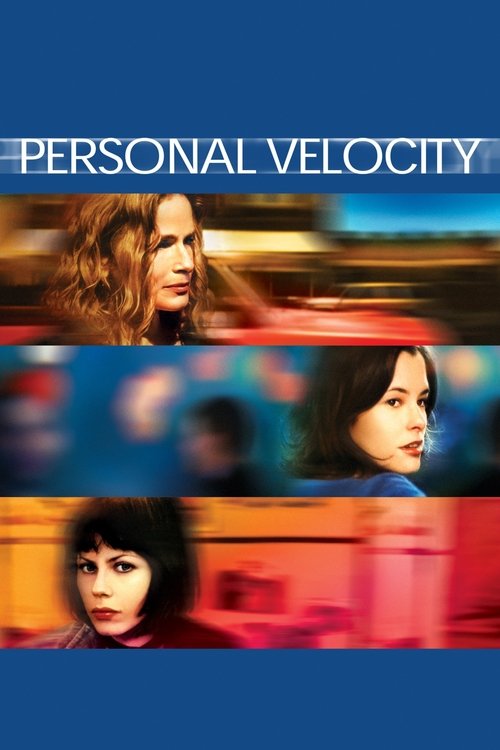
Personal Velocity2002
Both films believe that a woman's interior life—her longing, her self-awareness, her capacity to change—is the entire story. Both use formal rigor to make that visible.
Three interlocking novellas about women in crisis, told through a visual language that prizes close observation and psychological texture over plot. Like Mädchen, it trusts the camera to catch moments of self-discovery through relationships—but here told with documentary-like immediacy.
But It's fragmented and deliberately unglamorous. The aesthetic is handheld and rough, which some mistake for unfinished. No conventional narrative satisfaction.
More like this (7)
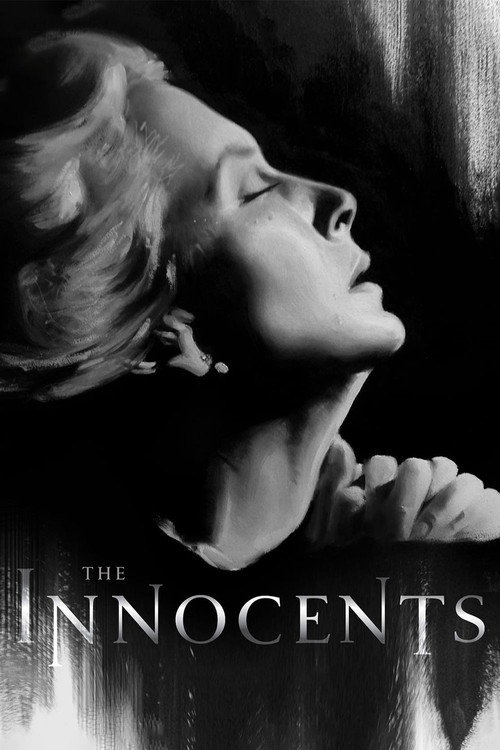
The Innocents1961
A Gothic psychological drama set in an English manor where a governess becomes entangled with her charges. It captures the same claustrophobic intensity and ambiguity about what is real versus imagined.
But It's genuinely unsettling and deliberately opaque. The film withholds answers about its own story, which frustrated audiences then and does now.
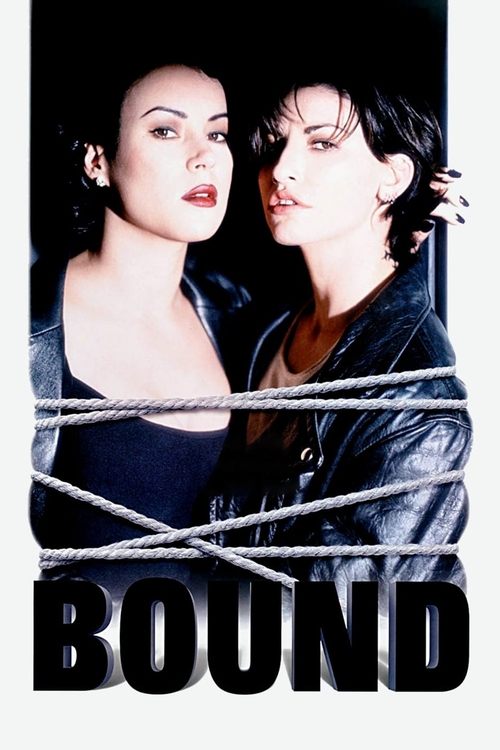
Bound1996
The Wachowskis' debut is a noir thriller about two women and a dangerous secret. It channels the forbidden-desire energy of Mädchen but through the grammar of crime film—seductive, stylish, unapologetic.
But It's a genre exercise first, character study second. If you want emotional subtlety over pulp momentum, it's too busy plotting.
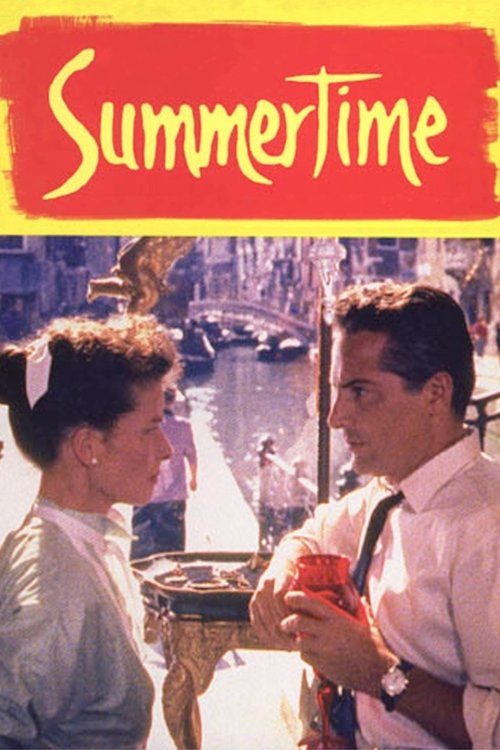
Summertime1955
Visconti's Italian film about a woman's brief romance in Venice. Like Mädchen, it's about the ache of a love that cannot last, rendered with painterly attention to atmosphere and the eroticism of surfaces.
But It's paced like a memory, not a narrative. Long stretches have almost no plot. The film asks you to luxuriate, not follow.
Cléo from 5 to 71962
Varda's real-time film follows a woman through Paris, observing how she moves through and is observed by the world. It shares Mädchen's attention to the interiority of female experience and the act of being watched.
But Almost nothing happens. You're watching someone walk around and think. The film trusts that to be enough.

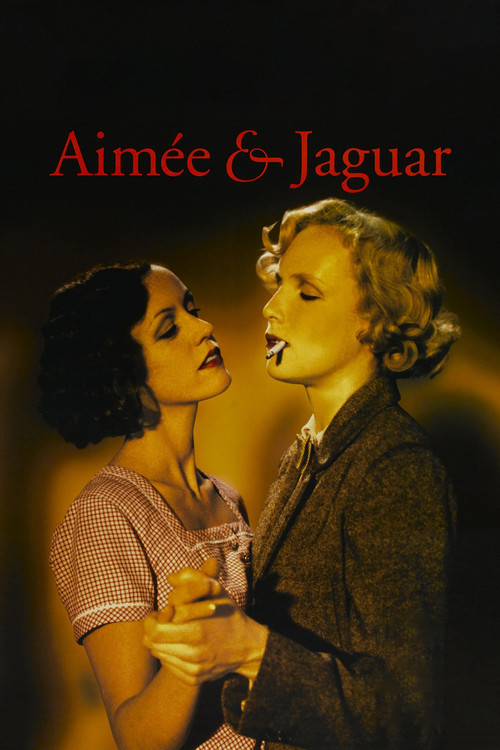
Aimée & Jaguar1999
A German film about two women in Berlin during the Nazi era. It offers historical echo to Mädchen's own moment, exploring how desire persists and becomes an act of resistance under totalitarianism.
But It handles wartime tragedy as backdrop rather than focus. Some find the romantic emphasis tone-deaf to the historical horror surrounding it.
Chungking Express1994
Both are about the disorientation of suddenly seeing another person clearly, and how that seeing unmakes you. Both render desire as a kind of fever that rewrites your sense of who you are.
Wong Kar-wai's Hong Kong film about two cops and two women, told in fractured time and neon-soaked passages of mood. It captures Mädchen's sense of desire as intoxication and estrangement, but through colour, music, and metropolitan velocity instead of institutional confinement.
But The plot barely exists. It's a film of feelings and aesthetics, not events. The fragmented structure can feel like watching someone's mood board rather than a story.

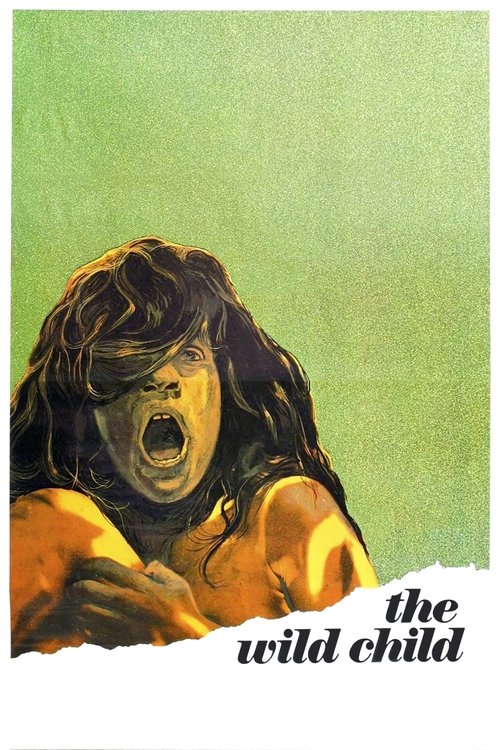
The Wild Child1970
Both films believe that education is an erotic act—that bringing someone into knowledge of themselves and the world is inseparable from desire, power, and mutual transformation. Both treat that seriously without shame.
Truffaut's film about a wild boy brought into civilization and education by a patient teacher. It's Mädchen inverted: the student here is inarticulate, the teacher is trying to build consciousness itself. Same structure of awakening through relationship, but from the inverse angle.
But It's a film from 1970 about 18th-century pedagogy. Some find it slow and overly invested in process. The lack of dialogue in the first half alienates viewers used to talking.
People
Cast
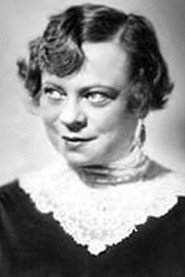 Emilia UndaHeadmistress of the Boarding School
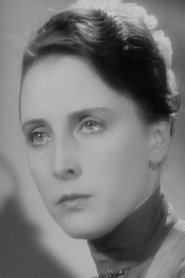 Dorothea WieckMiss von Bernburg
- Hedwig SchlichterMiss von Kesten
 Hertha ThieleManuela von Meinhardis
 Ellen SchwannekeIlse von Westhagen
 Annemarie von RochhausenEdelgard Komtesse von Mengsberg (uncredited)
- Erika BiebrachLilli von Kattner (uncredited)
- Lene BerdoltFräulein von Gaerschner (uncredited)
- Margory BodkerMiss Evans (uncredited)
- Gertrud de LalskyExzellenz von Ehrenhardt - Manuelas Tante (uncredited)
- Else EhserGardrobiere Elise (uncredited)
- Marte HeinAnstaltsprotektorin (uncredited)
Directing
- Carl FroelichDirector
- Leontine SaganDirector
Writing
- Christa WinsloeScreenplay
- Friedrich DammannScreenplay
- Christa WinsloeTheatre Play
Production
- Carl FroelichProducer
- Frank WisbarProduction Supervisor
- Walter SupperProduction Supervisor
- Hugo FroelichUnit Production Manager
Recommended by
Ammonite, Before Stonewall, Nasty Habits, Vessel of Wrath, Gun Girls, Solo Sunny, Emmanuelle, Three Smart Girls Grow Up