
Film
Vessel of Wrath
A 1938 British comedy-drama where a disreputable drunk and a prim missionary are forced together during a cholera crisis in the East Indies. Laughton and Lanchester spark magnificently as opposites navigating duty, desire, and redemption. It's warm, funny, and surprisingly tender—a film that trusts its audience to find humanity in unlikely people.
If you liked this
It Happened One Night1934
The template for screwball romance: two people who shouldn't work forced into proximity, bickering their way toward genuine feeling. Claudette Colbert and Clark Gable have that same electric friction Laughton and Lanchester do.
But Gable's romantic lead work can feel dated compared to the sharper comedic writing. The pacing occasionally drags in the middle sections.

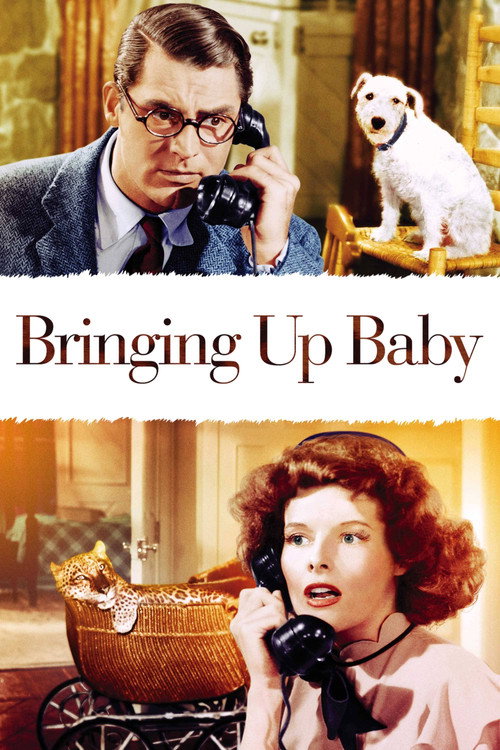
Bringing Up Baby1938
Released the same year as Vessel of Wrath, Hawks' screwball masterpiece has that same anarchic energy and mismatched-couple chemistry. Cary Grant and Katharine Hepburn demolish social pretense with laughter and chaos.
But The humor is relentless and sometimes verges on slapstick; there's almost no quiet moments to breathe or reflect.
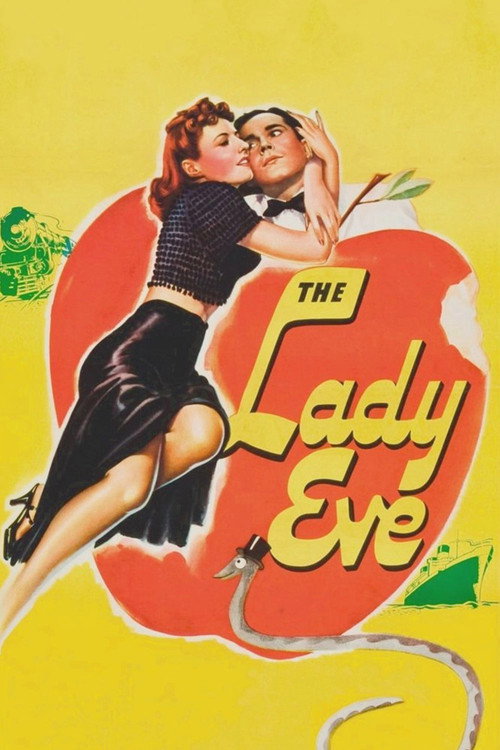
The Lady Eve1941
Preston Sturges at peak form: con artist Barbara Stanwyck and uptight Henry Fonda have the same push-pull as Laughton and Lanchester. Wickedly funny but grounded in real affection beneath the deception.
But The plot pivots sharply halfway through; some find the tonal shift jarring rather than clever.
Not sure tonight? Get a pick in a minute, starting from Vessel of Wrath
The wildcard
Something you would not have found on your own.
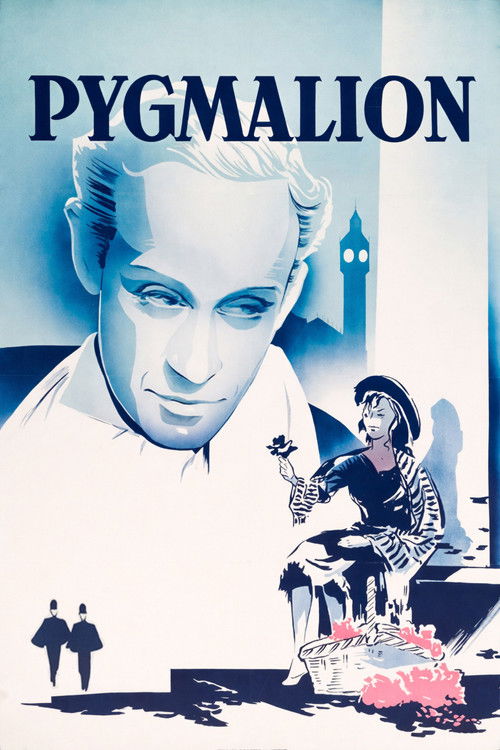
Pygmalion1938
Both explore how unlikely people civilize each other through proximity and affection rather than moral instruction. Both suggest love is a kind of transformation, for better and worse.
Shaw's play, directed by Anthony Asquith and Shaw himself. Wendy Hiller and Leslie Howard navigate class transformation and linguistic rebirth. It has Vessel of Wrath's fascination with how people change each other, but inverts it: refinement as the prize rather than the obstacle.
But Shaw is didactic and philosophical; the romance is secondary to the ideas. Long stretches are pure dialogue—no action, just argument.
More like this (8)
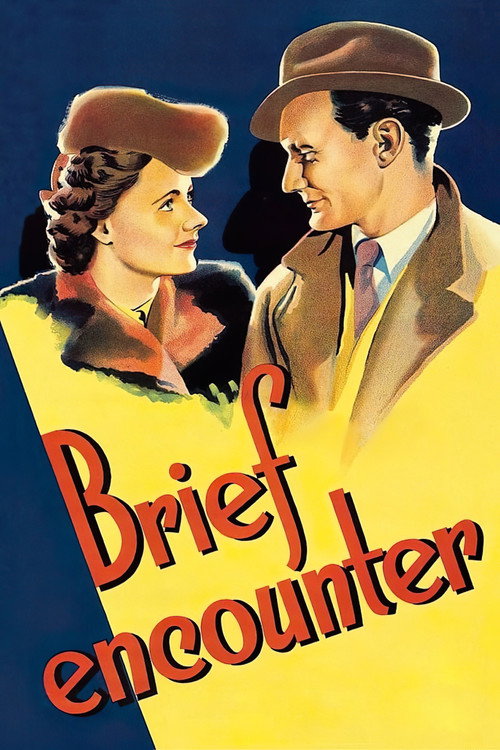
Brief Encounter1945
Coward's masterpiece about ordinary people caught between duty and desire. Like Vessel of Wrath, it finds deep emotion in constraint and propriety—Celia Johnson and Trevor Howard's restraint makes every glance matter.
But It's melancholic and fatalistic, almost the opposite of comedy. If you want lightness, this will disappoint you.
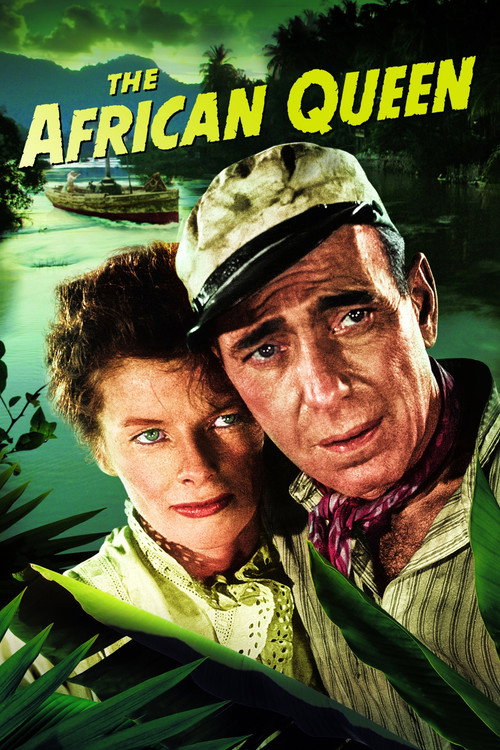
The African Queen1952
Humphrey Bogart and Katharine Hepburn navigate a river and their clashing natures—missionary meets cynic, repression meets wildness. It has Vessel of Wrath's colonial setting and similar romantic alchemy.
But Bogart's drunk act occasionally veers into caricature. The film's attitudes toward colonialism and indigenous people haven't aged well.
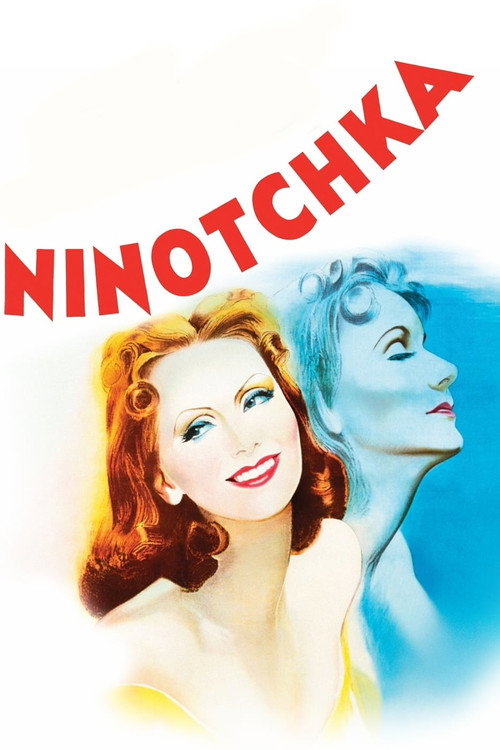
Ninotchka1939
Greta Garbo as a rigid Soviet agent thawed by Melvyn Douglas's charm and Paris. Another film about ideological opposites discovering each other—earnest without being preachy, funny without losing sincerity.
But The political satire feels light-handed by modern standards. Cold War romance comedy can feel slight in hindsight.
The Egg and I1947
Claudette Colbert and Fred MacMurray as city sophisticate and backwoods farmer learning to live together. Same DNA as Vessel of Wrath: class clash, fish-out-of-water comedy, genuine warmth underneath the sparring.
But It's genteel and cozy almost to the point of blandness. There's not much bite to it.

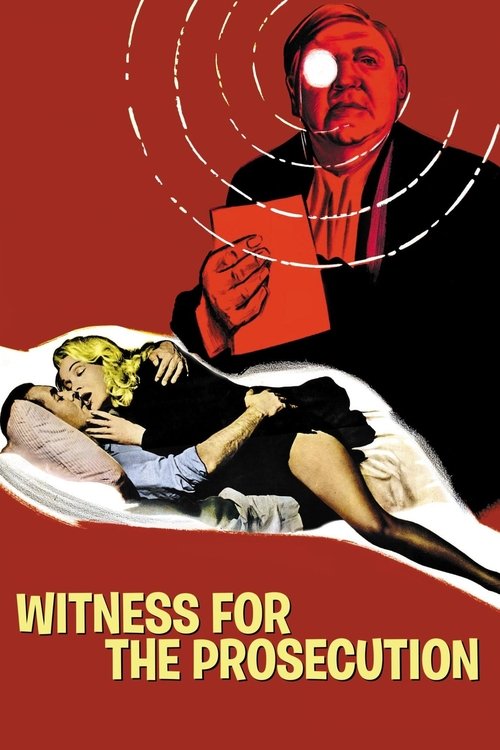
Witness for the Prosecution1957
Laughton's final film—he's brilliant as a brilliant, cranky barrister. If you loved his energy in Vessel of Wrath, seeing him command a courtroom with the same mischievous intelligence is essential.
But It's a courtroom drama, not a romantic comedy. The tone is entirely different from what drew you to the first film.
The Philadelphia Story1940
Stewart, Grant, and Hepburn in Cukor's luminous exploration of class, propriety, and passion. High society instead of colonial outposts, but the theme is identical: breaking through pretense to find real connection.
But It's glossy and aristocratic; some find it weightless. The gender politics are conventional even for its era.

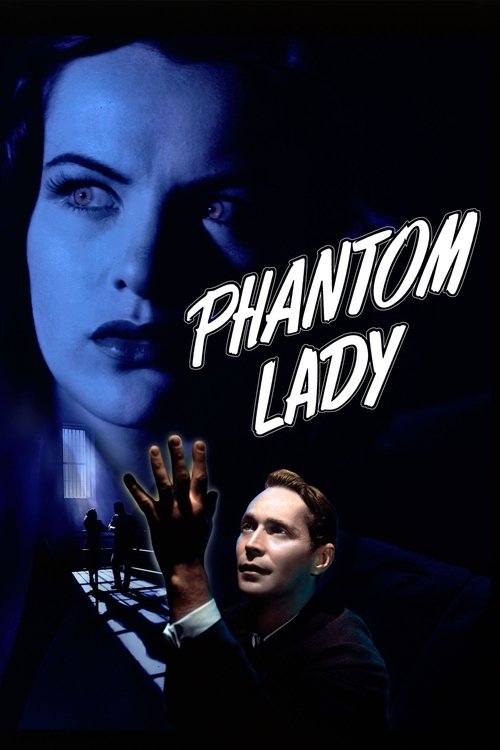
Phantom Lady1944
Both films are fascinated by how crisis strips away pretense and allows two people to see each other clearly. Both use setting as a kind of trap that forces intimacy.
Robert Siodmak's noir thriller with Ella Raines and Franchot Tone. Atmosphere, sexual tension, and dark psychology instead of comedy—but it has the same fascination with desire overriding social propriety, with marginal people discovering connection in crisis.
But It's a murder mystery, not a romance. Bleak, strange, and sometimes lurid; nothing like Vessel of Wrath's warmth.
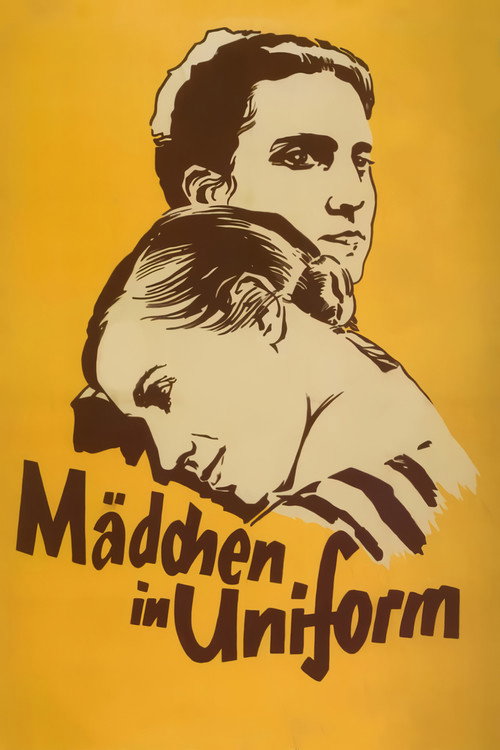
Mädchen in Uniform1931
Both films understand that the gap between what society demands and what people actually feel is where real drama lives. Both treat desire as inevitable and human, not as a plot complication to resolve.
German expressionist drama about a schoolgirl's awakening affection for her teacher in a repressive boarding school. Entirely serious and sometimes tragic, but it has Vessel of Wrath's understanding that emotion doesn't obey authority or propriety, and that confinement can paradoxically create connection.
But It's about same-sex affection and institutional rigidity. Bleak, restrained, and sorrowful—the opposite of light entertainment.
People
Cast
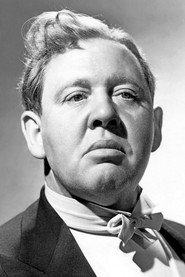 Charles LaughtonGinger Ted
 Elsa LanchesterMartha Jones
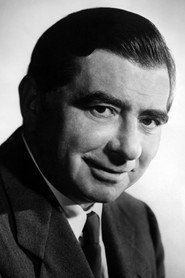 Robert NewtonThe Controleur
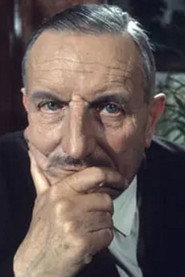 Tyrone GuthrieDr Owen Jones
 Eliot MakehamThe Native Head Clerk

- D.A. WardAlbert
- J. SolomonSgt. Henrik
Directing
- Erich PommerDirector
Writing
- Bartlett CormackScreenplay
- W. Somerset MaughamStory
Production
- Charles LaughtonProducer
- Erich PommerProducer