
Film
Pygmalion
George Bernard Shaw wrote this screenplay himself, and it shows: the wit is sharper, the class satire more bitter, and the ending far less tidy than the musical that followed it. Wendy Hiller's Eliza is spiky and self-possessed from the start, not just a lump of clay for Higgins to shape. It's a comedy with real teeth, for anyone who wants Shaw before the sugar got added.
If you liked this
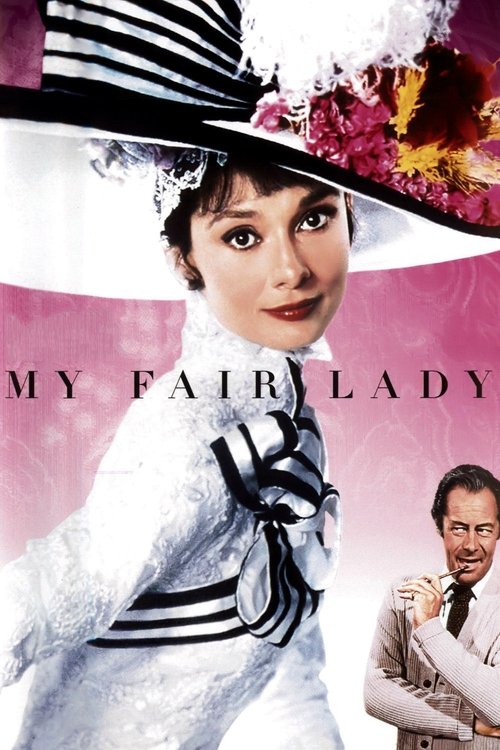
My Fair Lady1964
The musical Pygmalion became, with the same bones, gorgeous colour, Rex Harrison reprising Higgins, and songs that somehow make the class anger go down easier without losing all of it.
But Three hours long, and the ending softens Shaw's ambiguity into something closer to romance, which purists resent.
Educating Rita1983no page yet
Willy Russell strips the story to two people and a bare Open University tutorial, and Julie Walters is extraordinary as the woman who reshapes herself and then has to ask what's left of her.
But Talkier and smaller in scope than Pygmalion; the class politics are British-specific and dated to the early eighties.
Born Yesterday1950no page yet
Judy Holliday won an Oscar playing a supposedly dim showgirl who gets tutored into sophistication and, in the process, out-thinks everyone in the room. Same bet, same satisfying reversal.
But The gangster-boyfriend subplot dates it, and the satire aims at postwar American politics rather than class.
The wildcard
Something you would not have found on your own.
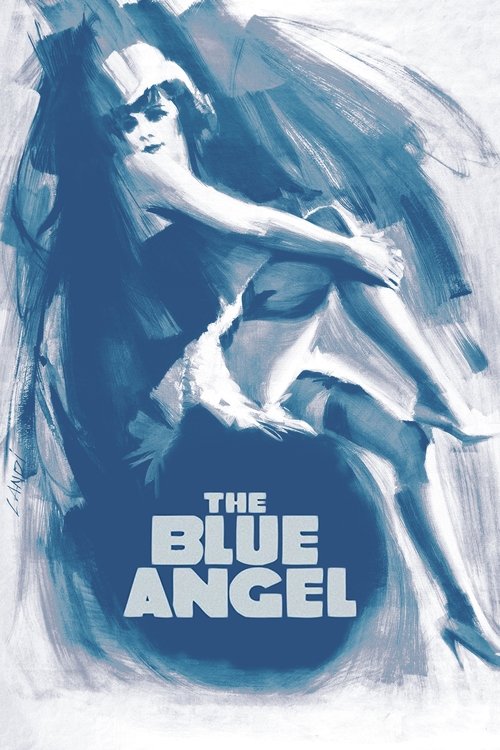
The Blue Angel1930
Same premise inverted: an academic man tries to shape a working-class woman, and instead of triumph, this shows exactly what happens when the experiment fails and the professor is the one remade.
Marlene Dietrich's cabaret singer doesn't get elevated by a professor's tutoring, she destroys him, scene by humiliating scene, in one of German cinema's great tragedies.
But Bleak, slow, and in German with none of Shaw's comic relief; this is Pygmalion with the joke removed and the cruelty left in.
More like this (8)
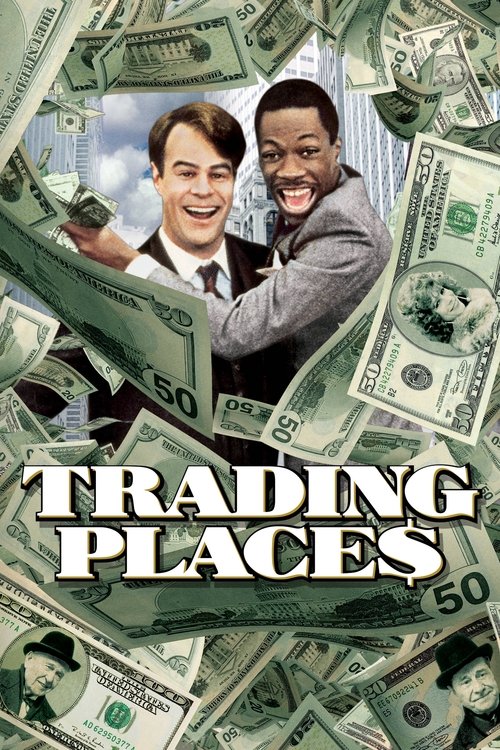
Trading Places1983
Two wealthy brothers make a wager that swaps a street hustler and a blue-blooded broker's lives, testing whether nature or nurture actually built either of them.
But Broader and cruder than Shaw, with eighties gross-out gags that haven't all aged gracefully.
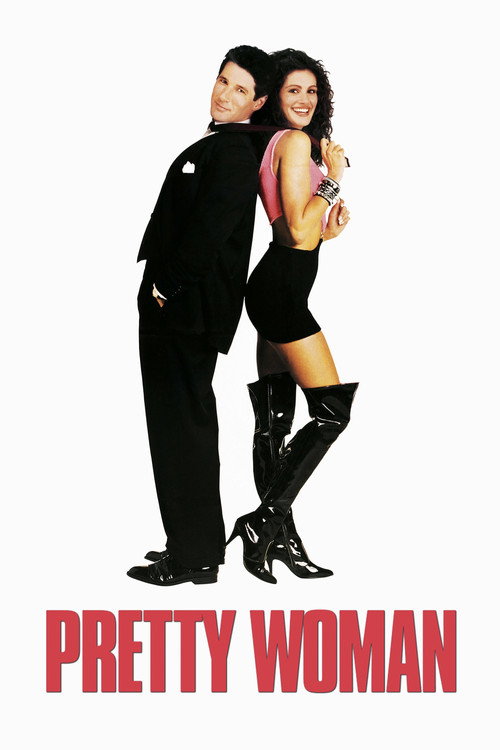
Pretty Woman1990
The Pygmalion bones are barely disguised: a rich man remakes a woman he's paying, and both of them fall for the illusion. Julia Roberts makes it irresistible even when you clock the mechanics.
But Sands off Shaw's discomfort into pure romantic fantasy; the power imbalance is played for warmth, not critique.
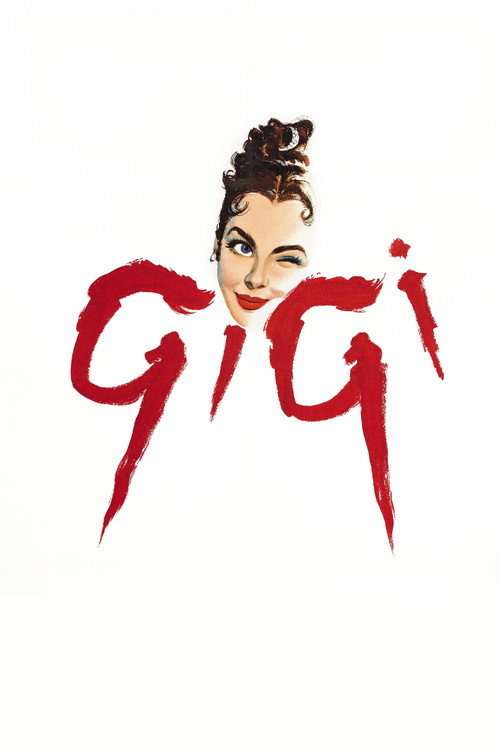
Gigi1958
Another young woman groomed by an older man's household into someone marriageable, done as a lush Lerner and Loewe musical with Paris standing in for Higgins's drawing room.
But The central relationship reads more uncomfortably now than it did to 1958 audiences, and some will find that hard to shake.
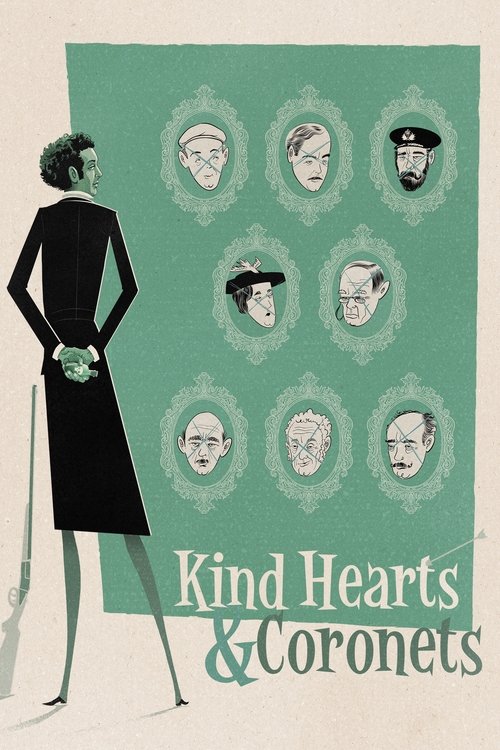
Kind Hearts and Coronets1949
Not a makeover story but the same acid Ealing-era wit about English class, aristocracy and who deserves what, with Alec Guinness playing eight doomed relatives.
But It's a murder comedy with a body count, so the tone is darker and less warm than Shaw's play.
The Importance of Being Earnest1952no page yet
Wilde rather than Shaw, but the same era, the same delight in upper-class English absurdity, and dialogue so quotable you'll want to steal lines immediately.
But Pure farce with no real stakes or transformation arc; if you wanted Eliza's journey, this won't give it to you.
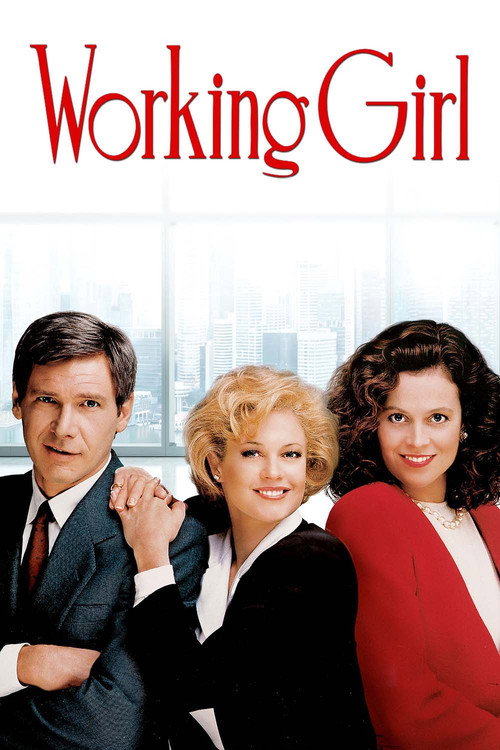
Working Girl1988
A secretary reinvents her voice, wardrobe and manner to be taken seriously in a boardroom that Higgins would recognise instantly, and Melanie Griffith plays the climb with real nerve.
But Very eighties in its shoulder pads and its faith that dressing right solves everything; the romance subplot is thin.
RuPaul's Drag Race2009no page yet
Strip away the Edwardian drawing room and Pygmalion is just this: someone learning to perform a new self under expert coaching, watched by judges deciding if the transformation is convincing or a fraud.
A weekly, unscripted version of Higgins's bet: contestants are coached, dressed, and drilled in how to perform a persona convincingly enough to win, judged the whole way by people deciding if they've pulled it off.
But Reality competition format with camp humour and reused challenges; nothing about it looks like a costume drama, which is rather the point.
Overboard1987no page yet
Flips Pygmalion's class direction entirely: instead of a poor woman schooled upward by a rich man, a rich woman is reshaped downward by a poor one, same bet, opposite snobbery.
A rich, awful woman loses her memory and a working man she once humiliated pretends she's his wife, forcing her through a crash course in ordinary life and, eventually, humility.
But Broad, silly, and morally shakier than Shaw's play if you think about the premise for more than a second.
People
Cast
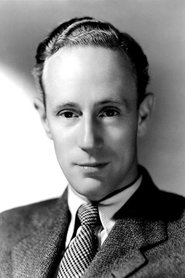 Leslie HowardHenry Higgins
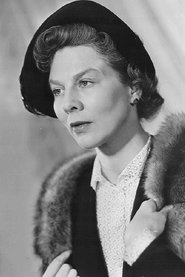 Wendy HillerEliza Doolittle
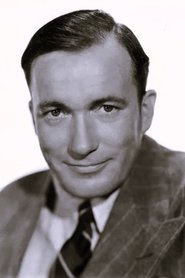 Wilfrid LawsonAlfred Doolittle
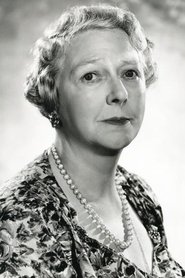 Marie LohrMrs. Higgins
 Scott SunderlandColonel George Pickering
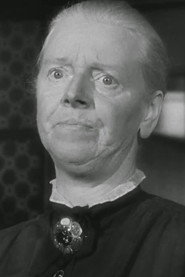 Jean CadellMrs. Pearce
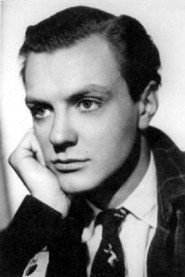 David TreeFreddy Eynsford-Hill
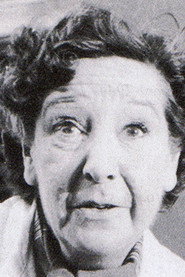 Everley GreggMrs. Eynsford-Hill
 Leueen MacGrathClara Eynsford-Hill
 Esme PercyCount Aristid Karpathy
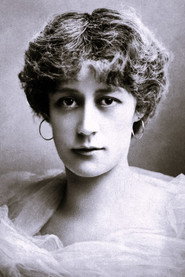 Violet VanbrughAmbassadress
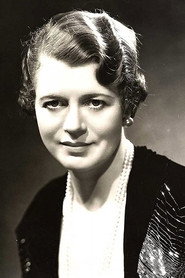 Irene BrowneDuchess
Directing
- Teddy BairdAssistant Director
- Hazel WilkinsonContinuity
- Anthony AsquithDirector
- Leslie HowardDirector
Writing
- George Bernard ShawDialogue
- Cecil LewisScenario Writer
- W.P. LipscombScenario Writer
- George Bernard ShawScreenplay
- Carl MayerScript Consultant
- George Bernard ShawTheatre Play
- Ian DalrympleWriter
Production
- Gabriel PascalProducer
- Phil C. SamuelProduction Manager