
Film
Born Yesterday
- Screwball comedy
- Light-hearted
A dizzy ex-showgirl is hired as arm candy by a vulgar junkyard magnate in 1950s Washington, then falls for the journalist tasked with teaching her to be less embarrassing. Judy Holliday is radiant—ferocious, funny, and unexpectedly shrewd—and the film moves with such pleasure and ease that you forget it's actually about the corrupting power of money and stupidity as political strategy.
Should you watch it?
Watch it if you enjoy sharp, talky screwball comedy where a blunt-spoken outsider squares off against pompous men and the wit carries the scenes.
Skip it if you want restrained, naturalistic acting, since the leads play big and the stagy pace can feel dated next to modern comedy.
What it asks of you: A brisk hundred-odd minutes of rapid-fire dialogue, with little physical action and a light touch on its political satire; it rewards close listening more than a passive glance.
Not sure? Find tonight's pick in a minute.
If you liked this
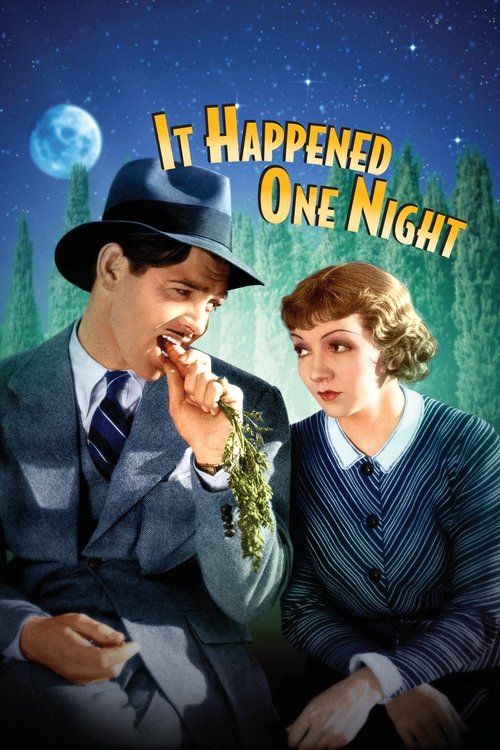
It Happened One Night1934
The template for romantic comedy: a mismatched pair, effortless banter, genuine stakes beneath the laughs, and two stars so alive together you believe every second. Claudette Colbert and Clark Gable make falling in love look like the most fun possible.
But It moves at a 1930s pace, which means some scenes breathe longer than modern films allow. The class commentary is gentler than you might want.
Singin' in the Rain1952
A film about performance and artifice where the artifice is joyous. Gene Kelly, Donald O'Connor, and Debbie Reynolds navigate old Hollywood's transition to sound with wit, kinetic brilliance, and actual emotion beneath the spectacle. Endlessly rewatchable.
But If musicals feel like interruptions rather than expressions, this won't convert you. Some may find the gender dynamics dated, even by 1952 standards.

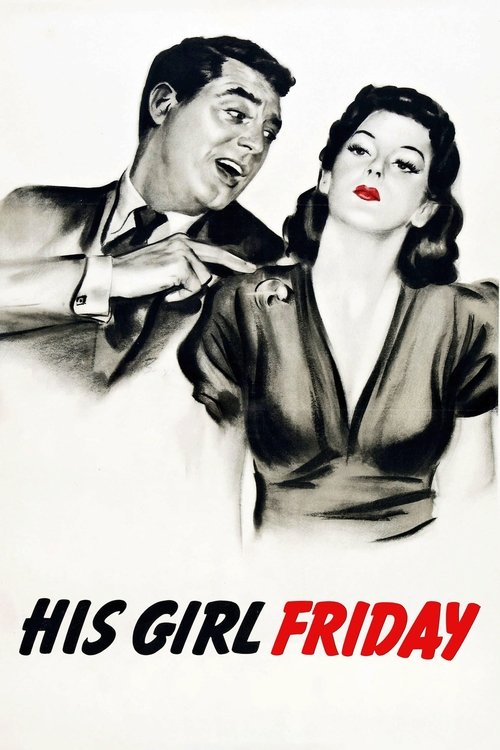
His Girl Friday1940
Rosalind Russell and Cary Grant trade rapid-fire insults and genuine affection while chasing a murder story in Depression-era Chicago. The dialogue crackles; the chemistry is electric. It's about two people who love each other *and* love their work equally.
But The overlapping dialogue, intentionally frantic pacing, and tonal shifts between farce and crime drama can feel chaotic. Some plot points age awkwardly.
Not sure tonight? Get a pick in a minute, starting from Born Yesterday
The wildcard
Something you would not have found on your own.
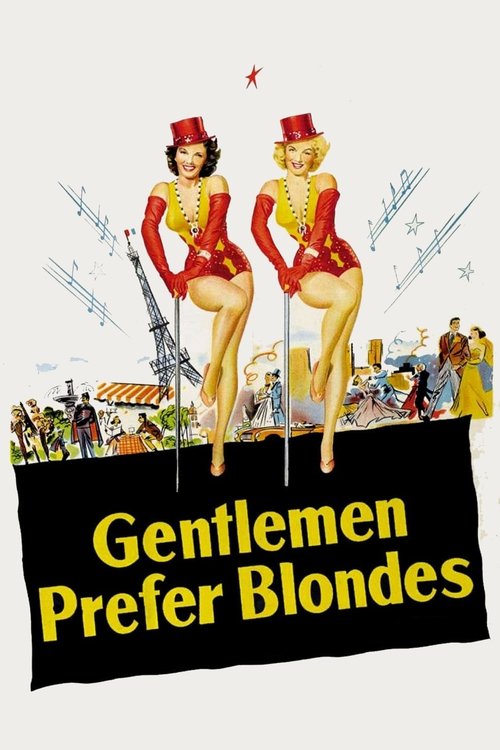
Gentlemen Prefer Blondes1953
Both films feature women perceived as decorative who reveal themselves to be genuinely intelligent—the 'dumb blonde' as the smartest person in the room. Same twist, different depths.
Marilyn Monroe and Jane Russell play women performing femininity as a survival strategy in a world that only values them for it. It's campy, sexy, and shrewder about its own game than it pretends to be. Monroe's deadpan intelligence rivals Holliday's.
But It invites you to enjoy the male gaze while critiquing it, which feels contradictory. The ending capitulates to expectation.
More like this (7)
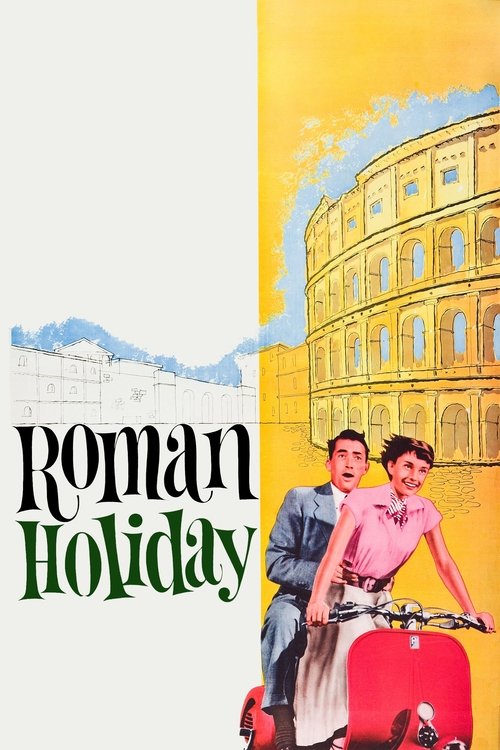
Roman Holiday1953
Audrey Hepburn as a runaway princess, Gregory Peck as the journalist who helps her. A fairy tale made real by two people who seem genuinely charmed by each other. Romantic without being saccharine, playful without being frivolous.
But The ending is a foregone conclusion from the opening scene. If you need plot surprise, this prioritizes mood and character instead.
Breakfast at Tiffany's1961
Audrey Hepburn as a brilliant, contradictory woman playing at being someone else—much like Billie, but inverted. The film is funny, sexy, and strange. George Peppard's deadpan watching her work is worth the price alone.
But A supporting character uses racist stereotypes that are jarring and indefensible. Some find the ending sentimental, others find it earned.

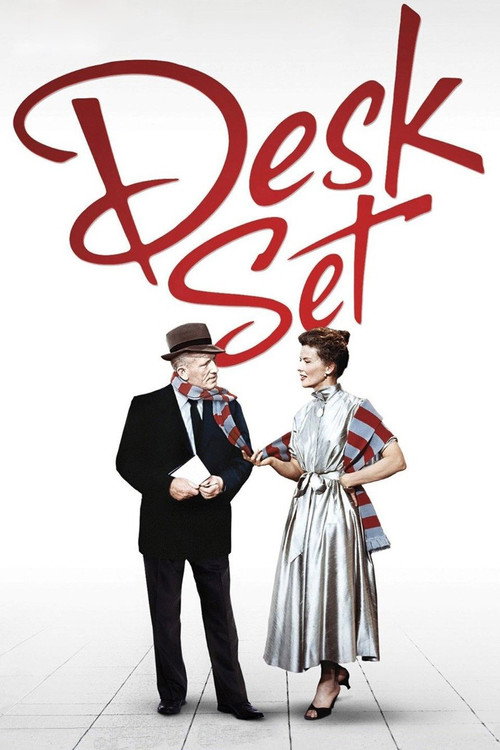
Desk Set1957
Katharine Hepburn and Spencer Tracy spar over whether a woman's intellect is a liability or an asset. It's fizzy and smart, and Hepburn plays a woman who knows exactly what she knows and isn't sorry about it. Satisfying in every way.
But The resolution leans toward reassurance rather than radicalism. Tracy's charm can read as patronizing if you're not in the mood.
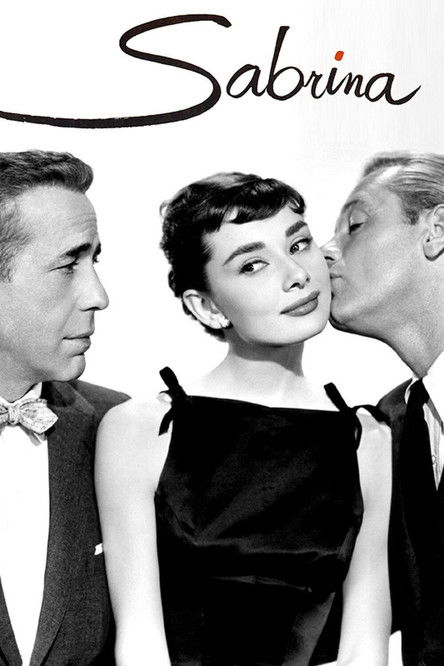
Sabrina1954
Audrey Hepburn as a chauffeur's daughter transformed by time in Paris; Humphrey Bogart and William Holden (Billie's love interest!) as brothers competing for her. Elegant, witty, and interested in how class and money shape desire and identity.
But The class fantasy is essentially uncritical. If you're tired of Cinderella narratives, this is a very well-made one.
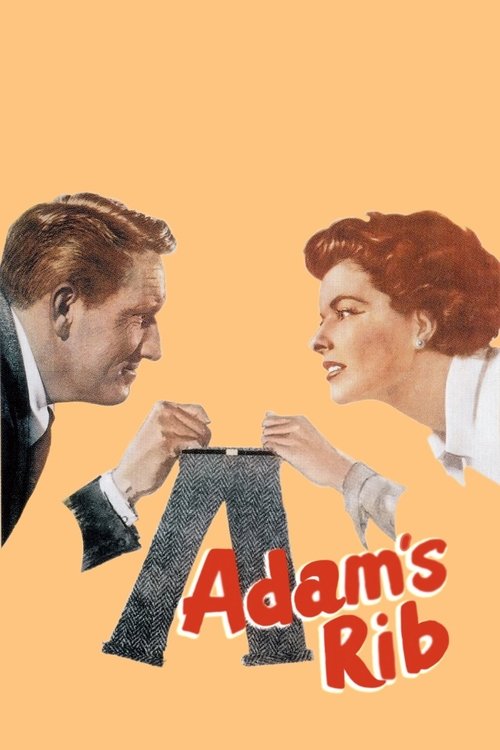
Adam's Rib1949
Katharine Hepburn and Spencer Tracy as married lawyers who end up on opposite sides of a case about gender and capability. Brilliant writing, real stakes, and two people who genuinely seem to enjoy sparring with each other.
But Some of the gender politics—even progressive for 1949—read as incomplete now. The tone veers between farce and philosophy.
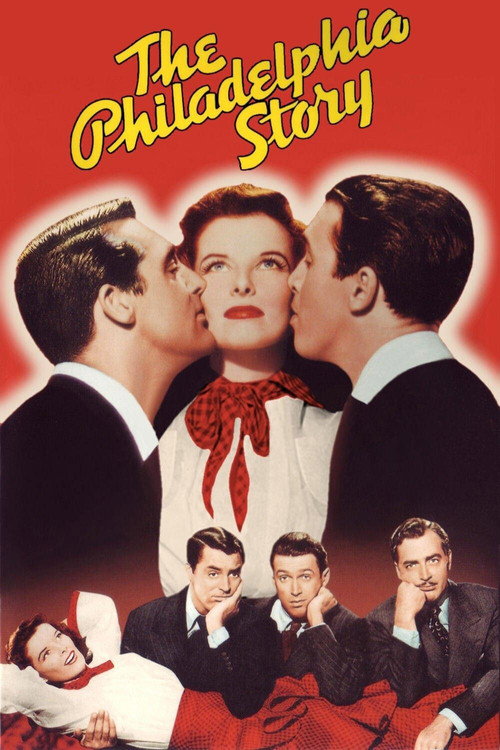
The Philadelphia Story1940
Cary Grant, James Stewart, and Katherine Hepburn in a film about a woman who learns she's been performing a version of herself. Sophisticated, romantic, and genuinely funny. The supporting cast is flawless.
But At nearly two hours, it moves deliberately. The resolution privileges forgiveness over consequences in ways some find unsatisfying.
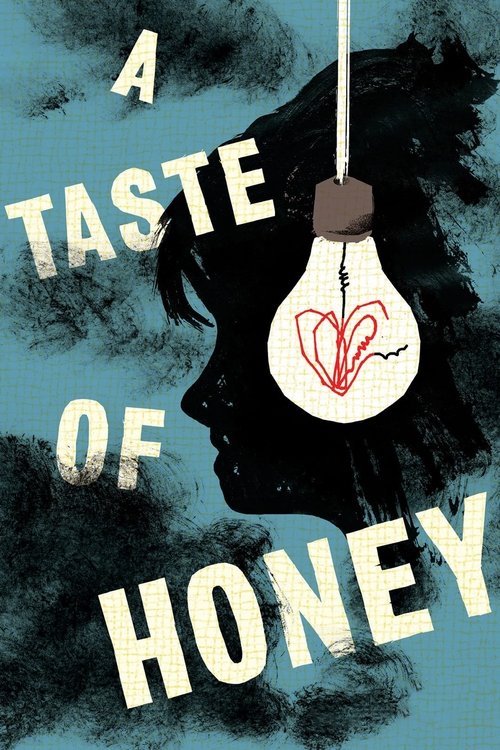
A Taste of Honey1961
Like Billie, the heroine is underestimated and capable; like Born Yesterday, it's interested in how women navigate a world that wants them decorative. But it's a different country, a different decade, a different genre entirely—the same question asked in a minor key.
A young working-class British woman becomes pregnant and navigates desire, independence, and family without apology. Shot in documentary-style black-and-white; it feels like watching real life. Rita Tushingham is luminous. The film is tender without being sentimental.
But It's grittier and more fatalistic than American comedies. The ending offers no resolution, only acceptance. Some find the pacing loose and the tone scattered.
People
Cast
 Judy HollidayBillie Dawn
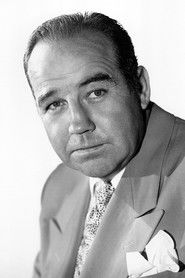 Broderick CrawfordHarry Brock
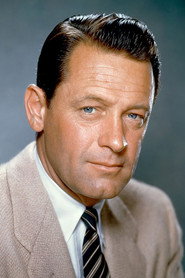 William HoldenPaul Verrall
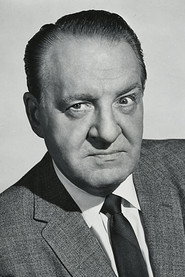 Howard St. JohnJim Devery
- Frank OttoEddie
- Larry OliverCongressman Norval Hedges
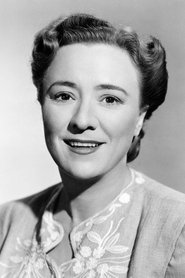 Barbara BrownMrs. Hedges
- Grandon RhodesSanborn
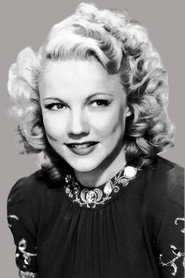 Claire CarletonHelen
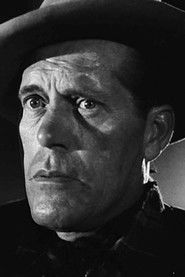 Chet BrandenburgHotel Worker (uncredited)
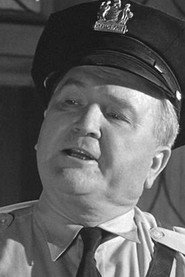 Charles CanePoliceman (uncredited)
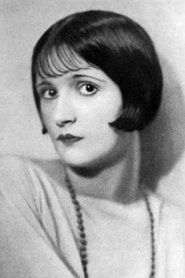 Helen Eby-RockManicurist (uncredited)
Directing
- Earl BellamyAssistant Director
- George CukorDirector
Writing
- Albert MannheimerScreenplay
- Garson KaninTheatre Play
Production
- S. Sylvan SimonProducer