
Film
My Fair Lady
A lavish adaptation of Shaw's Pygmalion, all velvet frocks and Cecil Beaton hats, where a phonetics professor bets he can pass a Cockney flower-seller off as a duchess. It's less romance than duel — Rex Harrison snapping, Hepburn (dubbed by Marni Nixon) blooming — with Lerner and Loewe's songs doing the emotional work the plot won't. Gorgeous, funny, and quietly unresolved about who actually wins.
If you liked this
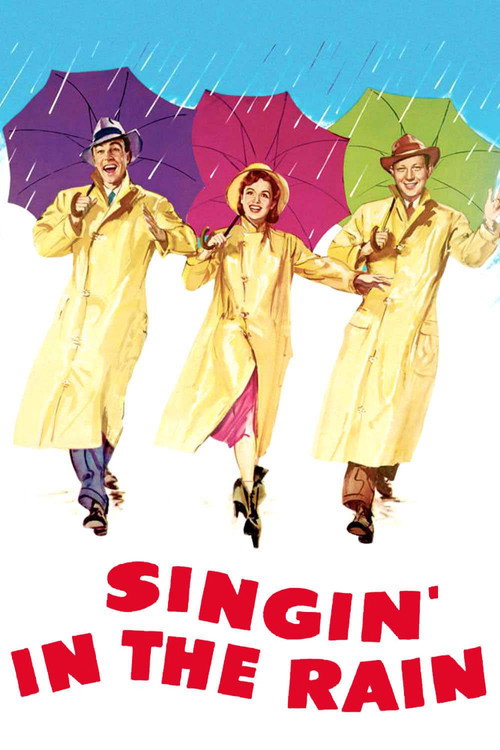
Singin' in the Rain1952
The other unimpeachable classic of the studio-musical era — giddy, self-aware, endlessly quotable, and just as fascinated by reinvention and performance, only aimed at Hollywood rather than high society.
But None of Shaw's class satire here, just pure technicolor delight — if you wanted the argument, this won't give it to you.
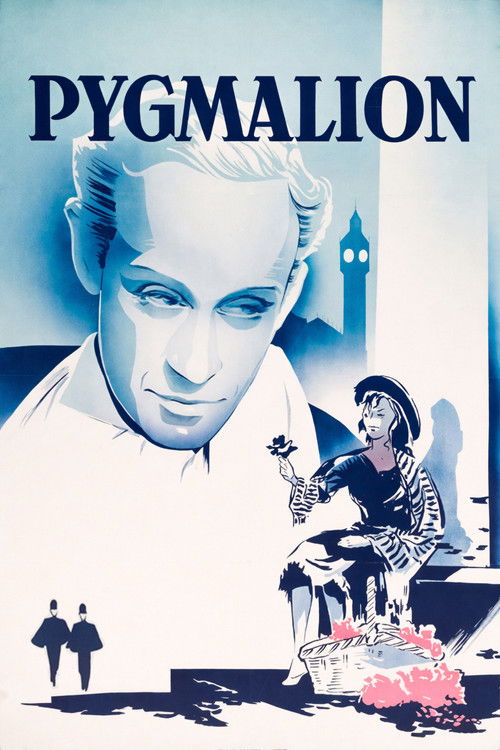
Pygmalion1938
The source material with no songs to soften it — Shaw's own screenplay, Leslie Howard's colder, more cutting Higgins, and an ending the musical deliberately smoothed over.
But Black and white, no music, and a more ambiguous finish that some find less satisfying than the film's.
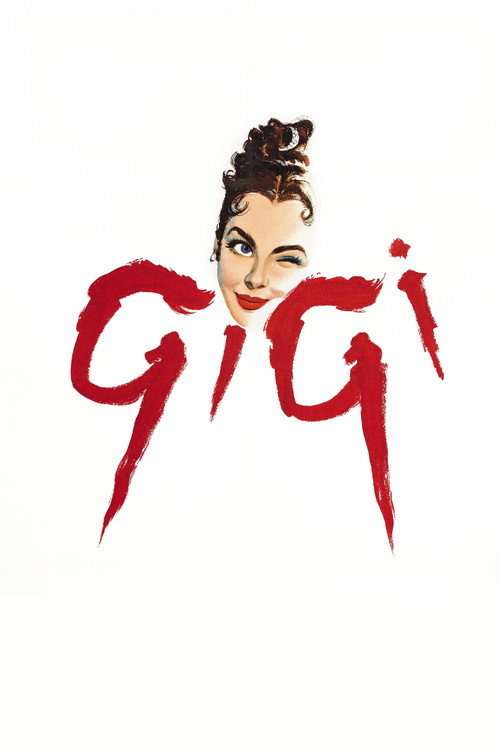
Gigi1958
Same songwriters, same basic premise of a young woman being groomed for a role in society, filtered through Colette's Paris instead of Shaw's London — plush, wry, and structurally a cousin.
But The central relationship reads far more uneasily now than Higgins and Eliza's, and some viewers won't get past it.
The wildcard
Something you would not have found on your own.
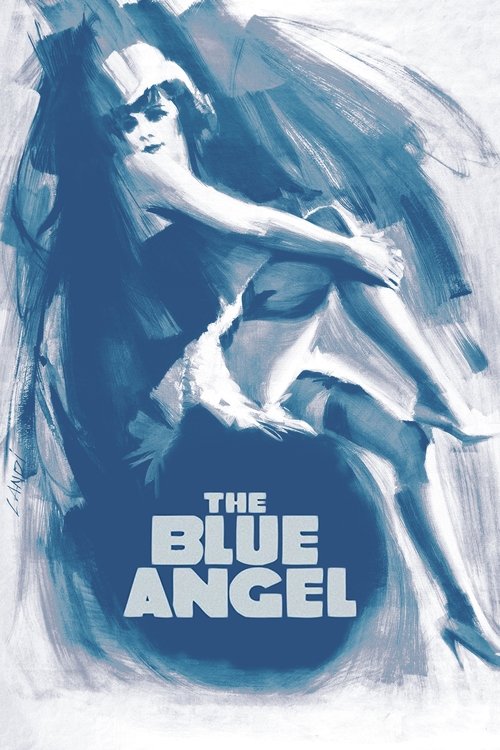
The Blue Angel1930
It's the same professor-and-project structure My Fair Lady runs on, played out as tragedy instead of romantic comedy — what happens when the transformer loses control of the transformed.
A German professor obsessively remakes a cabaret singer in his own image — same power dynamic as Higgins and Eliza, but run in reverse, ending in ruin instead of a duet.
But Early sound-era German, subtitled, bleak rather than witty, and it will not give you a happy ending.
More like this (8)
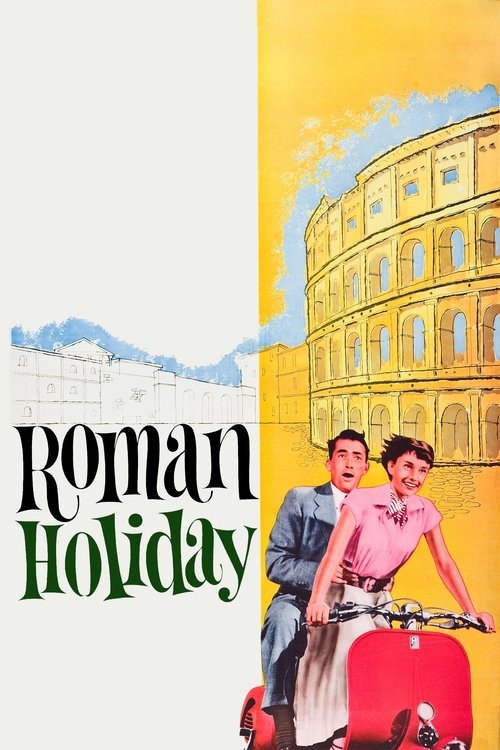
Roman Holiday1953
Hepburn a decade earlier, incognito royalty instead of flower girl, but the same electric mix of class disguise, wit, and a woman quietly running rings around the men who think they're in charge.
But No music, no makeover arc, and a much slighter, sadder ending than My Fair Lady allows itself.
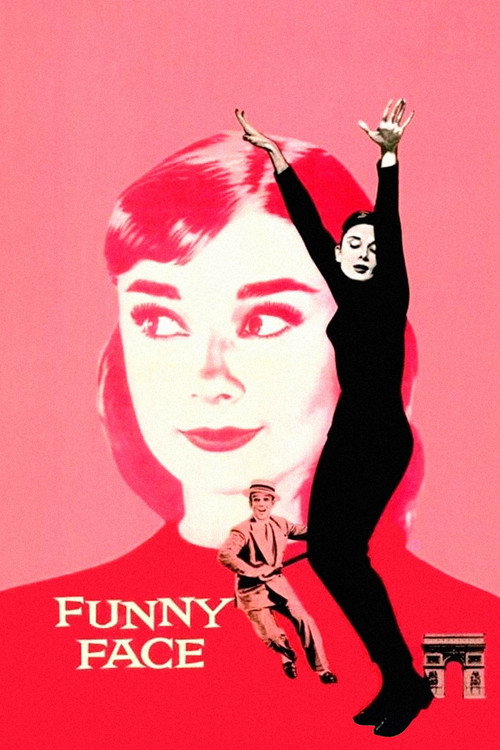
Funny Face1957
Hepburn again transformed by an older, more knowing man, this time via fashion instead of phonetics, with Astaire's effortless dancing carrying scenes the script can't.
But Story's thin, the age-gap romance is played straighter than it should be, and the plot mostly exists between dance numbers.
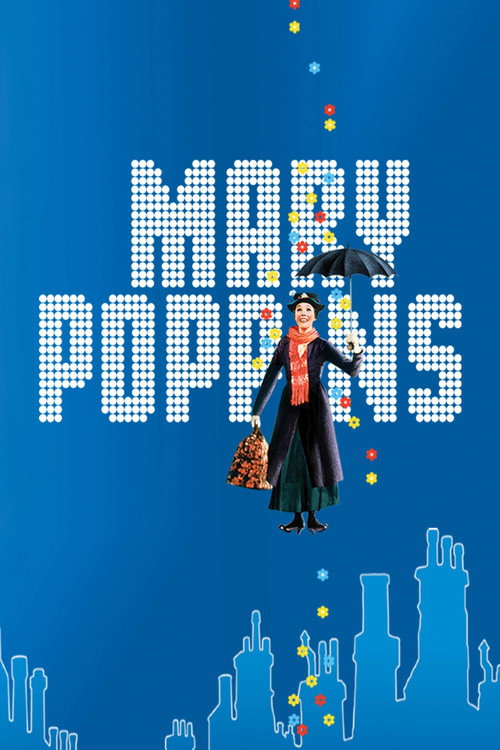
Mary Poppins1964
Same year, same brand of British class comedy set to music, and Julie Andrews doing everything the role that got away from her on screen would have let her do.
But It's a family fantasy with no romance or transformation plot — sunnier and stranger than anything in Higgins' drawing room.
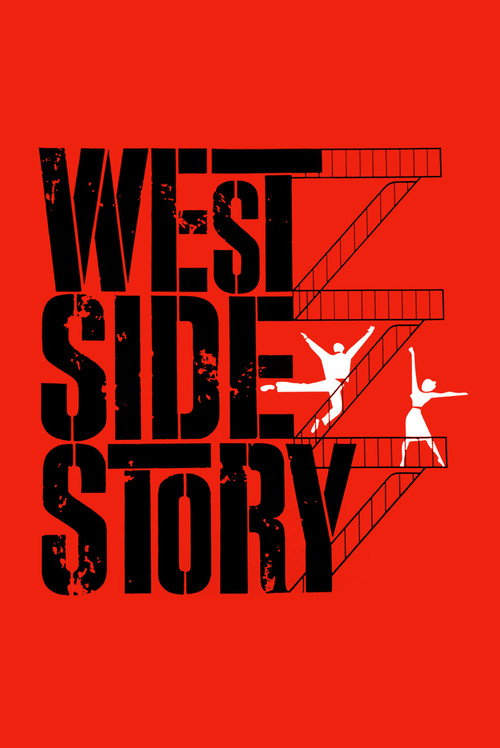
West Side Story1961
The era's other landmark stage-to-screen musical, trading drawing-room wit for street-level tragedy, but with the same scale of ambition and the same interest in love crossing lines it shouldn't.
But It's a tragedy, dance-driven rather than dialogue-driven, and has none of My Fair Lady's comic relief.
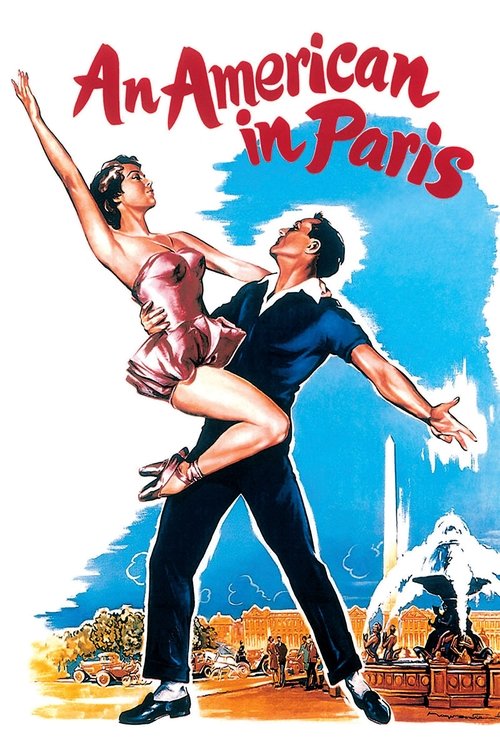
An American in Paris1951
Written by Alan Jay Lerner himself, Gene Kelly's romance across culture and class shares the DNA — plus a show-stopping extended ballet if you're in the mood for pure spectacle.
But Plot is wafer-thin and the seventeen-minute dance finale will test anyone not already sold on ballet.
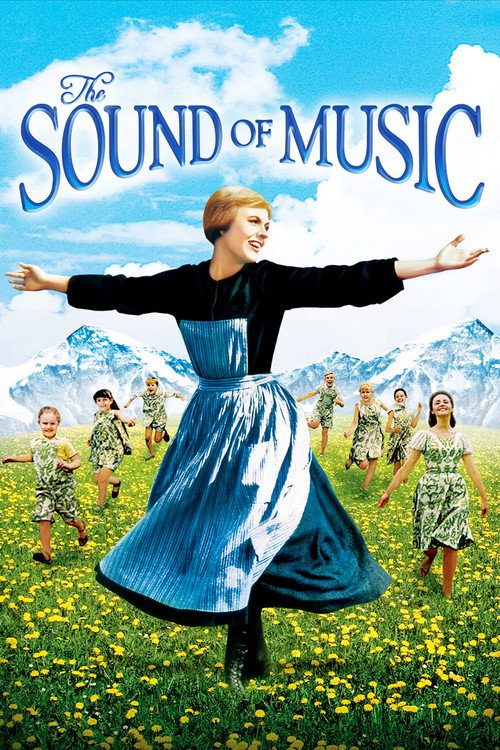
The Sound of Music1965
If it's the scale, the songs, and Julie Andrews you loved rather than the class satire, this delivers all three at even greater length and warmth.
But No class transformation, no cynicism, no bite — wholesome where My Fair Lady is barbed, and nearly as long.
Educating Rita1983no page yet
Same teacher-and-pupil, class-crossing engine as Higgins and Eliza, stripped to drama and given to the student rather than the teacher to drive.
Michael Caine's burnt-out academic tutors Julie Walters' working-class hairdresser toward a different life, with all the wit and none of the songs, and a much sharper eye on who actually changes.
But Small, talky, and deliberately unglamorous — no ball gowns, no orchestra, just two people in a room.
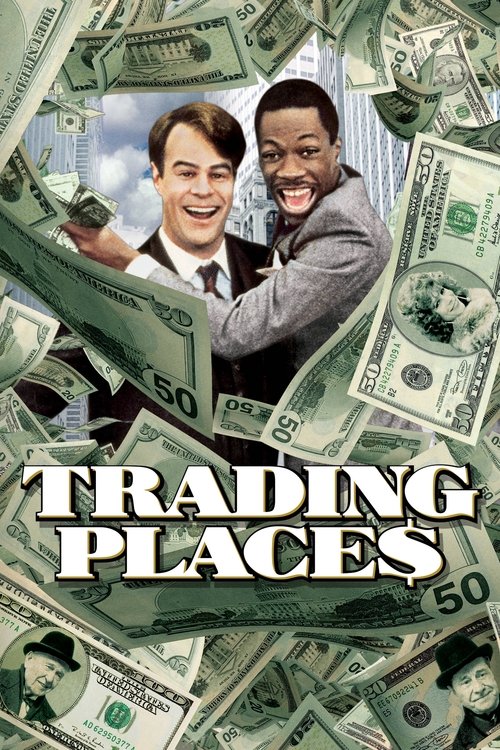
Trading Places1983
It literalises the exact premise — a wager about whether class and manner can be manufactured — and answers it with laughs instead of longing.
Two rich men make a bet about whether nature or nurture decides a person's fate, then remake a stranger's life to prove it — Higgins' wager reborn as broad American farce.
But Loud, crude in places, and entirely uninterested in the moral queasiness My Fair Lady at least gestures toward.
People
Cast
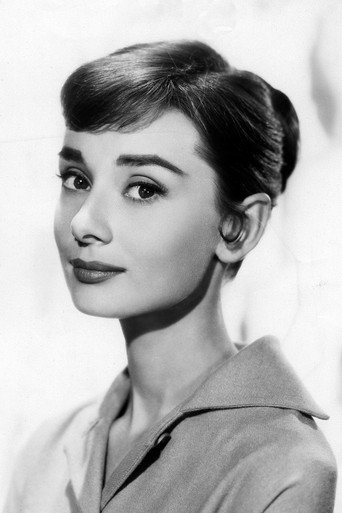 Audrey HepburnEliza Doolittle
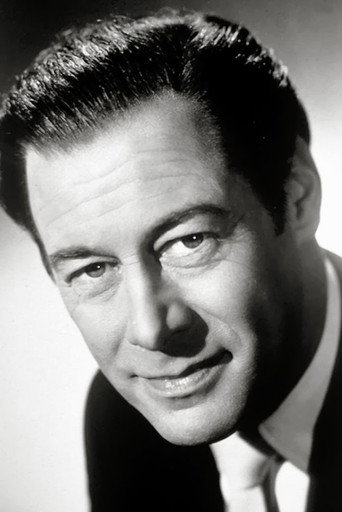 Rex HarrisonProfessor Henry Higgins
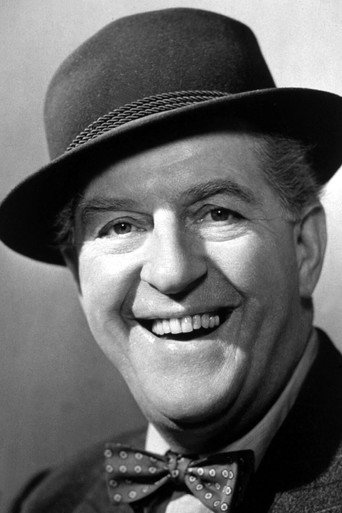 Stanley HollowayAlfred P. Doolittle
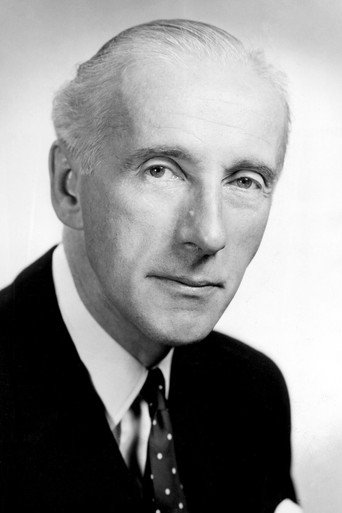 Wilfrid Hyde-WhiteColonel Hugh Pickering
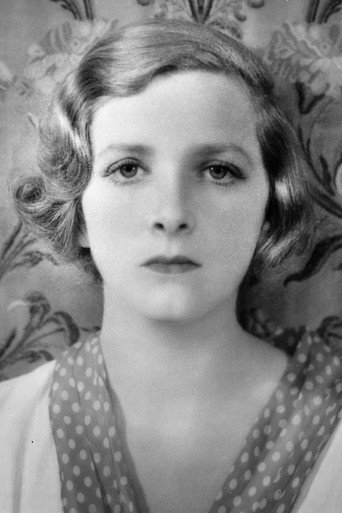 Gladys CooperMrs. Higgins
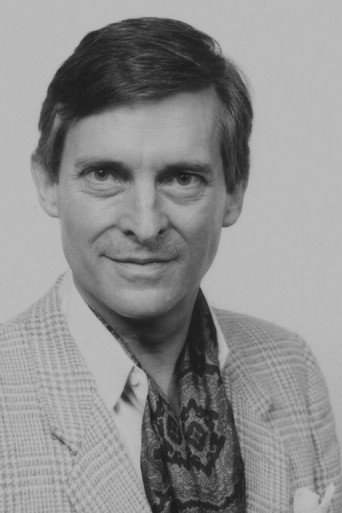 Jeremy BrettFreddy Eynsford-Hill
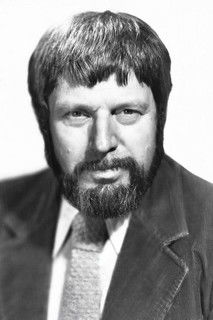 Theodore BikelZoltan Karpathy
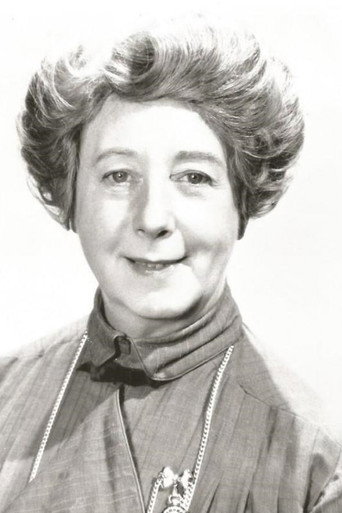 Mona WashbourneMrs. Pearce
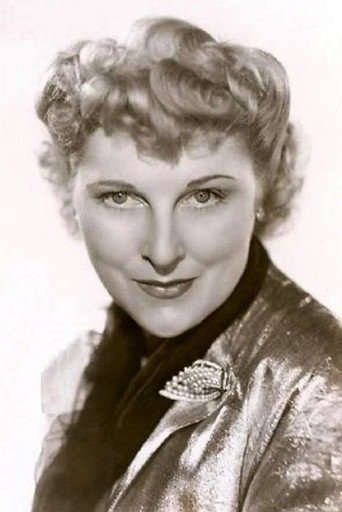 Isobel ElsomMrs. Eynsford-Hill
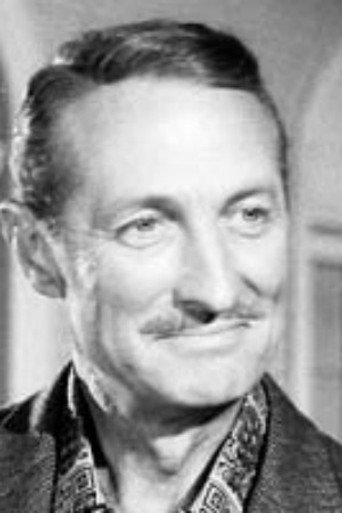 John HollandButler
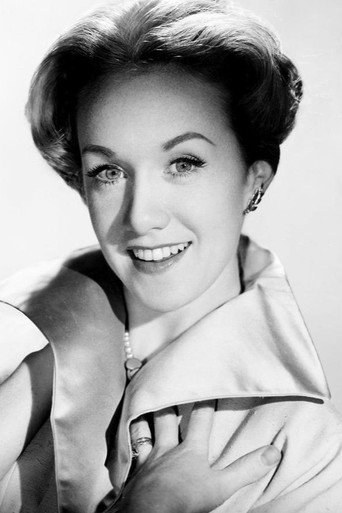 Marni NixonEliza Doolittle (singing voice) (uncredited)
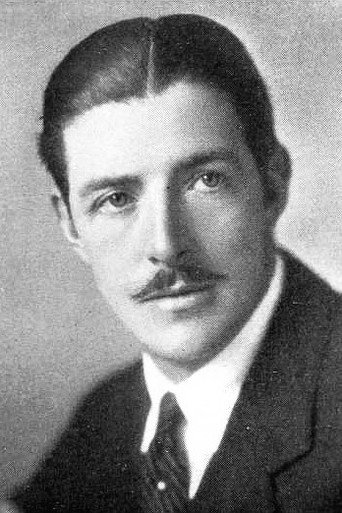 Colin KennyAd Lib at Church (uncredited)
Directing
- David S. HallAssistant Director
- George CukorDirector
Writing
- Alan Jay LernerBook
- Alan Jay LernerLyricist
- Alan Jay LernerMusical
- Frederick LoeweMusical
- Alan Jay LernerScreenplay
- George Bernard ShawTheatre Play
Production
- Jack L. WarnerProducer
- James C. KatzProducer
- Sergei PetschnikoffUnit Manager
Recommended by
Roman Holiday, Kingsman: The Secret Service, Singin' in the Rain, Gigi, Hello, Dolly!, The Taming of the Shrew, Funny Face, Blithe Spirit, Pretty Woman, The Sound of Music, Oliver!, Pygmalion, Sabrina, Kiss Me Kate