Television series
Four Weddings
- Comedy
- Light-hearted
- Dip in and out
Four Weddings is a competition show where four couples attend each other's weddings and rate every detail—dress, venue, food, experience—competing for a luxury honeymoon. It's voyeuristic fun with real stakes, capturing genuine reactions to other people's big days. Perfect for anyone who loves watching strangers make choices and mild, good-natured competitive tension.
If you liked this
Come Dine with Me2005
The spiritual parent of Four Weddings: four strangers invite each other to dinner, score ruthlessly, and compete for cash. The format is addictive because real people's effort and taste collide without a safety net.
But Some episodes are slow, and the narration, while iconic, can overshadow what's actually happening on screen.

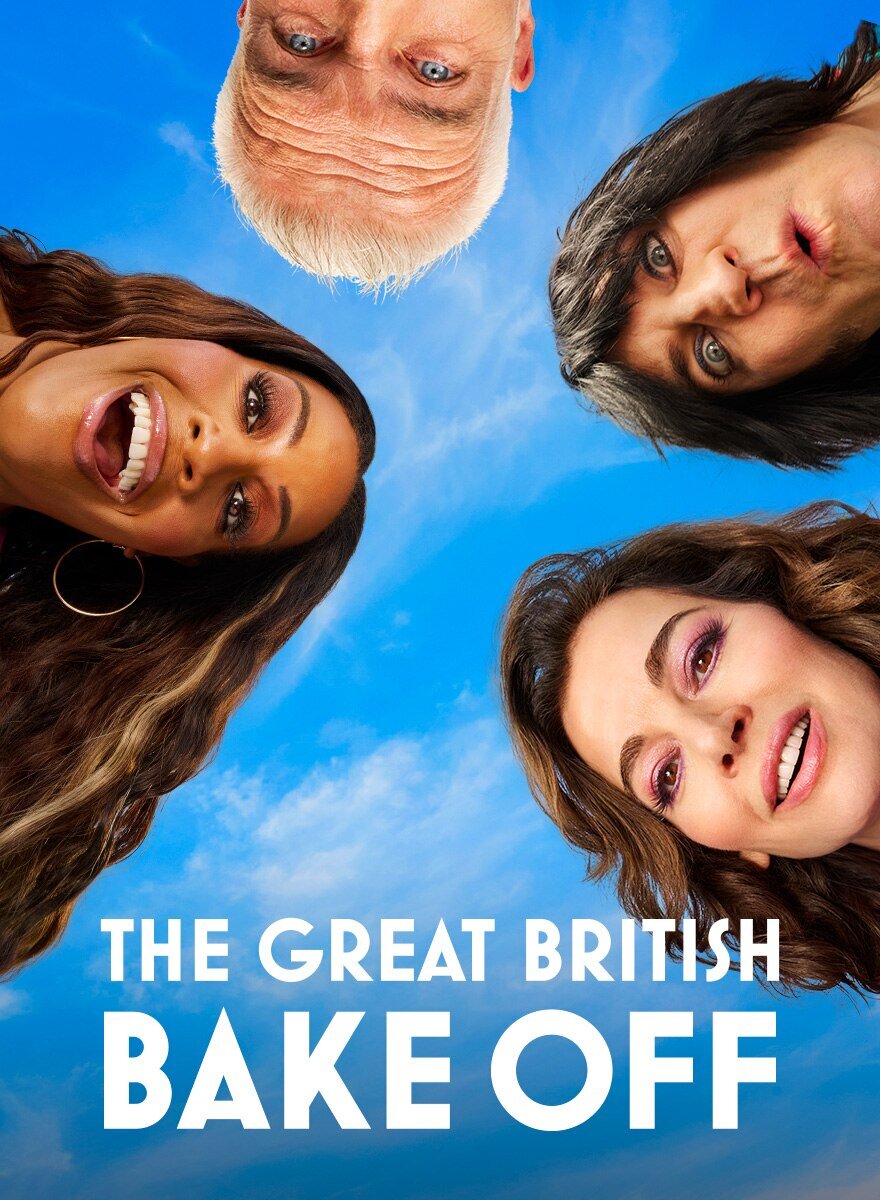
The Great British Bake Off2010
Competition built on genuine skill, personality, and the pleasure of watching people care deeply about small, beautiful things. The judges' feedback is specific and fair, and the stakes feel earned.
But If you find baking tedious or prefer higher dramatic stakes, the gentleness might bore you.
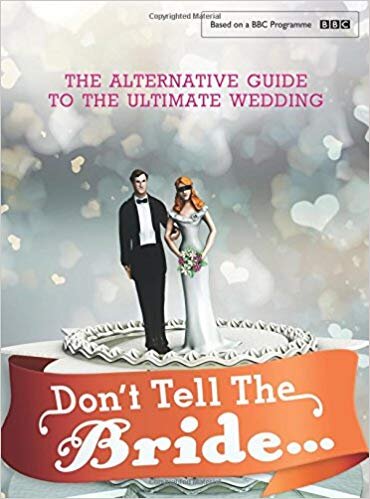
Don't Tell the Bride2007
A groom plans his fiancée's wedding in secret while she waits anxiously. It's chaos dressed as romance: bad decisions, genuine reactions, and the question of whether love survives poor taste.
But The gender politics haven't aged well, and many episodes rely on cringe rather than authentic emotion.
Not sure tonight? Get a pick in a minute, starting from Four Weddings
The wildcard
Something you would not have found on your own.
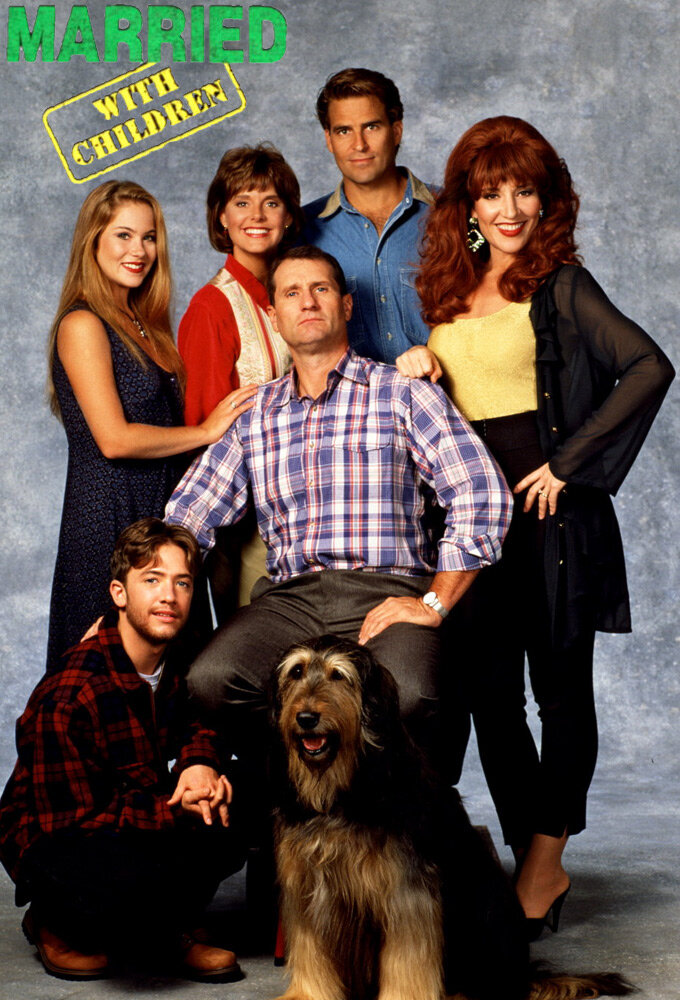
Married... with Children1987
Both centre on couples and commitment, but where Four Weddings celebrates the rituals and effort of marriage, Married... with Children finds marriage absurd and tedious. They're mirror images.
The anti-family sitcom: no heart, no growth, no lessons. A deeply cynical show about a couple who actively despise weddings and marriage itself. It's the exact inverse energy of Four Weddings' earnest couple-watching.
But The humour is crude and mean-spirited, often punching down, and it has not aged well with its attitudes.
More like this (6)
Love It or List It2008
A designer and a realtor compete to convince families to either renovate their home or move. The tension is genuine because the stakes are a couple's actual future and a significant amount of money.
But The format is repetitive across hundreds of episodes, and decisions often feel arbitrary.

The Restaurant2003
Four restaurants compete in various challenges judged by the public. It's a raw, early reality show where people's livelihoods hang in the balance and tension builds authentically.
But Production values are dated, and some judging feels arbitrary by modern standards.
999: What's Your Emergency?2012
Real people recount true emergencies while actors recreate them. It's compelling because the stakes—life and death—are genuinely high, and the human responses are unscripted.
But The tone is uneven; it can swing between morbid entertainment and genuine tragedy without warning.

You've Been Framed!1990
People submit funny home videos, and the best ones win cash prizes. It's low-stakes, cheerful, and honest—people doing ridiculous things without pretence.
But The humour is often at someone's expense, and most clips are forgettable within minutes.
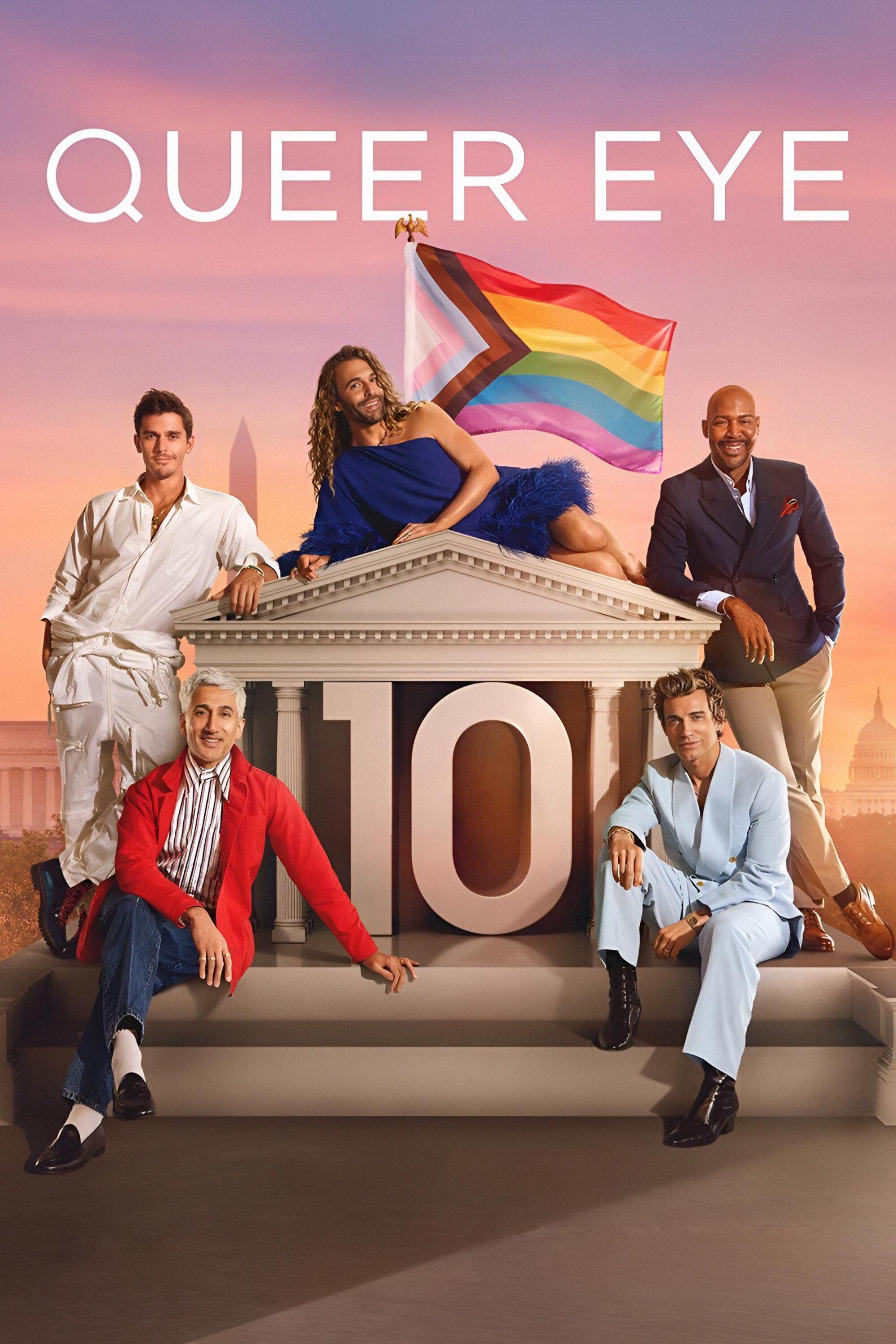
Queer Eye2018
Both evaluate how people present themselves and their spaces, but Four Weddings judges from the outside while Queer Eye builds people up from within. One is scorecard; the other is empathy.
Five experts help transform a person's life—wardrobe, home, grooming, culture, personal growth. It's earnest and moving in a way that contests usually aren't; the competition is against yourself, not others.
But The emotional manipulation is deliberate and sometimes heavy-handed; cynics may find it saccharine.
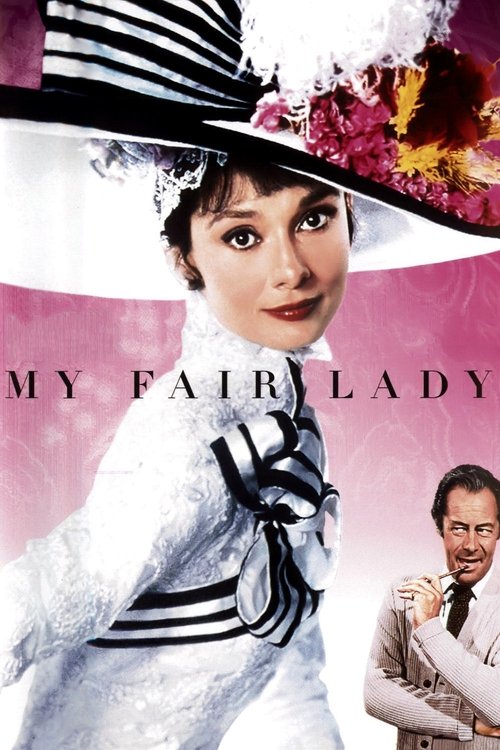
My Fair Lady1964
Both are about transformation and presentation—the dress, the manners, the venue—but Four Weddings watches real people navigate their own standards, while My Fair Lady shows a man forcibly reshaping a woman. One is competition; the other is control.
A linguistic professor transforms a working-class flower girl into a lady—a complete life makeover. It's gorgeously shot, witty, and built entirely around the idea that how you present yourself changes how the world sees you.
But It's long (nearly three hours), the gender dynamics are uncomfortable, and the romance lands awkwardly if you watch it critically.