
Film
The Happiest Millionaire
- Screwball comedy
- Light-hearted
A 1967 musical comedy about a Philadelphia millionaire's chaotic household, where an Irish immigrant butler navigates eccentric wealth, alligator pets, and romantic entanglements. It's whimsical, deliberately absurd, and unapologetically theatrical—part family entertainment, part Fred MacMurray showcase. For anyone who loves old Hollywood's embrace of the wonderfully weird.
Should you watch it?
Watch it if you enjoy warm, old-fashioned family comedies where eccentric characters are allowed to be larger than life and a song can carry a scene of gentle mischief.
Skip it if the pace is leisurely and at nearly three hours it sprawls, so a sentimental, unhurried mood may wear thin for anyone wanting a brisk story.
What it asks of you: A long, ambling evening of mostly sunny scenes, broad comic beats and interrupting song numbers, paced at a leisurely clip that rewards patience more than attention.
Not sure? Find tonight's pick in a minute.
If you liked this
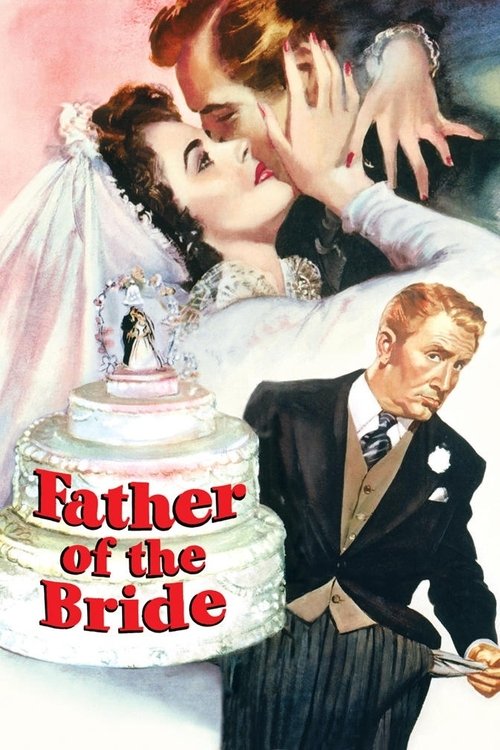
Father of the Bride1950
Spencer Tracy's grounded bewilderment in the face of wedding chaos is perfect counterpoint to MacMurray's gleeful millionaire excess. Both are celebrations of eccentricity within domestic stability, funny without meanness.
But The 1950 original feels more like a real problem to solve than a fantasia. If you want broader comedy, this is more observational and dry.
Singin' in the Rain1952
Same era's confidence that a musical number solves everything, same joy in pure entertainment spectacle. Both films believe whimsy is enough reason to exist, and both are right.
But This is a masterpiece; The Happiest Millionaire is very much not. Comparison is inevitable and unflattering. Also no alligators.

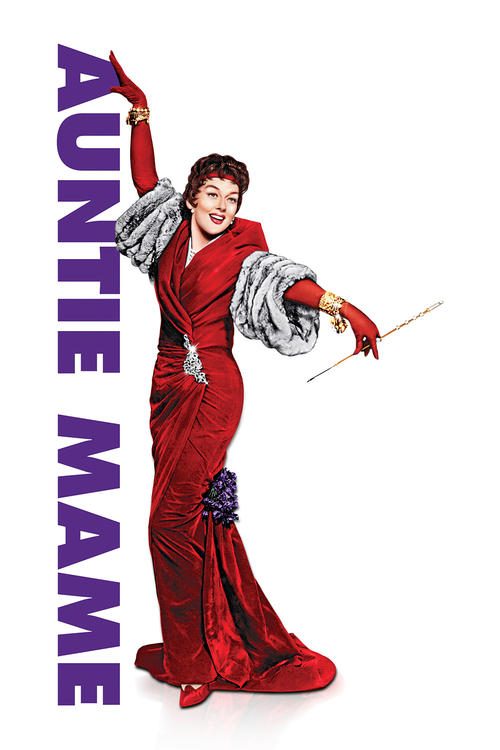
Auntie Mame1958
Rosalind Russell's wild, principle-free millionaire contains the same theatrical energy—eccentric wealth as a stage for chaos. Both films find joy in characters who won't behave normally.
But Mame is faster, tighter, and genuinely witty in ways this film aims for but doesn't quite land. More sophisticated audience might find this one precious.
Not sure tonight? Get a pick in a minute, starting from The Happiest Millionaire
The wildcard
Something you would not have found on your own.
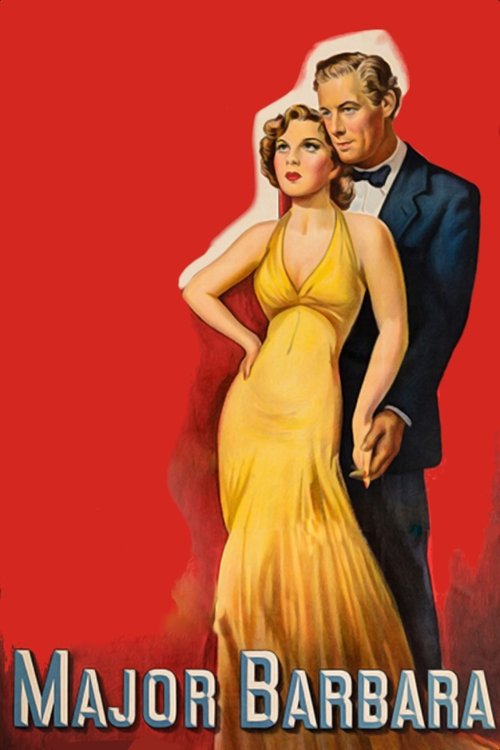
Major Barbara1941
Both use eccentric millionaires as moral philosophers disguised as comedy. Shaw's is darker, but the engine is the same—how do you stay good when you're absurdly rich?
Shaw's play adapted—a rich armaments industrialist wrestling with whether wealth buys morality. The Happiest Millionaire's surface zaniness masks the same question: what's a millionaire's responsibility?
But British, intellectually demanding, interested in argument rather than entertainment. The fun is cerebral, not musical. Gabrielle Pascal's direction is sometimes uneven.
More like this (7)
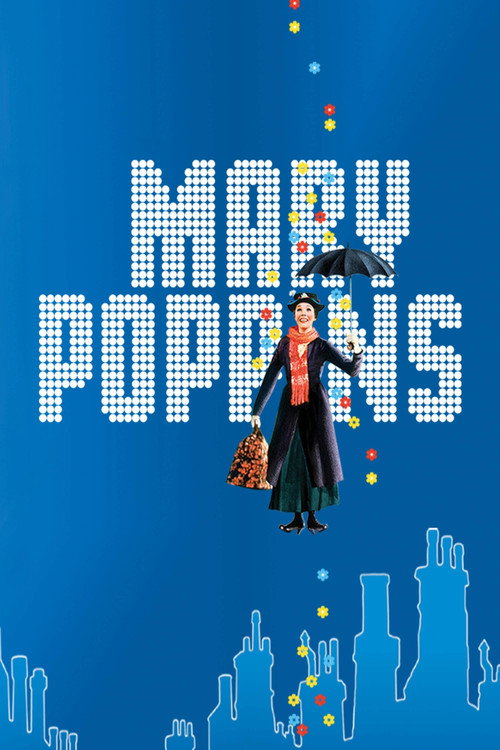
Mary Poppins1964
British eccentricity meets American optimism in both. MacMurray here echoes his Poppins role—family man with secrets, but the universe rewards his strangeness rather than softening it.
But Poppins has genuine darkness and emotional complexity. This is sunnier and less interested in character growth or consequence. Vastly simpler.
Breakfast at Tiffany's1961
New York high society, eccentric free spirits, and that same golden-age comfort with letting characters be charmingly, impossibly wealthy. The tone of '60s wealth-as-playground.
But This is restrained and elegant. The Happiest Millionaire is a musical carnival. Completely different temperatures, even if the world is the same.

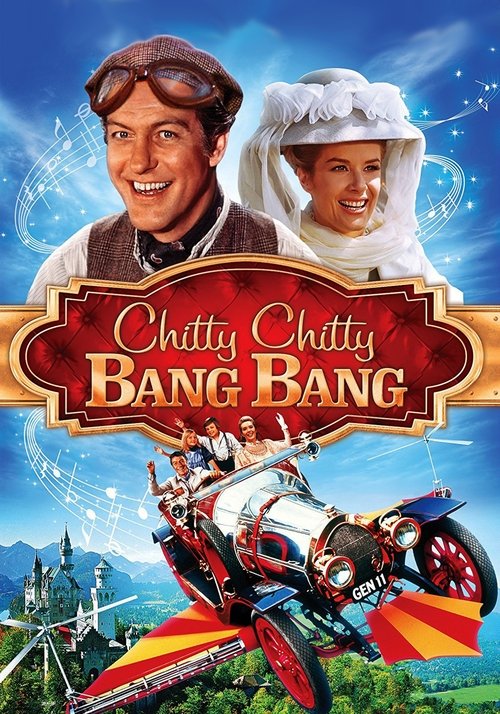
Chitty Chitty Bang Bang1968
Made around the same moment, same extended-length musical-comedy with Van Dyke delivering sustained weirdness. Both trust that spectacle and singing overcome plot coherence.
But Bang Bang is more of a commitment—it's longer, more ponderous, and its fantasy elements are stranger. Some find that point of no return harder to embrace.
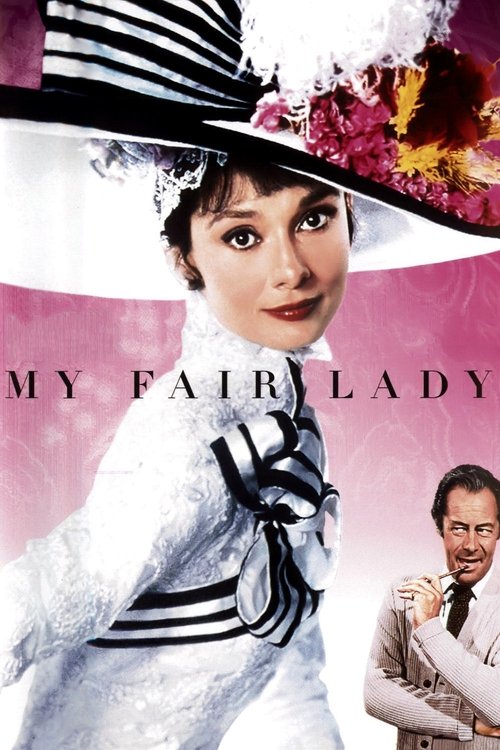
My Fair Lady1964
Rex Harrison as an impossible man held together by stubbornness and eccentricity. Edwardian wealth and oddness, long runtime, genuine heart beneath the performance.
But This is a masterwork; this film is not. The songs are iconic. The script is tighter. Watching them together reveals the gap between great and well-meaning.
The Philadelphia Story1940
Philadelphia wealth, the Biddle name itself echoes through old money comedy. Grant and Stewart navigate similar social absurdity. Screwball comedy's DNA is here.
But It's smarter, sharper, and interested in real romantic tension. This film's heart is in spectacle and music rather than character friction.

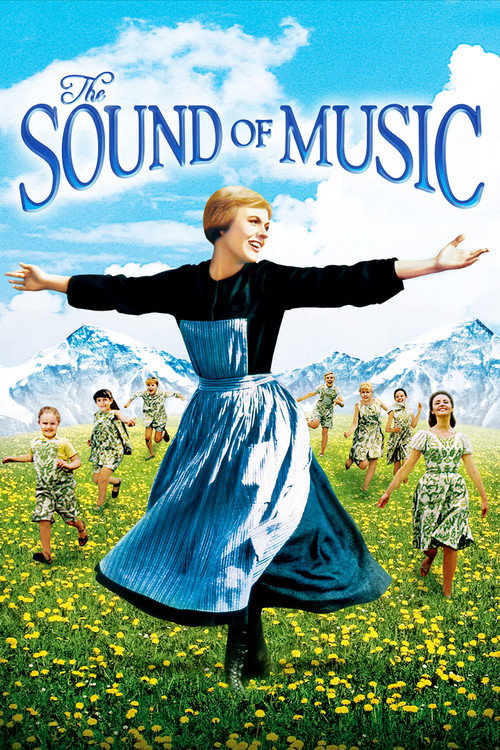
The Sound of Music1965
Similar extended musical runtime, similar faith in songs-solving-problems, similar warm embrace of eccentricity as virtue. MacMurray's costar's charm philosophy.
But This is one of the most beloved films ever made. The Happiest Millionaire is a footnote. Comparison only makes this seem minor by design.
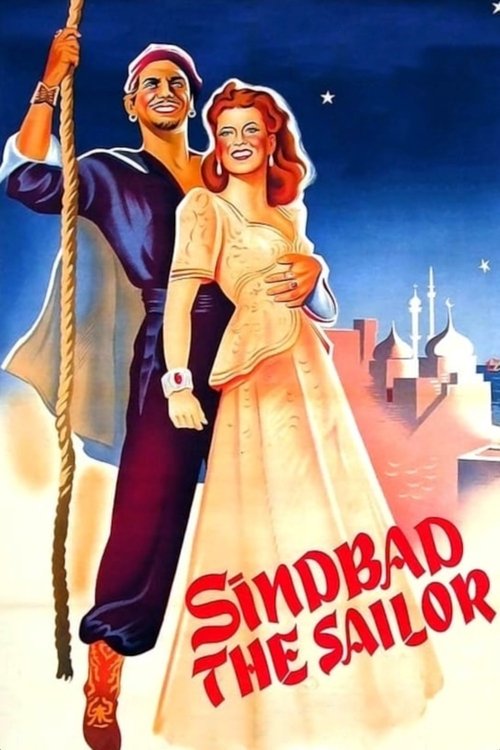
Sinbad the Sailor1947
Both are '40s/$60s attempts to make sheer theatrical joy—costumes, color, movement, stunt-casting—do the work of narrative. Pure cinema as celebration rather than story.
Douglas Fairbanks Jr. in Technicolor fantasy-adventure with the same wartime-era theatrical confidence. Not a musical, but same willingness to be absurd, same belief in spectacle as story.
But It's pure nonsense—plot barely exists. Very male-centered adventure. If you need coherence or emotional stakes, this dissolves. Purely a vehicle for charm and production design.
People
Cast
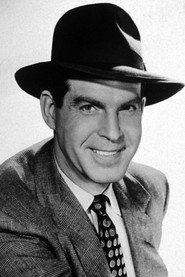 Fred MacMurrayAnthony Biddle
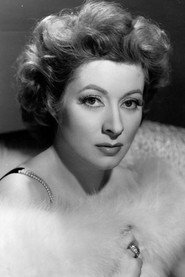 Greer GarsonCordelia Biddle
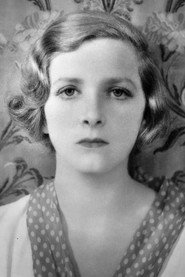 Gladys CooperAunt Mary
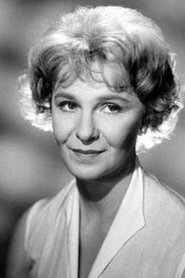 Geraldine PageMrs. Duke
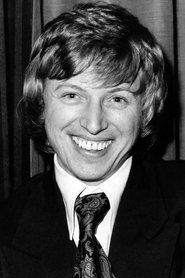 Tommy SteeleJohn Lawless
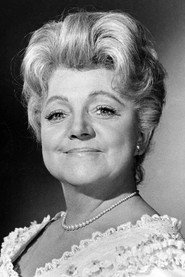 Hermione BaddeleyMrs. Worth
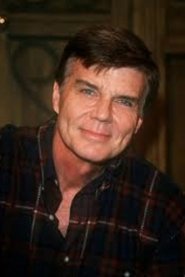 John DavidsonAngie
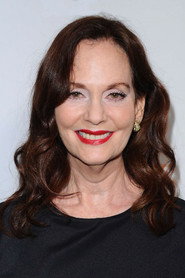 Lesley Ann WarrenCordy
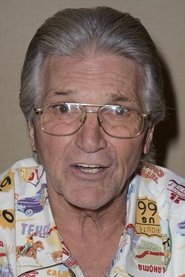 Paul PetersenTony
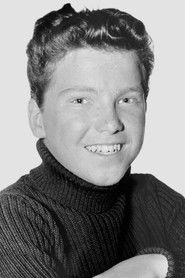 Eddie HodgesLivingston
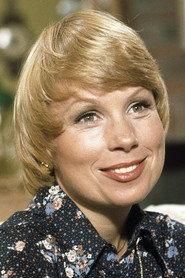 Joyce BulifantRosemary
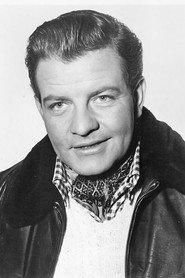 Sean McCloryPolice Sergeant
Directing
- Norman TokarDirector
Writing
- Cordelia Drexel BiddleNovel
- Kyle CrichtonNovel
- Kyle CrichtonTheatre Play
- AJ CarothersWriter
Production
- Bill AndersonProducer
- Walt DisneyProducer