
Film
On Cukor
A brisk, affectionate portrait of George Cukor, the director who made some of Hollywood's most sophisticated comedies and dramas. Built from archival footage, film clips, and interviews with actors and colleagues who worked with him, it captures both his method and his legacy—a filmmaker who understood actors intimately and never condescended to women characters. Essential viewing for anyone who loves *Roman Holiday*, *Breakfast at Tiffany's*, or the sheer intelligence of mid-century Hollywood craft.
Should you watch it?
Watch it if you love the backstage craft of old Hollywood, the way studio directors shaped actors and scripts, and want to hear working actors talk about a director they adored.
Skip it if you want a critical study with arguments and analysis, since this is a warm, admiring tribute that mostly lets clips and friends do the talking.
What it asks of you: Eighty-five minutes of easy, conversational pacing, with no hurry and no harsh edges, asking only that you stay curious about the clips and the voices.
Not sure? Find tonight's pick in a minute.
If you liked this
Singin' in the Rain1952
Gene Kelly and Donald O'Connor's physical comedy is operatic, but Cukor's direction keeps the humanity visible underneath the spectacle. It's about ambition, loyalty, and the cost of stardom, not just three minutes of dancing.
But If you're looking for pure song-and-dance escapism without emotional weight, this one sneaks in more subtext than you might want from a musical.

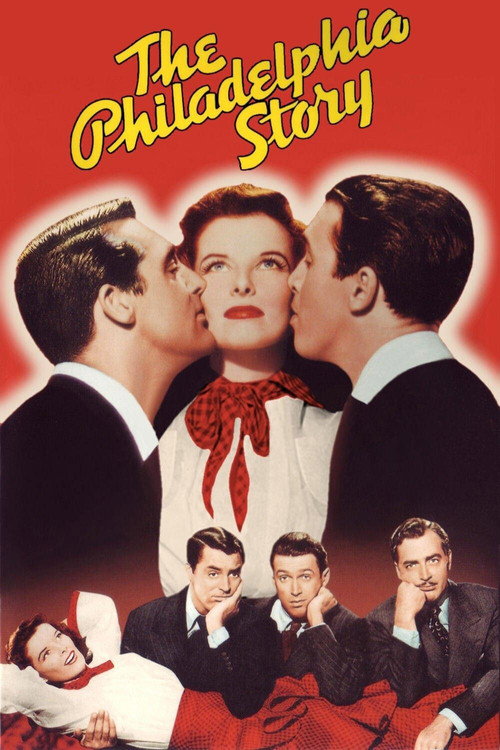
The Philadelphia Story1940
Three of Hollywood's greatest actors—Cary Grant, Katharine Hepburn, James Stewart—in a screenplay that's genuinely witty and sharp. Cukor lets them breathe and play, and the film moves like a perfectly timed stage piece.
But It's deeply of its era in ways that can feel distant: attitudes about class, gender, and remarriage that require patience from modern viewers.
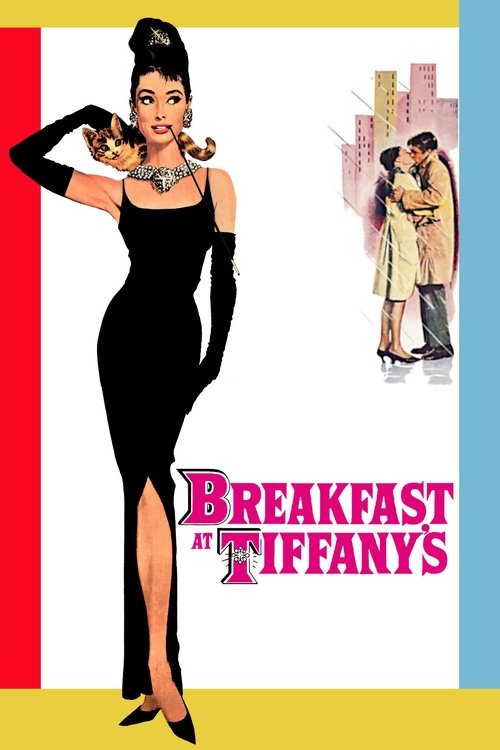
Breakfast at Tiffany's1961
Audrey Hepburn as Holly Golightly: Cukor finds the melancholy beneath the glamour without losing the fun. It's romantic comedy that knows something about loneliness, and the cinematography is stunning.
But The Mickey Rooney subplot hasn't aged well, and some of the film's gender politics feel uncomfortable by today's standards, despite Cukor's generally progressive touch.
Not sure tonight? Get a pick in a minute, starting from On Cukor
The wildcard
Something you would not have found on your own.
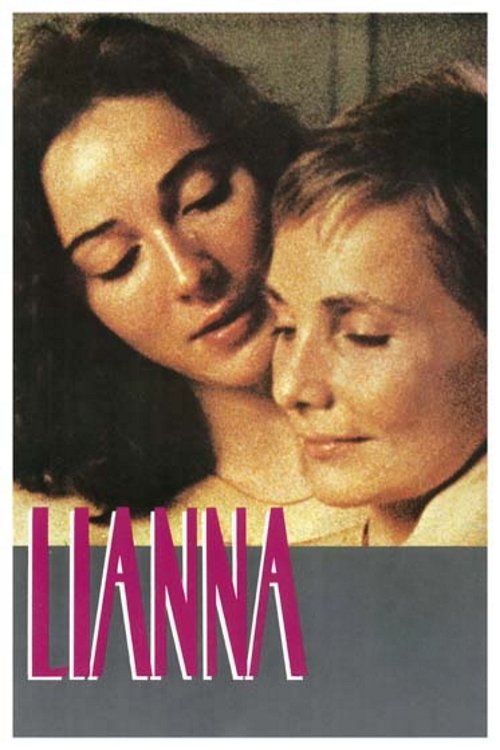
Lianna1983
Sayles, like Cukor, trusts actors to be intelligent and complex. Both directors understand female interiority without sentimentality or condescension.
John Sayles' indie about a woman discovering her sexuality and leaving her marriage. Sayles shoots it with naturalistic warmth and real humor—no agenda, just complicated people figuring out who they are. A different era and budget, but the same faith in actors' truthfulness.
But It's deliberately unglamorous and modest in scope. If you're coming from Cukor's polished studio system, the grain and the quiet pacing might feel undernourished at first.
More like this (8)
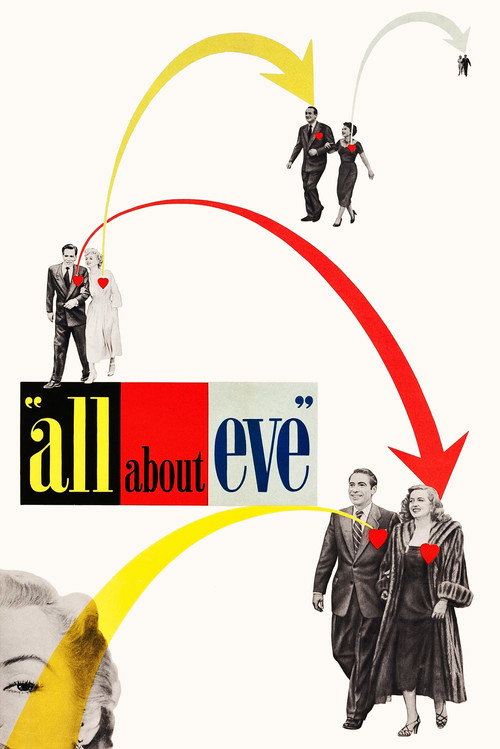
All About Eve1950
A masterclass in ensemble acting and dialogue. Bette Davis, Anne Baxter, Celeste Holm, and George Sanders spar with words that cut like knives. Cukor coaxes performances that feel both theatrical and real.
But It's a backstage melodrama about theater people, which means it can feel insular and gossipy if you're not invested in the stakes.
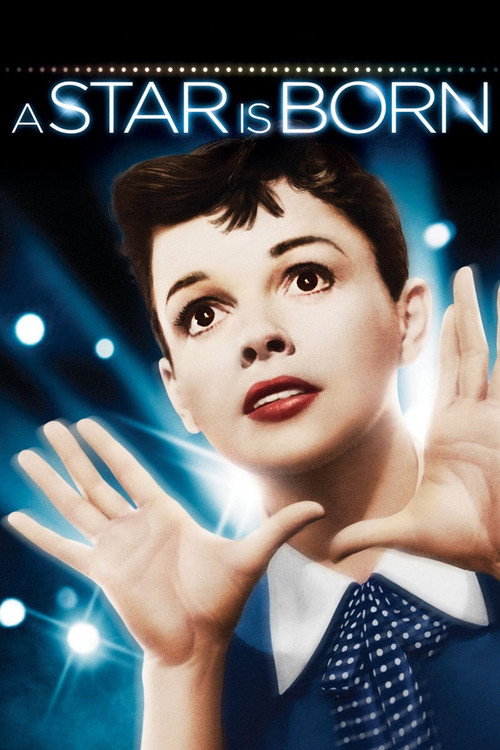
A Star Is Born1954
Cukor's epic about ambition and decline, with Judy Garland in perhaps her most vulnerable and powerful performance. It's Technicolor spectacle married to genuine human tragedy—rare in 1954.
But It's long, and the pacing sags in the middle. Also, knowing Garland's real suffering can make watching it a heavier experience than you bargained for.
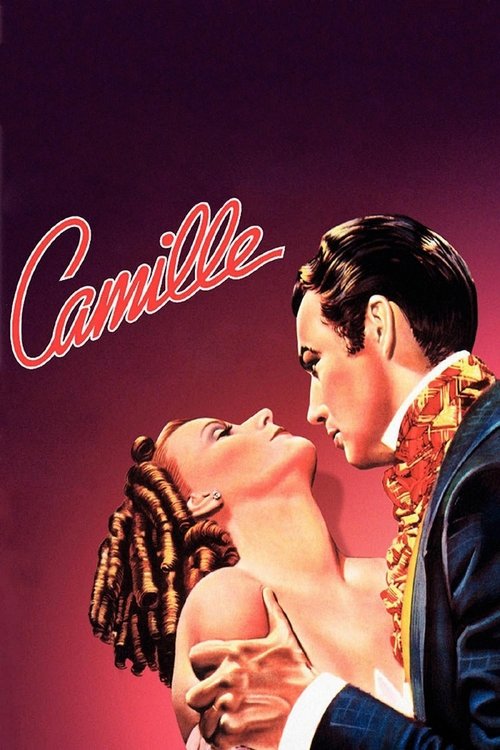
Camille1936
Greta Garbo's last great leading role, playing a courtesan with dignity and wit. Cukor's direction is elegant and restrained—he knows when to let the actress carry the scene, when to puncture it with irony.
But It's a tragedy about a woman who dies of consumption, and the plot mechanics of 1930s melodrama can feel overly neat and dated.
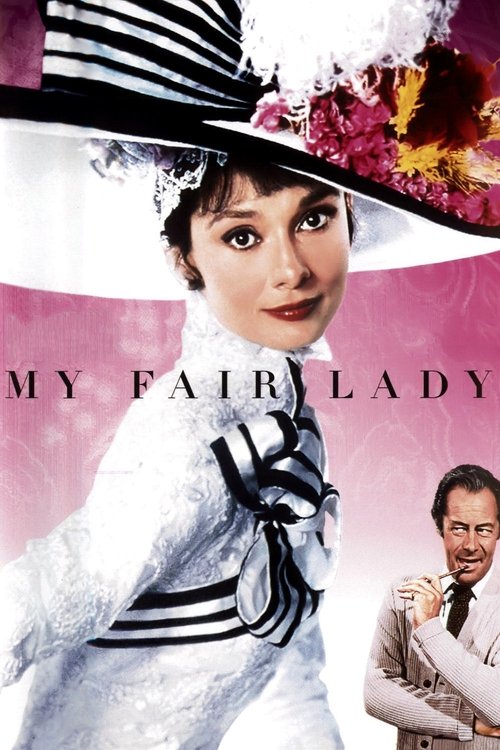
My Fair Lady1964
Rex Harrison and Audrey Hepburn in Lerner and Loewe's masterpiece, directed with clarity and precision. The dance numbers, the costumes, the romance—it's a complete film experience, and Cukor orchestrates it all without losing intimacy.
But Henry Higgins is fundamentally unpleasant, and the film's ending asks you to accept that Eliza will marry him anyway. The power dynamics haven't aged gracefully.
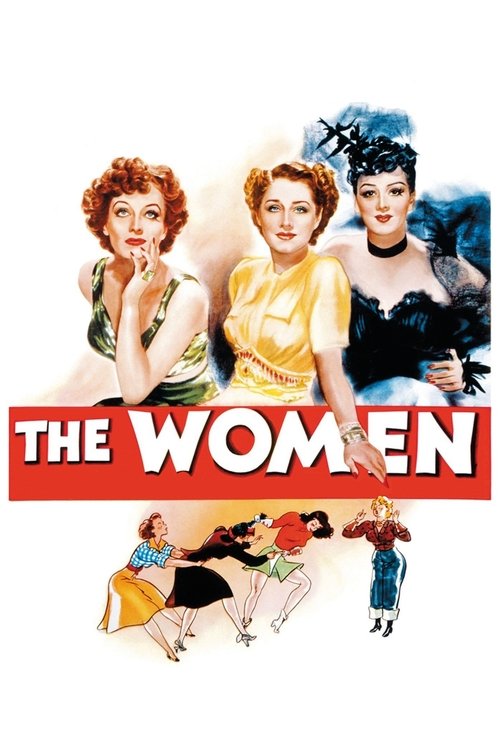
The Women1939
An all-female cast (except for a single phone voice) dissecting marriage, friendship, and betrayal with savage humor. Cukor captures the textures of female relationships—the loyalty and the cruelty in equal measure.
But The bitchiness is relentless, and some of the fashion-obsession feels shallow, even as satire. It can wear you out.
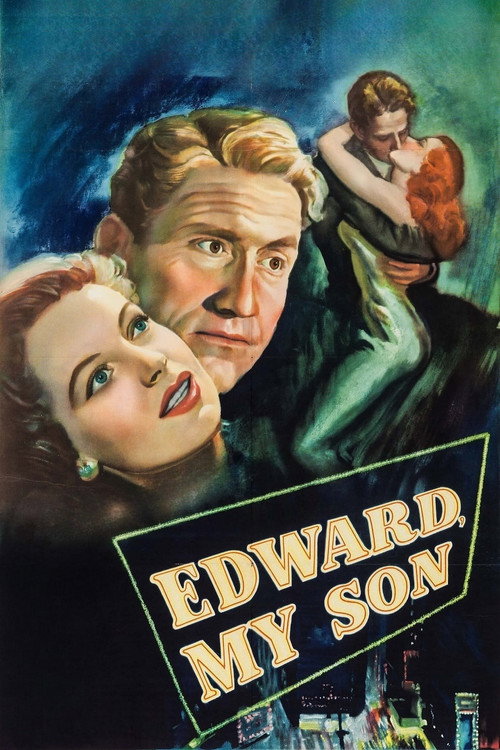
Edward, My Son1949
Spencer Tracy and Deborah Kerr in a domestic drama about a man whose ambition corrupts his family. It's a quieter Cukor, more interested in moral consequence than wit, and Tracy's performance has a rare vulnerability.
But It's emotionally bleak and doesn't offer much catharsis. The child at the center of the story is never actually seen, which creates a strange absence at the film's heart.
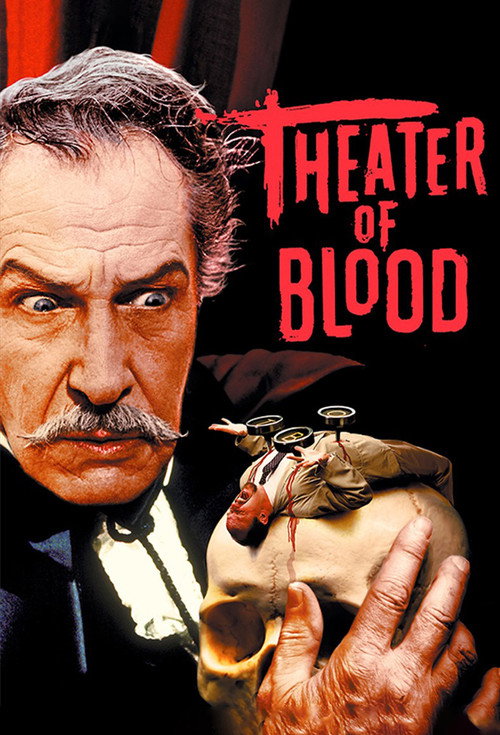
Theatre of Blood1973
Cukor understood that actors could elevate material—that even frivolous scripts became dignified when acted with commitment. Price does that here with ghoulish glee. Both films trust their stars completely.
Vincent Price as a Shakespearean actor murdering theater critics using methods from the Bard's plays. It's campy, gory, operatic trash—but made with real craft and intelligence. Price gives everything to it, and the film never winks at you.
But It's violent and genuinely unpleasant in places. The gore is theatrical, but it's still gore, and the humor sits right on top of real menace in ways that won't land for everyone.
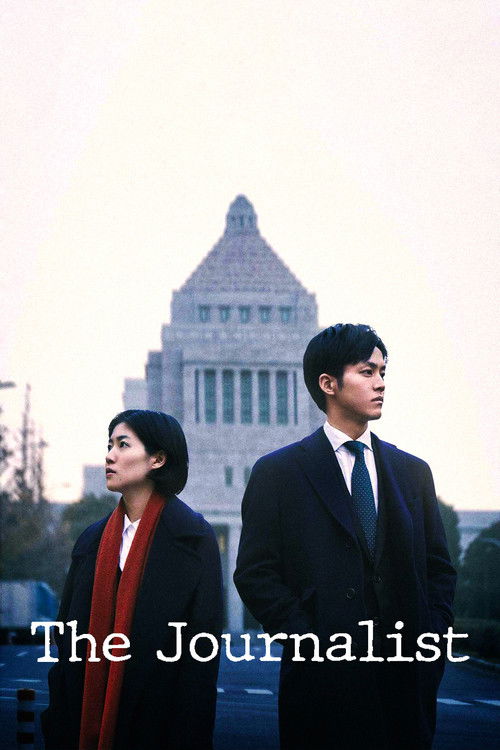
The Journalist2019
Like Cukor's best work, it sees women as complete moral agents, not types. The lead character is smart, flawed, and fighting against systems designed to silence her. Both directors refuse to simplify.
Michihito Fujimoto's Japanese drama about a female journalist investigating sexual assault in the Tokyo establishment. Shot with documentary clarity, acted with devastating restraint. It's about the cost of speaking truth, and it respects the audience's intelligence entirely.
But It's slow, somber, and offers no cathartic victory. The film ends in moral ambiguity, and some viewers will find that unsatisfying or depressing.
People
Cast
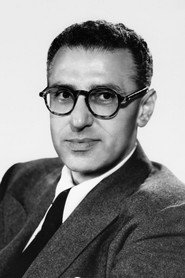 George CukorSelf (archive footage)

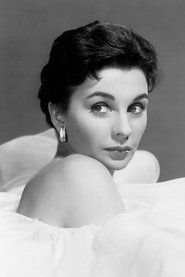 Jean SimmonsNarrator
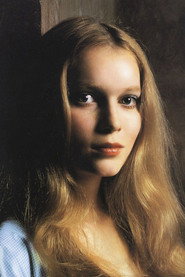 Mia FarrowSelf
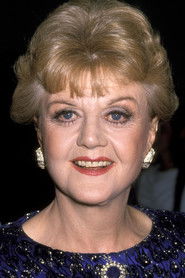 Angela LansburySelf
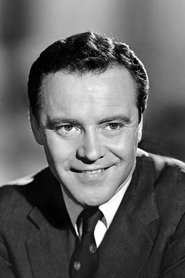 Jack LemmonSelf
- Gene AllenSelf
 Jeanine BasingerSelf
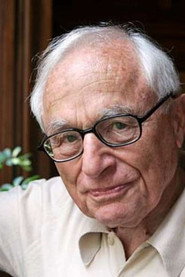 Walter BernsteinSelf
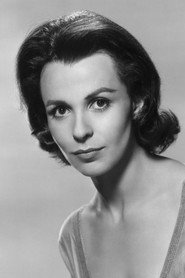 Claire BloomSelf
- David DenbySelf
- Tucker FlemingSelf
Directing
- Robert TrachtenbergDirector
Writing
- Robert TrachtenbergWriter
Production
- Robert TrachtenbergProducer