
Film
Edward, My Son
- Family drama
- Slow-burning
A ruthless businessman's life unravels after his son's death, forcing him to confront decades of moral compromise, a marriage corroded by his ambition, and the terrible cost of getting everything wrong. Spencer Tracy delivers a masterclass in remorse. It's a portrait of damage that cuts deeper the longer you sit with it.
If you liked this
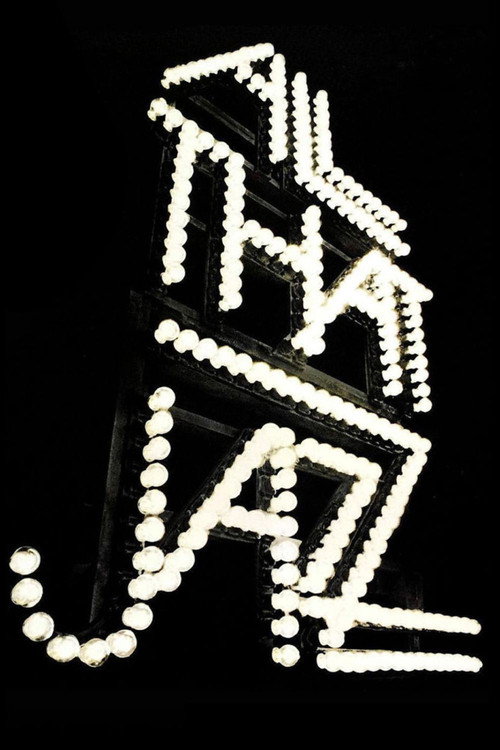
All That Jazz1979
Fosse's semi-autobiographical nightmare about artistic obsession destroying everything personal around it. Like Edward, My Son, it's about a brilliant man who sacrifices his family on the altar of his own needs, but with dazzling visual audacity.
But Deliberately ugly and self-flagellating. The tone is unsparing and it doesn't offer catharsis so much as a mirror you don't want to look in.
Requiem for a Dream2000
Four parallel descents into addiction and self-destruction, each moral compromise smaller than the last until nothing remains. It shares Edward's unflinching anatomy of how good people become bad through a thousand small choices.
But Grueling and suffocating. Aronofsky doesn't let you look away, and the final act is genuinely hard to endure.

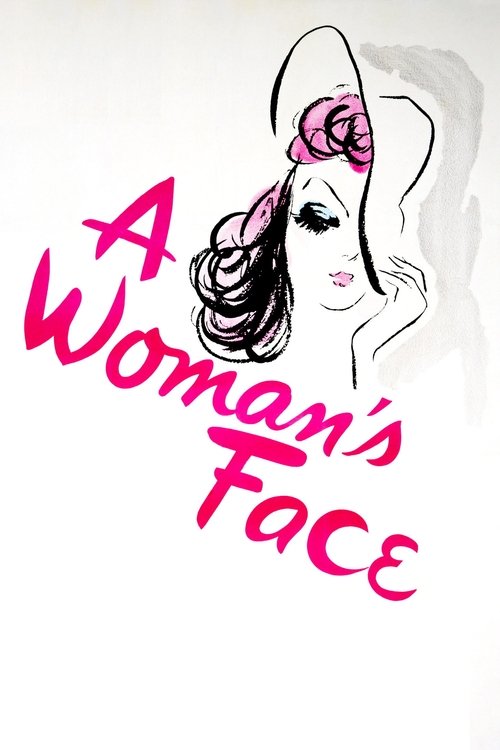
A Woman's Face1941
Joan Crawford's corrupt schemer gets her redemption arc reversed—she's worse at the end than the beginning. Cukor's melodrama understands moral erosion in ways most films don't, and Crawford is electric.
But Pre-war Hollywood melodrama can feel creaky. The psychology is sound but the style dates noticeably.
Not sure tonight? Get a pick in a minute, starting from Edward, My Son
The wildcard
Something you would not have found on your own.
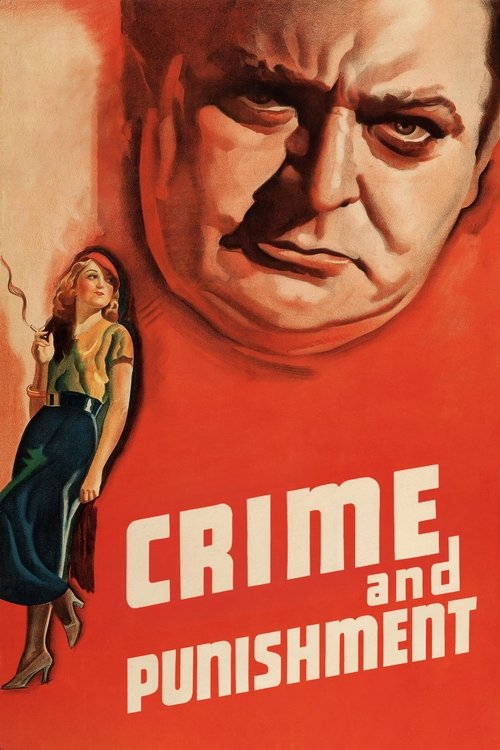
Crime and Punishment1935
Both trace the psychological architecture of a man building an elaborate justification for his own monstrosity, only to discover he's trapped inside it.
Sternberg's adaptation has Raskolnikov as a failed, bitter intellectual whose murder isn't grand moral philosophy but petty revenge on a pawnbroker. Like Edward, it's about a man constructing justifications for cruelty and finding he can't undo what he's done.
But Silent-era Russian melodrama adapted into 1930s Hollywood. The pacing is glacial and the emotional register can feel very distant.
More like this (8)
The Best Years of Our Lives1946
Three soldiers return from war to find domestic life stranger than combat. It has Tracy's generation's understanding of duty, sacrifice, and how men hide damage. Wyler's direction is patient and heartbreaking.
But Nearly four hours and deeply American in its idealism. If postwar sentiment bores you, this won't move you.

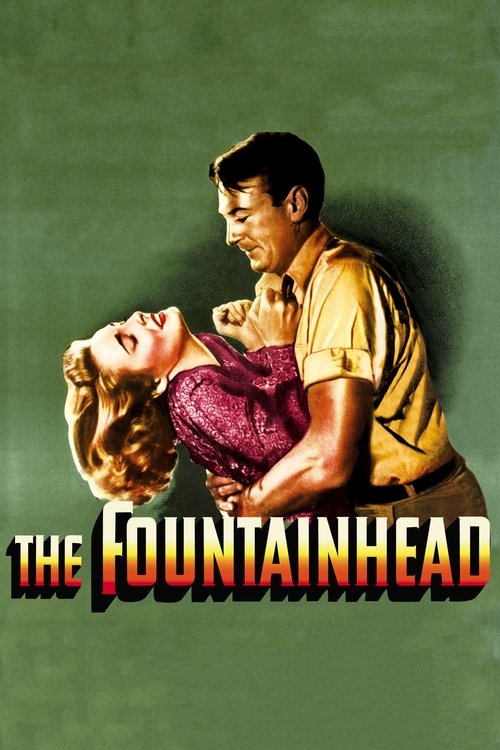
The Fountainhead1949
Gary Cooper's architect will destroy anyone who stands between him and his vision. It's the dark mirror to Edward—here the man wins, and we see exactly what he's left behind.
But Ayn Rand's ideology is indigestible for many, and the film doesn't critique it. The sexual politics are appalling by any standard.
Kes1970
A boy's cruelty stems from the cruelty done to him. Ken Loach's brutal realism shows how damage replicates across generations without melodrama or easy answers.
But Northern English working-class setting feels remote if you're not from it. The ending is genuinely upsetting.

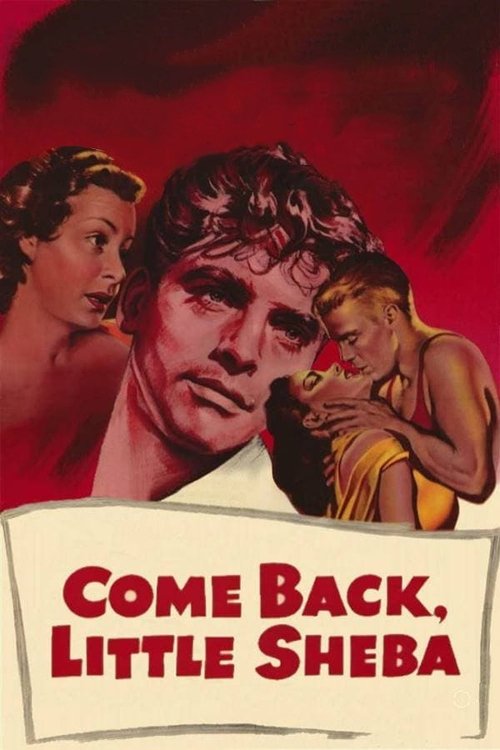
Come Back, Little Sheba1953
Burt Lancaster and Shirley Booth as a married couple drowning in regret and failed dreams. Like Edward, it's about two people locked together who have poisoned the marriage through their own choices.
But Stagey and slow. The melodrama can feel overwrought if you don't connect early.
The Asphalt Jungle1950
Huston's heist procedural is really about how ambition and compromise corrupt everyone it touches. Sterling Hayden is magnificent as the man whose one job destroys everything he values.
But Hardboiled and cynical. If you want hope or heroism, this offers neither.

In a Lonely Place1950
Bogart as a violent man others believe he's murdered his lover. Ray's direction is claustrophobic and paranoid, exploring how reputation and character collapse under suspicion.
But Bleak and suffocating. There's no redemption and no one is truly innocent.

Ikiru1952
Both are about a man at life's end forced to honestly assess the wreckage of his choices, but Ikiru finds grace where Edward finds only ash.
Kurosawa's bureaucrat discovers he's dying and finally asks what his life meant. It's not about business or ambition like Edward, but about the exact same reckoning—what was it all for? Achingly beautiful and wise.
But Japanese cinema with subtitles. The pacing is contemplative to the point of stopping. It will move you or frustrate you with no middle ground.

Krisha2016
Both observe how ordinary people do damage to those closest to them not through malice but through the grinding daily compromises of living, and how those people never really understand what they've done.
Sergei Loznitsa's documentary about a family building a house in Ukraine is formally austere and devastatingly about how love and ambition can coexist with casual cruelty. No plot, just behaviour and consequence.
But It's a documentary. If you're looking for dramatic arc or resolution, it offers none. The pacing is observational and slow.

People
Cast
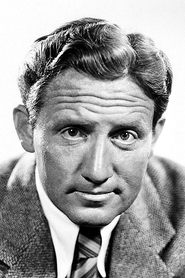 Spencer TracyArnold Boult
 Deborah KerrEvelyn Boult
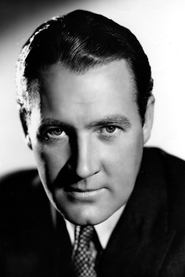 Ian HunterDoctor Larry Woodhope
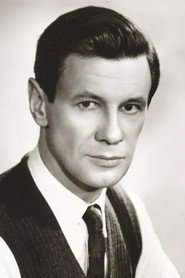 James DonaldBronton
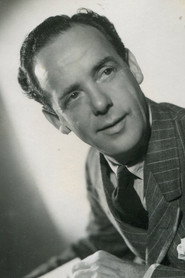 Mervyn JohnsHarry Sempkin
 Leueen MacGrathEileen Perrin
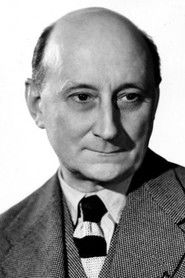 Felix AylmerMr. Hanray
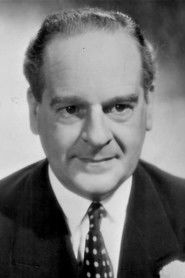 Walter FitzgeraldMr. Kedner
- Tilsa PageBetty Foxley
Directing
- George CukorDirector
Writing
- Noel LangleyTheatre Play
- Robert MorleyTheatre Play
- Donald Ogden StewartWriter
Production
- Irene HowardCasting
- Edwin H. KnopfProducer
- Dora WrightProduction Manager