
Film
The Journalist
A Japanese investigative reporter pursues a government cover-up, facing institutional resistance and personal danger. Tense, deliberately paced, grounded in the mechanics of journalism and power. For anyone who's ever wanted to see how stories actually get made—and what it costs.
Should you watch it?
Watch it if you like political stories where the pressure is paperwork, phone calls and a reporter's stubbornness rather than car chases, and you want a cover-up unpicked slowly.
Skip it if you want brisk momentum from the first minute, because this one lets its case assemble at a deliberate pace and rarely lets its tension spike.
What it asks of you: Just under two hours of patient, mostly sober pacing, with dread built from conversations and documents rather than set pieces.
Not sure? Find tonight's pick in a minute.
If you liked this
Spotlight2015
The gold standard for procedural journalism drama. Follows a team of Boston Globe reporters investigating institutional abuse with meticulous detail, moral clarity, and genuine suspense about whether the truth will emerge.
But Slow-burn pacing with no action sequences or dramatic shortcuts. If you need constant plot momentum, this will feel like watching people make phone calls.

All the President's Men1976
Woodward and Bernstein pursuing Watergate; this is what *The Journalist* is descended from. Gripping, intelligent, and it proves that watching someone follow a lead can be genuinely thrilling.
But The historical context matters heavily. Without knowing why Watergate mattered, some scenes play as bureaucratic minutiae rather than explosive revelation.

Ghostland2018
Another South Korean drama about institutional corruption and the lone figure fighting it. Shares *The Journalist*'s willingness to let tension build slowly and trust the audience's intelligence.
But It's bleaker in tone. If you're watching for catharsis or a clear victory, you'll leave unsatisfied.

Not sure tonight? Get a pick in a minute, starting from The Journalist
The wildcard
Something you would not have found on your own.
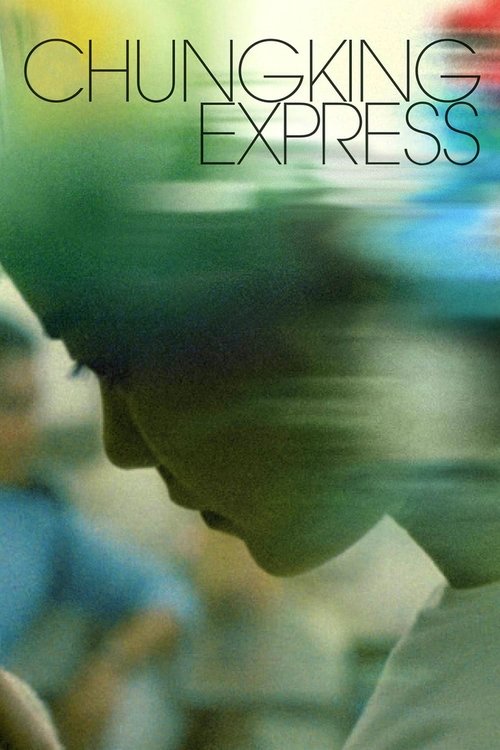
Chungking Express1994
Both films use visual language to suggest institutional alienation—*The Journalist* through grey bureaucratic spaces, *Chungking Express* through gorgeous alienation. Both are about trying to connect across systems that keep you isolated.
Wong Kar-wai's fragmentary love story shot through Hong Kong's neon-soaked streets. Seems unrelated, but it's about loneliness within crowded systems, information passed between strangers, and the gap between what you see and what's true.
But Abstract, poetic, deliberately refuses plot clarity. If you need narrative coherence or a conventional arc, you'll find it frustrating.
More like this (8)
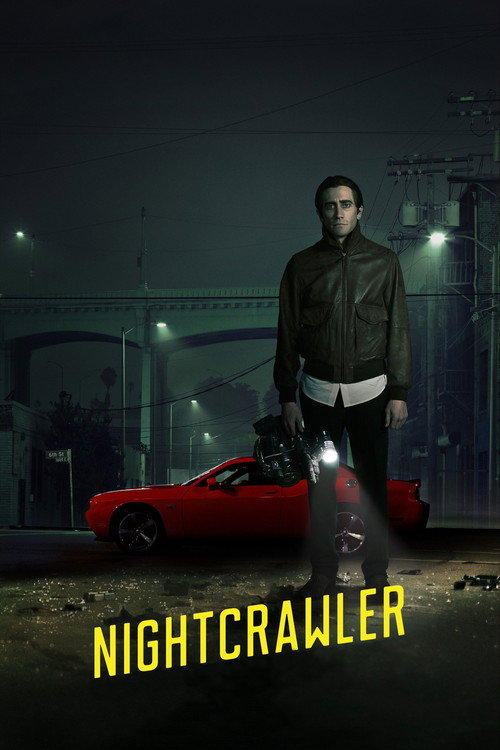
Nightcrawler2014
A different angle on journalism's dark side. Jake Gyllenhaal as a freelancer willing to compromise ethics for a story. Gripping moral descent that mirrors the institutional questions in *The Journalist*.
But Protagonist is actively despicable. If you need someone to root for, this will feel punishing rather than thrilling.
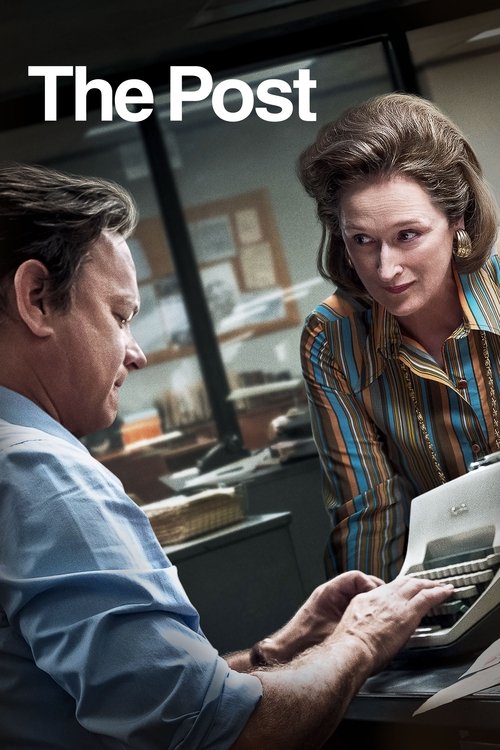
The Post2017
Tom Hanks and Meryl Streep as the Washington Post leadership deciding whether to publish the Pentagon Papers. Elegant argument about press freedom with two brilliant performances.
But Feels occasionally like cinema-for-civics-class. The stakes, while real, don't have the grinding tension of stories playing out in real time.
Veep2012
Seven seasons of institutional satire that proves government and media dysfunction can be both hilarious and genuinely revealing. Sharp writing about how power actually operates.
But Anarchic comedy tone is almost the opposite of *The Journalist*'s gravity. If you want serious, this might feel glib.

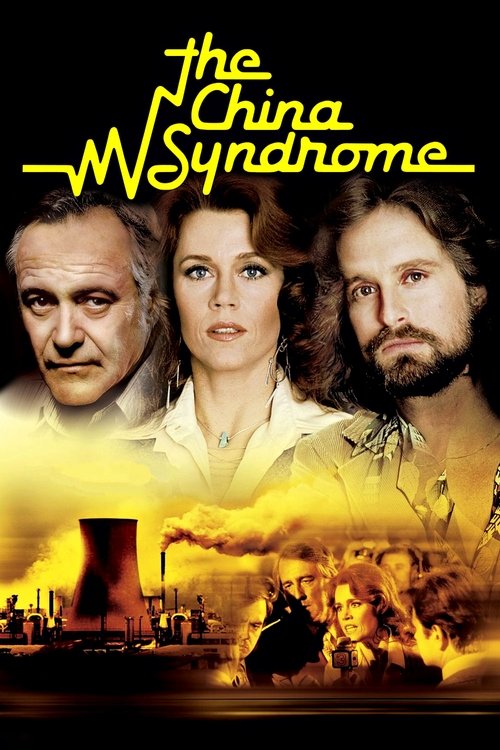
The China Syndrome1979
Jane Fonda and Jack Lemmon investigating a cover-up at a nuclear plant. A genuine thriller about bureaucratic corruption that was prescient and still grips like a vice.
But 1979 aesthetics and pacing won't appeal to everyone. It moves deliberately by modern standards.
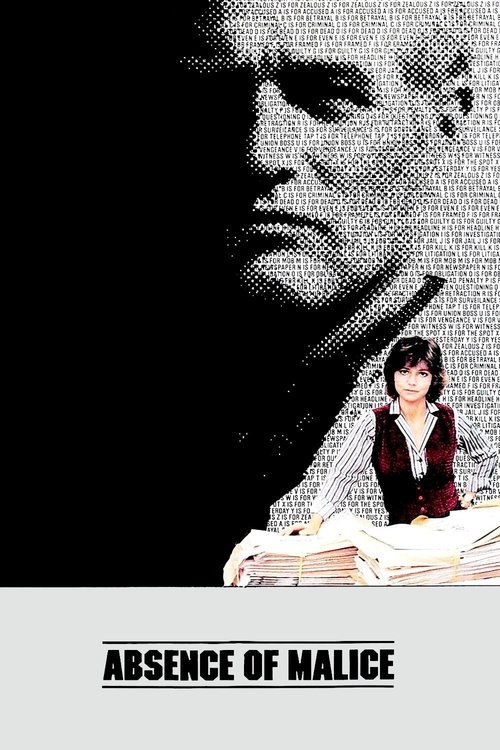
Absence of Malice1981
Paul Newman and Sally Field in a sharp courtroom drama about journalistic responsibility. Raises hard questions about whether the pursuit of truth justifies collateral damage.
But Somewhat dated in tone and style. The legal arguments, however sound, move at a pace some will find static.
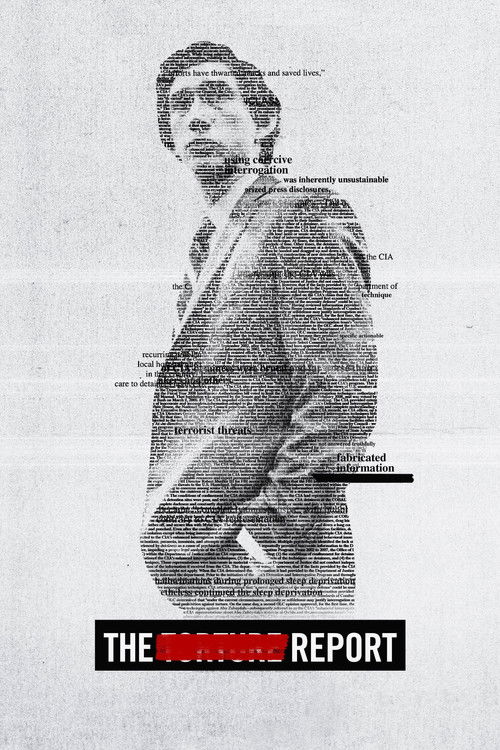
The Report2019
Adam Driver investigating CIA torture. Like *The Journalist*, it's about a single person trying to expose an institution's secrets, with mounting bureaucratic obstruction and personal cost.
But Grim subject matter without much light. The film doesn't offer moral comfort, only documentation of harm.
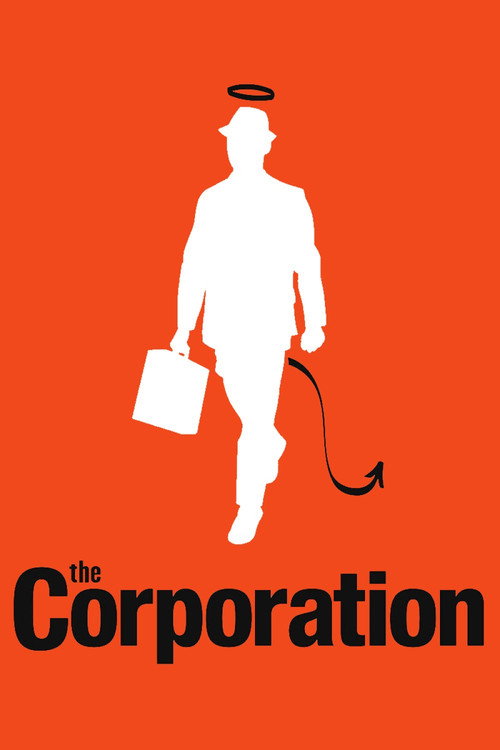
The Corporation2003
Where *The Journalist* dramatizes resistance to institutional accountability, this documentary maps the psychology of that resistance. Same adversary, completely different method.
Documentary that treats a corporation as a patient, analyzing its psychology and pathology. Intellectual thriller about how institutions resist accountability, told through interviews, montage, and sharp editing.
But It's an argument, not a story. No narrative arc, no characters you follow. If documentaries feel like homework, this will reinforce that feeling.
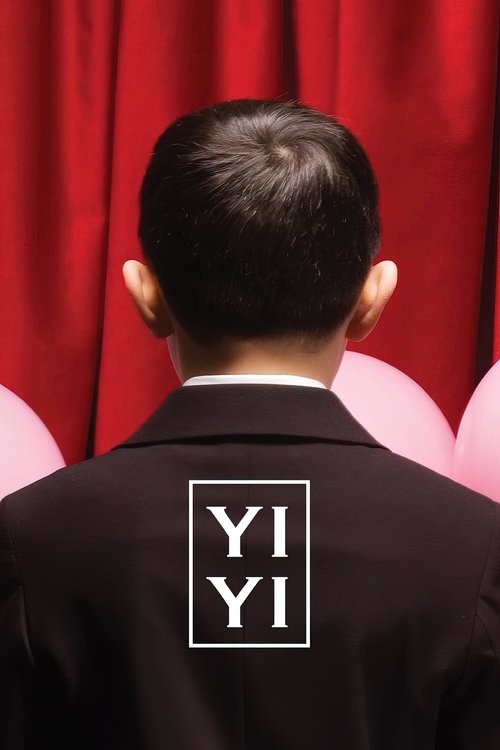
Yi Yi2000
Both films trust silence and observation. *The Journalist* builds tension from what's withheld; *Yi Yi* builds meaning from what's shown but not explained. Both believe the audience can sit with uncertainty.
Edward Yang's three-hour Taipei family epic. Sprawling, patient, about ordinary people navigating through systems and each other. Camera observes rather than judges; meaning emerges from accumulated detail.
But Three hours with no plot you'd recognize. Long, quiet sequences. Requires the patience of a journalist waiting for a source to arrive.
People
Cast
 Shim Eun-kyungErika Yoshioka
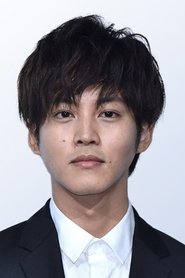 Tori MatsuzakaTakumi Sugihara
 Tsubasa HondaNatsumi Sugihara
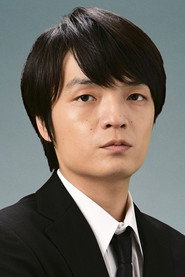 Amane OkayamaDaisuke Kuramochi
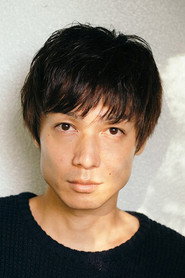 Tomohiro KakuTamotsu Sekido
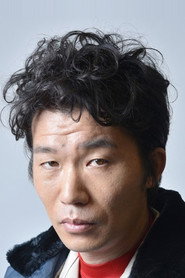 Tsutomu TakahashiRyoichi Tsuzuki
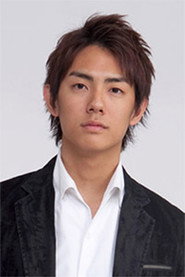 Seiya OsadaMasato Kawai
 Hina MiyanoChika Kanzaki
 Naomi NishidaNobuko Kanzaki
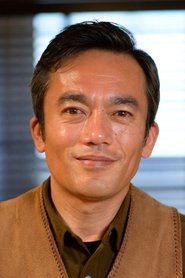 Kazuya TakahashiToshinao Kanzaki
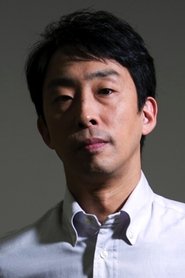 Yukiya KitamuraKazumasa JInno
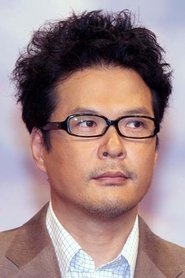 Tetsushi TanakaTomoya Tada
Directing
- Michihito FujiiDirector
Writing
- Isoko MochizukiNovel
- Akihiko TakaishiScreenplay
- Michihito FujiiScreenplay
- Roba ShimoriScreenplay
Production
- Masahiro HandaCo-Producer
- Ryo YukizaneCo-Producer
- Haruo OkamotoExecutive Producer
- Mitsunobu KawamuraExecutive Producer
- Takashi HirayamaLine Producer
- Akihiko TakaishiProducer
Recommended by
Beyond Rangoon, Catching Killers, Loving Highsmith, Talvar, Chief of Staff, Under the Bridge, On Cukor