
Film
Camille
Other titles called Camille: the 1921 film, the 2008 film.
Garbo's Camille is 1930s Hollywood at its most lacquered and aching — a courtesan falling for a love she can't keep, filmed with soft-focus glamour and real heartbreak underneath it. It's less about plot mechanics than about watching one of cinema's great faces do quiet, devastating work. For lovers of old-studio melodrama and tragic romance done with total conviction.
Should you watch it?
Watch it if you love classic Hollywood melodrama where a doomed romance is carried by a famous face, glittering period sets, and tender restraint rather than modern frankness.
Skip it if you want a brisk, contemporary love story; the pace is deliberate, the dialogue is stagey and formal, and the emotional register runs high and old-fashioned.
What it asks of you: Settle in for about an hour and a half of unhurried scenes, with slow glances and long pauses, and a willingness to let heightened sentiment play out without irony.
Not sure? Find tonight's pick in a minute.
If you liked this
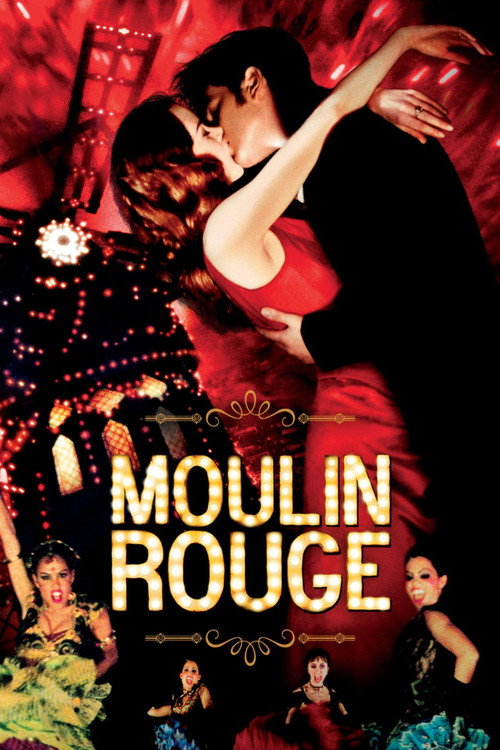
Moulin Rouge!2001
Baz Luhrmann all but remakes Camille as a jukebox musical — the courtesan, the doomed love, the cough that spells tragedy — but drenched in neon and pop songs. Same heartbreak, volume turned all the way up.
But The frantic editing and wall-to-wall singing can feel exhausting if you wanted quiet, controlled melodrama instead.
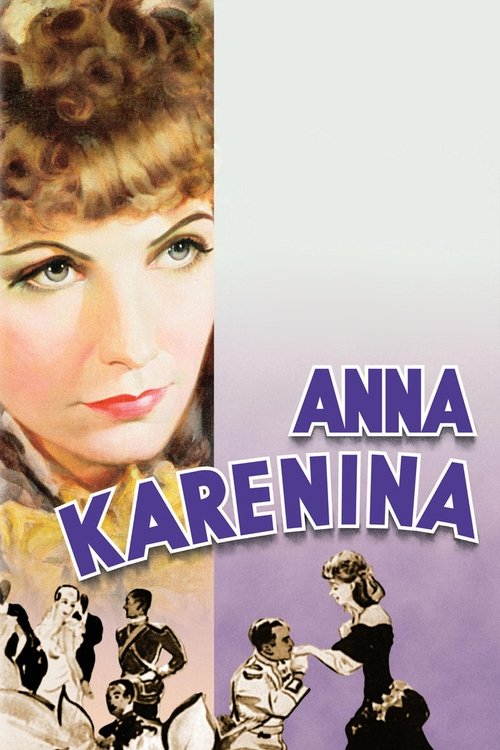
Anna Karenina1935
Garbo again, another doomed society woman destroyed by love and reputation, filmed the same year in the same lush MGM house style. Watch her hit the same tragic note from a different angle.
But Tolstoy's plot is colder and more socially punishing than Dumas's, with less warmth and more scandal.
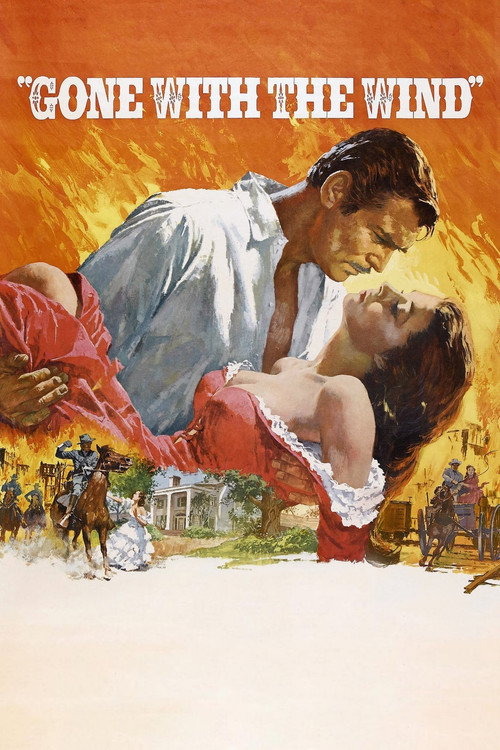
Gone with the Wind1939
Another sweeping, gorgeously mounted romance where a willful woman's survival instincts collide with a love she can't quite hold onto. Same golden-age glamour, vastly bigger canvas.
But Nearly four hours long, and its treatment of race and the antebellum South has aged very badly.
Not sure tonight? Get a pick in a minute, starting from Camille
The wildcard
Something you would not have found on your own.
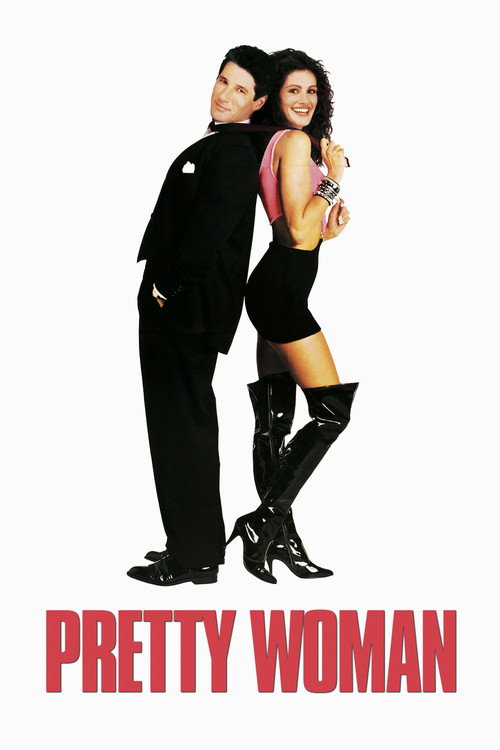
Pretty Woman1990
It's the courtesan-and-gentleman story reheated as a rom-com, letting the 'wrong kind of woman' walk off with the money and the man instead of the illness and the goodbye.
Same premise — a wealthy man falls for a woman selling her company — but here the ending rewrites the tragedy into a fairy tale, limo instead of deathbed.
But If you came for the ache of doomed love, the happy ending might feel like a betrayal of the whole idea.
More like this (8)
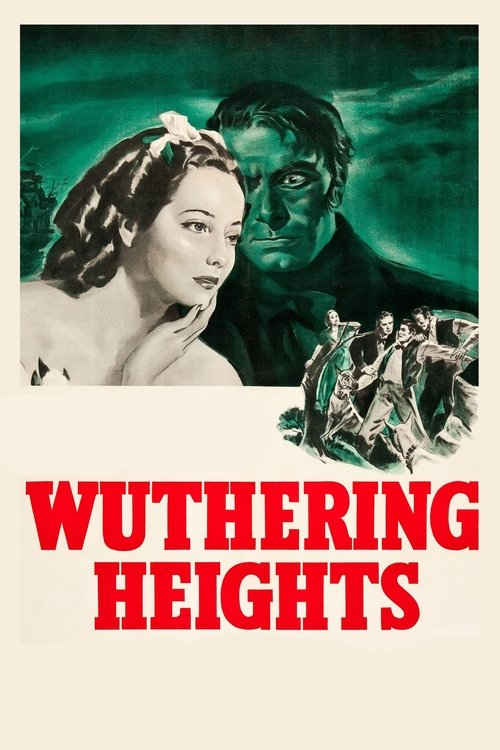
Wuthering Heights1939
Merle Oberon and Laurence Olivier burn through a love that wrecks everyone near it — brooding, doomed, and shot in gorgeous black and white.
But The cruelty between the leads can feel less romantic than punishing by modern standards.
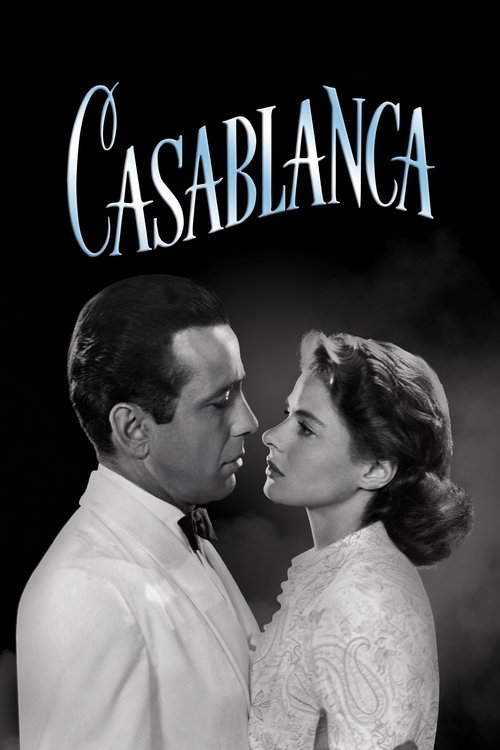
Casablanca1943
Another story of love sacrificed for something larger than itself, with the same gift for making restraint feel like the biggest emotion in the room.
But It's more wartime intrigue than pure romance — politics shares the screen with the heartbreak.
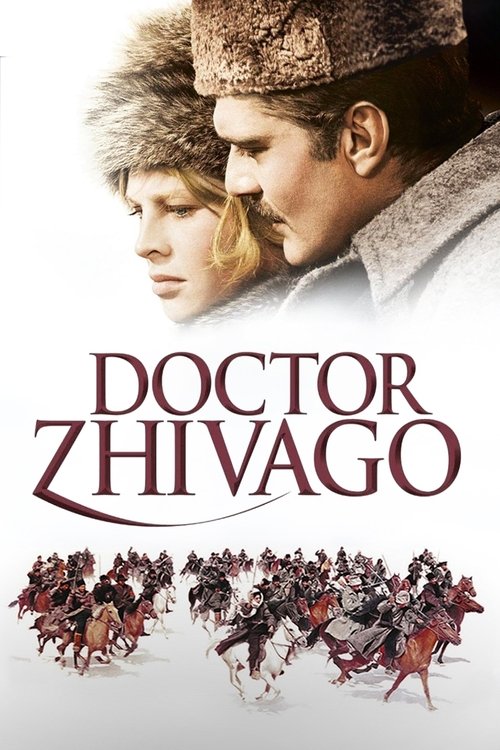
Doctor Zhivago1965
Sweeping, tragic, gorgeously scored romance set against historical upheaval, with lovers kept apart by forces bigger than either of them.
But Over three hours, deliberately slow, and more epic than intimate — patience required.
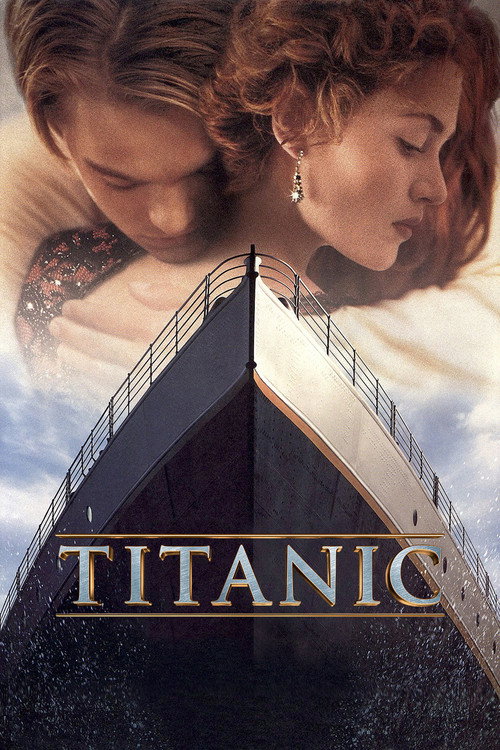
Titanic1997
Class-crossed lovers, a doomed timeline the audience knows from minute one, and the same trick of making you grieve for people you just met.
But The romance is broader and more populist here — less interior ache, more spectacle.
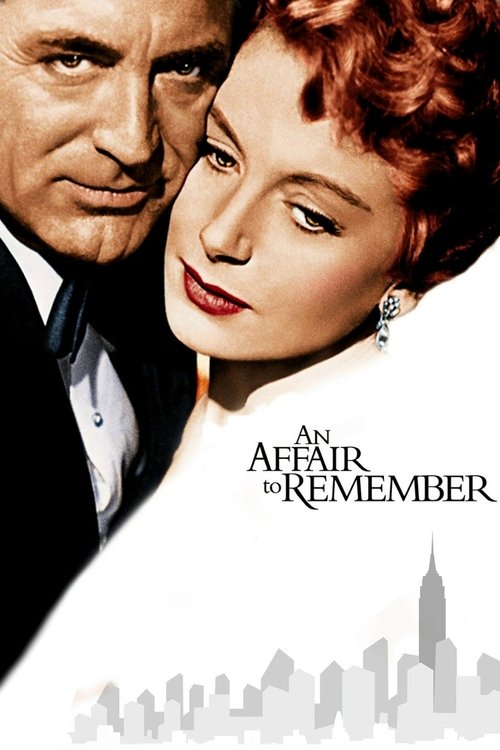
An Affair to Remember1957
Cary Grant and Deborah Kerr in a swoony, bittersweet romance complicated by pride and circumstance, building to a final act that genuinely guts you.
But Its sentimentality is completely unapologetic; if you want irony or edge, look elsewhere.
Breakfast at Tiffany's1961
Holly Golightly is Marguerite's cousin in spirit — charming, evasive, monetizing her charm while genuinely falling for a man who complicates everything.
But It's lighter and funnier, with none of Camille's fatalism — comedy first, tragedy a distant second.

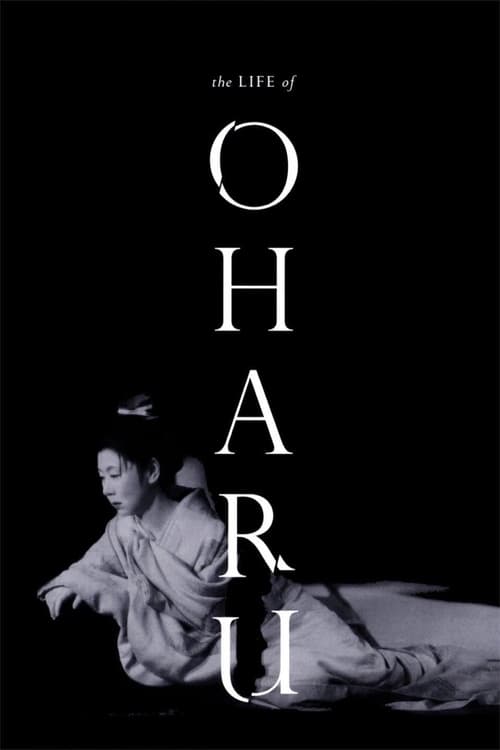
The Life of Oharu1952
Same basic figure — a woman whose worth is decided by men and money — stripped of Hollywood's velvet, showing what the 'fallen woman' story looks like without the sympathetic lighting.
Mizoguchi's story of a courtesan's slow social destruction is unsparing where Camille is romantic — no glamour here, just consequence, filmed with devastating clarity.
But It's bleak, slow, and offers none of Garbo's soft-focus comfort — this is punishment, not swoon.
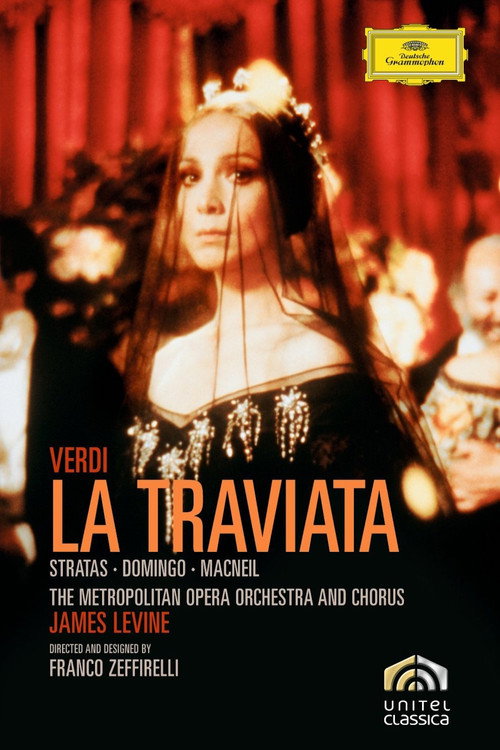
La traviata1982
It's literally the same character from the same Dumas novel, filmed as opera instead of melodrama — proof the story survives any format you pour it into.
Zeffirelli's opera film tells Marguerite's exact story from the same source novel — but sung, with Verdi's score doing the emotional work Garbo did with her face.
But Opera's heightened style and subtitled arias are a big ask if you're not already opera-curious.
People
Cast
 Greta GarboMarguerite Gautier
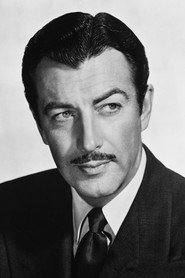 Robert TaylorArmand Duval
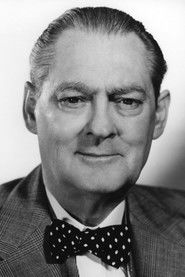 Lionel BarrymoreMonsieur Duval
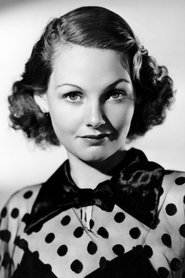 Elizabeth AllanNichette
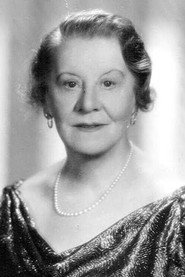 Jessie RalphNanine
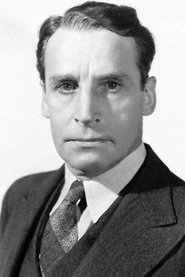 Henry DaniellBaron de Varville
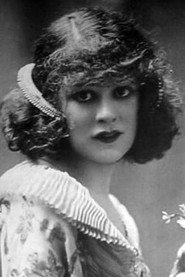 Lenore UlricOlympe
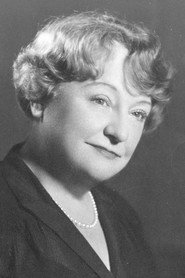 Laura Hope CrewsPrudence Duvernoy
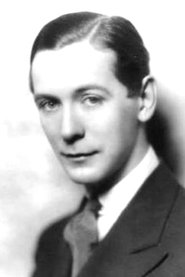 Rex O'MalleyGaston
 Lita ChevretWoman in Theatre Box (uncredited)
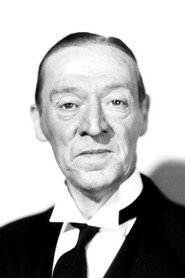 E. E. CliveSaint Gaudens (uncredited)
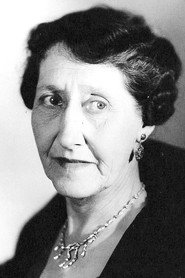 Elspeth DudgeonFireplace Attendant (uncredited)
Directing
- George CukorDirector
Writing
- Alexandre Dumas filsNovel
- Frances MarionScreenplay
- James HiltonScreenplay
- Zoë AkinsScreenplay
Production
- David LewisAssociate Producer
- Bernard H. HymanProducer
- Irving ThalbergProducer
Recommended by
La traviata, Man's Castle, Peter Ibbetson, Love Story, Queen Christina, A Tale of Two Cities, Anna Karenina, A Woman of Affairs, The Hollywood Revue of 1929, Morning Glory, Madame du Barry, Maytime, Moulin Rouge, Madame Butterfly, Show Boat, Naná, Anna Christie, The Loves of Edgar Allan Poe, Tosca, Danton, On Cukor, The Awful Truth, Mayerling, Anthony Adverse