
Film
Man's Castle
A Depression-era romance that finds tenderness in poverty. Spencer Tracy and Loretta Young play two people trying to build a life in a shantytown, where survival and love collide. It's intimate and unglamorous, focused on small gestures and difficult choices rather than grand drama. For anyone who loves character-driven work from cinema's early decades.
Should you watch it?
Watch it if you like lovers drifting through hard times on sheer stubbornness and tenderness, a romance that finds its warmth in squalor and never quite cleans itself up.
Skip it if you need brisk plotting and sharp edges, because its loose, sentimental scenes meander and its romance leans earnest rather than wry.
What it asks of you: Its 75 minutes move quickly, but the mood is slow and patient, letting silences and shabby rooms do much of the talking while you sit with their hard circumstances.
Not sure? Find tonight's pick in a minute.
If you liked this
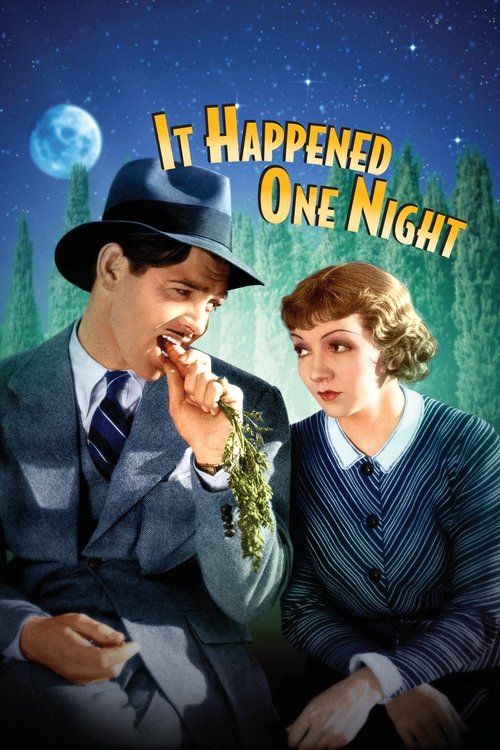
It Happened One Night1934
Capra's screwball masterpiece about two people thrown together against the odds, finding romance in constraint and wit. If you loved the chemistry between Tracy and Young, this is essential—though the tone is lighter and breezier.
But The pacing and some stylistic choices feel distinctly 1930s. If you prefer plot to character byplay, long stretches will feel slow.
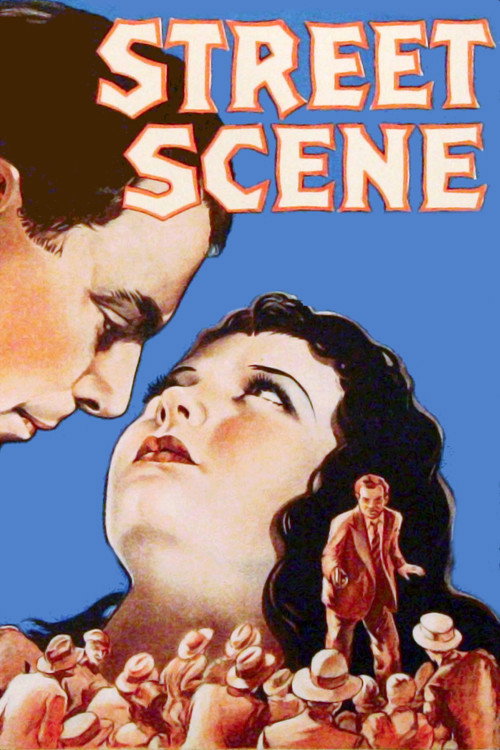
Street Scene1931
King Vidor's devastating look at tenement life, where small dramas unfold in the heat and confinement of the poor. The same unflinching eye on Depression hardship, the same sense that ordinary people contain whole worlds.
But It's even more deliberately paced than Man's Castle. The film trusts silence and observation in ways modern audiences sometimes find punishing.
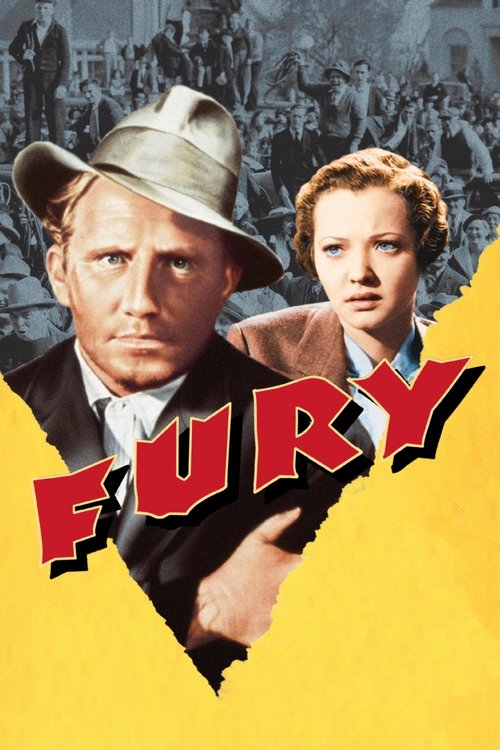
Fury1936
Fritz Lang's brutal portrait of American justice and mob violence, starring Spencer Tracy as an ordinary man destroyed by circumstance. Same actor, same era, same interest in how systems crush individuals—but far darker in tone.
But This is heavy going. It builds to genuine horror and doesn't look away. Not a film that leaves you feeling warm.
Not sure tonight? Get a pick in a minute, starting from Man's Castle
The wildcard
Something you would not have found on your own.
Sunrise: A Song of Two Humans1927
Both films believe that the presence of another person is the only bulwark against despair. Both find salvation in domestic intimacy rather than escape. Both ask: what does it mean to choose to stay?
Murnau's silent film about a husband tempted away from his wife by a city woman, then finding his way back through catastrophe. It shares Man's Castle's fundamental architecture—two people defining each other against the world—but in the language of German Expressionism. The emotional truth is identical; everything else is transformed.
But Silent film with intertitles, and Murnau's style is deliberately artificial and stylized. If you want naturalism, this will feel theatrical and dated. Also, it requires patience with its pacing.

More like this (8)
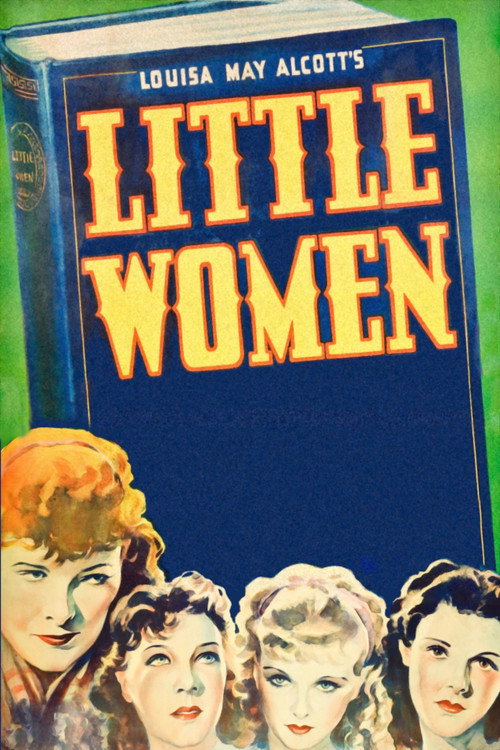
Little Women1933
George Cukor's version prioritizes the emotional lives and choices of its women in ways that feel radical. Like Man's Castle, it understands that intimacy and constraint can generate real drama without external spectacle.
But It's sentimental in places, and the Alcott source material pulls toward sentimentality. Some may find it cloying where Man's Castle is unsentimental.
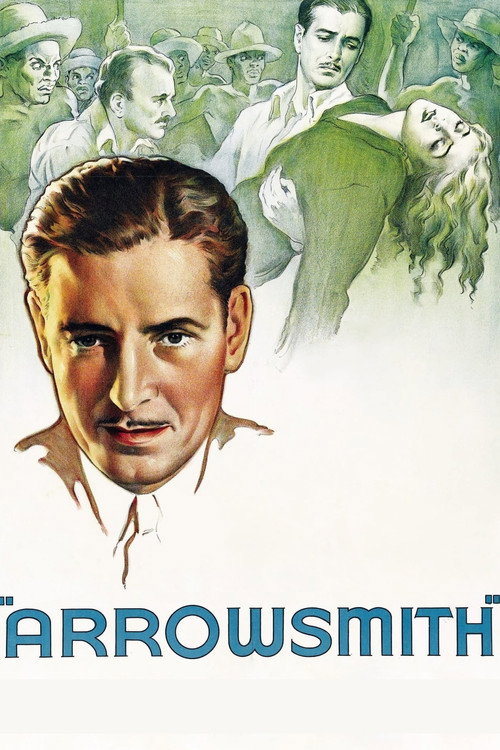
Arrowsmith1931
John Ford and Ronald Colman make a film about sacrifice and calling that never grandstands. Quiet, principled, focused on what people owe each other. The same register of intimate realism you'll find in Man's Castle.
But Colman is terribly earnest, and the film's pacing can feel glacial. Medical drama of this era doesn't always age well.
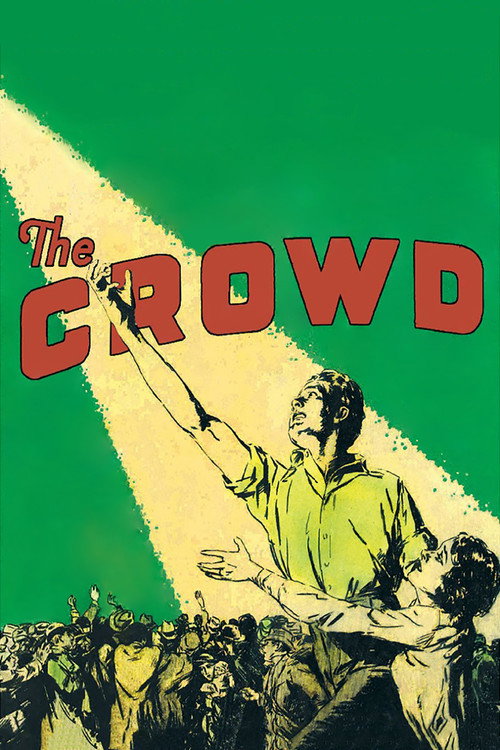
The Crowd1928
King Vidor's silent masterpiece about an ordinary man in the city, trying to build a life and failing. It's the spiritual ancestor of everything about Man's Castle—the theme, the tone, the dignity offered to small lives.
But It's silent. If subtitles feel like a barrier rather than a gateway, you'll struggle. And the ending is brutal.
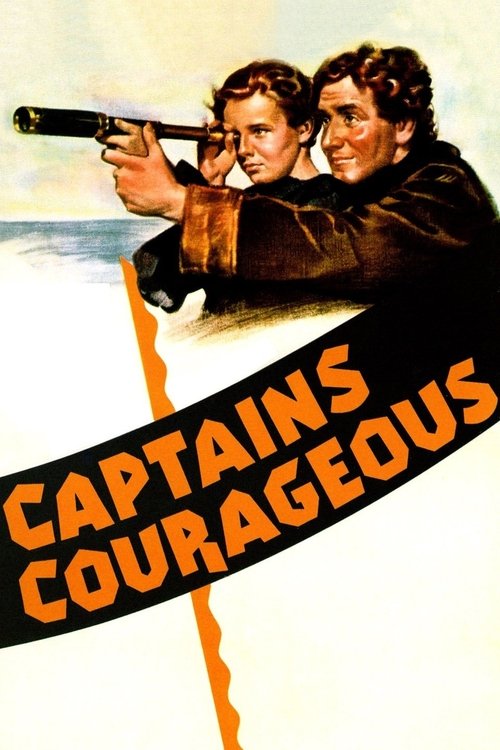
Captains Courageous1937
Spencer Tracy again, this time as a working fisherman—relaxed, grounded, entirely natural. It's lighter than Man's Castle, but you get the same sense of an actor playing a man doing his job without pretense.
But It's a MGM production and feels more conventionally romantic. Less interested in the real economics of hardship than in a good story.
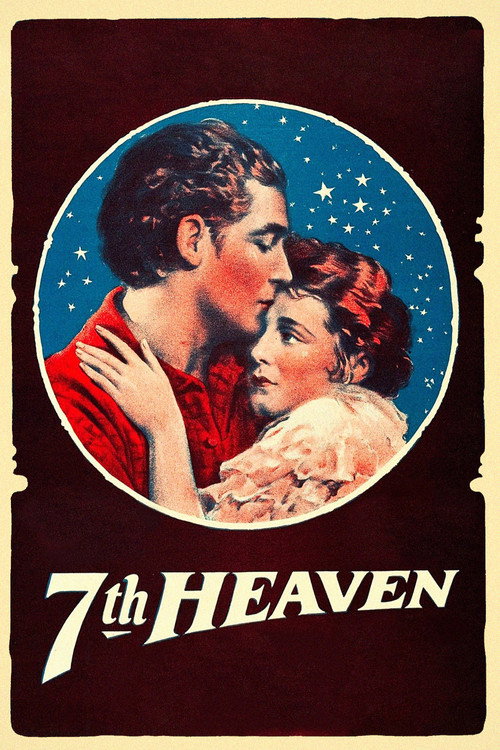
7th Heaven1927
Borzage's silent romance between a street sweeper and a girl, tender and unashamed of its sentimentality. If you respond to the emotional core of Man's Castle—two people finding each other in poverty—this is where that lineage begins.
But It's very much a silent film, and the romanticism is extreme. The plot hinges on contrivances that strain belief.
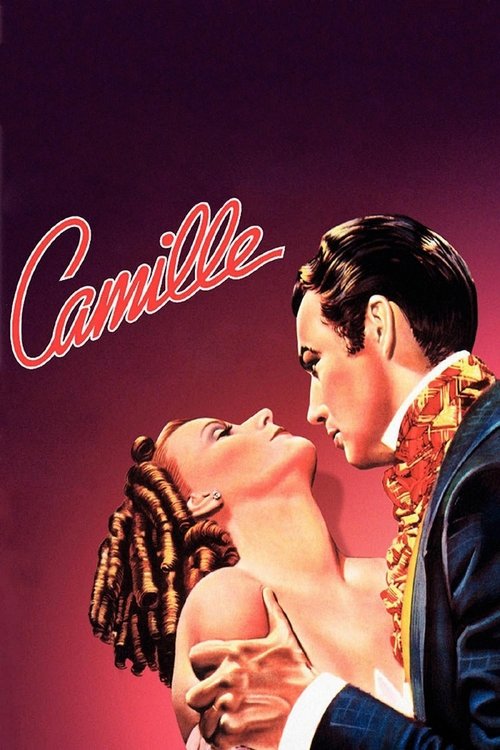
Camille1936
Cukor's gorgeously crafted tragedy about love and class, with Greta Garbo at her most luminous. A counterpoint to Man's Castle: here, poverty and circumstance destroy love rather than crystallize it.
But It's emotionally exhausting and ends in death. The visual beauty can feel at odds with the misery being depicted—some find it too ornate.
Bicycle Thieves1948
Both films understand that poverty is not a backdrop but a condition that shapes every choice and every emotion. Both find their drama in the ordinary decisions of ordinary people trying to maintain dignity and love.
De Sica's neorealist masterpiece about a father and son in postwar Rome, searching for a stolen bicycle. Like Man's Castle, it's set among the poor and treats their lives with complete seriousness. No melodrama, no condescension—just the texture of survival and the bonds that hold people together when everything else is fragile.
But It's Italian neorealism: non-professional actors, deliberately plain cinematography, no plot in the conventional sense. It unfolds at its own pace and asks you to find drama in stillness. The ending will wound you.

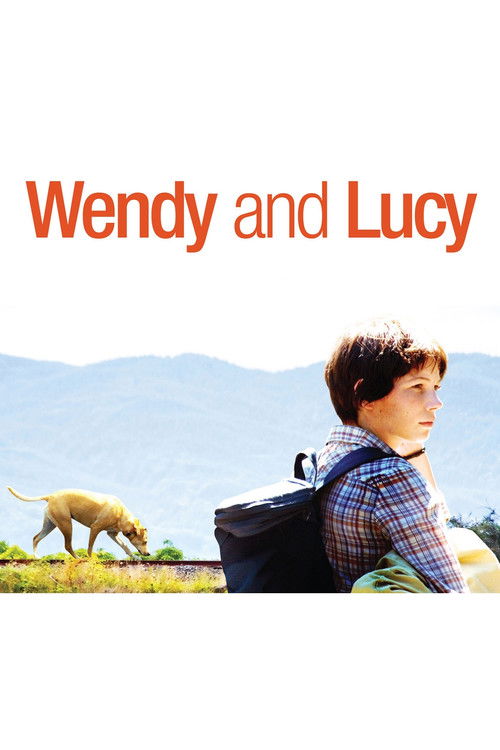
Wendy and Lucy2008
Both films locate humanity and worth in people society has discarded. Both are interested in the small economies of survival—how you stretch money, where you sleep, what you can afford to lose. Both refuse to sentimentalize their characters or their circumstances. Both believe that showing up and staying is enough.
Kelly Reichardt's quiet film about a woman and her dog trying to survive on the road. It has the same unsentimental tenderness as Man's Castle—the same refusal to make poverty picturesque, the same sense that small acts of kindness and small betrayals matter enormously. It's contemporary, but spiritually it's an heir to the Depression cinema of the '30s.
But Nothing happens. The film is deliberately, almost aggressively quiet. Reichardt demands a kind of attention that some find boring rather than meditative. It doesn't conclude; it simply stops.
People
Cast
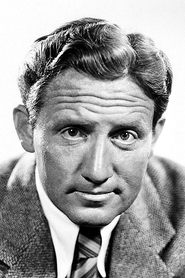 Spencer TracyBill
 Loretta YoungTrina
 Marjorie RambeauFlossie
 Glenda FarrellFay La Rue
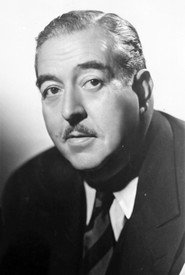
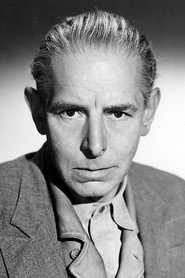 Arthur HohlBragg
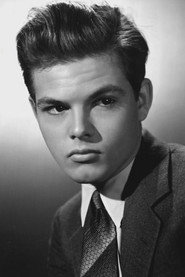 Dickie MooreJoey
- Harry AkstPiano Player (uncredited)
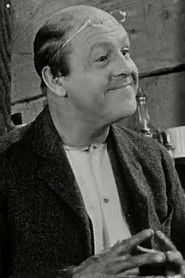 Harvey ClarkCafe Manager (uncredited)
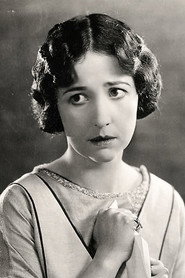 Helen Jerome EddyMother (uncredited)
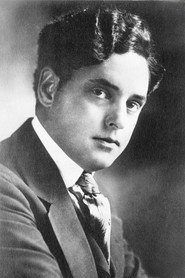 R. Henry GreyHeadwaiter (uncredited)
- Leonard KibrickBaseball Team's Catcher (uncredited)
Directing
- Lew BorzageAssistant Director
- Frank BorzageDirector
Writing
- Jo SwerlingScreenplay
- Lawrence HazardTheatre Play
Production
- Frank BorzageProducer