
Film
Street Scene
A 1931 stage adaptation set on a single city block during a sweltering summer. The camera stays close to ordinary people—immigrants, working families, dreamers—as gossip, desire, and buried resentments simmer. When violence erupts, it feels less like plot twist than inevitable consequence. Elmer Rice's play, filmed with theatrical intimacy, is about the weight of proximity and how small lives contain enormous stakes.
Should you watch it?
Watch it if you love films that unfold like a crowded neighborhood, where dozens of small talks, grudges and flirtations rub against each other until the heat itself feels like a character.
Skip it if you want a tight plot that keeps moving; this is talky, stage-bound and set almost entirely on one street, so the rhythm can feel slow and static at times.
What it asks of you: At 78 minutes it is brief, but it asks you to sit with many voices at once and to let the mood build gradually rather than through incident or sharp cutting.
Not sure? Find tonight's pick in a minute.
If you liked this
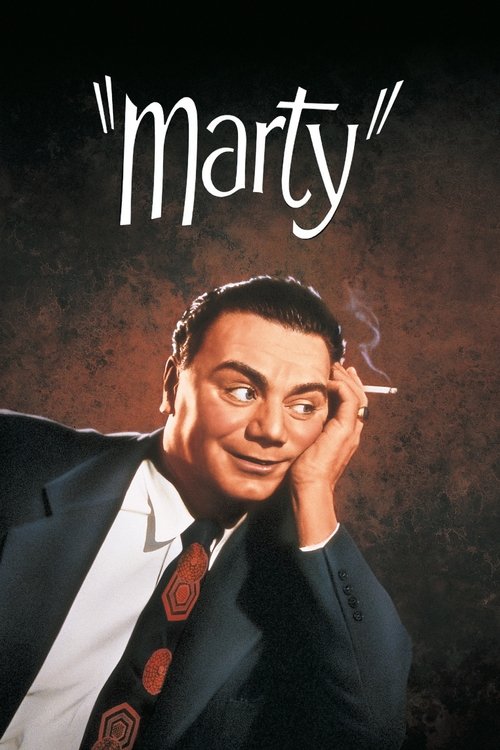
Marty1955
A similarly tender, unglamorous portrait of ordinary city life. Paddy Chayefsky captures the rhythms of working-class New York with the same warm observation—romance, family pressure, and quiet dignity in small moments.
But The pacing is glacial by modern standards, and nothing much 'happens.' If you need plot momentum, this will feel like watching someone decide what to order for lunch.
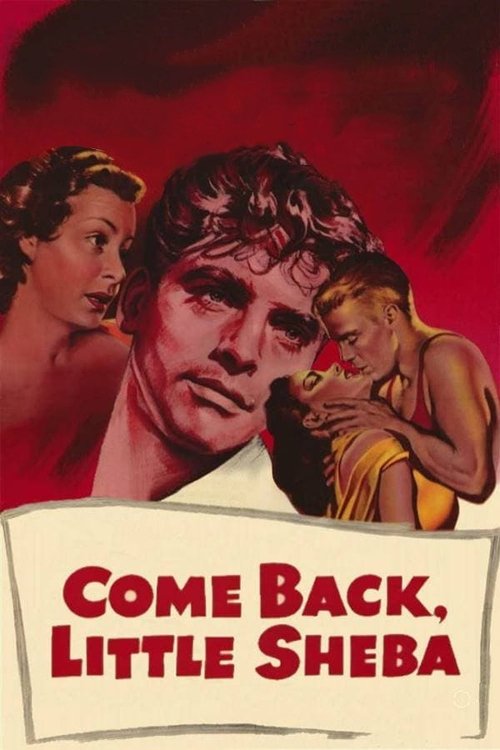
Come Back, Little Sheba1953
Another chamber drama about ordinary marriage and desire. Shirley Booth is extraordinary, the script stays in one place mostly, and it asks what happens when you stop expecting your life to become what you imagined.
But It's deliberately small and static. The emotional payoff requires patience and your own recognition in characters' disappointments.
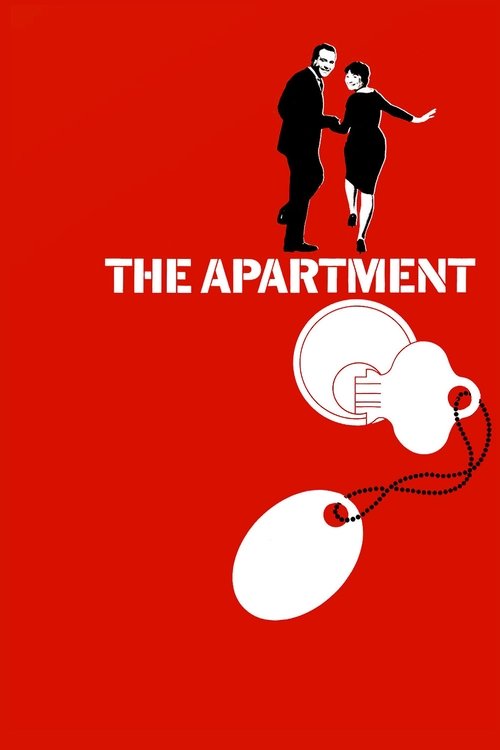
The Apartment1960
A city block's worth of interconnected lives, moral compromise, and the cost of ambition. Billy Wilder moves between romance, tragedy, and satire without losing sight of people caught in larger systems.
But It's much slicker and more plot-driven. If you're drawn to Street Scene's raw, unvarnished quality, this might feel too polished.
Not sure tonight? Get a pick in a minute, starting from Street Scene
The wildcard
Something you would not have found on your own.
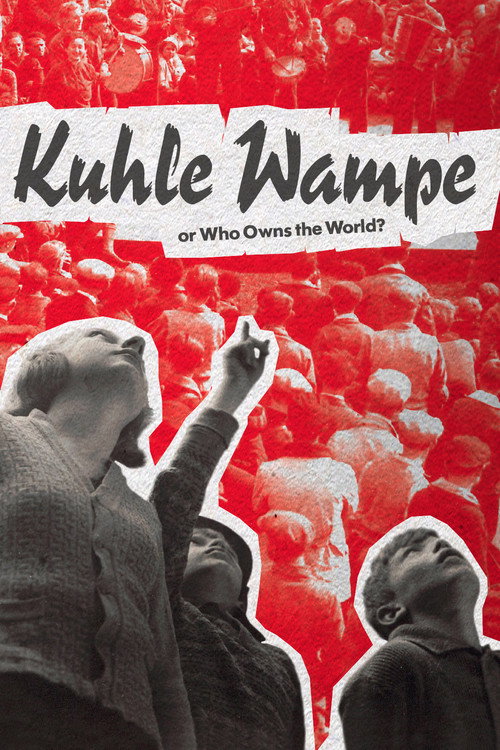
Kuhle Wampe or Who Owns the World?1932
Both are theatre-based block dramas about ordinary people during economic stress, but Kuhle Wampe asks: what if these people organized? Street Scene accepts fate; this film rejects it entirely.
Bertolt Brecht and Slatan Dudow's Weimar-era response to Street Scene's American city block: a Soviet-influenced film about working-class Berlin during economic collapse. It's political where Street Scene is observational, militant where Street Scene is tender, and infinitely more radical in what it thinks people might do.
But The dialectical approach to character and narrative takes work. If you're expecting psychological realism, the didactic elements will feel alien.
More like this (6)
Killer's Kiss1955
Kubrick's second film, shot in a cramped New York neighborhood. Lovers, rivals, and small-time cruelty in tight spaces. The atmosphere is claustrophobic and gorgeous, full of the kind of unhappy people who inhabit Street Scene.
But The narrative is slight and the dialogue can feel awkward. Some will find it more promising than fully realized.

The Best Years of Our Lives1946
An ensemble drama about ordinary Americans learning to live again after war. It has Street Scene's social breadth and refusal to simplify its characters, with extraordinary emotional depth.
But At three-and-a-half hours, it demands commitment. The mood swings between hopeful and devastating, which not everyone finds cathartic.

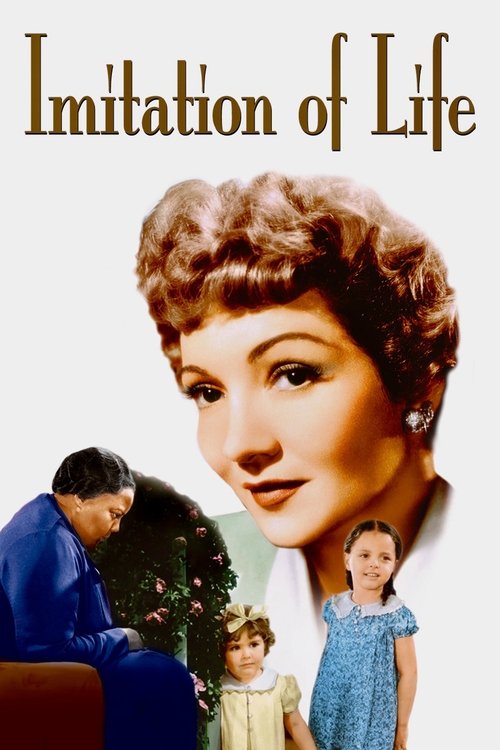
Imitation of Life1934
Another play adaptation about women's lives, ambition, and the gulf between what we want and what's possible. It's melodrama, but with genuine intelligence about class and race.
But The tonal shifts are uneven and some plot elements feel dated. It's more soap opera than Street Scene's realism.
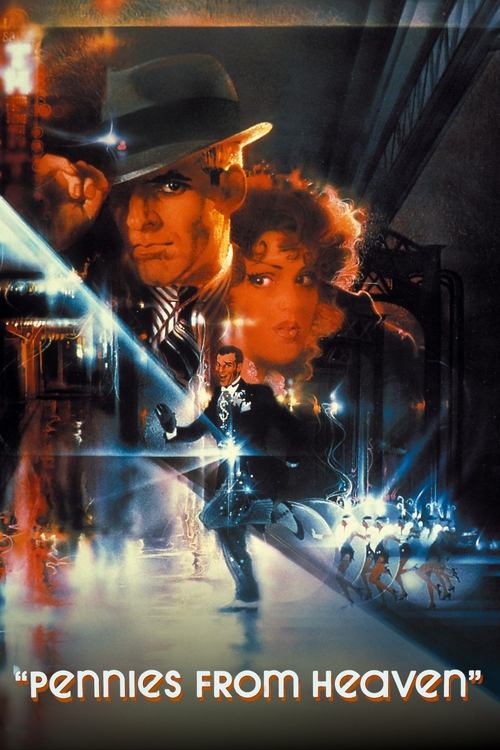
Pennies from Heaven1981
Another Depression-era drama about desire and disappointment in ordinary lives. Dennis Potter's script is bleaker than Street Scene but shares its eye for how small people endure impossible conditions.
But It's relentlessly depressing and sexually explicit in ways some will find excessive. The magical realism moments won't work for everyone.
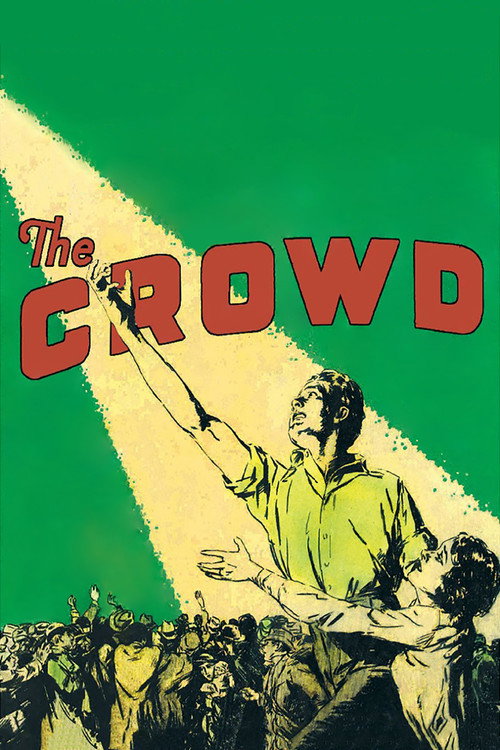
The Crowd1928
King Vidor's silent masterpiece about one couple trying to matter in an indifferent city. It has Street Scene's claustrophobic intimacy and understanding that ordinary life contains genuine tragedy.
But As a silent film, it requires a different kind of attention. The ending is bleak in a way modern audiences sometimes find unsatisfying.
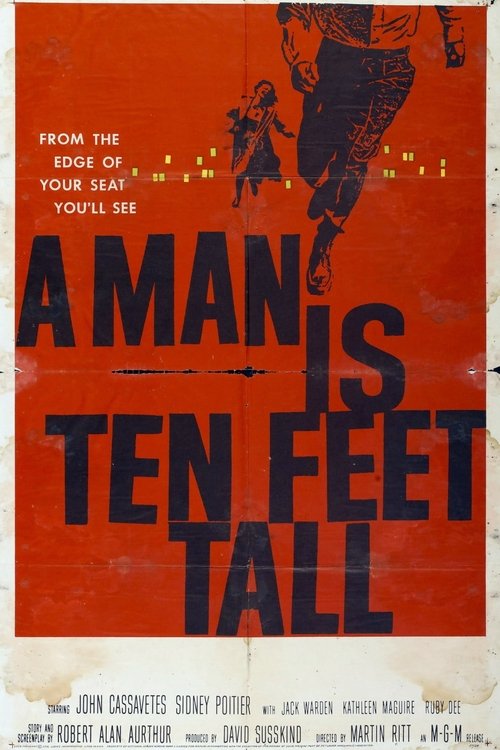
Edge of the City1957
Both are stage-to-screen adaptations about the moral texture of working-class urban life, but where Street Scene is ensemble and diffuse, this tightens the focus to two men and asks: what do we owe each other?
A television play adapted to film: intimate, claustrophobic, set mostly in one location (a dock), with the same focus on working-class New Yorkers caught between ambition and circumstance. Sidney Lumet brings Street Scene's observational eye to the 1950s.
But It's a TV production, so the technical polish is minimal. The noir-ish plot about friendship and betrayal may feel heavier-handed than Street Scene's gossip-and-fate structure.
People
Cast
 Sylvia SidneyRose Maurrant
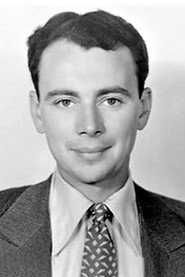 William Collier Jr.Sam Kaplan
 Estelle TaylorMrs. Anna Maurrant
 Beulah BondiEmma Jones
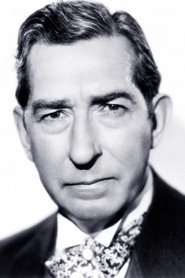 David LandauMr. Frank Maurrant
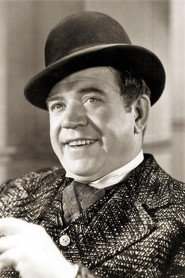 Matt McHughVincent Jones
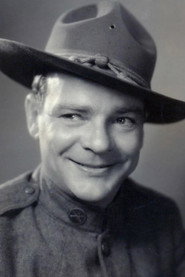 Russell HoptonSteve Sankey
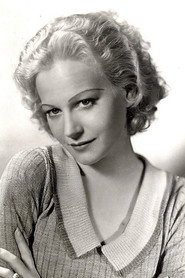 Greta GranstedtMae Jones
- Eleanor WesselhoeftMarguerite 'Greta' Fiorentino
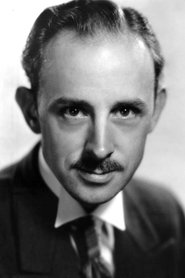 John QualenKarl Olsen (as John M. Qualen)
- Allen FoxDick McGann (as Allan Fox)
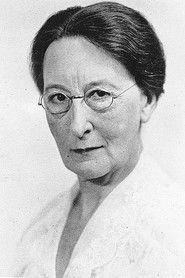 Nora CecilAlice Simpson - Welfare Worker
Directing
- King VidorDirector
Writing
- Elmer RiceAdaptation
- Elmer RiceTheatre Play
Production
- Samuel GoldwynProducer