
Film
Kuhle Wampe or Who Owns the World?
- Social drama
- Very dark
A 1932 Berlin documentary-drama following a working-class family's collapse into homelessness during the Depression. Shot with urgent realism and political passion, it observes poverty without sentimentality—how dignity erodes, how communities form in desperation, how systems fail people. Essential cinema from the moment before everything broke.
Should you watch it?
Watch it if you care more about how a film argues than how it soothes, and you enjoy seeing political ideas built out of street scenes, newspaper headlines, and sudden shifts between documentary and song.
Skip it if you want a story that stays with one character's inner life; this is episodic and often more interested in a family's circumstances than in any single person's feelings.
What it asks of you: Under seventy-five minutes, it is brisk and shifts abruptly between a crowded apartment, the open street and a burst of song, rewarding steady attention over sympathy alone.
Not sure? Find tonight's pick in a minute.
If you liked this
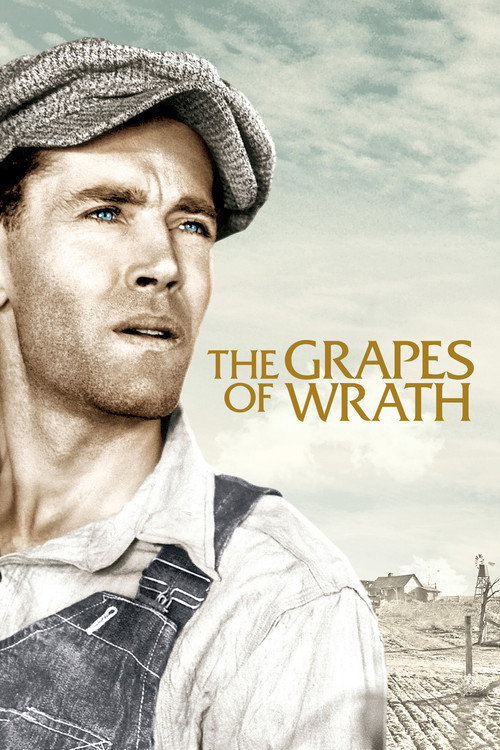
The Grapes of Wrath1940
Steinbeck's Depression epic translated to screen with unflinching power. Follows a displaced family westward, capturing the same rage at economic injustice and the same search for dignity in catastrophe that burns through Kuhle Wampe.
But It's episodic and sometimes stagey; the ending leans toward uplift in ways that can feel earned or false depending on your mood.
Come and See1985
A brutal, unblinking document of war's destruction of childhood and innocence. Like Kuhle Wampe, it refuses to look away from suffering and shows systems grinding individuals into nothing with documentary-like precision.
But Genuinely harrowing. The violence and despair are relentless and not remotely cathartic. This is not comfort viewing.

Kes1970
Working-class British boy finds brief transcendence training a hawk, but class and circumstance drag him back down. Similar texture: affectionate toward its people, merciless about their prospects, shot with observational clarity.
But The ending is devastating in a quiet, unhelpful way. No redemption, no lesson, just life happening to someone powerless.

Not sure tonight? Get a pick in a minute, starting from Kuhle Wampe or Who Owns the World?
The wildcard
Something you would not have found on your own.
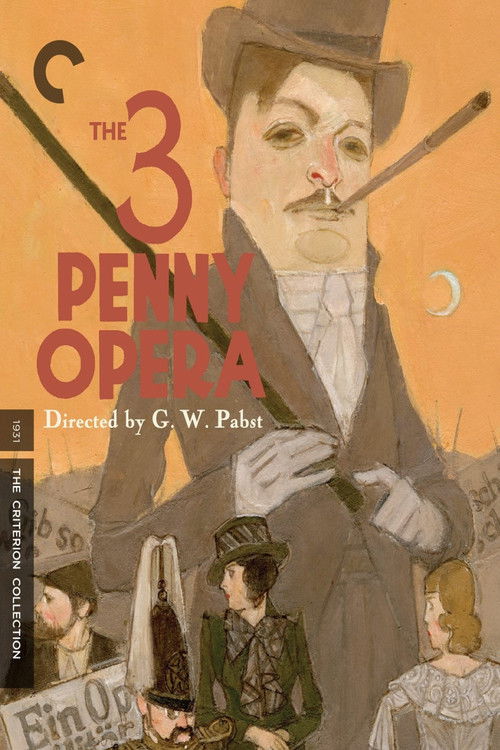
The Threepenny Opera1931
Both made in Weimar Berlin by leftists convinced the world was ending. Both use popular forms (film, musical) as weapons against the assumption that nothing can change. Both know despair and choose politics anyway.
Filmed just before Kuhle Wampe, this Brecht-Weill adaptation is a savage musical satire about corruption, poverty, and the ruling class. Same Berlin, same rage, same conviction that the system is rigged—but told through anarchic cabaret instead of kitchen-sink realism.
But Deliberately ugly and theatrical. The music is discordant on purpose. It doesn't want your sympathy, it wants your anger. Some will find it dated or too arch.
More like this (8)
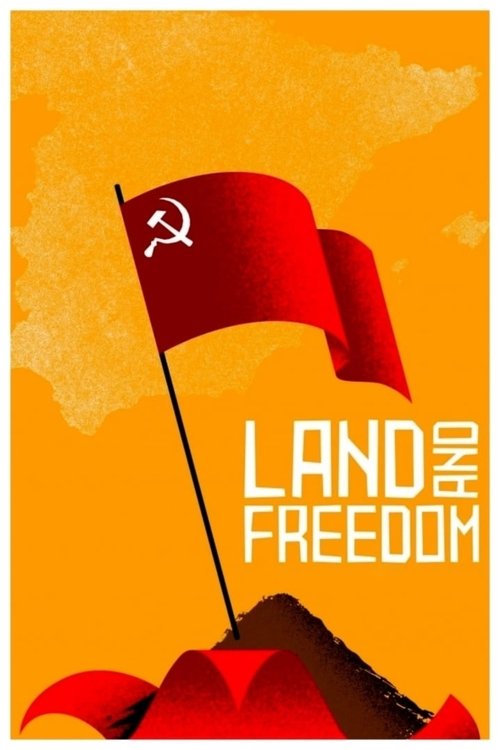
Land and Freedom1995
Loach's Spanish Civil War film uses collective memory and political urgency the way Kuhle Wampe does—the personal and the political are literally the same thing. Both ask who owns the world and what ordinary people will do about it.
But It's didactic. The politics are explicit and the film doesn't pretend to neutrality. If you want ambiguity, this isn't it.
Stalker1979
Andrei Rublev's spiritual successor, this Russian science-fiction meditation on desire, faith, and powerlessness shares Kuhle Wampe's slow-burn intensity and its refusal to comfort you with easy answers.
But It's glacially paced, abstract, and philosophically dense. Patience and metaphorical thinking required. No plot in the conventional sense.

The Battle of Algiers1966
A documentary-style account of urban resistance against colonial occupation. Revolutionary in form and content, it captures how ordinary people become political actors—the same transformation we see in Kuhle Wampe.
But Formally experimental and politically unambiguous. Some will find the style dated; others will argue about whether it glorifies violence.

Bicycle Thieves1948
Italian neorealism at its purest: a man and his son searching for a stolen bicycle in postwar Rome. Economical, observational, and breaks your heart with ordinary life. The same tragic clarity as Kuhle Wampe.
But Nothing happens in the plot sense. It's slow and its sadness is quiet. Some find that profound; others find it slight.

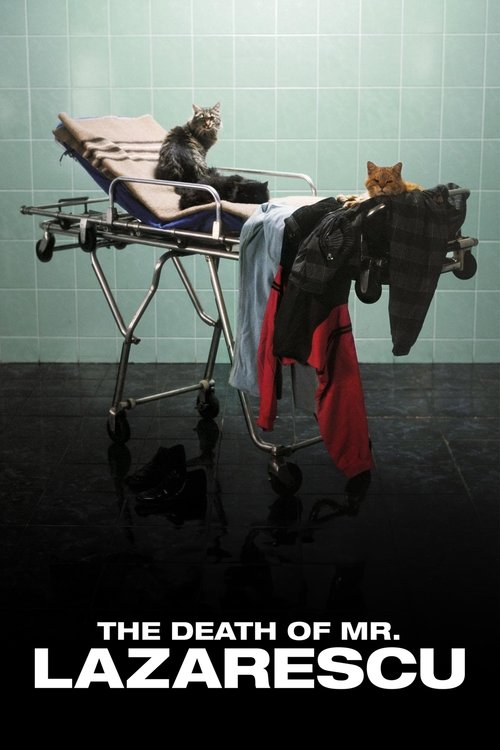
The Death of Mr. Lazarescu2005
A Romanian old man shuffles through a hospital system that doesn't want him. Excruciating, funny, and furious—a study of how institutions discard people. Political without preaching.
But Three hours of bureaucratic indignity. Darkly comic in ways that can feel mean. Not uplifting in any way.
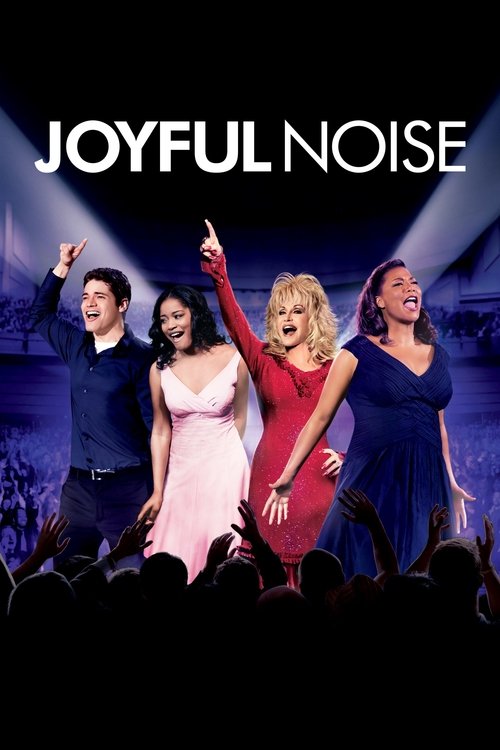
Joyful Noise2012
An Italian family on the margins, observed across seasons. Slow, tactile, and deeply class-conscious. The camera loves them without pitying them—the same complicated gaze Kuhle Wampe turns on its subjects.
But Extremely slow and plotless. Requires you to sit with discomfort and economic anxiety. Italian dialogue, limited subtitles in some versions.
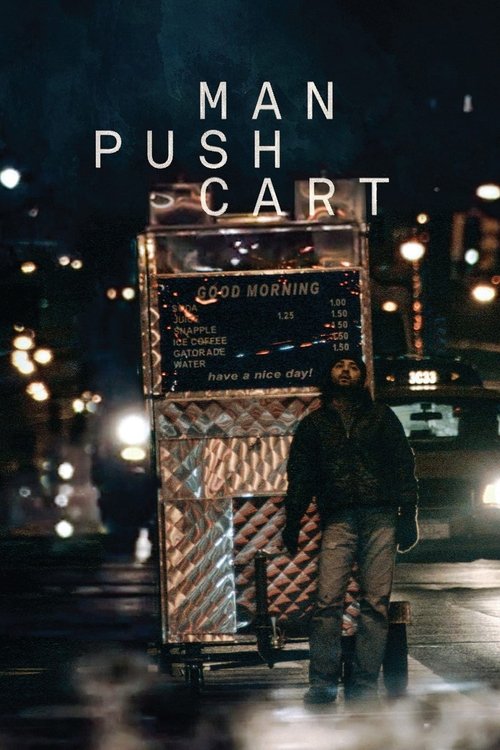
Man Push Cart2006
Both films insist on the full humanity of people the system has discarded. Both use observation rather than narrative to make their argument. Both refuse both pity and sentimentality as routes to understanding.
A Pakistani immigrant in Manhattan sells coffee from a pushcart, watched across one year. Minimal plot, maximum attention to dignity and exhaustion. Shot on digital video like a documentary, it has the same unflinching commitment to seeing working people as Kuhle Wampe does.
But Quiet to the point of invisibility. No arc, no catharsis, no moment where things get better. Contemporary but feels timeless and static.
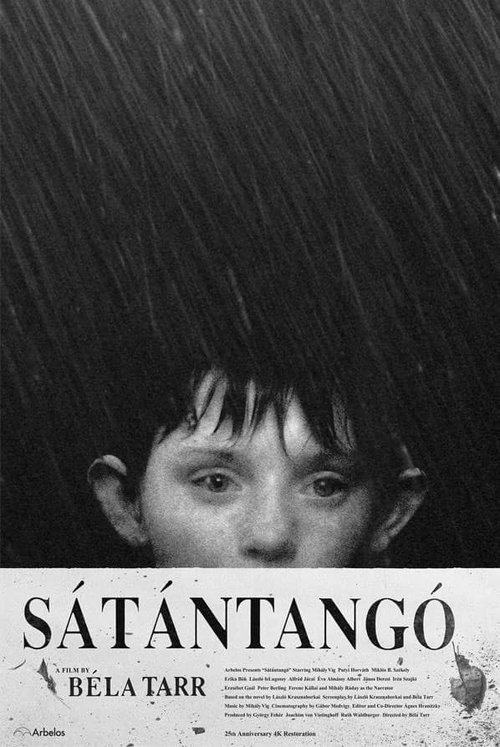
Satantango1994
Both are system-collapse narratives told from below. Both use space (the settlement, the garden colony) as almost a character in itself. Both refuse linear narrative; instead they accumulate mood and implication. Both trust viewers to sit with ambiguity and despair without resolution.
Béla Tarr's seven-and-a-half-hour black-and-white epic of post-communist despair follows people in an abandoned industrial settlement. Hypnotic, furious, and structurally innovative. It's what Kuhle Wampe might look like filtered through Soviet collapse and late-20th-century ennui.
But It's nearly eight hours long in black and white with minimal dialogue. Slow cinema at its most demanding. Many people will find it unwatchable. Patience must be a virtue you already possess.
People
Cast
 Hertha ThieleAnni
- Ernst BuschFritz
- Max SablotzkiVater Bönicke
- Lilli SchoenbornMutter Bönike
- Martha WolterGerda
- Adolf FischerKurt
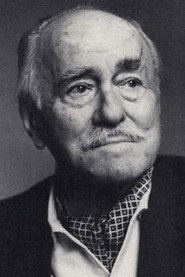 Gerhard BienertZeitungsleser
 Erwin GeschonneckArbeitersportler
 Anna Müller-LinckeSängerin
- Helene WeigelBallad singer (voice)
Directing
- Slatan DudowDirector
Writing
- Bertolt BrechtScreenplay
- Ernst OttwaltScreenplay