
Film
Edge of the City
A taut 1957 drama about an Army deserter and a dock worker whose friendship becomes both salvation and vulnerability in a corrupt waterfront world. Cassavetes and Poitier have genuine chemistry; the film moves fast, stays honest about loneliness and desperation, and refuses to sentimentalize its characters. For anyone who loves character-driven crime stories that feel lived-in rather than constructed.
If you liked this
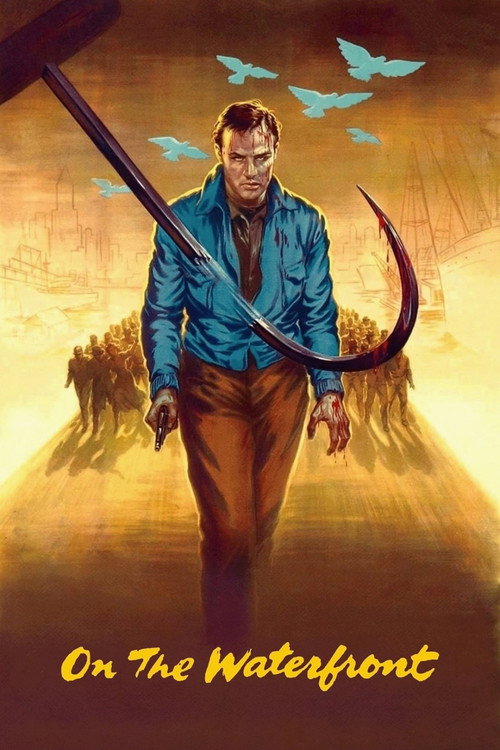
On the Waterfront1954
Brando's corrupt union man and the moral reckoning at the docks set the template. It's more famous, more operatic—but Edge of the City has something rawer. Watch both and feel how Cassavetes makes his version more human and less mythic.
But The pacing can feel slow if you're used to modern editing. Some scenes linger in ways that feel dated rather than meditative, depending on your patience.
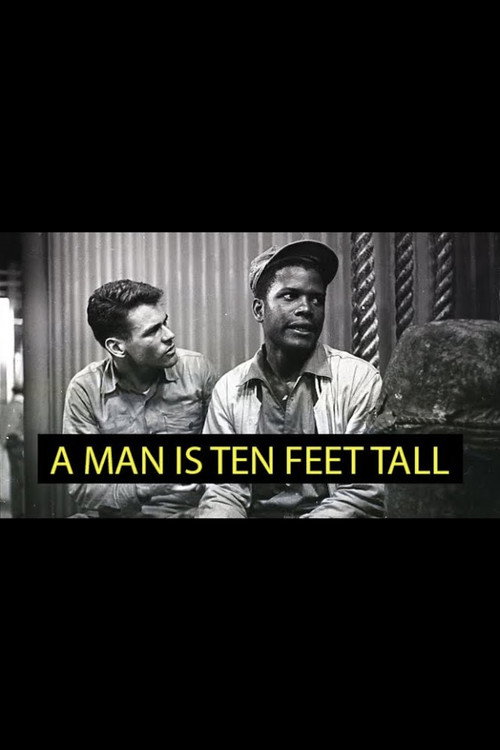
A Man Is Ten Feet Tall1955
This is the TV movie that Edge of the City was based on, with Sidney Poitier reprising his role. It's grittier, more explicitly about race and class, shot in close quarters. A document of how the film adapted and softened its source.
But The production values are deliberately rough—it's television, not cinema. If you need polish and scope, this will feel cramped and claustrophobic by design.
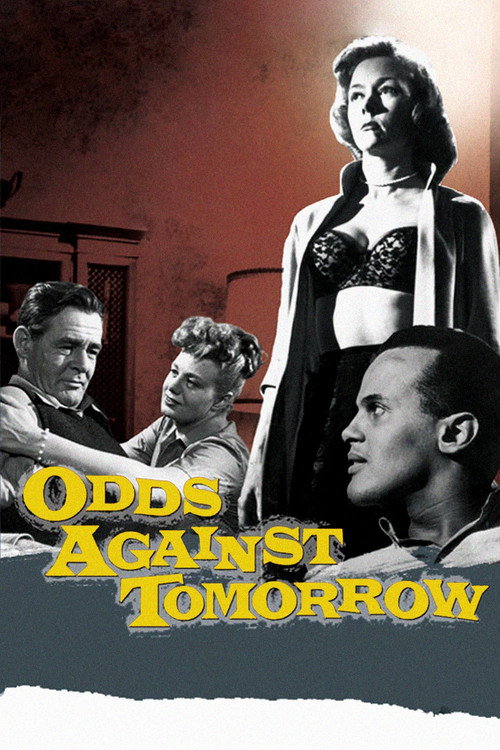
Odds Against Tomorrow1959
Harry Belafonte and Robert Ryan as criminals whose partnership splinters under pressure and racist tension. It has the same New York noir DNA as Edge, the same focus on how men destroy each other, and a genuinely unsettling ending that refuses comfort.
But It's bleak without redemption. There's no warmth here, no moment of real connection like Cassavetes and Poitier find. Some viewers find it punishing rather than moving.
Not sure tonight? Get a pick in a minute, starting from Edge of the City
The wildcard
Something you would not have found on your own.
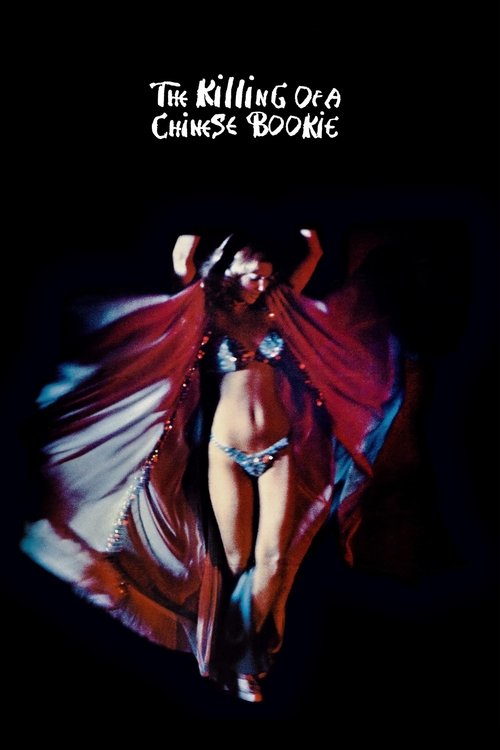
The Killing of a Chinese Bookie1976
The same moral question asked by a filmmaking voice that's had twenty years to sharpen itself. Edge is Cassavetes as an actor learning the city; this is Cassavetes as a director revealing how the city works.
Cassavetes directing again, now at full power. A minor criminal in LA, trapped by debt and circumstance. Like Edge it's about men in corrupt systems, but this time Cassavetes is behind the camera asking the questions he couldn't ask in 1957. It's rougher, angrier, more beautiful.
But The sound design is intentionally murky, the editing disorienting. It's not a comfortable watch. Some of it feels like an argument rather than a story. The restored cut is the best version, but it's still defiantly difficult.
More like this (7)
The Killing1956
Kubrick's racetrack heist, stripped down and brutal. Like Edge, it's about men locked in a corrupt system, scrambling for a way out. The dialogue is spare, the characters are trapped by circumstance and their own nature.
But It's a genre film first—the heist matters more than the philosophy. If you want character study over plot, this leans the other way.

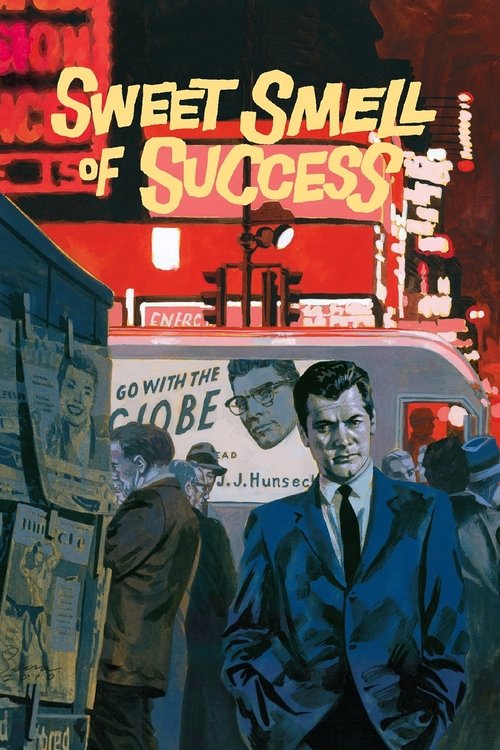
Sweet Smell of Success1957
Released the same year. New York corruption, dense with moral rot, every relationship a transaction. Tony Curtis and Burt Lancaster burn through the screen. The language is baroque where Edge is plain, but the moral sickness is identical.
But It's so much flashier and darker that it can overshadow what you just watched. Dangerous if you want to sit with Edge's quieter sadness.
The Asphalt Jungle1950
Huston's heist template: men bound by crime, by desperation, by the city itself. The ensemble work is perfect. It influenced everything that came after, including Edge. See where the DNA comes from.
But At 112 minutes it moves slower than Edge. The heist plotting can feel dated if you've seen a hundred imitations. Some viewers find the classical style distant.

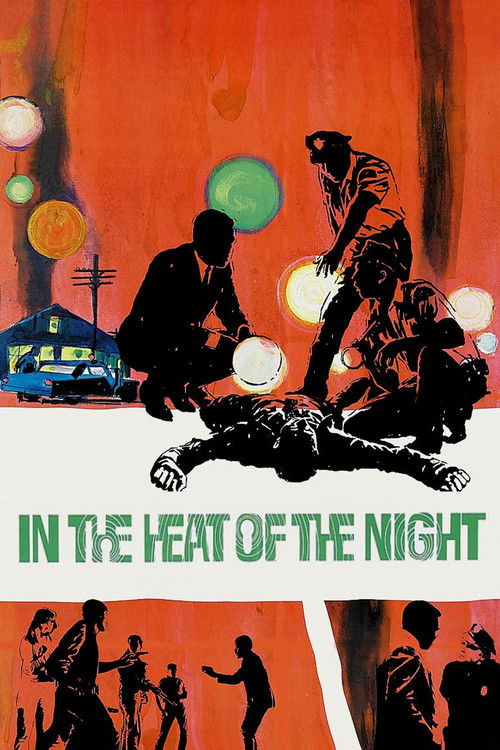
In the Heat of the Night1967
Sidney Poitier again, now a detective in the South, facing racism without flinching. It's what the cultural moment allowed—fiercer, more explicit about race than Edge could be. See how much changed, how much stayed the same.
But It's a procedural mystery where Edge is a character study. If you want the intimate focus on two men, the bigger scope might feel like a step away from what you loved.
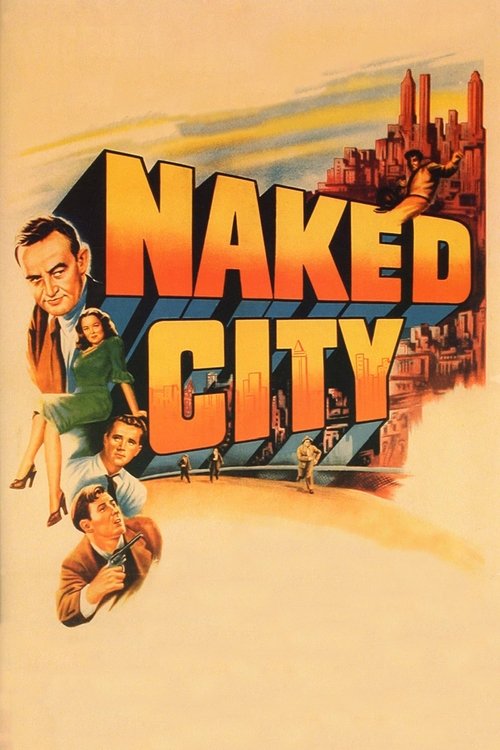
The Naked City1948
Dassin's documentary-style New York crime story. The real locations, the real city as antagonist, the way ordinary men are crushed by systems bigger than them. It has Edge's DNA—the film learned from this.
But It's a police procedural first, more interested in the plot than in souls. The emotional core is thinner. Dated in ways that feel quaint rather than tragic.
A Prophet2009
A modern film that does what Edge does: two men, prison instead of docks, an unlikely bond that's both salvation and doom. It's longer, it's French, but it understands the same moral engine—how loyalty can be your undoing.
But It's violent and sexual in ways Edge is too discreet to be. The tone is colder. If you want the warmth of Cassavetes and Poitier's connection, this will feel brutal by comparison.

Shirley2020
Both films understand that the real city—or the real trap—is not the streets or the institution but the relationship itself. The space between two people where everything falls apart.
Elisabeth Moss as Shirley Jackson, writing The Haunting of Hill House while her marriage corrodes. It's a very different film—literary, claustrophobic, about a woman not men—but it has Edge's interest in how corruption operates at the smallest scale: the home, the partnership, the moment when someone realizes they're trapped.
But It's deliberately static and airless. There's no action, no external plot, just psychological suffocation. If you want movement and a world, you won't find it here. The slow pace works against the film for many viewers.

People
Cast
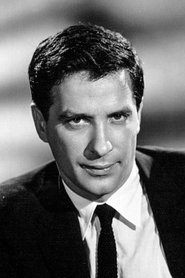 John CassavetesAxel Nordmann
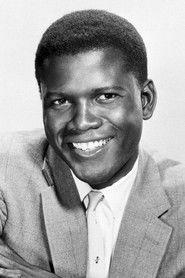 Sidney PoitierTommy Tyler
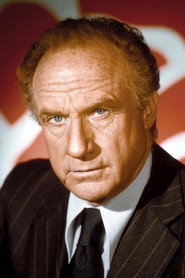 Jack WardenCharles Malik
 Kathleen MaguireEllen Wilson
 Ruby DeeLucy Tyler
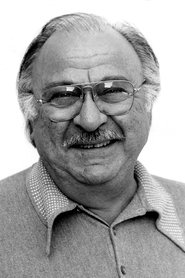 Val AveryBrother
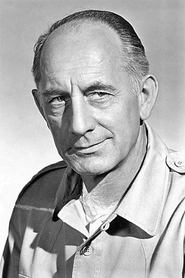 Robert F. SimonGeorge Nordmann
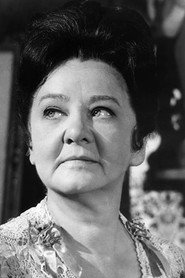 Ruth WhiteKatherine Nordmann
- William A. LeeDavis
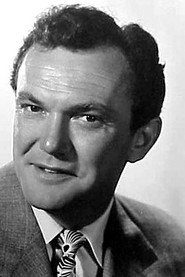 John KelloggDetective
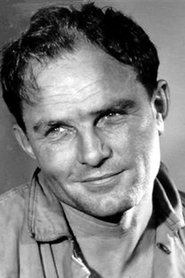 David ClarkeWallace
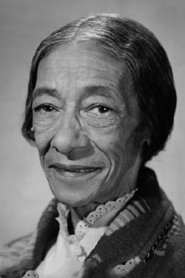 Estelle HemsleyMrs. Price
Directing
- Don KranzeAssistant Director
- Martin RittDirector
Writing
- Robert Alan AurthurScreenplay
- Robert Alan AurthurStory
Production
- Jim Di GangiAssociate Producer
- David SusskindProducer