
Film
A Man Is Ten Feet Tall
A 1955 television play about an AWOL soldier and a Black waterfront worker bonding over shared struggle against racism and exploitation. Intimate, urgent drama shot live for television—raw performances, minimal sets, maximum human stakes. Made for viewers who care about character over spectacle, and who want to see how Hollywood tackled race before the industry found its voice.
Should you watch it?
Watch it if you like tight, talky drama where a moral stand is made in a few rooms, and you care more about two men across a table than about spectacle.
Skip it if you need action or a wide canvas; this is a small, talky piece built on a handful of conversations, and its argument is often delivered without much subtlety.
What it asks of you: Under an hour, it keeps a steady, unhurried pace and holds you in uncomfortable exchanges rather than offering release through action.
Not sure? Find tonight's pick in a minute.
If you liked this
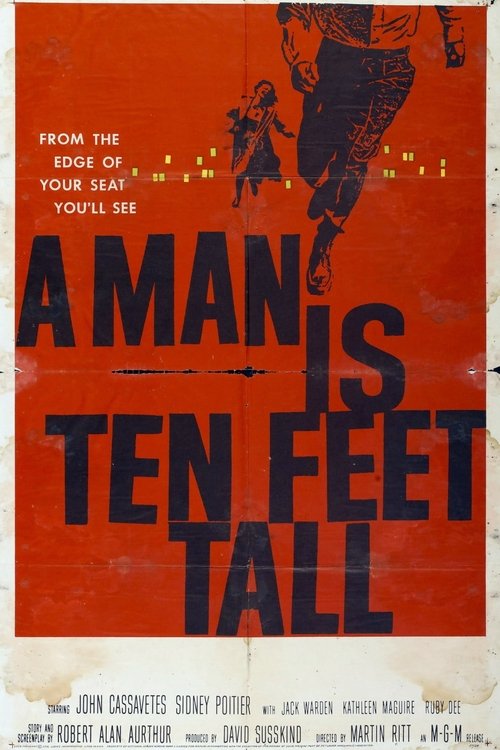
Edge of the City1957
The theatrical remake of this very play, with Sidney Poitier and John Cassavetes bringing star power and cinematic scope to the same story of friendship across racial lines on the docks.
But Remakes can feel redundant; if you watch this first, the film version loses some urgency, and 1950s race narratives can feel dated in their earnestness.
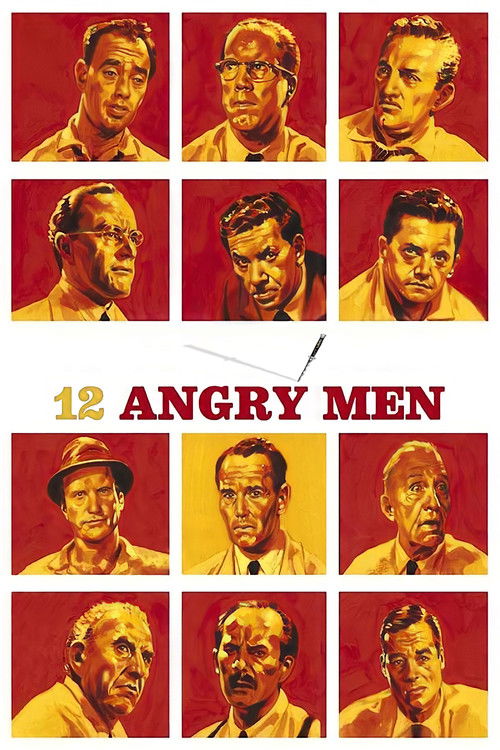
12 Angry Men1957
Another Sidney Lumet production exploring prejudice through ensemble drama and tight spaces. Morally rigorous, brilliantly acted, and structured to make you examine your own biases.
But It's a jury room debate; if you find talk-heavy drama claustrophobic or prefer plot momentum, this will feel glacial.
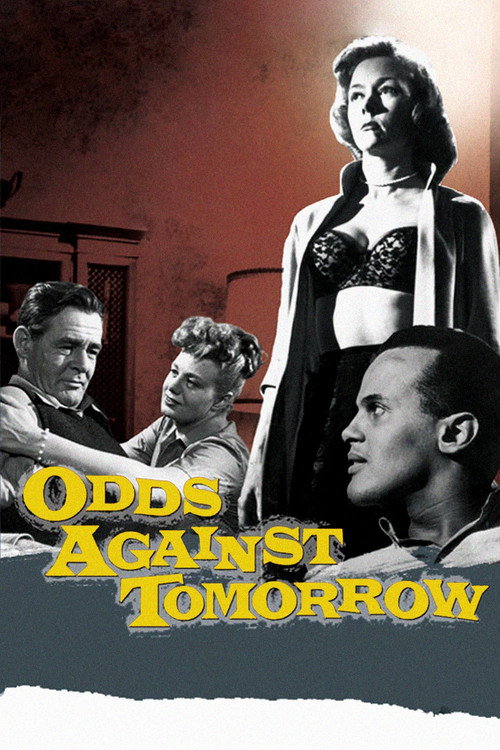
Odds Against Tomorrow1959
Harry Belafonte and Robert Ryan in a heist film that uses the genre to examine racism head-on. Jazz score, noir mood, and real tension between characters who can't escape their prejudices even when it costs them.
But The climax is brutal and the film doesn't offer easy comfort; it's bleak in ways that won't suit everyone's evening.
Not sure tonight? Get a pick in a minute, starting from A Man Is Ten Feet Tall
The wildcard
Something you would not have found on your own.
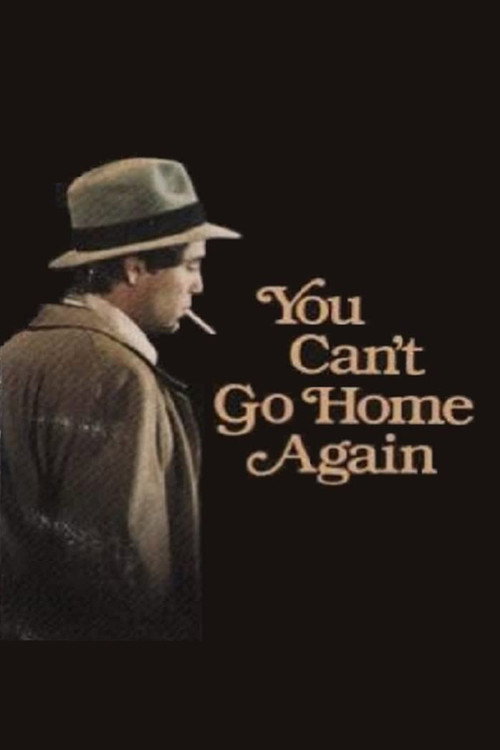
You Can't Go Home Again1979
Both are intimate television dramas about working men navigating economic and social systems designed to defeat them, with performances that matter more than plot.
Michael Moriarty in a two-part TV drama about a working-class man trying to escape his past and build something better. Understated, deeply felt, and rooted in the same exhausted dignity as waterfront noir. Rarely screened, barely remembered, exactly the kind of television that made the medium matter.
But It's obscure for a reason—slow, unglamorous, with a resolution that offers no catharsis. Television from an era when TV dramas could afford to be ungratifying.
More like this (7)
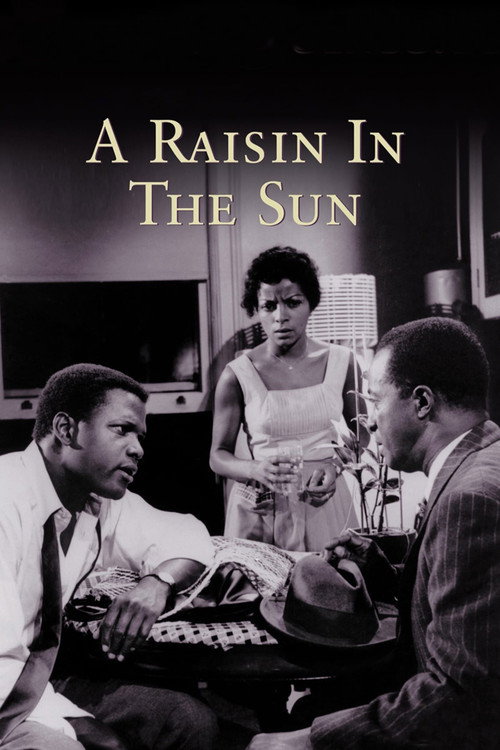
A Raisin in the Sun1961
Hansberry's play adapted faithfully with Sidney Poitier and a superb ensemble cast. It captures the same urgent humanity as this television play, but with the Younger family fighting economic injustice alongside racism.
But Theatrical pacing and emotional directness can feel heavy-handed if you're after subtlety; it wears its heart visibly.
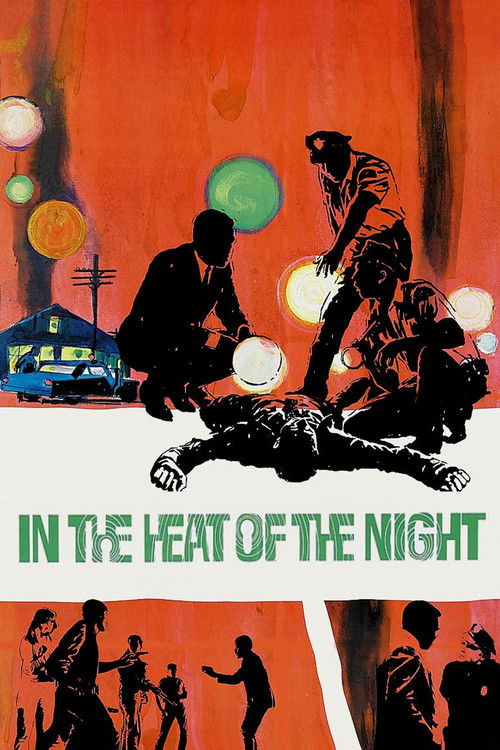
In the Heat of the Night1967
Sidney Poitier and Rod Steiger in a Southern murder investigation that forces two men across a racial divide. Taut thriller with real moral weight and performances that still crackle.
But It's been canonized; you may feel you've already absorbed it culturally even if you haven't seen it.
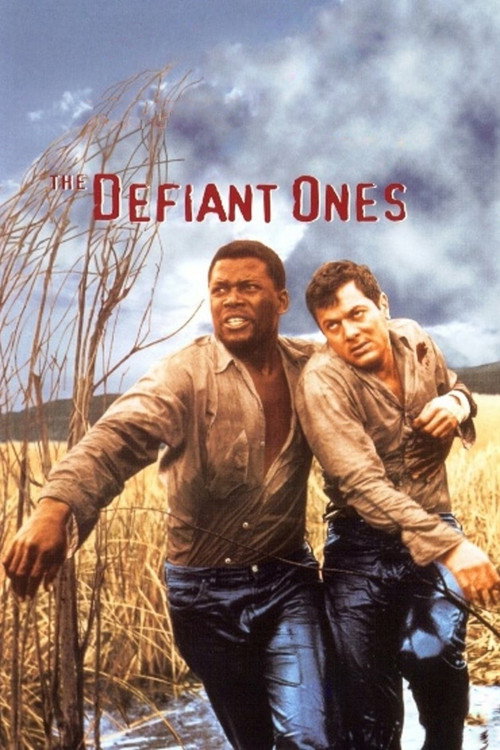
The Defiant Ones1958
Sidney Poitier and Tony Curtis chained together as escaped convicts—a buddy film that uses physical comedy and camaraderie to explore prejudice. Lighter than it sounds, genuinely funny, and humane.
But The racial politics feel like a framework for the buddy story rather than the story itself; some will find that evasive.
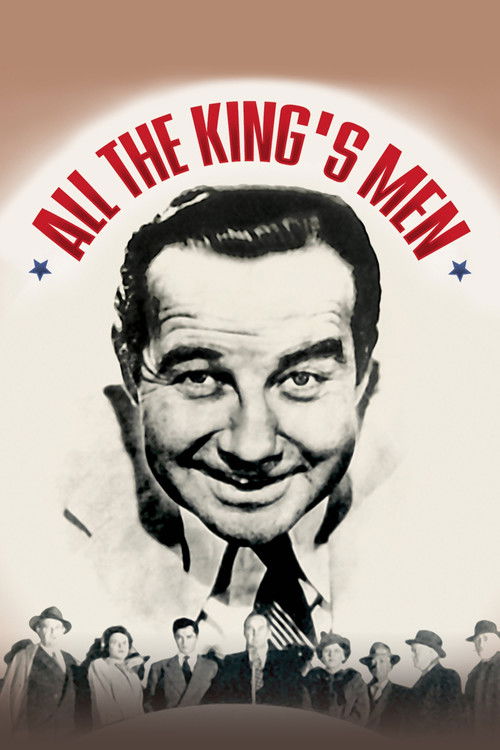
All the King's Men1949
Political corruption and the corruption of idealism; Broderick Crawford as a demagogue who rises on the backs of working people. Raw, cynical, and gripping—different genre, same moral clarity.
But It's dense and sprawling; the narrative can feel scattered if you're not fully invested in the ensemble of characters.
The Killing1956
Kubrick's heist noir with a diverse ensemble cast, fractured timeline, and unflinching look at how desperation drives people. Economy of storytelling and visual intelligence throughout.
But Nonlinear structure and cold tone; if you want warmth or conventional narrative flow, this will frustrate you.

The Battle of Algiers1966
Both center on men from the margins fighting systems of exploitation, but where this television play seeks understanding, Algiers refuses easy judgment. Same moral seriousness, opposite temperature.
Pontecorvo's revolutionary masterpiece shot like documentary, about colonialism, occupation, and resistance. Structurally audacious, morally complex, and as politically urgent now as it was in 1966. Every frame is composed to make you think, not just feel.
But Black-and-white, subtitled, formally demanding, and offers no heroes—only a brutal examination of how violence begets violence. It requires active watching.

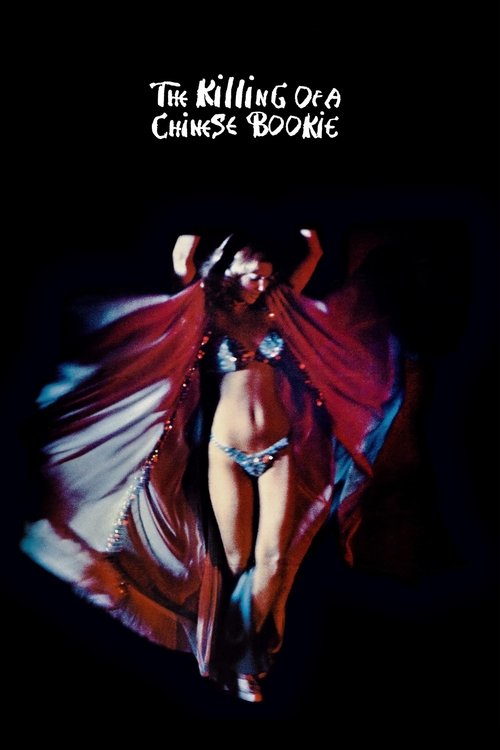
The Killing of a Chinese Bookie1976
Both are about working men and the sudden violence that can enter their lives; both use tight spaces and strong ensemble casts. But where this play is earnest and resolved, Bookie is hallucinatory and refuses to explain itself.
Cassavetes' elliptical, jazz-scored chamber piece about a nightclub owner and his entanglement with violence. Shot in real locations with non-professional actors, it has the immediacy and intimacy of live television drama but filtered through a modernist sensibility. Hypnotic and unsettling.
But Cassavetes' style is deliberately oblique; plot comes last, mood and character first. Long takes, ambient sound, sequences that don't point toward a destination. Actively frustrating if you're plot-dependent.
People
Cast
- Florence AnglinLandlady
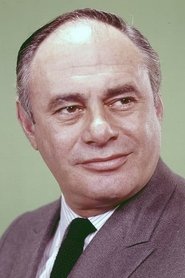 Martin BalsamCharlie Malick
- Joe ComadoreSecond Man
- Don GordonFirst Man
- Joanna DouglasMother
- Betty McDonaldGirl
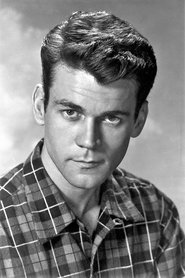 Don MurrayAxel Nordman
- Kathleen MurrayKatherine
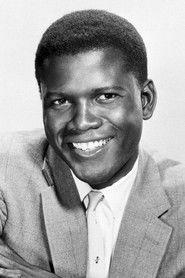 Sidney PoitierTommy Tyler
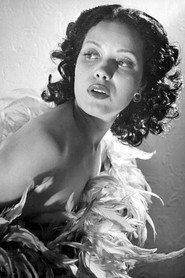 Hilda SimmsLucy Tyler
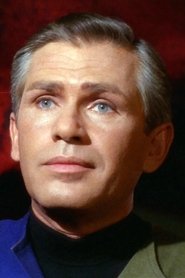 Michael StrongLloyd Mills
- Edward WalshPoliceman
Directing
- Hal TulchinDirector
- Robert MulliganDirector
Writing
- Robert Alan AurthurWriter
Production
- Robert Alan AurthurAssociate Producer
- Gordon DuffProducer
Recommended by
The Young Savages, Edge of the City, The Whistle at Eaton Falls