
Film
The Whistle at Eaton Falls
A 1951 industrial drama about a newly promoted plant supervisor forced to announce layoffs to the workers he came from. It's a quietly urgent examination of loyalty fractured by circumstance, shot with documentary realism in actual factories. For anyone drawn to the moral weight of ordinary decisions and the cost of climbing.
If you liked this
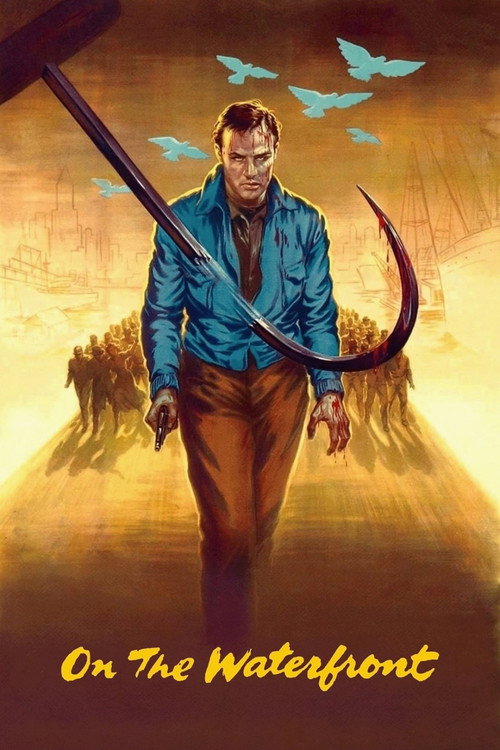
On the Waterfront1954
Marlon Brando as a dock worker caught between union loyalty and personal conscience. Another film about ordinary men in working environments facing impossible moral choices, with the same unflinching look at class and betrayal.
But It's a masterpiece, which means it casts a long shadow. Some find Brando's performance mannered now, and the politics have been debated for seventy years.
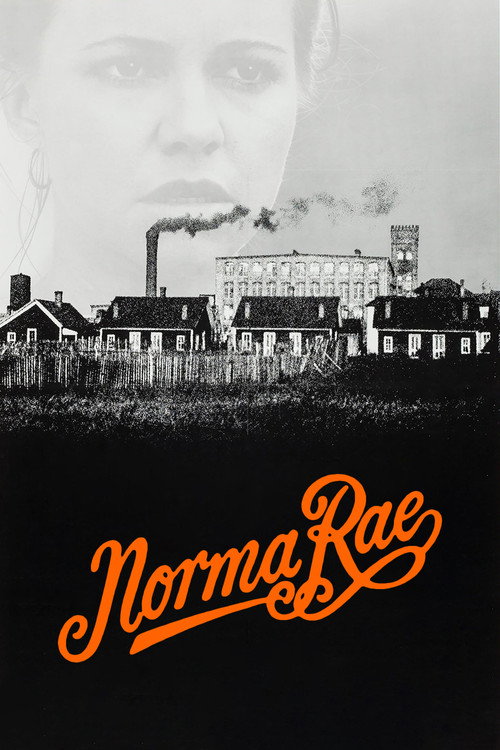
Norma Rae1979
Sally Field as a textile worker who becomes a union organizer. The inverse angle on factory life and labor: where Eaton Falls is about management's squeeze, this is about workers' power. Both films trust the dignity of their settings.
But It's overtly a message film, which some experience as heavy-handed. The period detail, however authentic, dates it visibly.
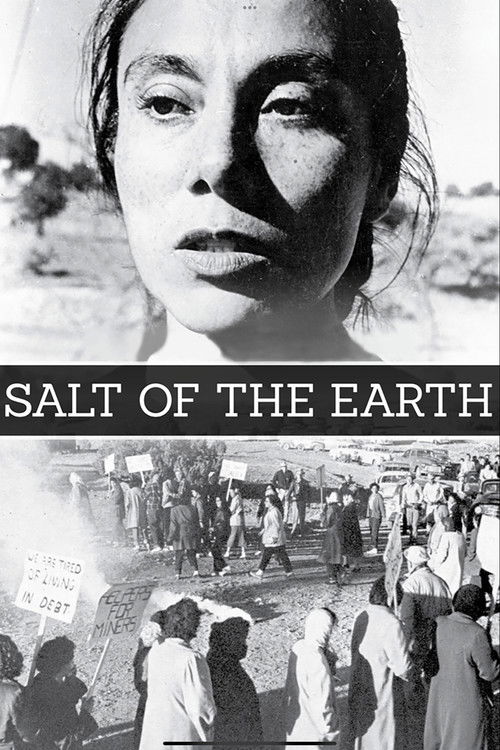
Salt of the Earth1954
A strike film made by blacklisted artists, shot in an actual New Mexico mining town with non-professional miners. It shares Eaton Falls' commitment to documentary authenticity and moral complexity in labor disputes, but from the workers' side.
But The production history is fascinating but the film itself is blunt, sometimes to the point of losing nuance. It's a worthy artifact as much as it is a drama.
Not sure tonight? Get a pick in a minute, starting from The Whistle at Eaton Falls
The wildcard
Something you would not have found on your own.
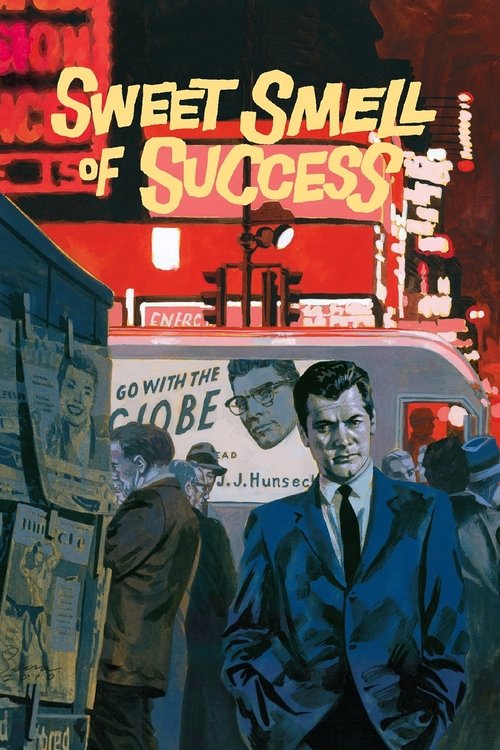
Sweet Smell of Success1957
Both about men trapped by professional loyalty and the corruption it breeds; one is social realism, the other is expressionist nightmare.
Lehman and Mackendrick's acid noir about a press agent and a gossip columnist in New York. The connection: both films are about men compromising their integrity for professional survival, and both understand that loyalty to the wrong person is a form of corruption. But where Eaton Falls is gray and documentary, this is black and baroque, all shadow and venom.
But It's baroque and cynical in a way Eaton Falls is not. If you want realism, the stylization will feel like a betrayal. Also it's difficult: the dialogue is dense slang and the moral world is purely corrupt.
More like this (8)
The Best Years of Our Lives1946
William Wyler's three-hour epic about veterans returning to a small American town. Like Eaton Falls, it's interested in the real texture of American work and community, and in how circumstances divide people who were once alike.
But It's long and occasionally sentimental about small-town life. The scope is grander than Eaton Falls, which some find less intimate.

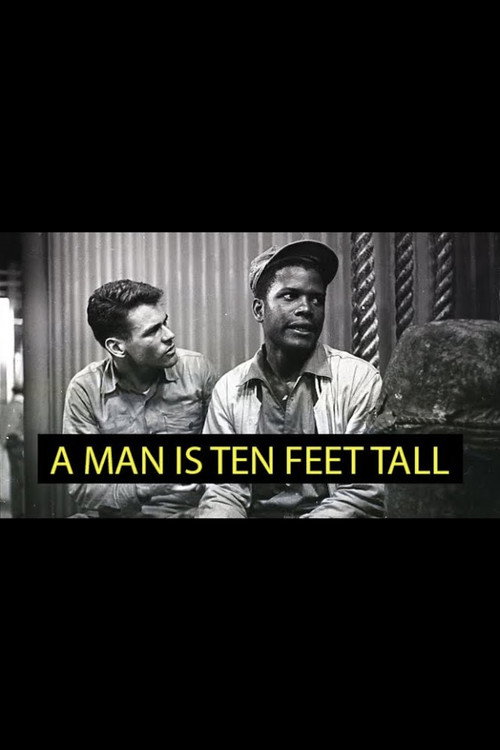
A Man Is Ten Feet Tall1955
Sidney Lumet's early TV drama about a Black stevedore and his white coworker. It has the same intimate scale as Eaton Falls and the same interest in how work shapes men's choices and loyalties under pressure.
But It's obscure and brief, made for television. The social messaging is direct, which can feel dated or over-earnest.
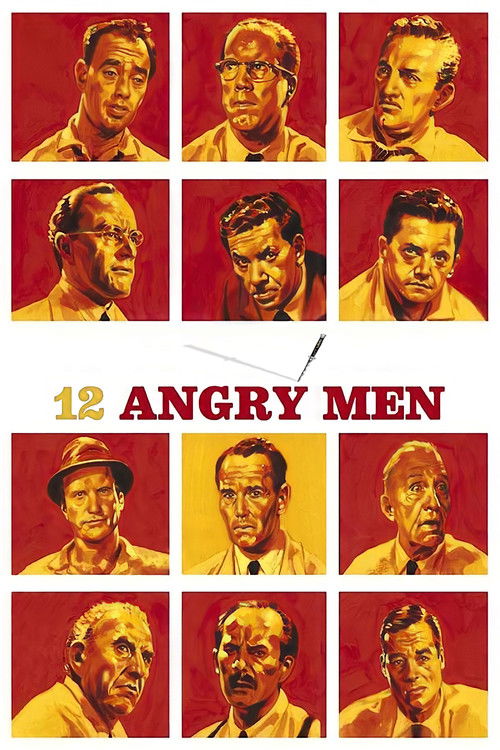
12 Angry Men1957
Lumet again, this time about men in a jury room. Not a factory, but the same structure: ordinary men in a closed space, forced to choose between what's easy and what's right, with their jobs and standing at stake.
But It's a talking picture, almost entirely, which demands patience. If you need plot momentum, you'll find yourself restless.
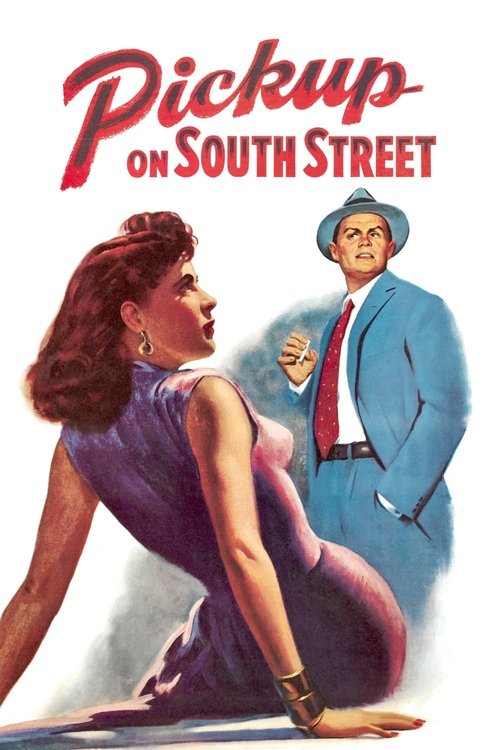
Pickup on South Street1953
Samuel Fuller's lean noir about a small-time thief. Fuller, like the Eaton Falls director, was interested in working men in actual locations, and in how desperation and loyalty collide in unglamorous settings.
But It's a genre film first, a social document second. If you want realism without the noir machinery, you'll find the plotting distracting.
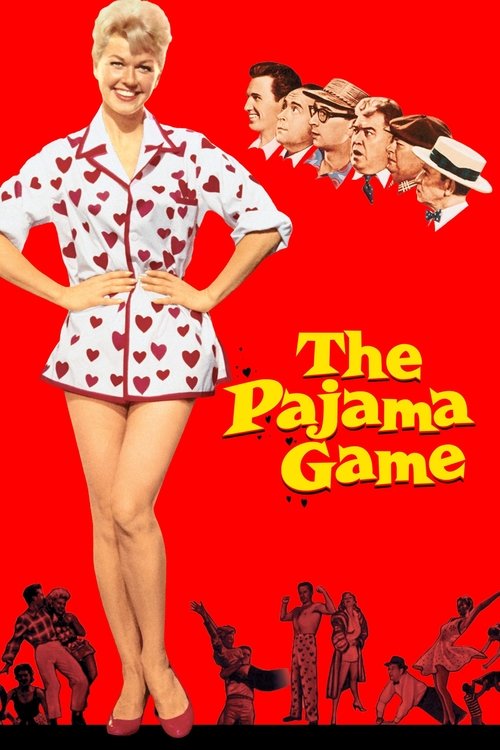
The Pajama Game1957
Donen and Abbott's musical about a factory strike, with Doris Day and John Raitt. It's frothy where Eaton Falls is serious, but it's also genuinely about labor disputes and the human cost of industrial life, and it does not condescend to its workers.
But It's a musical, which means songs and dance numbers interrupt the drama. If you want unbroken realism, the entertainment will feel jarring.
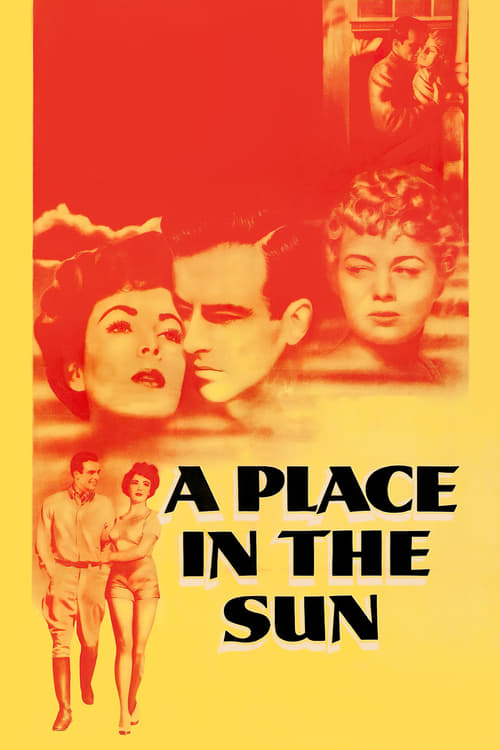
A Place in the Sun1951
George Stevens' film about a factory worker torn between two women, one rich and one working-class. Made the same year as Eaton Falls, it shares an interest in how class and circumstance reshape loyalty and identity.
But It's a melodrama more than a social document. The emotional climax overpowers the realism, which some experience as bathos.
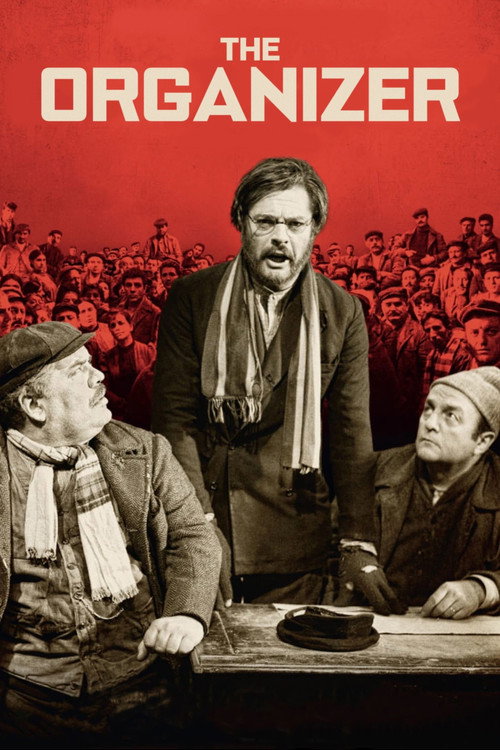
The Organizer1963
Both examine the moral machinery of labor disputes from the inside; one from management's view, one from the organizer's. Eaton Falls is American realism; this is European humanism.
Elio Petri's Italian film about a labor organizer in 1900s Turin, shot in luminous black-and-white. It's a labor film with the texture of Eaton Falls but the scope of an epic. Marcello Mastroianni anchors it with quiet, relentless humanity. Same stakes, different country, different era: the moral weight of choosing sides when both cost something.
But It's in Italian with subtitles, and at 130 minutes it takes its time. The pacing is deliberate to the point of austerity. If you want plot to carry you, you'll feel the slowness.
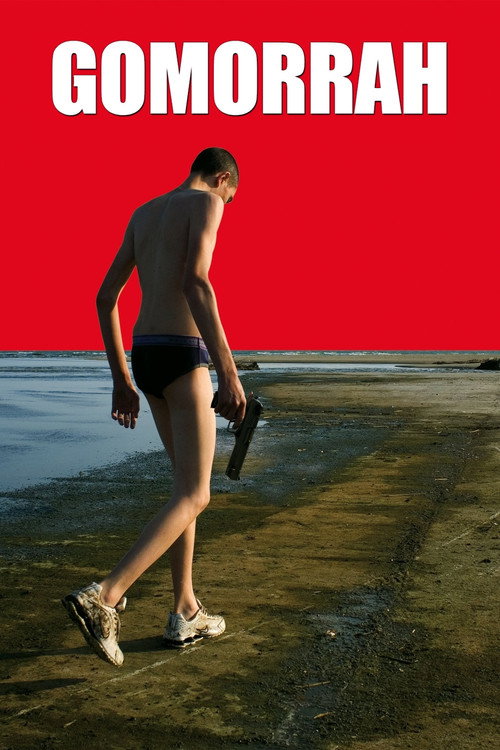
Gomorrah2008
Both are unsparing about how institutions—factory or crime syndicate—chew up the men who serve them. Both refuse to sentimentalize their worlds. Both understand that loyalty flows downward and evaporates upward.
Matteo Garrone's film about the Camorra in Naples, shot like documentary but structured like tragedy. The connection is subtle but real: it's about the men who do the machinery's work and the moment they realize the machine has no loyalty to them. Where Eaton Falls shows layoffs destroying a community, this shows organized crime destroying individuals who thought they belonged.
But It's violent, bleak, and Italian with subtitles. There are no sympathetic characters and the ending offers no relief. If you want catharsis or uplift, this offers neither.
People
Cast
 Lloyd BridgesBrad Adams
 Dorothy GishMrs Doubleday
 Carleton CarpenterEddie Talbot
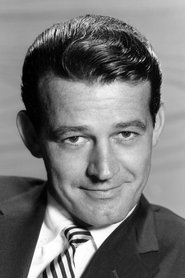 Murray HamiltonAl Webster
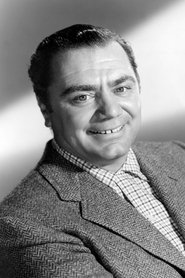 Ernest BorgnineBill Street
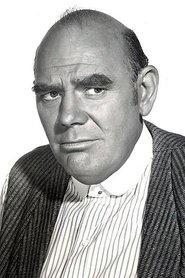 James WesterfieldJoe London
 Lenore LonerganAbbie
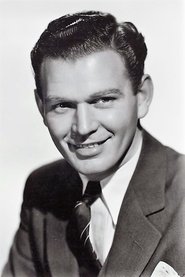 Russell HardieDwight Hawkins
- Helen ShieldsMiss Russell
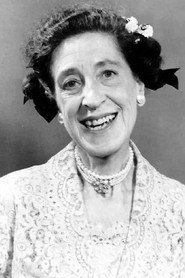 Doro MerandeMiss Pringle
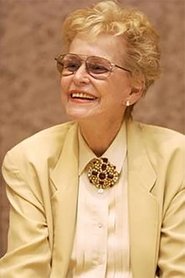 Diana DouglasRuth Adams
 Anne FrancisJean
Directing
- Robert SiodmakDirector
Writing
- Lemist EslerScreenplay
- Virginia ShalerScreenplay
Production
- Louis De RochemontProducer