
Film
The Organizer
A 1963 Italian drama following a former schoolteacher organizing textile workers in Turin against impossible odds. Mastroianni is magnetic as a man caught between idealism and pragmatism, navigating factory owners, police, and his own comrades' doubts. It's funny and furious by turns—a film about solidarity that never lectures, made with the directness of someone who lived through what it depicts.
Should you watch it?
Watch it if you like period labor dramas built around a crowd of ordinary people, where the politics arrive through argument and friction rather than speeches, and comedy sneaks in between the hardship.
Skip it if you want a tight plot-driven thriller, because it runs over two hours and ambles through factory floors and meeting halls at its own pace.
What it asks of you: Settle into a lengthy, unhurried sitting; it stays grim for stretches yet keeps slipping in sly humor, so it rewards steady attention more than tearful catharsis.
Not sure? Find tonight's pick in a minute.
If you liked this
The Battle of Algiers1966
A documentary-style thriller about colonial resistance and urban warfare. Like The Organizer, it captures the grinding moral complexity of fighting power, told with unflinching clarity and formal brilliance that makes propaganda irrelevant.
But The political argument is unambiguous and the violence is presented without distance. If you want moral ambiguity or pretty cinematography, this isn't it.

Kes1970
Ken Loach's film about a working-class boy and his hawk—it has the same DNA: a stubborn refusal to sentimentalize working life, humor that emerges from real characters, and rage at systems that crush people.
But It's British kitchen-sink realism, which can feel narrow and grey. The ending leaves you bruised rather than satisfied.

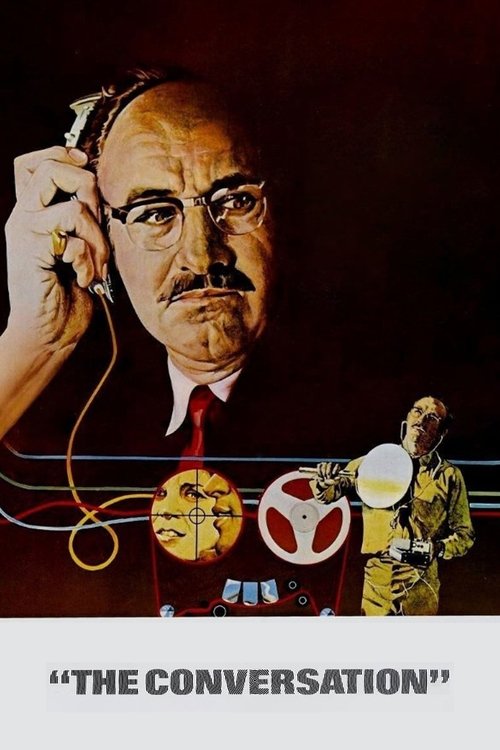
The Conversation1974
Coppola's paranoid masterpiece about a surveillance expert enmeshed in power and conscience. Like The Organizer, it's a character study of a man watching his ideals corrode, told with mounting dread and moral precision.
But Deliberately slow and ambiguous. If you need clear answers or a tidy plot, it will frustrate you.
Not sure tonight? Get a pick in a minute, starting from The Organizer
The wildcard
Something you would not have found on your own.
The Phantom Carriage1921
Both films ask whether individual conscience can survive or change institutional corruption. Both refuse easy answers and both treat ordinary men's moral dilemmas with absolute seriousness.
Arne Sjöström's Swedish masterpiece—a ghost story that is really a meditation on class, redemption, and whether one person's transformation matters. Made 42 years before The Organizer, it shares the same moral question: can an individual change a corrupted system?
But It's a silent film from 1921, which means no dialogue, intertitles, and a formal patience many modern viewers find slow. The melodrama is real and the pacing is glacial.

More like this (7)
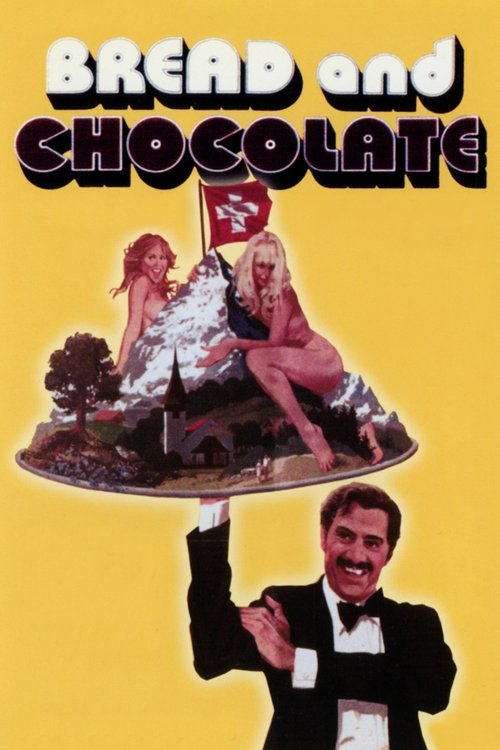
Bread and Chocolate1974
Nanni Moretti's black comedy about an Italian migrant worker in Switzerland. Same era, same class of protagonist, same blend of humor and heartbreak—it understands how dignity survives humiliation.
But The tone is deliberately unstable. Comedy and despair sit uncomfortably together, which some find disjointing rather than powerful.
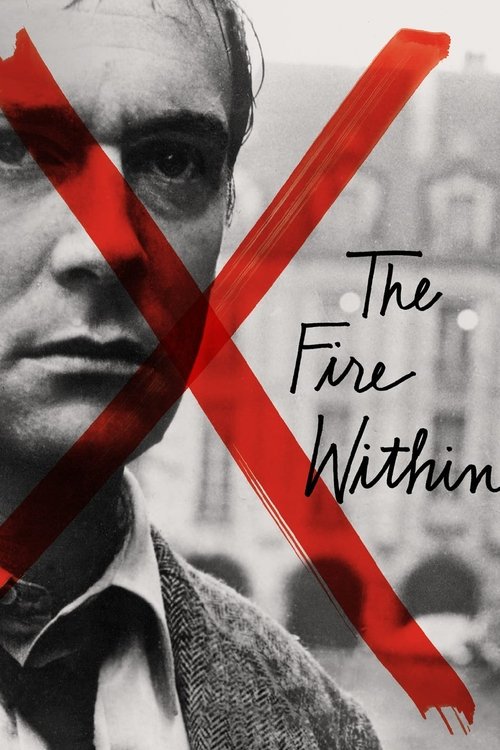
The Fire Within1963
Loïs Malle's portrait of depression and social alienation, made the same year. Like The Organizer, it observes a man caught between systems—here, society itself—with compassion and no false hope.
But It's relentlessly bleak and quietly suicidal. Not a film for when you need comfort.
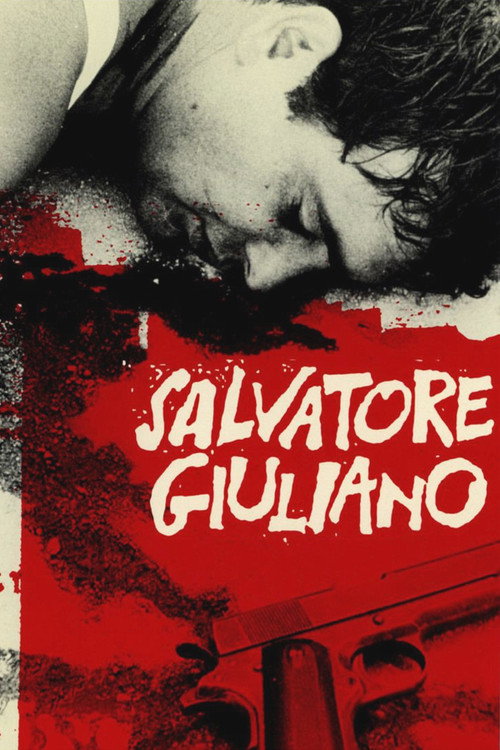
Salvatore Giuliano1962
Rosi's fragmented reconstruction of a Sicilian bandit's life and death. Shares The Organizer's commitment to showing how individuals are crushed by larger forces—legal, criminal, social—without easy villains.
But The narrative is deliberately non-linear and the ending is ambiguous. Some find it cold rather than illuminating.
The Seventh Seal1957
Bergman's meditation on mortality, faith, and what we leave behind. It shares The Organizer's seriousness about ideas and its willingness to let characters argue philosophy while living it rather than just discussing it.
But Famously austere and philosophical. If you want plot momentum or lightness, this Swedish classic will feel ponderous.

La Haine1995
Mathieu Kassovitz's explosive portrait of French suburban rage and systemic neglect. It has The Organizer's moral clarity and its refusal to let viewers off the hook—class conflict made tangible, immediate, and impossible to ignore.
But The violence is graphic and the nihilism is real. It's not interested in redemption or hope, which some find alienating.

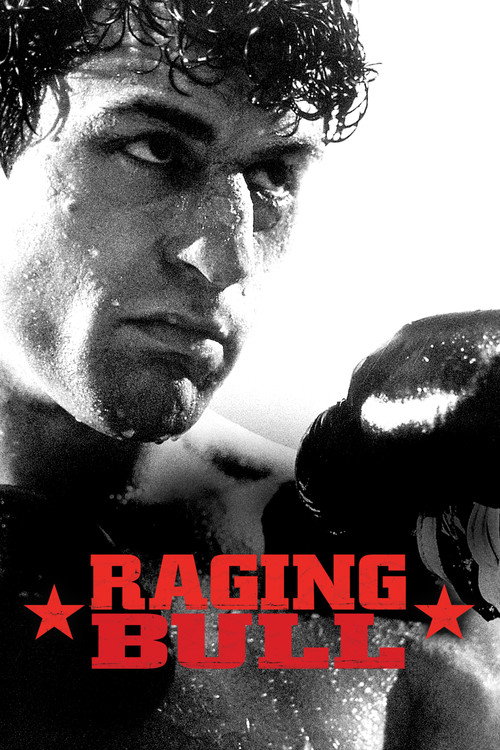
Raging Bull1980
Both use working-class male protagonists to explore how character shapes fate. Both are unflinching about failure. Both made by filmmakers who refused to look away.
Scorsese's black-and-white portrait of boxer Jake LaMotta's ego, paranoia, and self-destruction. It's The Organizer inverted: instead of a man trying to organize others toward solidarity, a man incapable of solidarity destroying everyone near him. Same formal brilliance, opposite moral trajectory.
But Violent, misogynistic, and utterly unsympathetic to its protagonist. The marriage scenes are brutal and the boxing sequences are long and punishing.
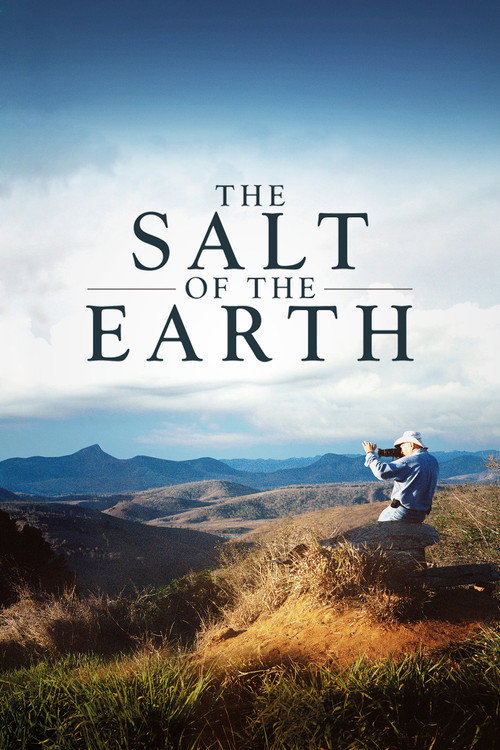
The Salt of the Earth2014
Both are committed to showing labor and solidarity without sentimentalizing them. Both understand that dignity is a political act. Both refuse to turn suffering into entertainment.
Wim Wenders' documentary about photographer Sebastião Salgado's life and work—specifically his series on labor and protest worldwide. It's a visual essay on The Organizer's subject: human dignity in the face of exploitation, told through images that move with the weight of witness rather than rhetoric.
But It's a documentary about photography and a photographer's career, which is narrow by design. Long sequences of still images and Salgado's soft-spoken narration. Not narrative cinema.
People
Cast
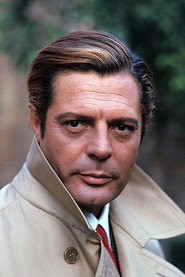 Marcello MastroianniProfessor Sinigaglia
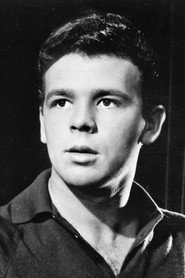 Renato SalvatoriRaoul
 Gabriella GiorgelliAdele
 Folco LulliPautasso
 Bernard BlierMartinetti
 Raffaella CarràBianca
 François PérierMaestro Di Meo
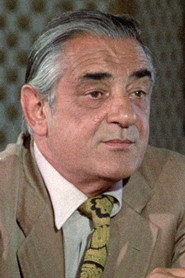 Vittorio SanipoliBaudet
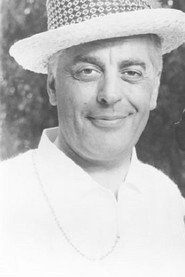 Mario PisuManager
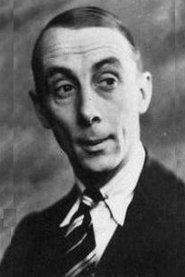 Kenneth KoveLuigi
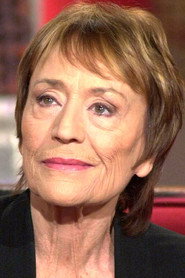 Annie GirardotNiobe
 Edda FerronaoMaria
Directing
- Mario MonicelliDirector
- Renzo MarignanoFirst Assistant Director
- Graziolina CamporiScript Supervisor
- Sandro RoccoScript Supervisor
- Bata StojanovićSecond Assistant Director
- Fernando MorandiSecond Assistant Director
Writing
- Agenore IncrocciScreenplay
- Furio ScarpelliScreenplay
- Mario MonicelliScreenplay
- Agenore IncrocciStory
- Furio ScarpelliStory
- Mario MonicelliStory
Production
- Franco CristaldiProducer
- Fausto LupiProduction Manager
- Giorgio AdrianiProduction Manager
- Umberto SambucoProduction Secretary
- Claudio AgostinelliUnit Manager