
Film
American Dream
A 1990 documentary following a bitter 1985 strike at a Hormel meatpacking plant in Minnesota. As the work stoppage stretches on, solidarity fractures, families splinter, and the town faces ruin. It's a clear-eyed, unglamorous portrait of how economic desperation corrodes community, and what happens when workers have almost everything to lose.
Should you watch it?
Watch it if you want a documentary that lives inside a labor fight long enough to feel its people's exhaustion, arguments and loyalties, rather than summarizing them from a distance.
Skip it if you need a tidy argument with a clear villain, since it's an unhurried, camera-close record of one town's dispute with few outside voices to frame it.
What it asks of you: Ninety-eight minutes of patient observation, with a heavy mood and scenes that linger on kitchens, union halls and faces rather than cutting quickly.
Not sure? Find tonight's pick in a minute.
If you liked this
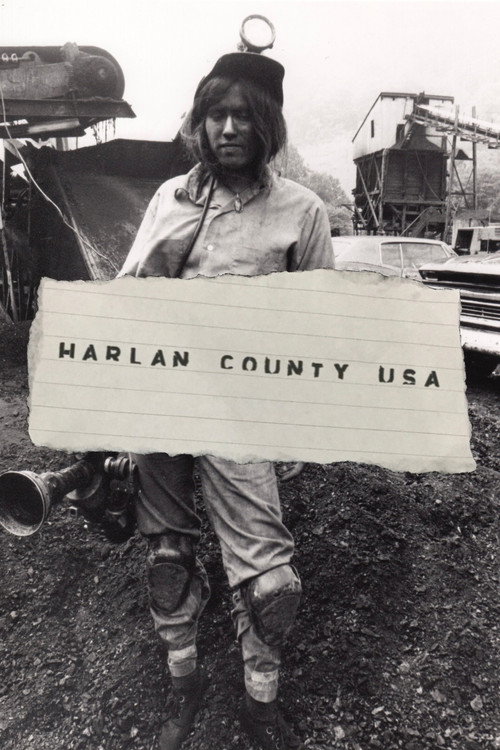
Harlan County U.S.A.1976
Barbara Kopple's essential documentary about Appalachian coal miners fighting for union recognition. Like American Dream, it captures how corporate power grinds down working people and turns neighbors into adversaries. Unforgettable.
But Shot in grainy 16mm on a small budget, it's visually rough. Some viewers find the pacing slow, though that becomes part of its power.
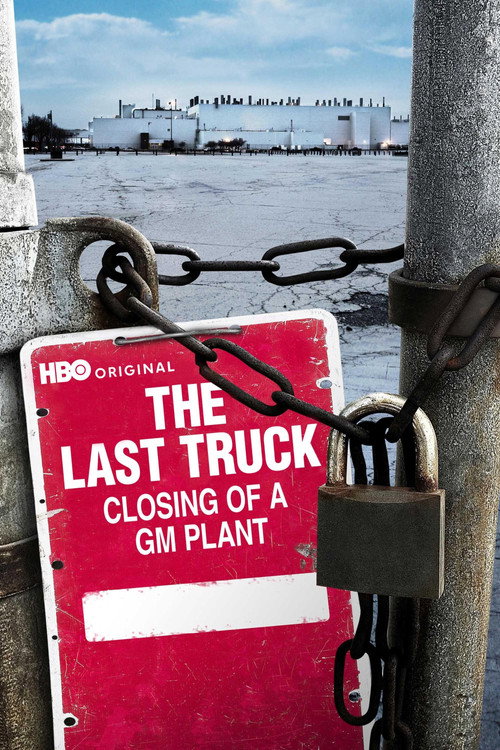
The Last Truck: Closing of a GM Plant2009
Steven Bognar and Julia Reichert document the shutdown of an Ohio General Motors factory. Like Hormel, it shows industrial collapse in real time, the human arithmetic of profit, and how a town's identity dissolves when its anchor disappears.
But The outcome is predetermined, which can feel bleak rather than dramatic. Some find that inevitability emotionally exhausting rather than clarifying.
Battle for Brooklyn2011
A documentary about residents fighting a developer's gentrification project. It shares American Dream's focus on ordinary people versus institutional power, and the way grassroots opposition fractures under sustained pressure and legal attrition.
But It's more locally focused than national, which means some viewers won't immediately connect to the specific Brooklyn neighborhood politics involved.

Not sure tonight? Get a pick in a minute, starting from American Dream
The wildcard
Something you would not have found on your own.
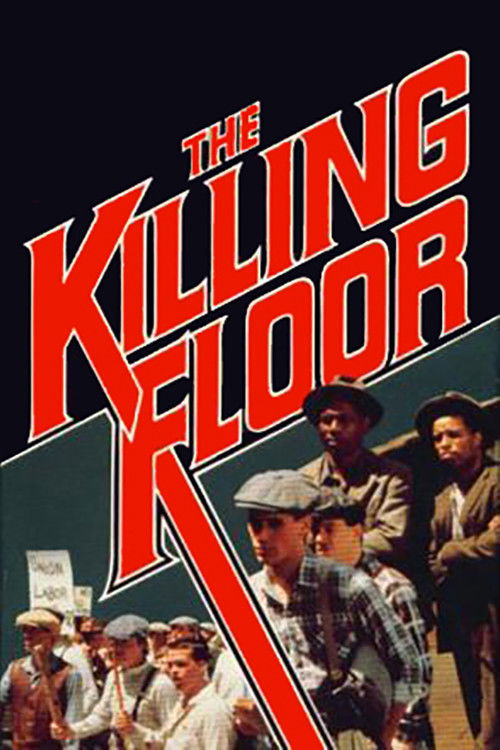
The Killing Floor1984
Both are unflinching looks at American meatpacking as a site of exploitation and broken solidarity. Killing Floor reveals the racial fractures that American Dream doesn't foreground, making it essential watching for anyone who wants the complete picture.
Uncompromising documentary about a Black man working in a Chicago slaughterhouse in the 1970s, combining interview and archival footage. Like American Dream, it's about meatpacking and labor, but it centers race and exposes how union racism isolated Black workers from strikes that might have protected them.
But It's obscure and short, shot on video with minimal production value. Some find it formally dull, though that austerity serves the subject.
More like this (8)
Erin Brockovich2000
Not a documentary, but a dramatization with the same DNA: ordinary workers versus a corporation indifferent to their suffering. Julia Roberts is magnetic, and it carries the moral clarity of American Dream into a more conventional narrative.
But It's a Hollywood film with a neat resolution. The real fight was messier, and this version smooths some of that away.

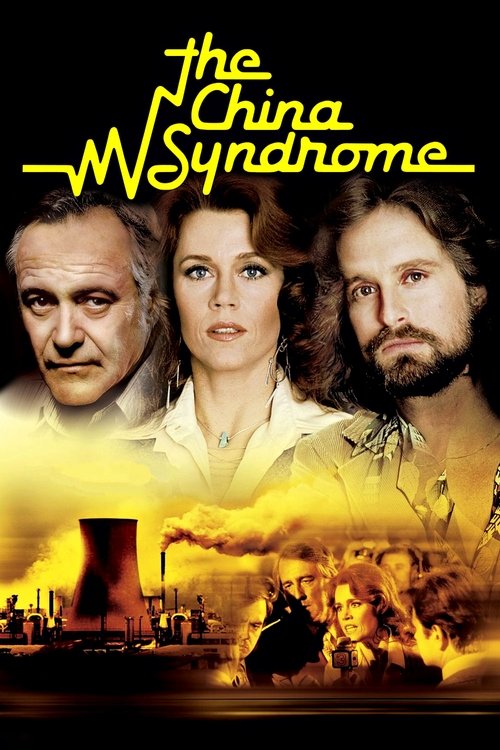
The China Syndrome1979
A thriller about nuclear plant workers and corporate cover-up, starring Jane Fonda. It captures the same paranoia about institutional deception and the cost of challenging power that haunts American Dream, but as suspense.
But It's a narrative film, so it trades documentary specificity for drama. The ending feels more cinematically satisfying than true.
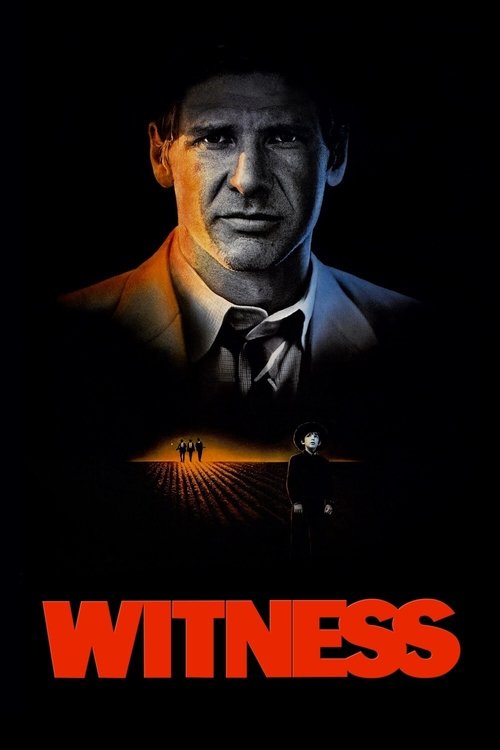
Witness1985
Harrison Ford in Amish country, protecting a murder witness. Like American Dream, it explores what happens when an outsider system invades a closed community and forces impossible choices between safety and principle.
But It's a mainstream thriller, not a documentary. If you want the real thing, not a parable, this will feel too polished and resolved.
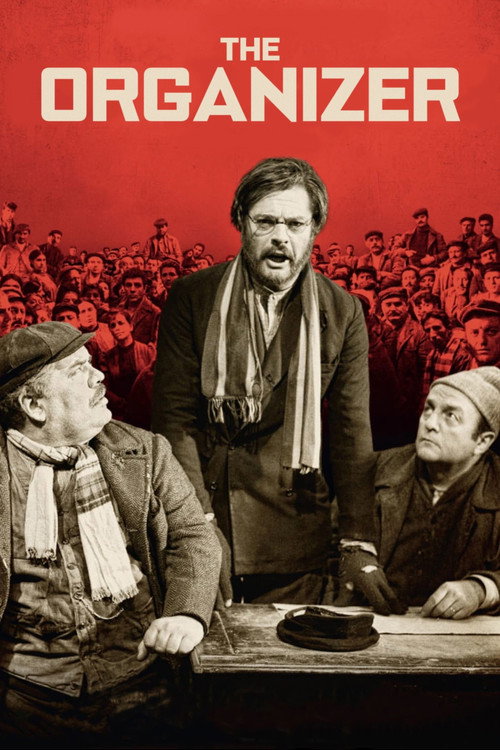
The Organizer1963
Marcello Mastroianni in this Italian neorealist film about a labor organizer arriving to lead a textile strike. It has the same moral seriousness as American Dream and watches how ideology meets exhaustion.
But It's in Italian and predates most viewers' familiarity. It's also slower and more contemplative than American Dream, with less confrontation and more resignation.
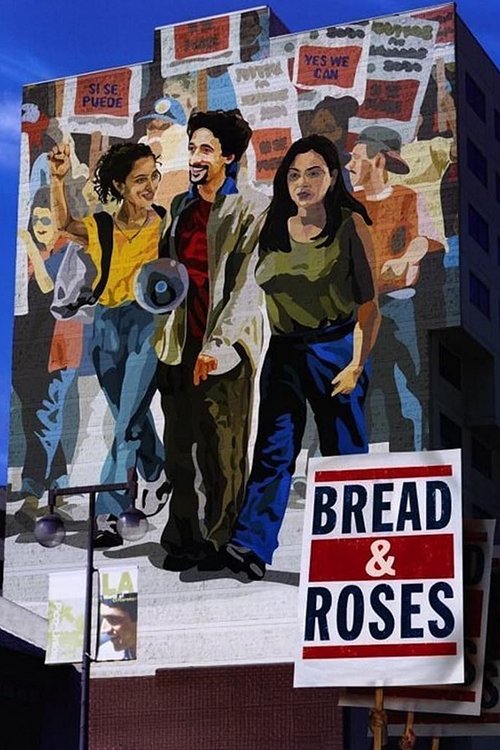
Bread and Roses2000
Ken Loach's drama about immigrant janitors organizing in Los Angeles. It has the political sinew of American Dream and shows how strikes destabilize families and test solidarity when people have nothing.
But It's a narrative film dressed as realism, and some find Loach's touch too heavy-handed, his morality a bit simplified.
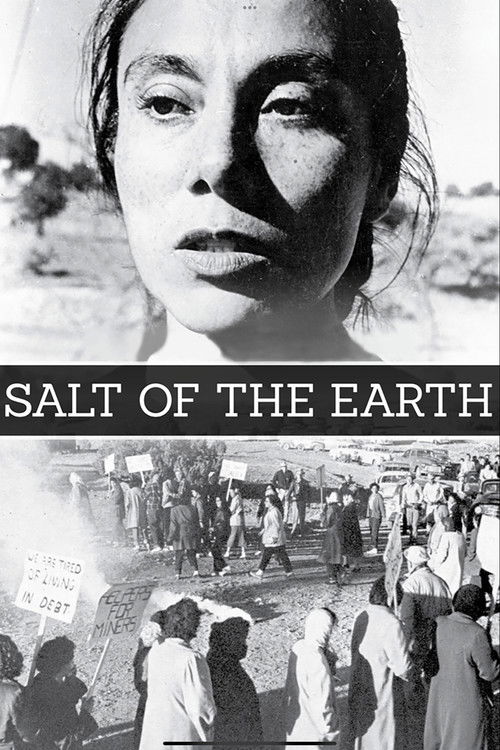
Salt of the Earth1954
A film about a New Mexico mining strike, made during the McCarthy era by blacklisted filmmakers. It's rare documentary evidence of labor struggle in the '50s, and it has the same unflinching look at cost and community fracture.
But It's explicitly propagandistic and was deliberately suppressed. Some viewers find its political messaging dated or reductive, and the acting is sometimes stiff.
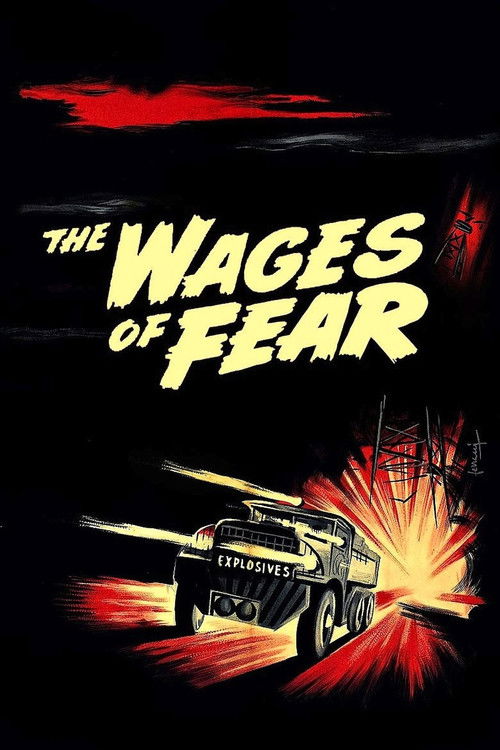
The Wages of Fear1953
Both show how scarcity and desperation transform ordinary decency into self-interest. In American Dream, the enemy is visible (Hormel management). In Wages of Fear, capitalism is the enemy, and there's no institution to strike against—just survival.
Henri-Georges Clouzot's masterpiece about impoverished men transporting explosives through South American wilderness. It's a tension-filled thriller, but it's fundamentally about economic desperation forcing people into impossible choices and corroding friendship.
But It's French, from 1953, and nearly two and a half hours long. The truck journey can feel repetitive, and the philosophical fatalism may feel overwrought if you want plot momentum.
O.J.: Made in America2016
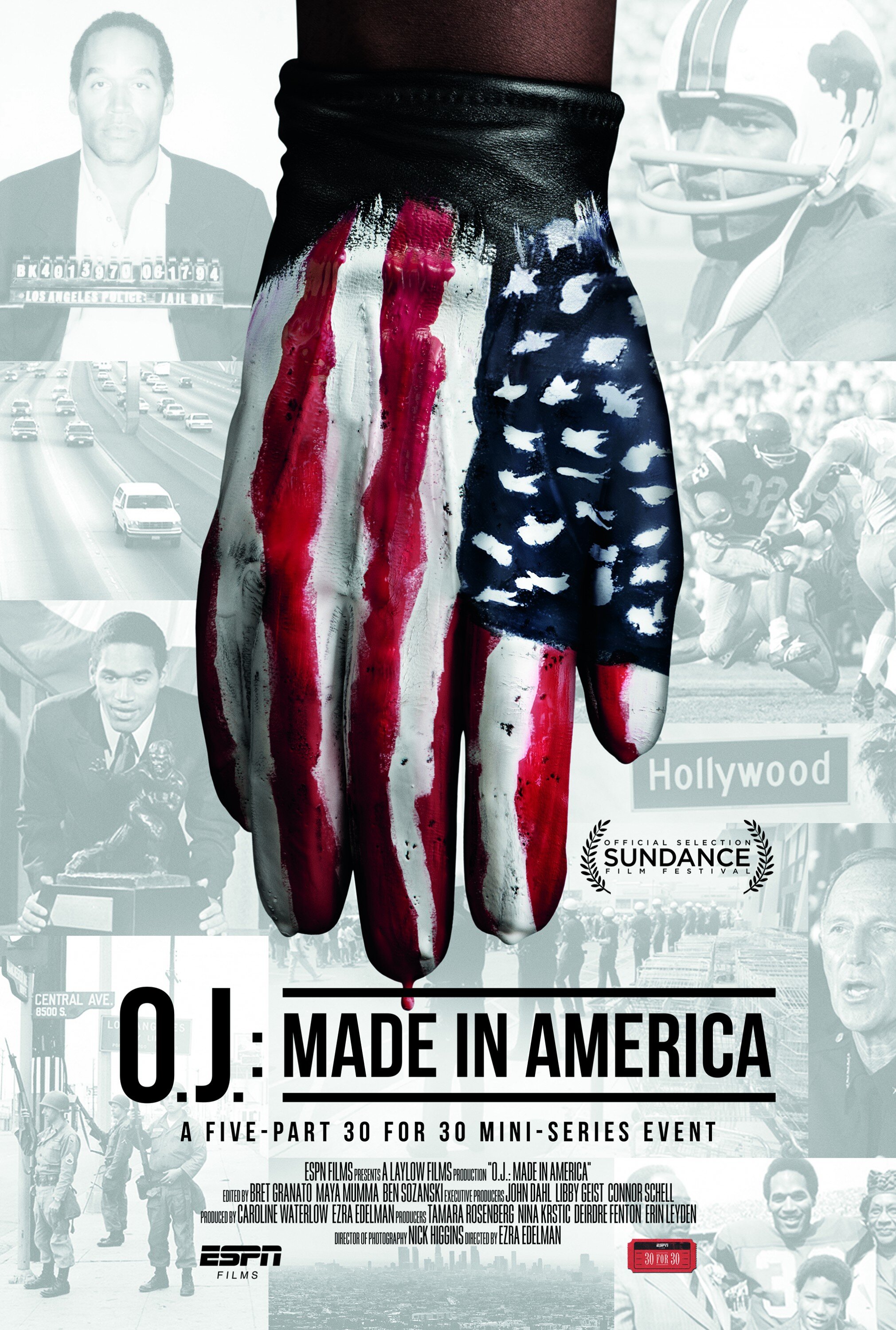
Both are about the moment when a town or community is forced to pick a side, and how that picking destroys solidarity. In American Dream, the issue is wages. In O.J., it's race and the justice system. But both watch how shared identity dissolves under pressure, and how people rationalize betrayal.
A nine-hour miniseries about O.J. Simpson that becomes a forensic study of how race, class, celebrity and institutions intersect. Like American Dream, it watches a community fracture along lines you didn't expect, and asks uncomfortable questions about whose side people choose.
But It's about a trial and a celebrity, not labor, so the connection isn't obvious. It's also very long, and the first few episodes are slower than the trial itself. Some find the focus on fame trivial compared to economic justice.
People
Directing
- Cathy CaplanCo-Director
- Lawrence SilkCo-Director
- Thomas HanekeCo-Director
- Barbara KoppleDirector
Production
- Arthur CohnProducer
- Barbara KoppleProducer
Recommended by
The Last Truck: Closing of a GM Plant, The Swimmers, The Kingdom of Zydeco, Once in a Lifetime: The Extraordinary Story of the New York Cosmos