
Film
The Kingdom of Zydeco
- Musical
- Light-hearted
A 1994 documentary that captures the regional politics and musical pride of Southwest Louisiana's zydeco scene during a moment of transition. It's a lived-in portrait of a specific culture and sound—accordion-driven, rhythmically intricate, rooted in Black Creole identity. For anyone curious about American roots music beyond the usual Nashville or Delta narratives.
If you liked this
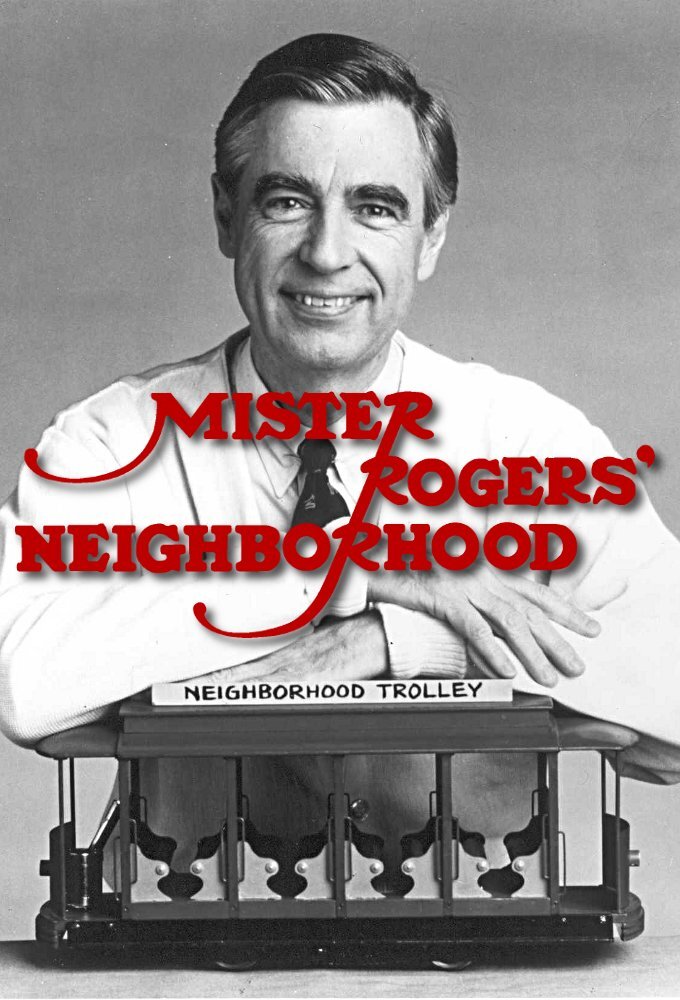
Mister Rogers' Neighborhood1968
Fred Rogers approaches cultural institutions and working people with genuine curiosity and respect. Like Kingdom of Zydeco, it treats its subjects as teachers, not exotics. The camera lingers, listens, learns.
But It's aimed at children, so the pacing is deliberate and the conflicts are absent. If you need dramatic tension or adult complexity, you won't find it here.
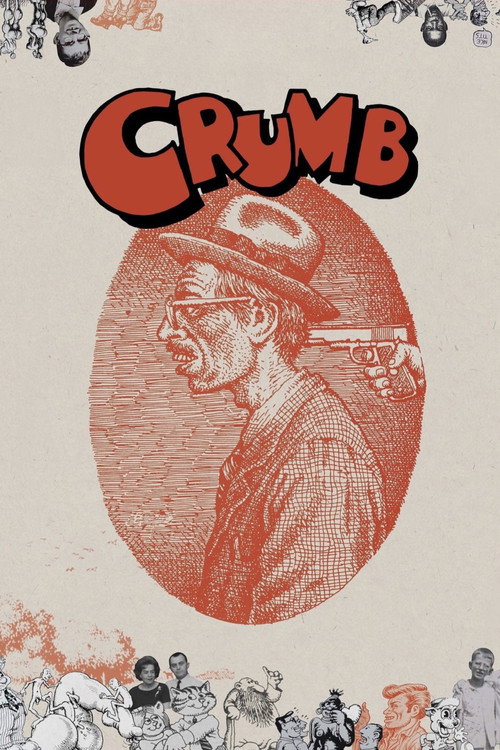
Crumb1995
Terry Zwigoff's documentary about cartoonist Robert Crumb shares the same documentary DNA: intimate portraiture of an American subculture, family tensions, creative obsession, and regional specificity. It's equally alive to contradiction.
But It focuses heavily on Crumb's troubled family dynamics and his disturbing imagery. If you're looking for something uplifting, this gets dark and stays there.
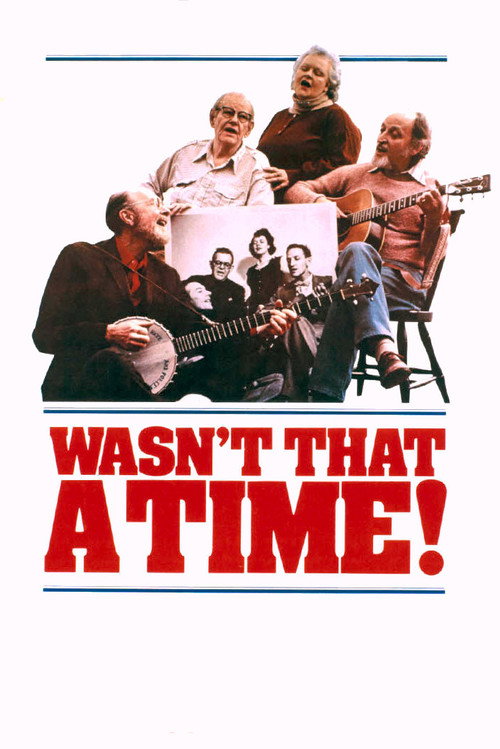
The Weavers: Wasn't That a Time1982
A concert documentary about an American folk group reconnecting after years apart. It has the same warmth and specificity about a musical tradition, and the same sense of a culture being passed down and contested.
But It's structured around a single concert, so if you want narrative momentum or visual variety, the format can feel static and stagey.
Not sure tonight? Get a pick in a minute, starting from The Kingdom of Zydeco
The wildcard
Something you would not have found on your own.
The Ballad of Little Jo1993
Both films examine identity and authenticity within their specific regional and cultural contexts. Kingdom asks who gets to be 'king' of zydeco; Little Jo asks who gets to define what a frontier hero is.
Maggie Greenwald's Western about a woman who disguised herself as a man to survive in the frontier plays with genre expectations the way Kingdom plays with documentary convention. Both ask: what is this form hiding, and what does it reveal?
But It's a revisionist Western that prioritizes character study over action. If you expect gunfights and clear heroes, you'll be disappointed.

More like this (7)
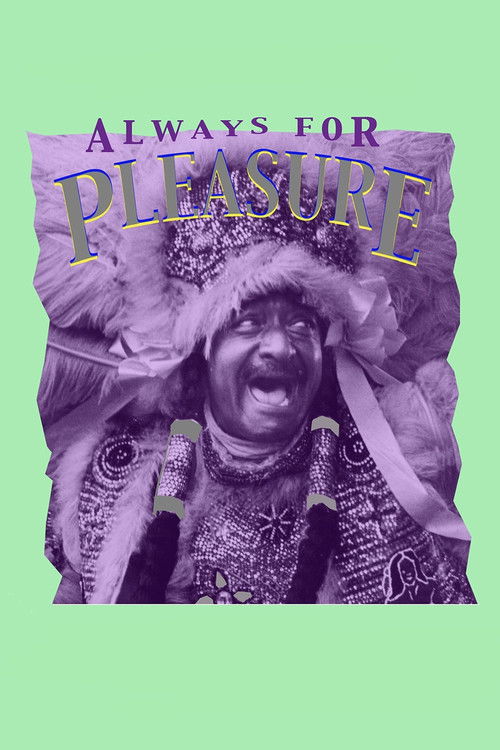
Always for Pleasure1978
Lis Rhodes's documentary about New Orleans jazz funerals and second-line traditions captures Black Southern culture with the same affection and detail that Kingdom of Zydeco brings to zydeco. Music, community, and ritual are inseparable.
But It's a short film (29 minutes) and deliberately observational—no interviews, no voiceover. Some viewers find it too formal or remote.
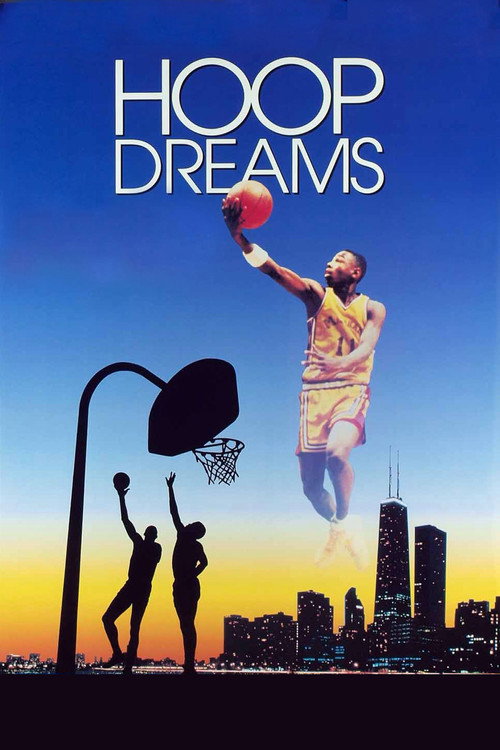
Hoop Dreams1994
Released the same year, it's another documentary that follows a specific community—Black Chicago—over time, with the same unhurried eye for regional texture and the economics beneath the surface. It respects its subjects' complexity.
But At 182 minutes, it requires a serious time commitment. And it's ultimately about institutional exploitation and broken promises, so it's not a feel-good film.
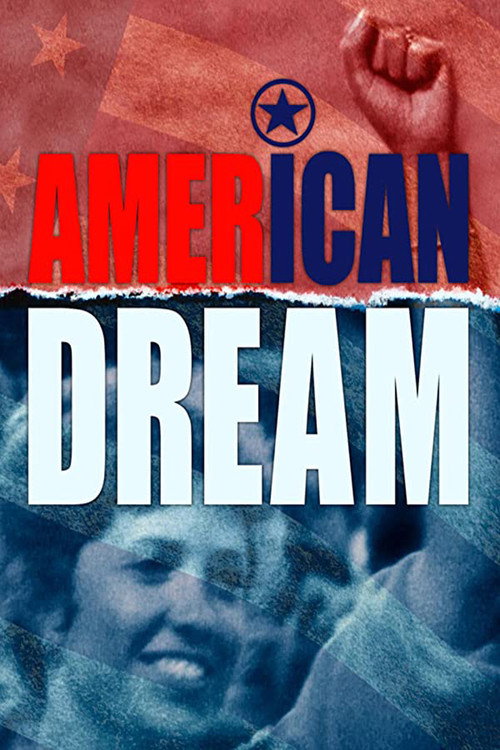
American Dream1990
Barbara Kopple's documentary about a labor strike in Minnesota combines the regional specificity and the portrait of ordinary people fighting for their culture and livelihood. It has Kingdom's sense of a particular place under pressure.
But It's from a Marxist perspective and doesn't hide it. If you're uncomfortable with overtly political documentary, this will announce itself quickly.
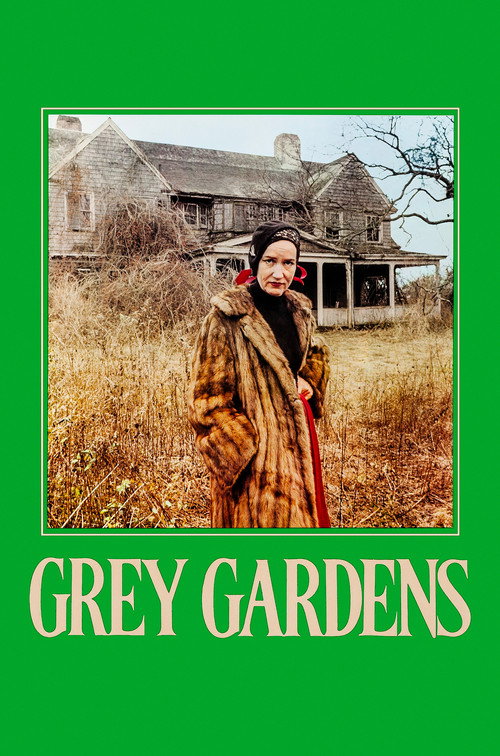
Grey Gardens1976
The Maysles brothers' documentary about a reclusive mother and daughter is a masterclass in intimate observation without judgment. It watches people for who they are, not what the filmmaker thinks they mean.
But The subjects are eccentric in ways that can feel exploitative in hindsight. Some viewers find the filmmakers' distance uncomfortable or unkind.
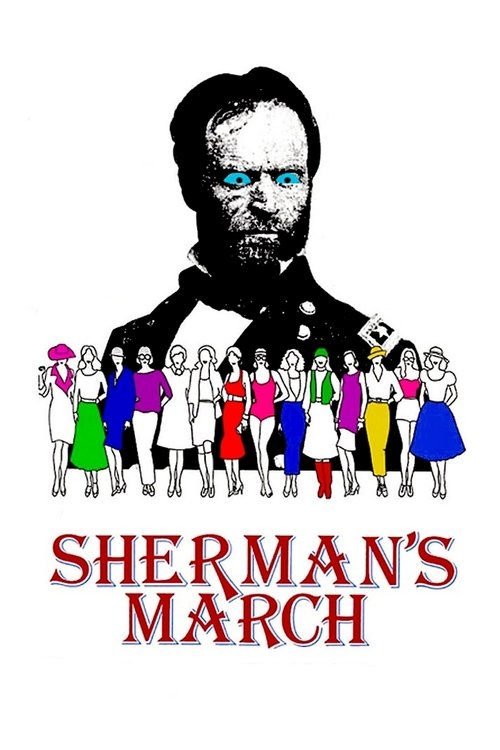
Sherman's March1986
Ross McElwee's autobiographical documentary follows him through the American South with the same regional affection and meandering structure as Kingdom of Zydeco. It's about place, family, and creative obsession.
But It's primarily about the filmmaker's own romantic life, which some find indulgent. The pacing is deliberately digressive, which can test patience.
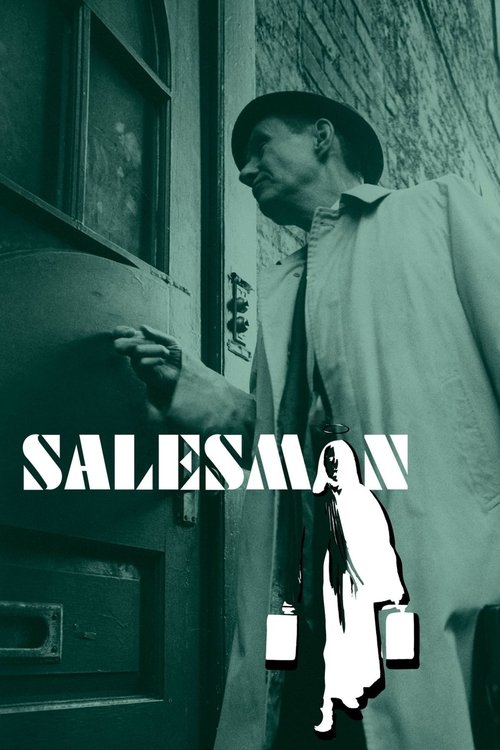
Salesman1969
Albert and David Maysles follow Bible salesmen across America with unflinching humanism. Like Kingdom, it's a portrait of people and their work, specific and unsentimental, with real stakes beneath the surface.
But It's observational to the point of coldness, and the subjects' struggles can feel grim. There's no conventional narrative arc to lean on.
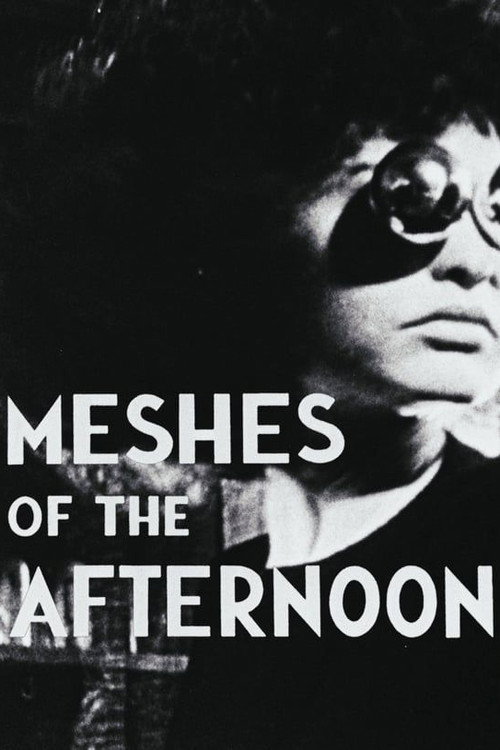
Meshes of the Afternoon1943
Both films use their chosen medium (documentary observation, experimental cinema) as a way to explore what cannot be easily said. Both privilege rhythm, repetition, and regional specificity as a form of knowledge.
Maya Deren's avant-garde experimental film uses rhythm, repetition, and the filmmaker's own body to create something that feels musical without being about music. Like Kingdom, it's about finding structure in obsession and specificity.
But It's 14 minutes of surreal imagery with no dialogue, linear plot, or explanation. If you need clarity or narrative, this is the opposite of what you're looking for.
People
Cast
- Boozoo ChavisSelf
- Beau JocqueSelf
- Nathan WilliamsSelf
Directing
- Robert MuggeDirector
Production
- David SteffenExecutive Producer