
Film
Sherman's March
- Drama
- Romantic drama
- Slow-burning
Sherman's March started life as a serious documentary retracing General Sherman's Civil War campaign and turned, almost by accident, into a shaggy, hilarious, achingly honest self-portrait of a lonely filmmaker chasing exes, nuclear paranoia and Southern eccentrics with a camera he can't put down. It's slow, digressive and deeply personal — built for patient viewers, not plot-hunters.
Should you watch it?
Watch it if you enjoy essayistic, rambling first-person documentaries where the filmmaker's own romantic awkwardness becomes the subject and the history stays in the background, and you don't mind wandering off course with him.
Skip it if you want a focused history of Sherman's campaign or a brisk runtime; this is nearly two and a half hours of digression, and the wandering is the whole point.
What it asks of you: Patience for long stretches of unhurried, meandering footage that trails its director through ordinary days and chance encounters, and pays off in attention rather than plot.
Not sure? Find tonight's pick in a minute.
If you liked this
Stories We Tell2012
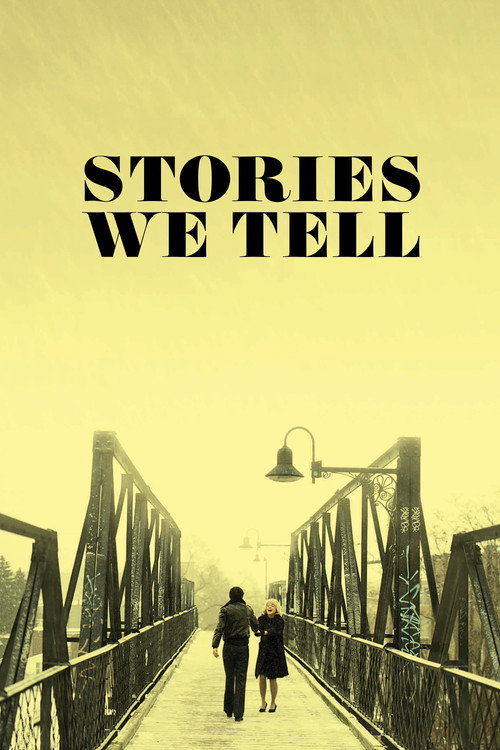
Sarah Polley turns detective on her own family, splicing home movies, staged reenactments and conflicting testimony into a puzzle about who actually gets to tell a story. Same DIY intimacy, sharper craft.
But Tighter and more controlled than McElwee's rambling — you may miss the shagginess and the digressions.
Tarnation2003
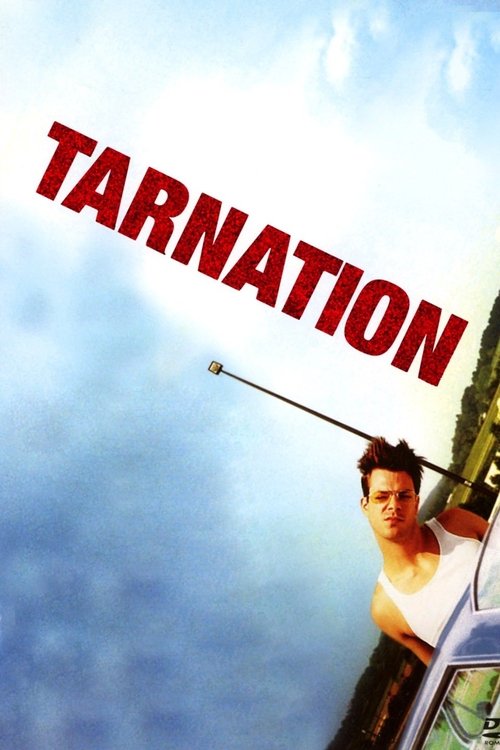
Jonathan Caouette assembles decades of home footage, answering-machine tapes and diary entries into a raw, hallucinatory record of his own troubled life. Proof a life can be edited into art on no budget.
But Much rawer and more chaotic — no wry narrator to soften anything, just collage and unfiltered feeling.
American Movie1999
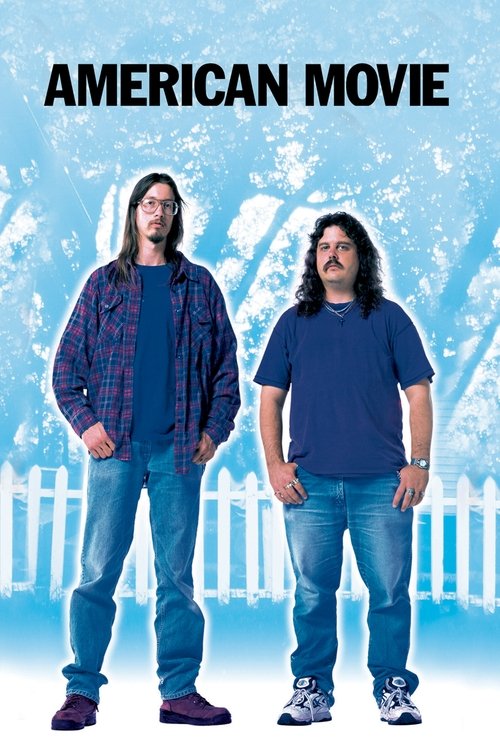
A broke Wisconsin filmmaker chases his horror-movie dream against all reason, and the camera loves him for it — funny, tender, embarrassingly human filmmaking.
But Trades McElwee's introspection for slapstick chaos; it's about someone else's delusion, not your own heart.
Not sure tonight? Get a pick in a minute, starting from Sherman's March
The wildcard
Something you would not have found on your own.
Waltz with Bashir2008
Both films use the physical act of retracing a historic military campaign as a pretext for excavating a buried self — one plays it for wry comedy about love, the other for a reckoning with war guilt, but the structural idea, march as therapy, is identical.
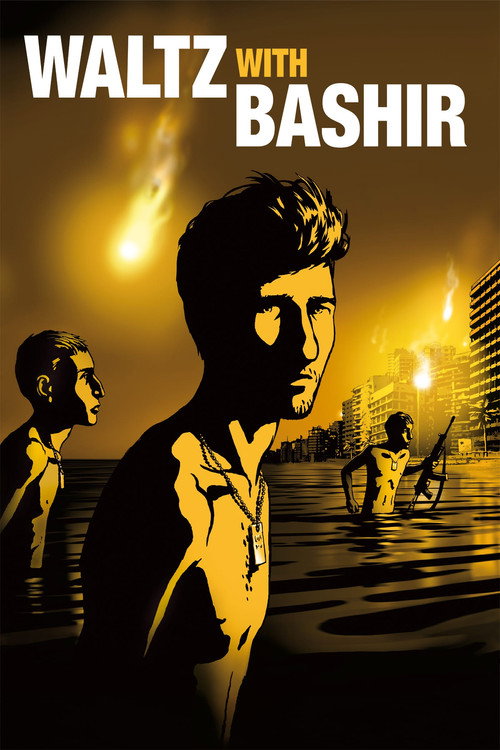
An Israeli veteran retraces his own foggy memories of the 1982 Lebanon War through stark, dreamlike animation, hunting for what he actually saw and did.
But It's about real atrocity, not romantic hesitation — the tone is haunted throughout, never funny.
More like this (8)
Grey Gardens1976
The Maysles brothers embed with two eccentric, reclusive relatives of Jackie O in a crumbling mansion and just let the camera watch. Foundational fly-on-the-wall intimacy.
But No narrator, no structure, no comfort — just two people you'll find either mesmerizing or unbearable.

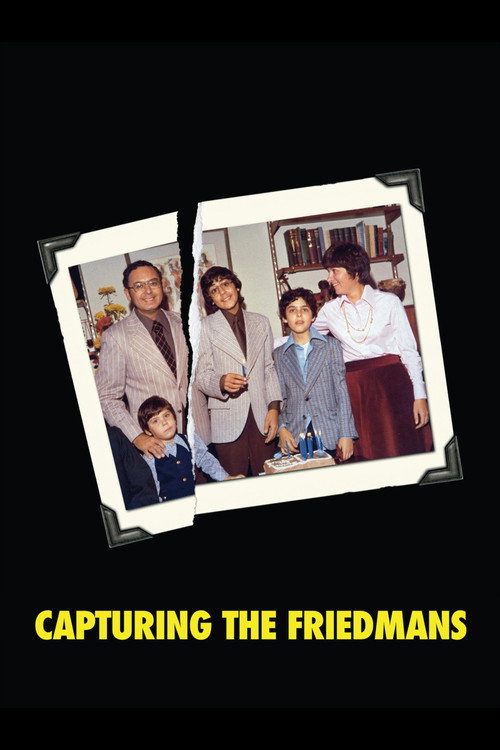
Capturing the Friedmans2003
Home movies made by an ordinary family become evidence in a story about accusation, memory and how families narrate their own worst moments.
But Darker, legally fraught material — this isn't gentle self-deprecation, it's a real crime with no clean answer.
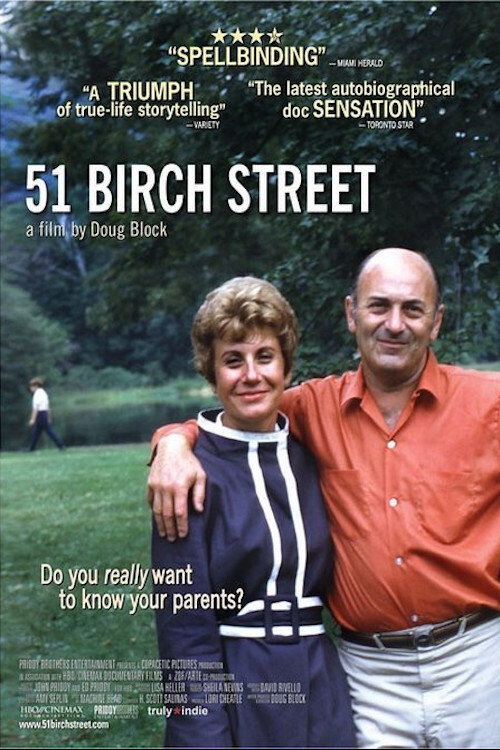
51 Birch Street2006
Doug Block turns his camera on his own parents' marriage after his mother's death and uncovers a life he never knew existed. Quietly devastating, deeply personal.
But Smaller and sadder than McElwee's picaresque comedy — a family excavation, not a romantic romp.
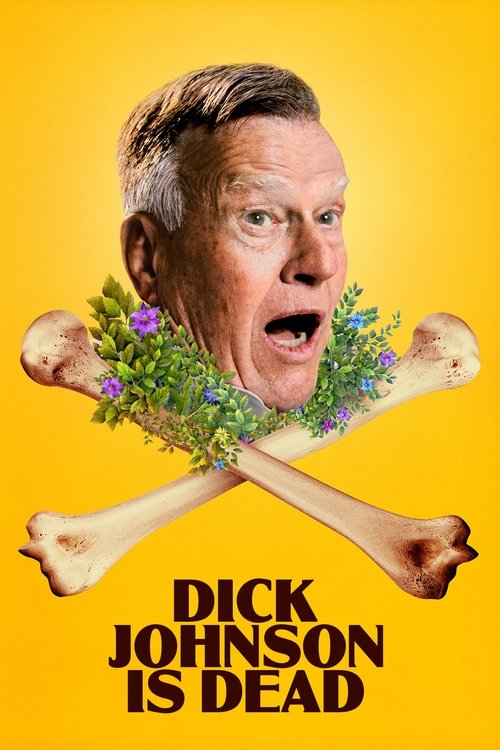
Dick Johnson Is Dead2020
Kirsten Johnson stages her own father's death in advance, over and over, as a strange, loving way of processing his decline — inventive, tender, and funnier than it sounds.
But Its formal trickery and morbid premise are a stranger kind of weird than McElwee's shuffling romantic anxiety.
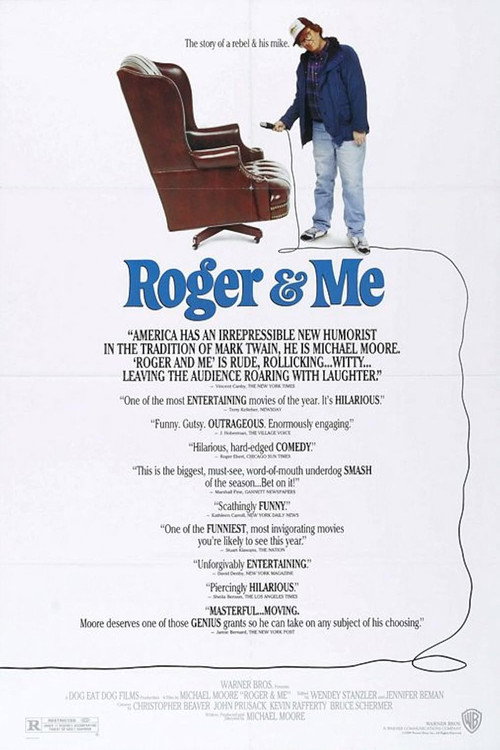
Roger & Me1989
Michael Moore turns the first-person documentary into activist comedy, chasing a GM executive through the ruins of his hometown. Same in-your-face style, angrier purpose.
But Louder and more partisan than McElwee — Moore wants a villain, McElwee just wants a mirror.
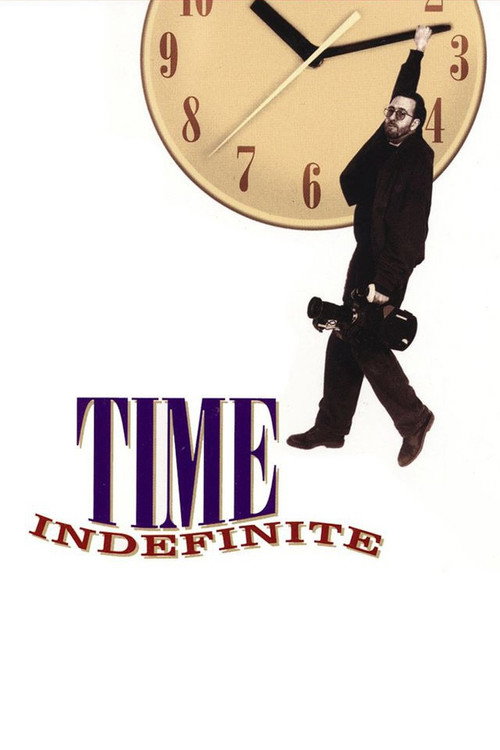
Time Indefinite1993
McElwee's own sequel, made years later, trades romantic panic for marriage, fatherhood and grief — the same restless camera now pointed at bigger stakes.
But Leans on Sherman's March for context and lands heavier, with far less of the original's playfulness.
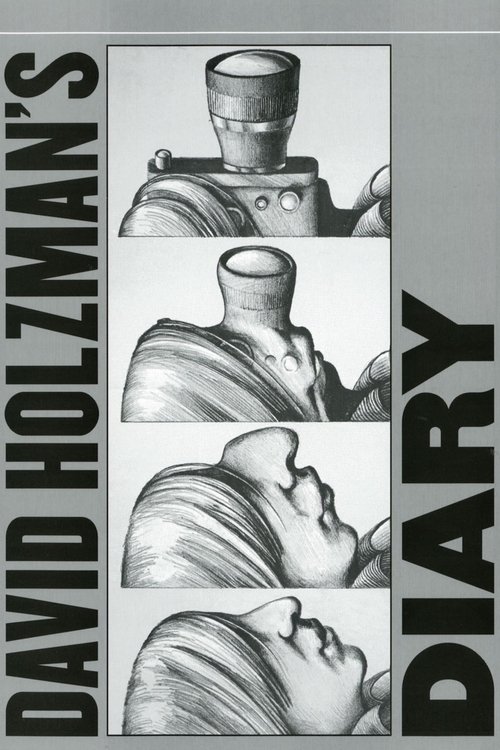
David Holzman's Diary1967
Made two decades before McElwee, it invents the exact same premise — camera as substitute for a functioning relationship — as pure fiction, proof the idea was already in the air long before anyone tried it for real.
A young man decides that filming every moment of his own life will finally make sense of it, only to watch his girlfriend and his sanity slip away on camera.
But It's a mockumentary — scripted and acted — so the diary intimacy is a performance, not a confession.
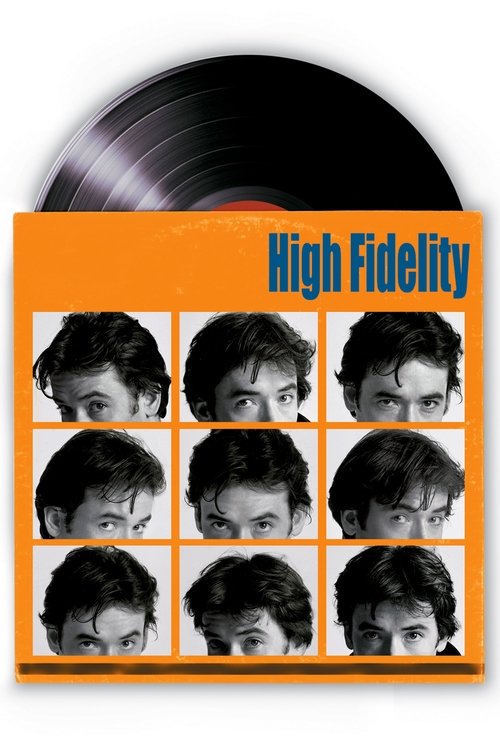
High Fidelity2000
Same man underneath the joke — someone who processes heartbreak by turning it into a project, listing and narrating his own failures instead of just living through them, only here it's a screenplay instead of a real camera crew.
A record-shop owner catalogues his failed relationships top-five-style, narrating his own romantic ineptitude straight to camera with equal parts wit and self-loathing.
But Fully scripted and pop-soundtracked, resolved neatly by the credits — a tidy fiction where McElwee only offers mess.
People
Cast
 Ross McElweeSelf
- Dede McElweeSelf
 Charleen SwanseaSelf
- Ross McElwee Jr.Self
 Burt ReynoldsSelf
- Tom McElweeSelf
- Wini WoodSelf
- Dee Dee GeratySelf
- Joyous PerrinSelf
 Richard LeacockSelf - Historical Narration (voice)
Recommended by
In the Mood for Love, The Straight Story, Stories We Tell, Broken Flowers, Paris, Texas, Tarnation, Silverlake Life: The View from Here, Husbands and Wives, Real Life, Sans Soleil, David Holzman's Diary, National Lampoon's Vacation, Before Sunset, Word Is Out: Stories of Some of Our Lives, The Rehearsal, Time Indefinite, The Kingdom of Zydeco, My Tale of Two Cities, The Ax Fight