
Film
Real Life
Albert Brooks plays a delusional documentarian who moves in with an ordinary Phoenix family to capture their lives for cinema, turning their home into a film set. It's painfully funny—a surgical dissection of ego, intrusion, and the gap between art and reality. For anyone who's ever winced at a filmmaker's pretension or felt uncomfortable watching other people's discomfort on screen.
If you liked this
Zelig1983
Woody Allen's mockumentary about a man who physically morphs to match whoever surrounds him. Like Real Life, it's comedy built on the absurdity of documentation itself and the hunger to be seen and believed.
But The gimmick wears thin if you're not already invested in Allen's brand of neurotic intellectualism. Some find the concept smarter than the execution.

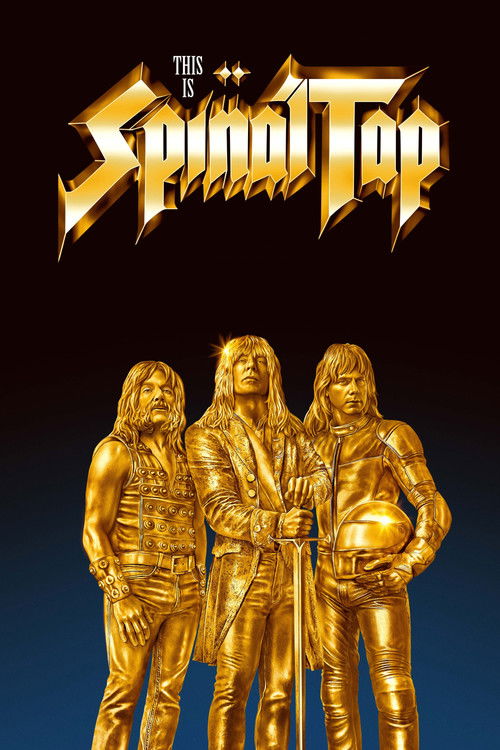
This Is Spinal Tap1984
A mockumentary that treats a ridiculous rock band with the solemnity of serious cinema. Both films weaponize the documentary form itself as the joke, exposing how cameras distort the thing they claim to capture.
But If you don't find the music-world satire funny, you're left watching people act absurd for ninety minutes with no plot to carry you.
The Disaster Artist2017
James Franco chronicles the making of The Room, a film so deluded it became a masterpiece. It's about an artist so committed to a terrible vision that he becomes inadvertently fascinating—same energy as Brooks's protagonist.
But Requires familiarity with The Room to fully land. Even then, the film is kinder to its subject than Real Life is to its filmmaker.

Not sure tonight? Get a pick in a minute, starting from Real Life
The wildcard
Something you would not have found on your own.
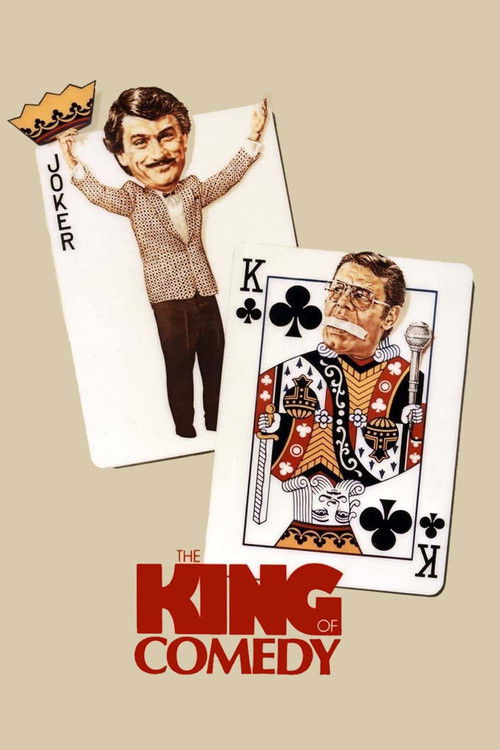
The King of Comedy1982
Both explore how the camera era breeds a specific kind of American delusion—the conviction that being filmed equals being important, and the willingness to destroy others to make it happen.
Martin Scorsese's unsparing portrait of a delusional nobody obsessed with appearing on television. Real Life and King are spiritual twins: both watch narcissism turn aggressive, funny turn sinister, and cinema become a weapon of ego.
But It's a thriller, not a comedy, and Robert De Niro's character is actively frightening. The film doesn't wink. It's genuinely unsettling in ways that transcend humor.
More like this (7)
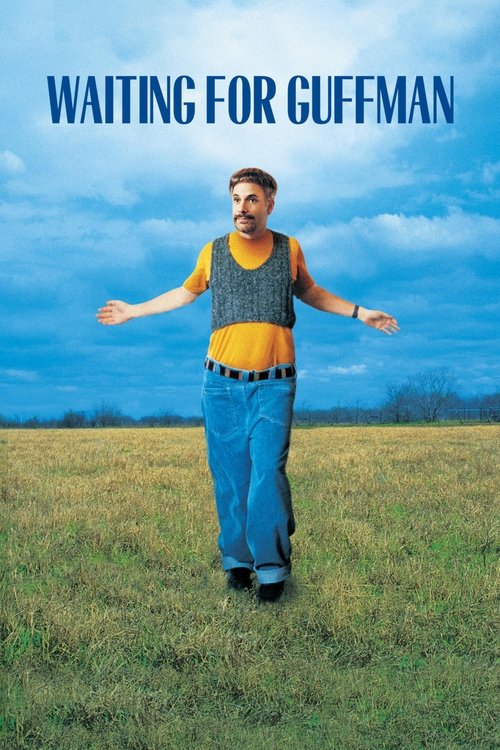
Waiting for Guffman1997
Christopher Guest's mockumentary about a community theater production. Like Real Life, it finds horror and hilarity in people's desperate need to be taken seriously and seen as artists.
But The humor is gentle where Real Life is genuinely cruel. If you want sharper teeth, this will feel soft.
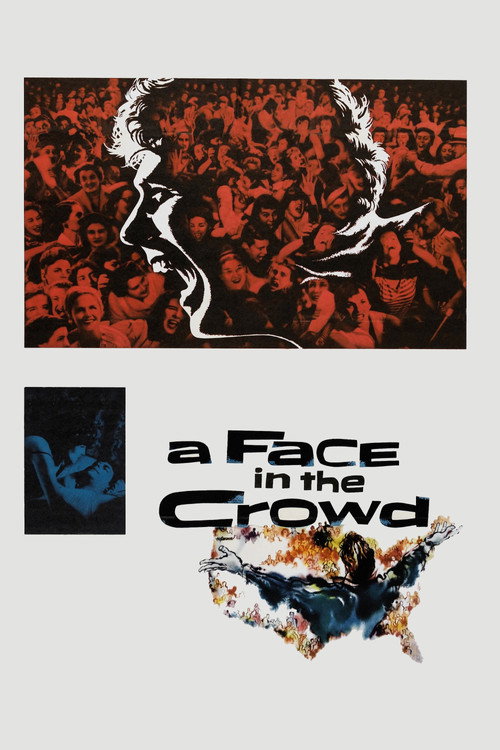
A Face in the Crowd1957
Elia Kazan's proto-satire about a drifter who becomes a media sensation. Both films are obsessed with how cameras and documentation can corrupt and magnify ego, turning nobodies into monsters.
But It's a genuine drama, not a comedy, and it's dated in ways that might make the satire feel blunt to modern eyes. Black and white and in earnest.
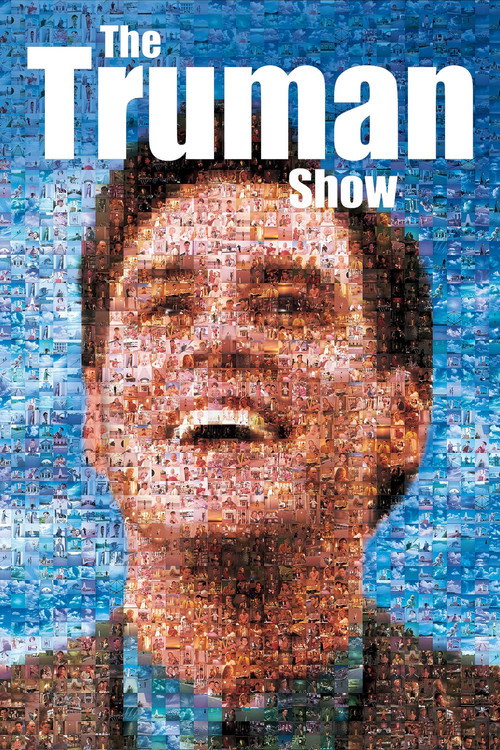
The Truman Show1998
A man slowly realizes his entire life is a film set. It shares Real Life's nightmarish core idea: what happens when someone's private world becomes public content for an audience?
But The tone is far gentler and more philosophical. If you want Real Life's cringe and aggression, you'll find this too hopeful.
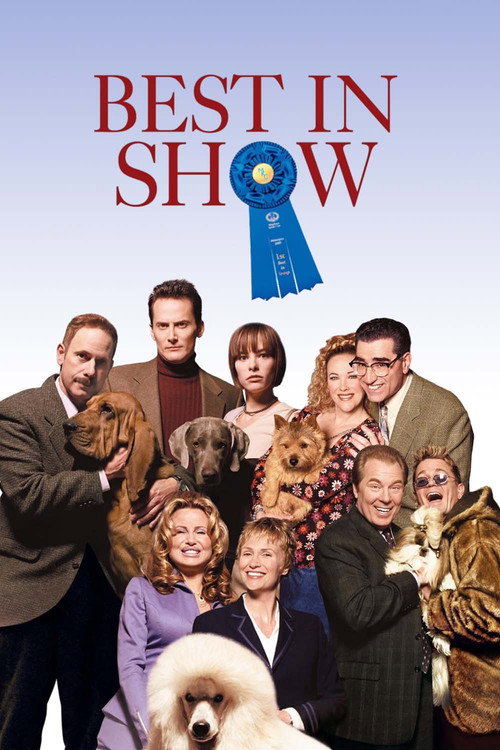
Best in Show2000
Christopher Guest's mockumentary about dog show competitors. Another scalpel-sharp anatomy of obsession and self-delusion, letting people hang themselves with their own contradictions.
But The humor depends on recognizing comedy tropes. Newer viewers might find it feels more like watching eccentric people than watching satire.
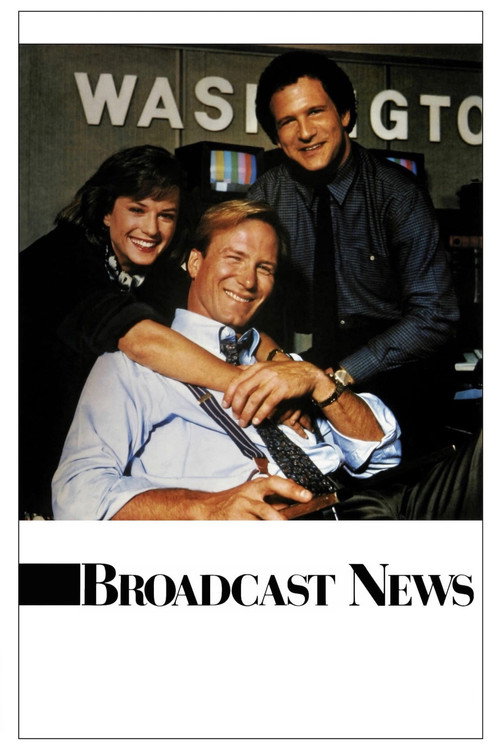
Broadcast News1987
James L. Brooks examines ego and ethics in television news. It shares Real Life's skepticism about media's claim to truthfulness and how personalities corrupt institutions.
But It's a romantic dramedy underneath the satire. If you came for the filmmaking critique, the love triangle will feel like a distraction.
Hearts of Darkness: A Filmmaker's Apocalypse1991
A documentary about the making of Apocalypse Now—a real film shoot where the filmmaker's ego and vision consumed everything. Eerily echoes Real Life's portrait of an artist willing to destroy for his vision.
But It's a straight documentary, not satirical. The parallels are uncomfortable rather than funny. Knowing Coppola's reputation going in changes how you read it.

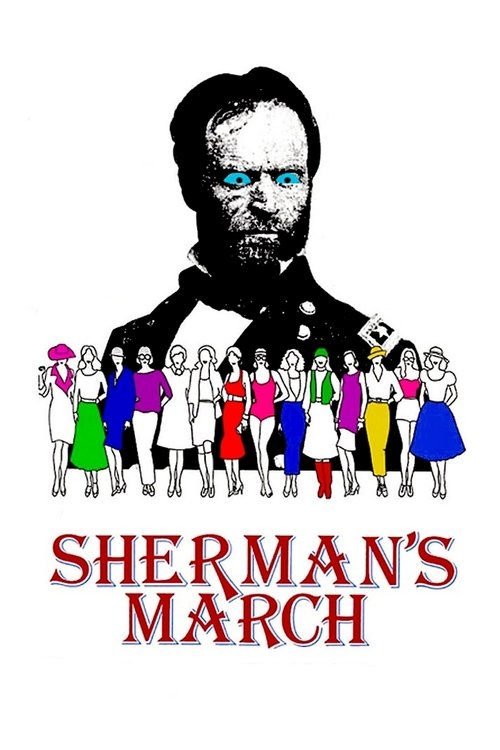
Sherman's March1986
Both films are secretly about the impossibility of the artist stepping back from his own work. Brooks satirizes it; McElwee lives it. Both ask: can a documentarian ever be objective, or is the camera always pointed at the filmmaker's own need?
Experimental documentary where the filmmaker (Ross McElwee) intended to make a film about General William Tecumseh Sherman but instead keeps inserting himself, his romantic failures, and his neuroses until the film becomes entirely about him. Real Life as lived documentary—the narcissism Brooks satirizes becomes the actual subject.
But It's genuinely experimental and formless. No plot, no structure, sometimes boring. It's about two hours of a man processing his life on camera, which is either profound or indulgent depending on your patience.
People
Cast
 Albert BrooksAlbert Brooks
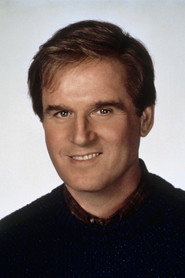 Charles GrodinWarren Yeager
 Frances Lee McCainJeannette Yeager
- Lisa UretteLisa Yeager
- Robert StirratEric Yeager
- Matthew TobinDr. Howard Hill
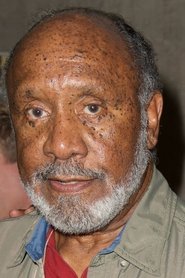 J.A. PrestonDr. Ted Cleary
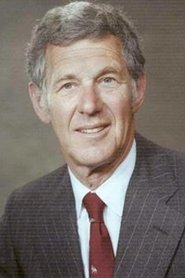 Mort LindseyMort Lindsey
- Joseph SchafflerPaul Lowell - Realtor
- Phyllis QuinnDonna Stanley - Gift Shop Owner
 James RitzJack from Cincinnati
- Clifford EinsteinRole Reversal Family Father
Directing
- Albert BrooksDirector
- David McGiffertFirst Assistant Director
- Betty GoldbergScript Supervisor
- Rafael ElorteguiSecond Assistant Director
Writing
- Albert BrooksWriter
- Harry ShearerWriter
- Monica JohnsonWriter
Production
- Jonathan KovlerExecutive Producer
- Norman EpsteinExecutive Producer
- Penelope SpheerisProducer