
Film
Zelig
Zelig is Woody Allen's deadpan faux-documentary about a man so eager to fit in that he literally becomes whoever stands near him, spliced with uncanny skill into real 1920s newsreel footage. It's droll rather than laugh-out-loud, more formal experiment than farce, and asks a serious question about identity and conformity while wearing the costume of a silly biography. Best for viewers who like their comedy cerebral and their trick photography seamless.
If you liked this
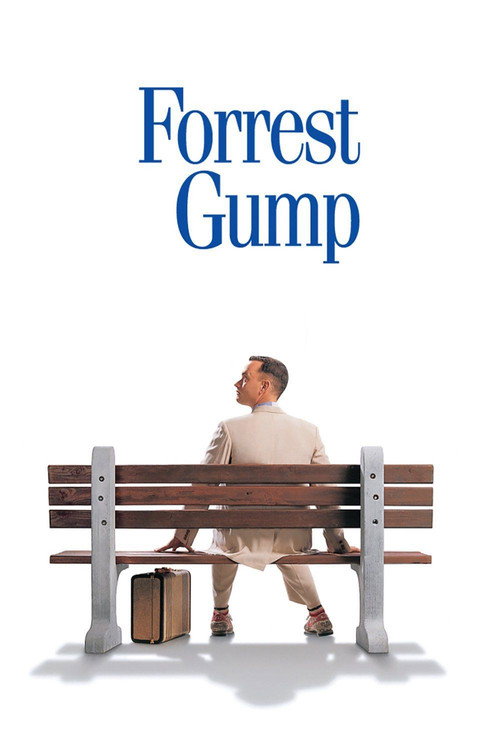
Forrest Gump1994
Zelig basically invented Gump's trick of dropping a fictional everyman into real historical footage, but this time played for warmth rather than irony — same premise, opposite temperature.
But Three hours of earnest sentimentality is a long way from Allen's dry seventy-nine minutes; the sincerity might grate if you loved the detachment.
This Is Spinal Tap1984
The mockumentary form Zelig plays it straight with, this plays entirely for laughs — same deadpan narrator-and-footage structure, aimed at fading rock stardom instead of psychiatric case study.
But Broader, dumber comedy by design; if you loved Zelig's subtlety, this swings for bigger, more obvious jokes.

Best in Show2000
Christopher Guest's ensemble mockumentaries descend directly from what Allen was doing here, the same fake-solemn interview style turned on dog-show obsessives instead of a historical mystery man.
But No trick photography, no archival stitching — the technical craft that makes Zelig remarkable isn't really on display.

The wildcard
Something you would not have found on your own.
The Imposter2012
Same fascination with a person who survives by dissolving into whoever others need him to be, but nonfiction instead of pastiche.
A real Frédéric Bourdin impersonated a missing Texas teenager and convinced his family — this documentary is Zelig's premise with the safety rail removed, because it actually happened.
But It's tense and upsetting rather than funny; there's no Allen-ish irony to soften how genuinely disturbing the deception becomes.

More like this (7)
Catch Me If You Can2002
A true-crime cousin — a man who survives by becoming whoever a room needs him to be, told as glossy studio entertainment instead of dry pastiche.
But Spielberg plays it as a caper with a heart, not an essay on identity; the ambiguity Zelig sits in gets resolved into redemption.

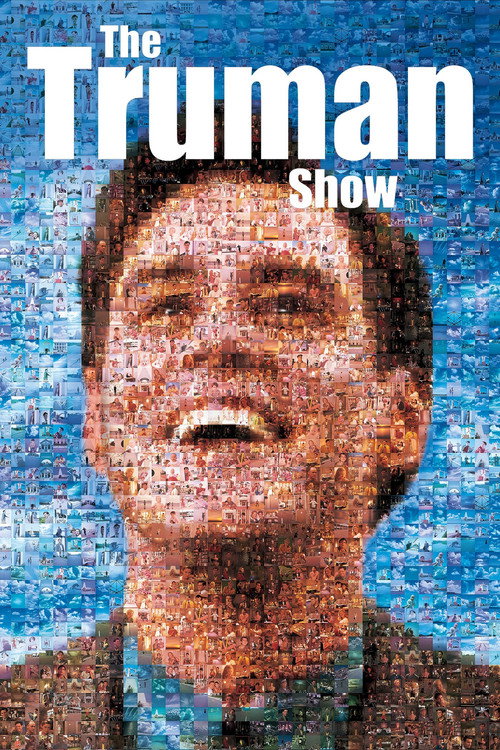
The Truman Show1998
Swaps the newsreel conceit for a game-show-era one, but shares Zelig's fascination with a life staged for public consumption and a man who doesn't fully own his own story.
But A more conventional narrative with a clear villain and clear escape, where Zelig prefers ambiguity and lets its subject stay strange.
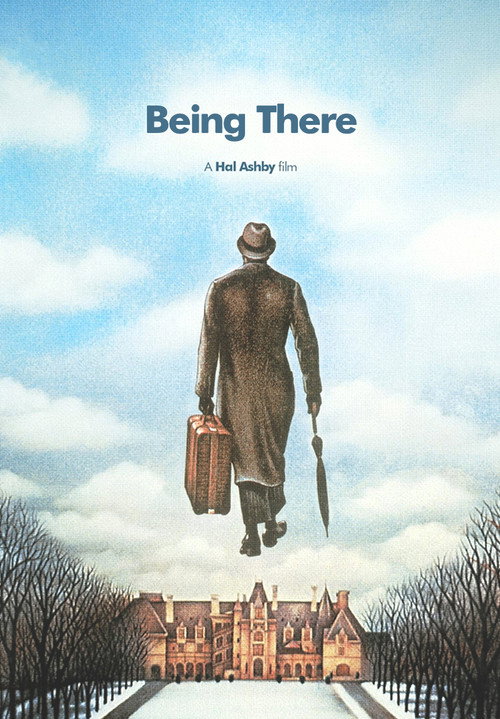
Being There1979
Peter Sellers plays a man of no fixed personality who becomes a screen everyone projects greatness onto — Zelig's blank-slate premise taken to satirical extremes about fame and politics.
But Slower and stranger, with a punchline that lands as unease rather than laughter.
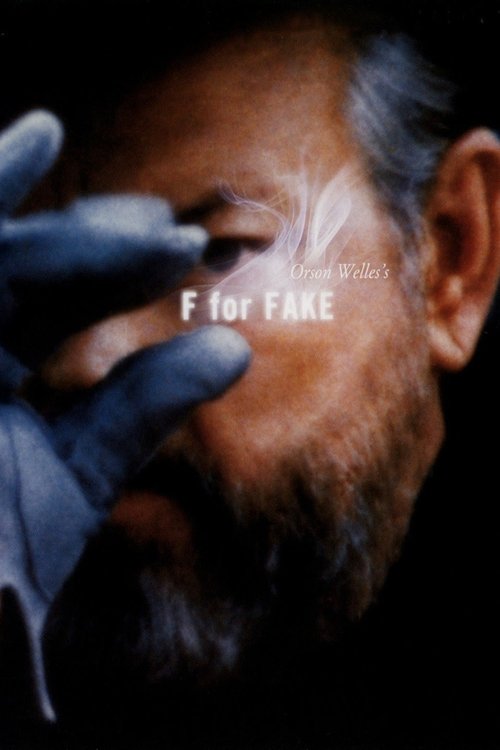
F for Fake1973
Orson Welles' essay-film about forgers and fakers uses the same trick of blending real footage with staged material to interrogate what a documentary can even claim to prove.
But Almost no plot at all — it's a meditation, not a story, and some will find it cleverer than enjoyable.
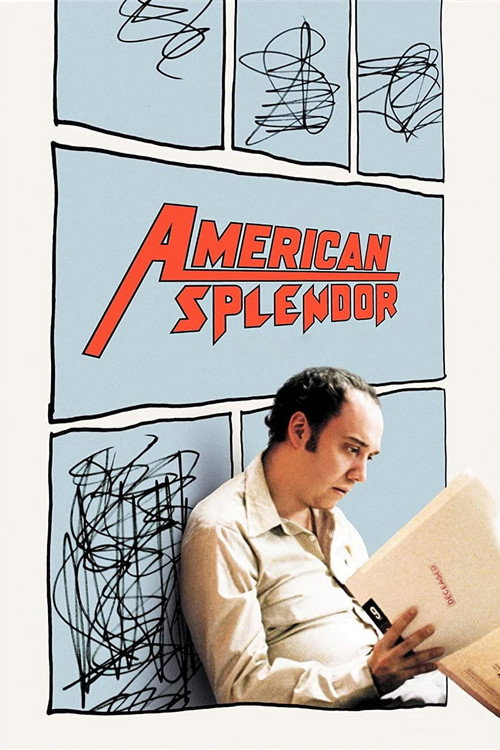
American Splendor2003
Blends real biography, actors, and the actual subject commenting on his own dramatization — a related experiment in whose version of a life gets to be true.
But Grounded and grubby where Zelig is polished pastiche; the tonal shift from farce to indie realism is significant.
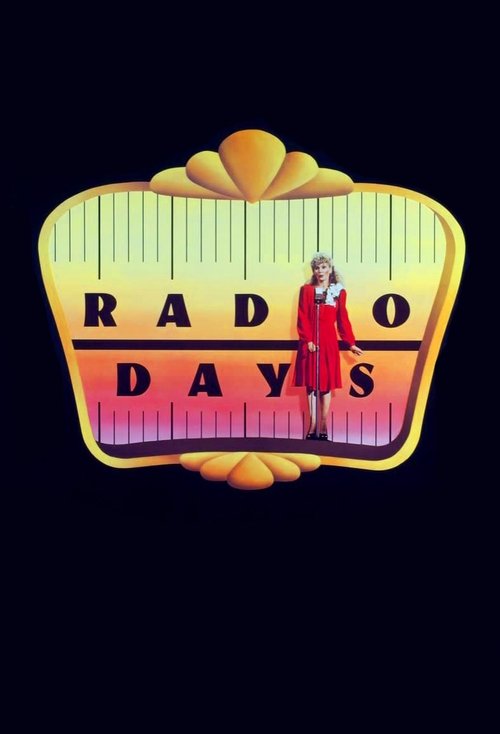
Radio Days1987
Allen's own nostalgic, narrator-driven trip through the same era and archival texture Zelig mines, minus the satire — a gentler companion piece from the same filmmaker's obsessions.
But No conceptual trick, no central mystery — just memory and mood, which can feel slight next to Zelig's density.
Perfect Blue1998
Both concern a self that erodes under the need to become what an audience wants; one plays it as whimsy, the other as nightmare.
A pop idol's identity fractures under the pressure of other people's projections in this animated psychological thriller — Zelig's chameleon condition reimagined as body horror.
But Violent, paranoid, and genuinely frightening in a way that shares almost none of Zelig's dry humour or gentleness.

People
Cast
 Woody AllenLeonard Zelig
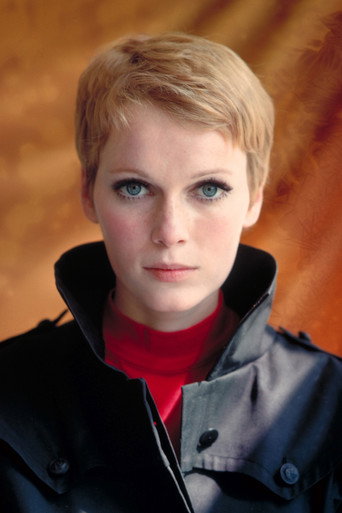 Mia FarrowDr. Eudora Nesbitt Fletcher
- Patrick HorganThe Narrator (voice)
 John BuckwalterDr. Sindell
- Marvin ChatinoverGlandular Diagnosis Doctor
- Stanley SwerdlowMexican Food Doctor
- Paul NevensDr. Birsky
 Howard ErskineHypodermic Doctor
- Richard WhitingOther Doctor
- Ralph BellOther Doctor
- Will HussungOther Doctor
 Gale HansenFreshman #1
Directing
- Duncan ScottAdditional Second Assistant Director
- Jim ChoryAdditional Second Assistant Director
- Thomas A. ReillyAssistant Director
- Woody AllenDirector
- Frederic B. BlankfeinFirst Assistant Director
- Kay ChapinScript Supervisor
- Tony GittelsonSecond Assistant Director
Writing
- Woody AllenWriter
Production
- Todd M. ThalerAssistant Production Coordinator
- Michael PeyserAssociate Producer
- Juliet TaylorCasting
- Paula HeroldCasting Associate
- Charles H. JoffeExecutive Producer
- Jack RollinsExecutive Producer
- Timothy M. BourneLocation Manager
- Robert GreenhutProducer
- Helen RobinProduction Coordinator
- Michael PeyserProduction Manager
- Ezra SwerdlowUnit Manager
Recommended by
Forrest Gump, This Is Spinal Tap, Close-Up, Being There, Chaplin