
Film
Close-Up
Kiarostami reconstructs a real Tehran court case in which a cinephile impersonated a famous director, casting the actual people involved—including the accused—to play themselves. Part documentary, part restaging, it's a hushed, endlessly inventive meditation on why people watch films, why they make them, and what it means to want to be someone else. Quiet, strange, and unexpectedly moving.
If you liked this
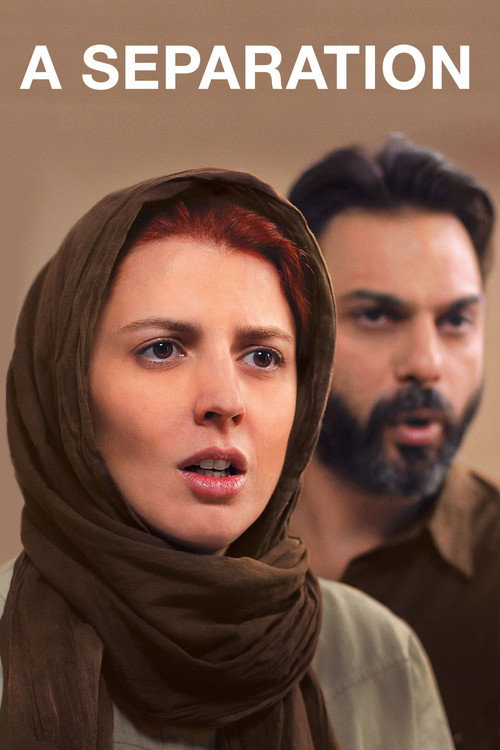
A Separation2011
Farhadi's drama turns a marital dispute into a moral labyrinth, with the same patient, humane camera that finds guilt and grace tangled together in every witness. Iranian cinema at its most emotionally exact.
But Slow-burning and dialogue-heavy—courtroom tension without a courtroom, and no easy villain to root against.
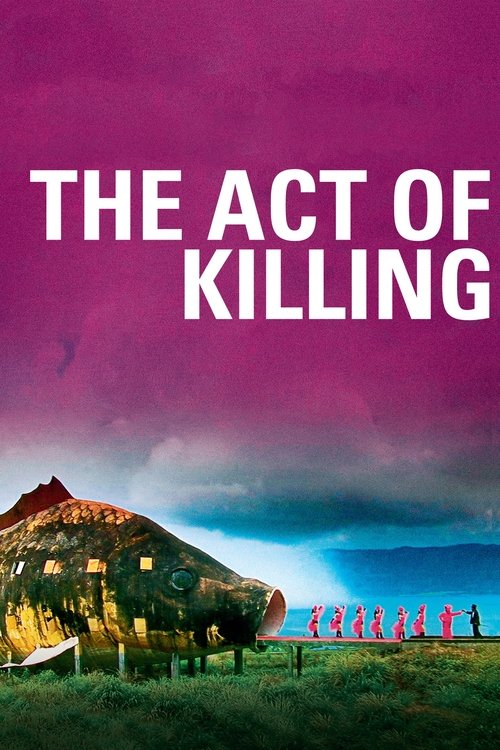
The Act of Killing2012
Real death-squad leaders reenact their own killings for the camera, sometimes as musicals, in one of the most disturbing meditations on performance and guilt ever filmed.
But Genuinely harrowing—not violent on screen so much as morally sickening, and it lingers for days.
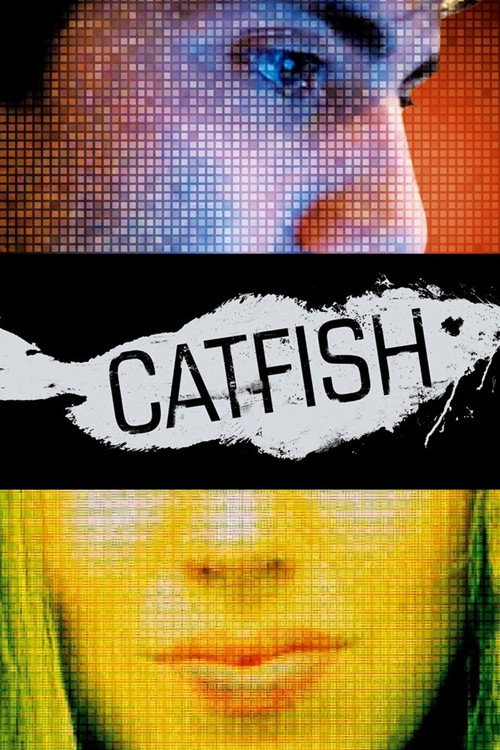
Catfish2010
A scrappy, low-budget documentary about online deception that plays like a thriller, then quietly becomes a study of loneliness and the stories we tell to be loved.
But Its early internet-era style and shaky-cam intimacy feel dated next to slicker modern true-crime docs.
The wildcard
Something you would not have found on your own.
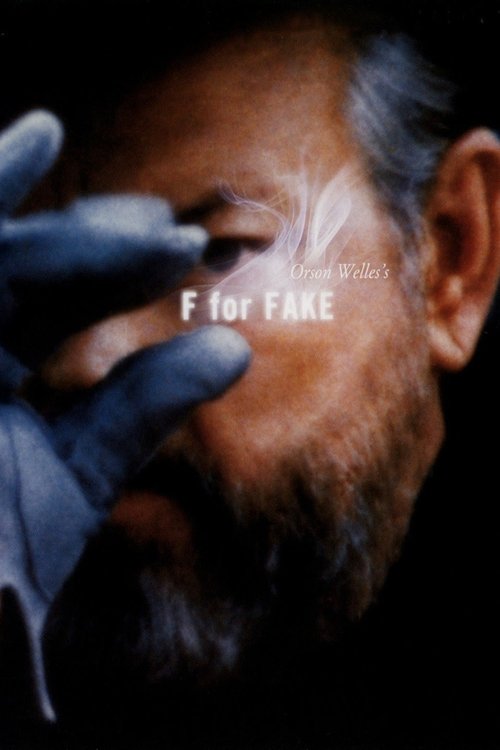
F for Fake1973
Welles interrogates authorship and truth through a real forger playing himself on camera, staging his own presence just as Kiarostami stages Sabzian—decades earlier, and just as slippery.
Orson Welles turns a documentary about a notorious art forger into a dazzling essay on fakery itself, narrating his own unreliability with wicked charm.
But A scattered, self-indulgent essay film with barely a plot—closer to a magic trick than a story.
More like this (8)
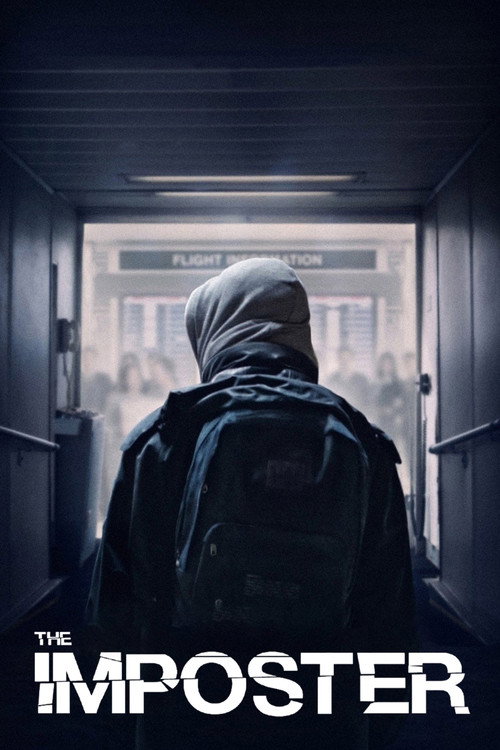
The Imposter2012
A real case of identity theft so audacious you'll assume it's fiction—a documentary that keeps recalibrating who deserves your sympathy right up to the last frame.
But The story's stranger-than-fiction quality can tip into pulpy true-crime territory rather than philosophy.
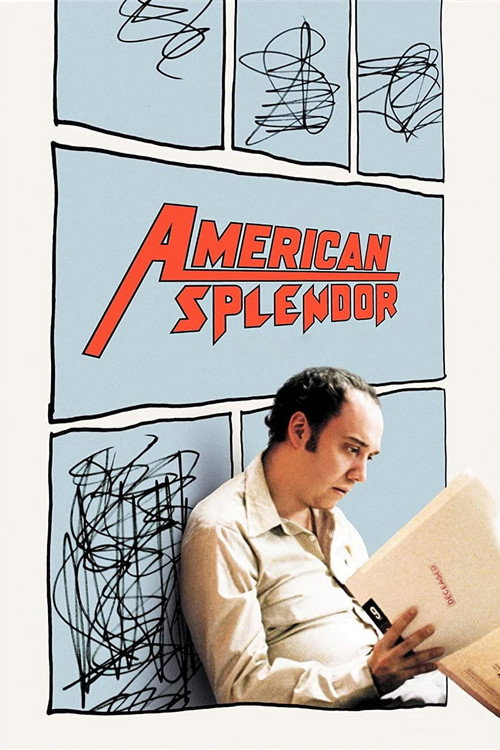
American Splendor2003
Real-life comic artist Harvey Pekar shares scenes with the actor playing him, a witty hybrid that treats the space between a person and their portrayal as the whole point.
But Its scruffy, comic-book humour is a much lighter register than Close-Up's solemn courtroom stakes.
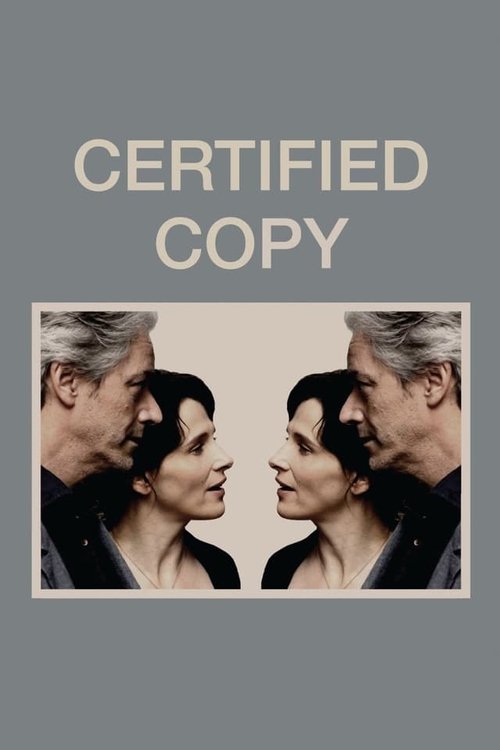
Certified Copy2010
Kiarostami again, this time with Juliette Binoche, testing whether a copy can carry the same weight as an original—a puzzle box disguised as a romance.
But Deliberately ambiguous and circular; if you want answers, this will frustrate you.
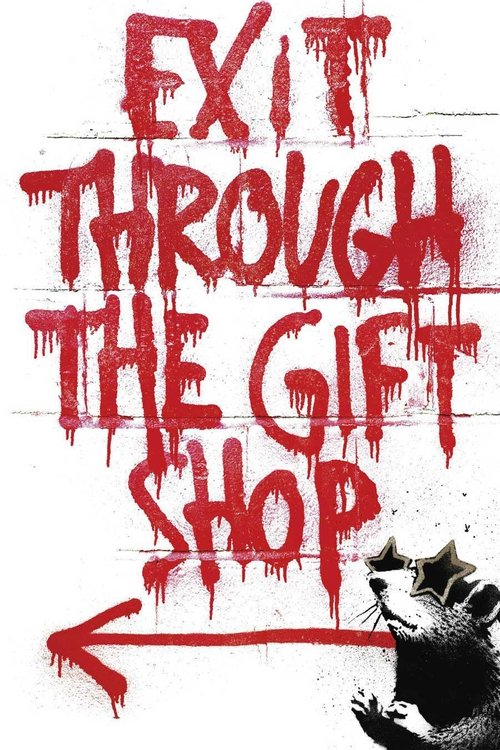
Exit Through the Gift Shop2010
Banksy's documentary about a documentarian who becomes the artist he was chronicling, a prank that keeps eating itself and never quite tells you what's real.
But Its playful unreliability can feel like a joke that never resolves, more clever than moving.
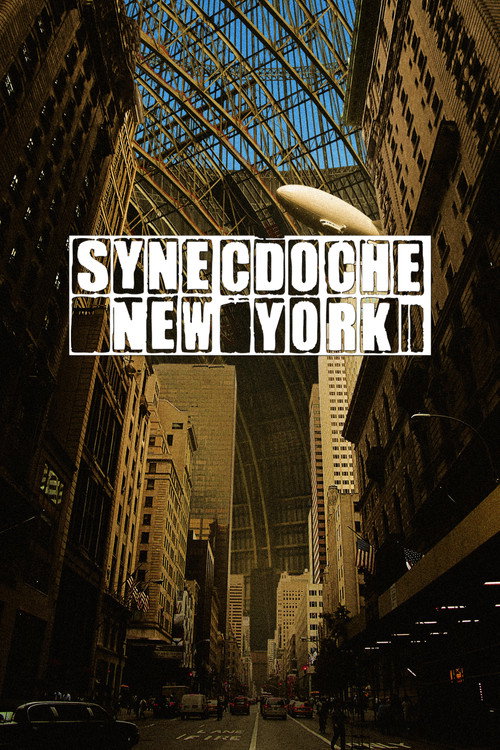
Synecdoche, New York2008
Charlie Kaufman builds a life-size replica of a man's life inside a warehouse, an aching, bewildering meditation on trying to capture reality by staging it.
But Dense, sad, and demanding—arthouse maximalism that some viewers find exhausting rather than moving.
Taste of Cherry1997no page yet
Another Kiarostami essential, following a man driving around Tehran looking for someone to help him die, filmed with the same patient curiosity about ordinary faces and voices.
But Almost nothing 'happens' in the conventional sense; it asks for real patience and offers no tidy resolution.
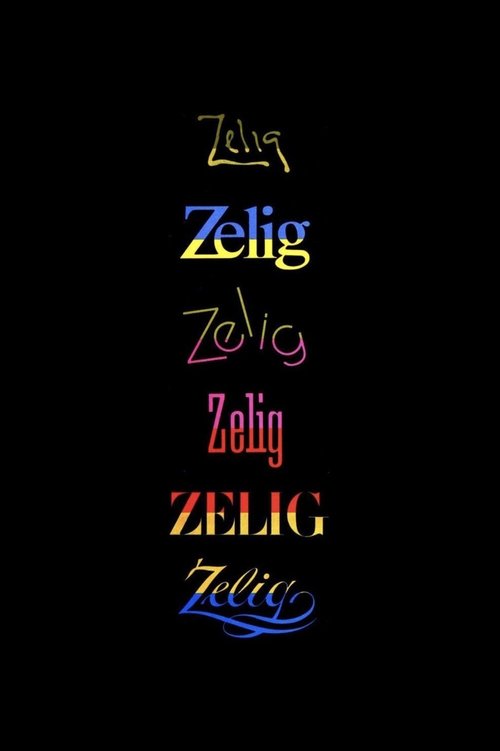
Zelig1983
Both films are about a man who erases himself to become someone else, but where Sabzian's need is desperate and real, Zelig's is a giddy formal joke.
Woody Allen's mockumentary about a man who literally transforms into whoever he's near, told with dry comic invention and seamless archival trickery.
But It's a comedy through and through, with none of Close-Up's tenderness or real emotional stakes.
The Arbor2010no page yet
Like Kiarostami, director Clio Barnard blurs documentary testimony with staged performance to ask who really owns a life story once it's retold on camera.
Actors lip-sync real interviews with a working-class family, an eerie British experiment that makes memory and grief feel uncannily present.
But The lip-sync technique is disorienting at first, and the story is bleak family tragedy rather than courtroom drama.
People
Cast
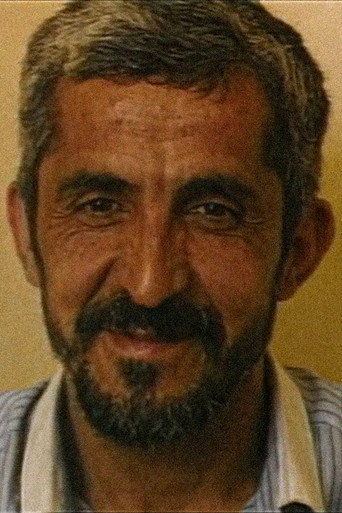 Hossain SabzianSelf
- Mahrokh AhankhahSelf
- Mehrdad AhankhahSelf
- Hossain FarazmandReporter
- Ahmad Reza Moayed MohseniFamily Friend
- Hooshang ShamaeiTaxi Driver
- Mohammad Ali BarratiSoldier
- Davood GoodarziSergeant
- Haj Ali Reza AhmadiJudge
Directing
- Abbas KiarostamiDirector
Writing
- Abbas KiarostamiWriter
Production
- Ali Reza ZarrinExecutive Producer
- Hassan AghakarimiProducer
- Hassan AghakarimiProduction Manager