
Film
Evolution of a Filipino Family
Lav Diaz's monumental 625-minute rural epic follows a farming family through seventeen years of Marcos-era Philippines, capturing degradation, resilience, and the slow, grinding violence of poverty and dictatorship. Shot in grainy 16mm with long static takes, it feels like watching history crystallize. Not entertainment—an endurance test that becomes profound.
Should you watch it?
Watch it if you want a slow, patient epic that lets a family's small daily routines carry the weight of national history, and you don't mind sitting with long, unhurried scenes.
Skip it if you need brisk plotting or a clear dramatic arc, since at roughly ten and a half hours it stretches patience thin and rewards only those willing to drift.
What it asks of you: Set aside a day or two in pieces; it moves at the pace of rural life, its scenes lingering past comfort and its tone staying grim and watchful.
Not sure? Find tonight's pick in a minute.
If you liked this
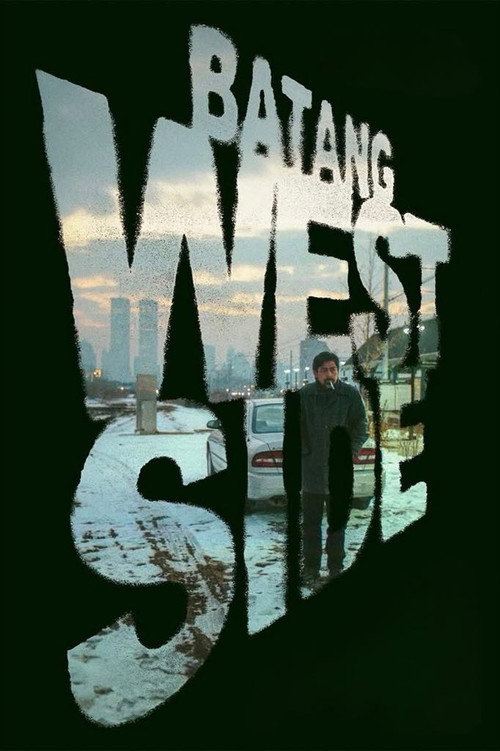
Batang West Side2001
Diaz's predecessor about street children in Manila: same unflinching eye, same refusal to sentimentalize poverty, same commitment to duration as meaning. A spiritual sibling.
But This is 305 minutes of observation without plot momentum. If you need dramatic shape, stop here.
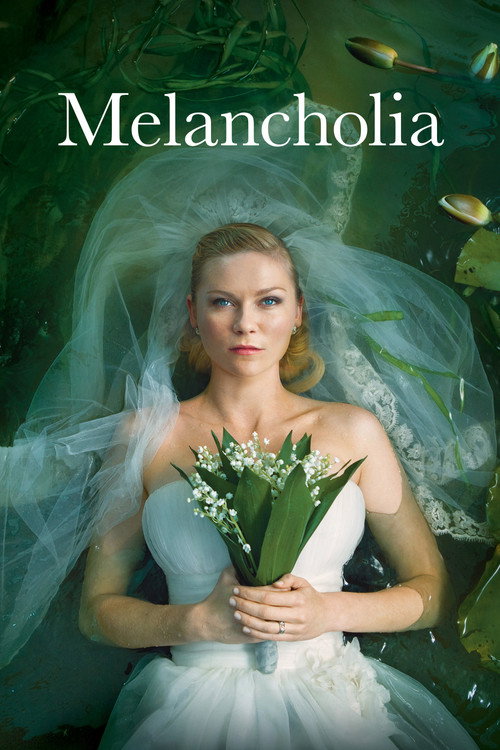
Melancholia2011
Lars von Trier's slow apocalypse shares Evolution's refusal to hurry or console. Both use duration as a tool for examining human endurance against forces larger than individuals can fight.
But It's science fiction and European; the texture is completely different, so the kinship is thematic rather than felt.
A Prophet2009
Jacques Audiard's prison film about systemic corruption that grinds down dignity. Shorter and more conventionally dramatic, but the same anatomy of how institutions destroy people.
But It's a taut thriller by comparison, which might feel like cheating if you've just watched Evolution's patience.

Not sure tonight? Get a pick in a minute, starting from Evolution of a Filipino Family
The wildcard
Something you would not have found on your own.
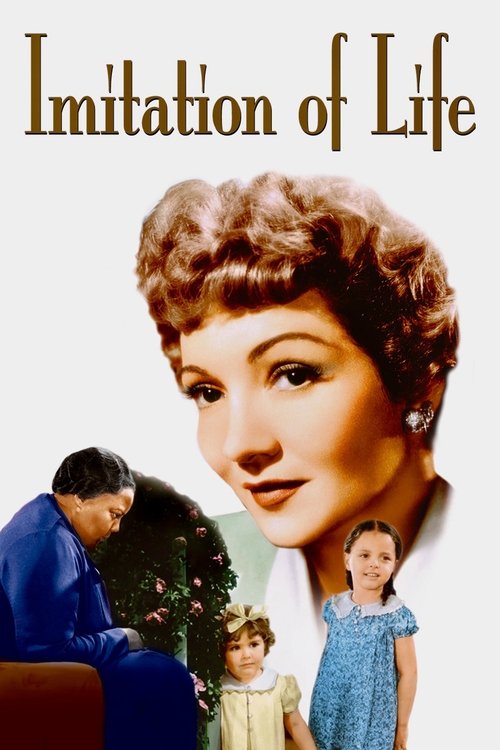
Imitation of Life1934
Both use duration across decades and the family unit to ask how systems grind down human possibility. Different idioms, identical thesis.
John Stahl's melodrama spans decades to examine how capitalism and family intersect across generations—the same structural architecture as Evolution, but dressed in 1930s Hollywood cloth. Wildly different genre, identical skeleton.
But It's a woman's weepie with stars and studio gloss; the emotional register is almost the opposite of Diaz's austere realism, which might make the similarity feel accidental.
More like this (6)
Stalker1979
Tarkovsky's metaphysical road movie also trusts duration, landscape, and repetition to bore into something true. Different world, identical faith in slowness as a route to meaning.
But Soviet sci-fi abstraction is a long way from Philippine rural realism, and this might feel too beautiful to sit beside Evolution's grimness.

Come and See1985
Elem Klimov's Belarusian war film documents atrocity without flinching, compressing what Evolution stretches across 10 hours. Both refuse the viewer comfort or release.
But It's traumatizing by design, and at 142 minutes, brutal rather than meditative. The register is different.

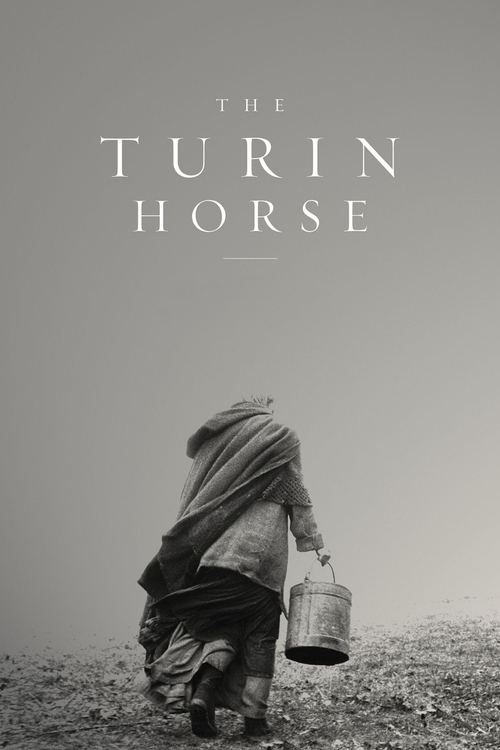
The Turin Horse2011
Béla Tarr's final film: a dying farmer, decay, repetition, the end of things. Shares Evolution's focus on rural labour and its metaphysical weight, though Tarr's tone is darker and more mythic.
But Black and white, grotesquely bleak, and Hungarian—another film where beauty and despair are the same thing. Not a natural pairing.
The Seventh Seal1957
Bergman's medieval plague film asks how people endure meaninglessness. Medieval Sweden instead of 1970s Philippines, but the architecture of suffering-through-history is identical.
But It's far more philosophical and theatrical; the naturalism of Evolution will make this feel stage-bound by comparison.

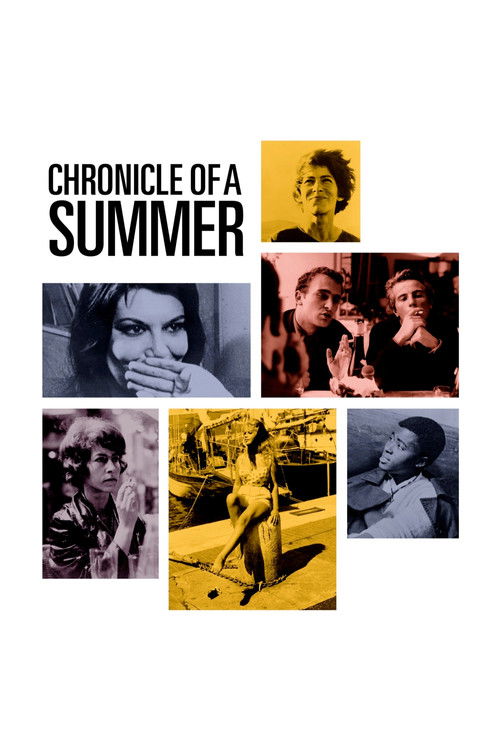
Chronicle of a Summer1961
Rouch and Morin's documentary-essay about ordinary Parisians, filmed with anthropological patience. Different continent and method, but the same commitment to watching people as the primary subject.
But It's 90 minutes and deeply French intellectualism; the leap from Evolution's specificity might feel trivializing.
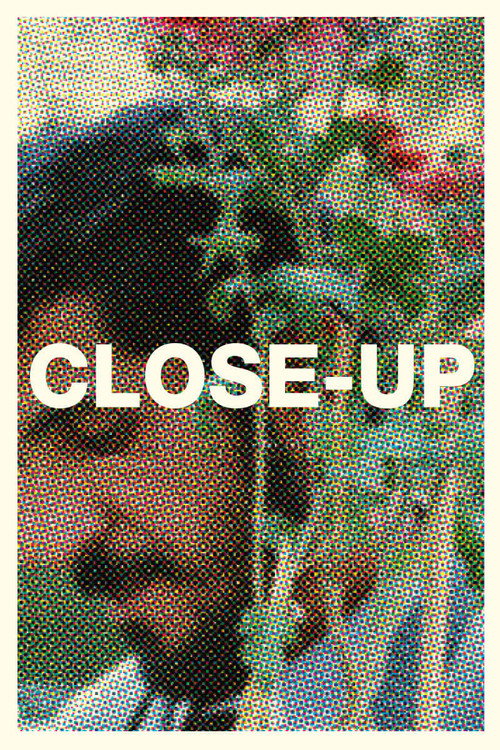
Close-Up1990
Both use extreme visual patience and working-class subjects to examine dignity, deception, and the gap between how we present ourselves and who we are.
Abbas Kiarostami's docudrama about a man who impersonates a film director: 100 minutes of mostly static shots of faces and conversation, Iranian working-class life observed without editorializing. Closer to Evolution's visual grammar than any Western art film.
But It's a metafilm about cinema itself, and slow-burn philosophical. If you watch Evolution for character and story, this will feel like an exercise.
People
Cast
 Elryan de VeraRaynaldo
 Pen MedinaKadyo
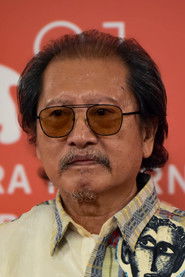 Ronnie LazaroFernando
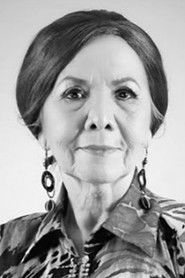 Angie FerroPuring
 Banaue MiclatHuling

 Marife NecesitoHilda
 Joel TorreMayor
 Angel AquinoRica
 Lui ManansalaMarya
 Gino DormiendoLino Brocka
 Ray VenturaKa Harim
Directing
- Lav DiazDirector
Production
- Paul TañedoExecutive Producer
- Eric TañedoProducer
- Lav DiazProducer