
Film
Chronicle of a Summer
The film that basically invented cinéma vérité by admitting it was watching itself invent it. Rouch and Morin roam Paris in the summer of 1960, asking strangers and friends what it means to be happy, then screening the footage back to them and filming that reaction too. Raw, self-conscious, sometimes funny, it ends by openly wondering whether any of it was real.
If you liked this
Seven Up!1964
Michael Apted checks in with the same group of British kids every seven years, turning a simple survey question into an entire moral history of class, ambition and change. The boldest long-form experiment documentary has ever attempted.
But It's a lifetime commitment across nine films and sixty years — you can't just dip in for one evening.
Grey Gardens1976
The Maysles brothers turn a crumbling East Hampton mansion and its two eccentric, magnetic occupants into one of the strangest, most tender character studies ever filmed. You'll never forget Little Edie.
But Its stars are so theatrical and sad that some viewers find it exploitative rather than affectionate.
Bob Dylan – Don't Look Back1967
Pennebaker's fly-on-the-wall tour film catches a young Bob Dylan being brilliant, cruel and funny in real time, and basically wrote the rulebook for observational documentary that Chronicle helped invent.
But If you don't already find Dylan interesting, watching him needle journalists for ninety minutes won't convert you.
The wildcard
Something you would not have found on your own.
Man with a Movie Camera1929
Chronicle of a Summer helped invent the idea of showing the audience how a documentary gets made; thirty years earlier, Vertov built an entire film out of that same impulse, just faster and without a single word spoken.
Dziga Vertov's silent city symphony shows off every trick the camera can do while insisting you watch it doing them — split screens, freeze frames, the crew caught mid-shoot.
But No dialogue, no plot, no subjects to identify with — it's pure formal exhilaration, which isn't everyone's idea of a good time.
More like this (8)
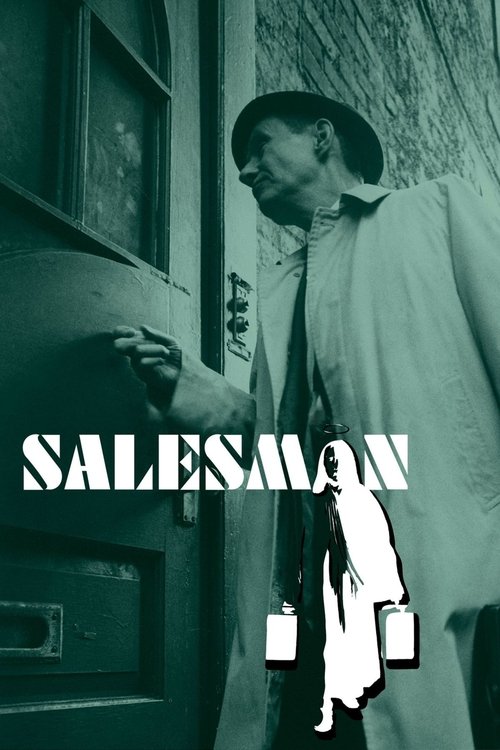
Salesman1969
Four door-to-door Bible salesmen grinding through New England in winter, filmed with the same patient, non-judgmental eye Rouch and Morin brought to Paris. Funny, bleak, deeply human.
But It's slow and unglamorous by design — nothing dramatic happens, which is rather the point.
Portrait of Jason1967no page yet
One man, one night, one camera: Shirley Clarke lets a gay Black hustler and raconteur talk himself into the early hours, and the film becomes a study of performance versus truth.
But It's a single unbroken conversation that gets uncomfortable and repetitive before it gets revelatory.
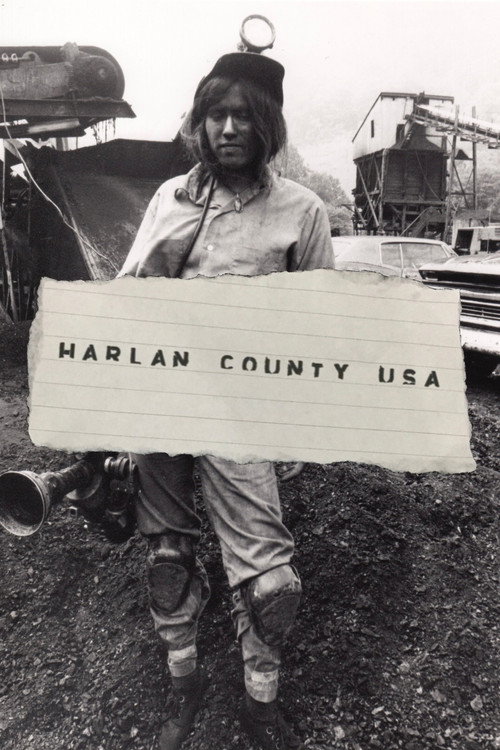
Harlan County U.S.A.1976
Barbara Kopple embeds with striking Kentucky coal miners and turns direct cinema into something genuinely dangerous and urgent — cameras rolling while shots are actually fired.
But It's angrier and more overtly political than Chronicle's café philosophising; don't expect much ambiguity here.
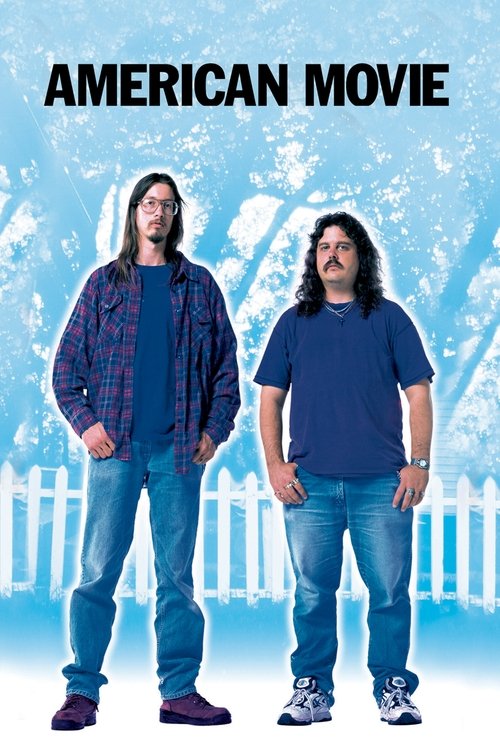
American Movie1999
A broke Wisconsin filmmaker tries to finish his amateur horror short, and the result is one of the funniest, most heartbreaking portraits of ordinary ambition ever put on film.
But The humor comes partly at its subject's expense, which can feel a little uncomfortable to sit with.
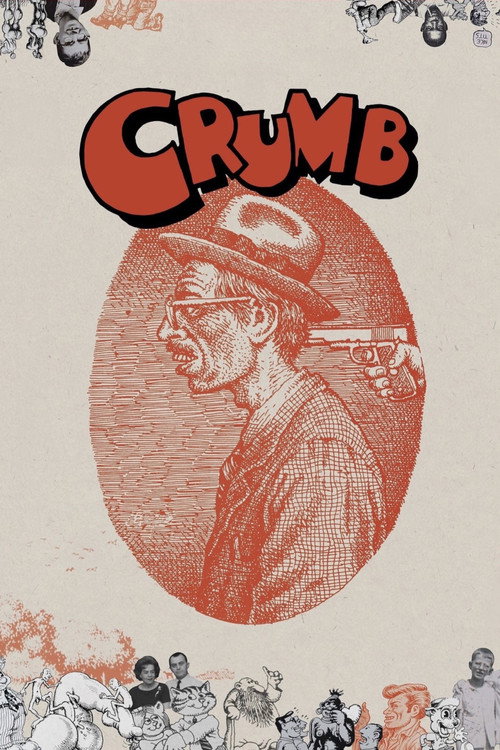
Crumb1995
Terry Zwigoff spends years with underground cartoonist Robert Crumb and his deeply strange family, building a portrait so intimate it eventually borders on unbearable.
But Some of what it uncovers about the Crumb family is genuinely disturbing, not just eccentric.
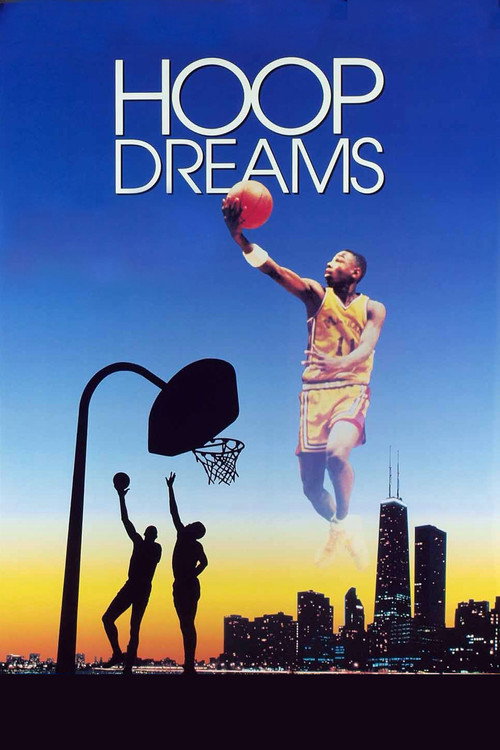
Hoop Dreams1994
Two Chicago teenagers chase basketball scholarships over several years, and the film patiently becomes about class and American opportunity while never losing sight of them as people.
But At nearly three hours it's a long sit for what starts out looking like a modest sports documentary.
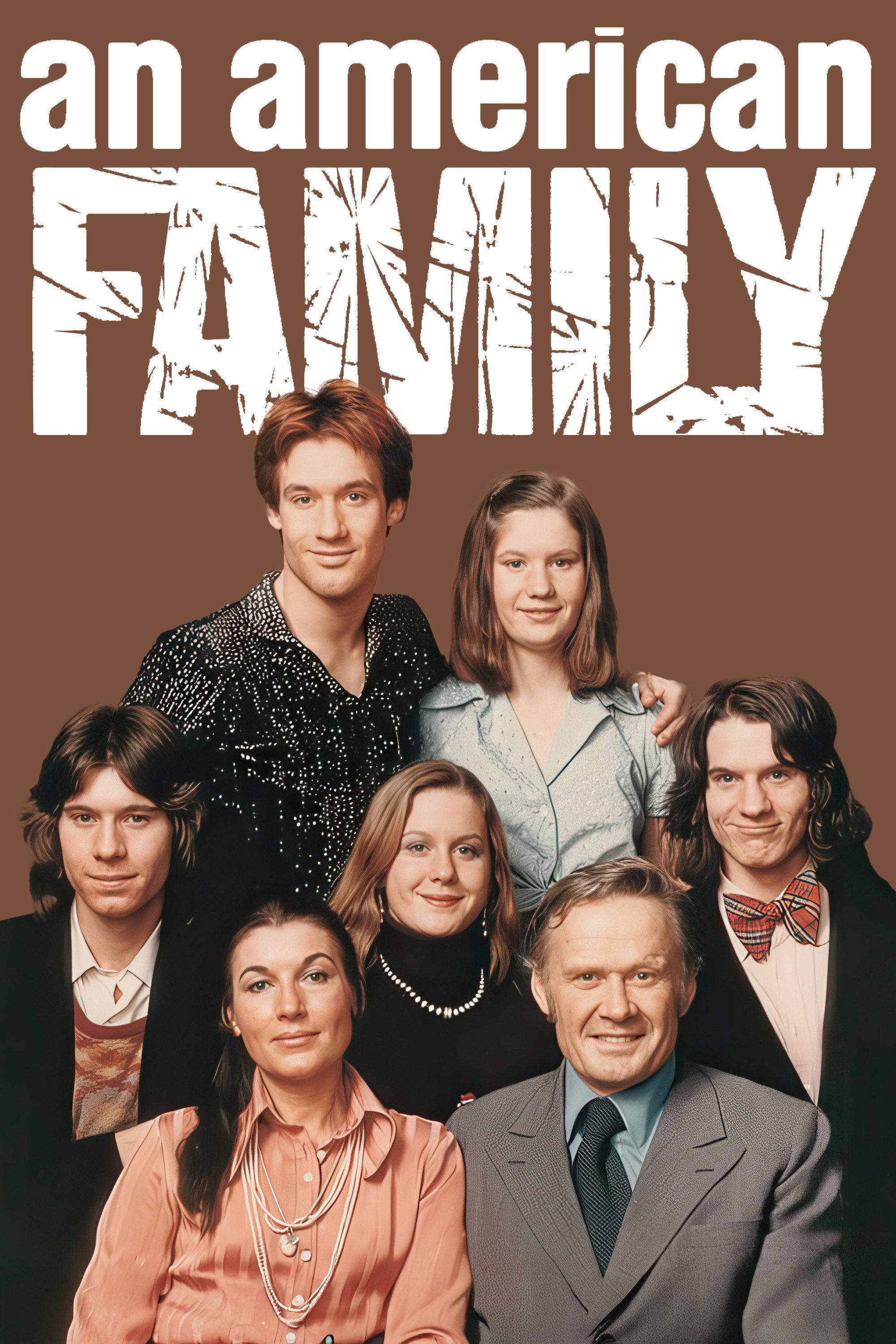
An American Family1973
Chronicle ends by asking whether the camera changed how its subjects behaved; An American Family is that same question taken to its logical, addictive, slightly horrifying extreme, on television, at length, for real.
PBS filmed the Loud family's actual daily life for months, and it aired as America's real-life soap opera years before anyone called it reality television. Watching a family unravel on camera is still unsettling.
But It's twelve hour-long episodes of unscripted domestic life; the pacing is nothing like a modern binge.
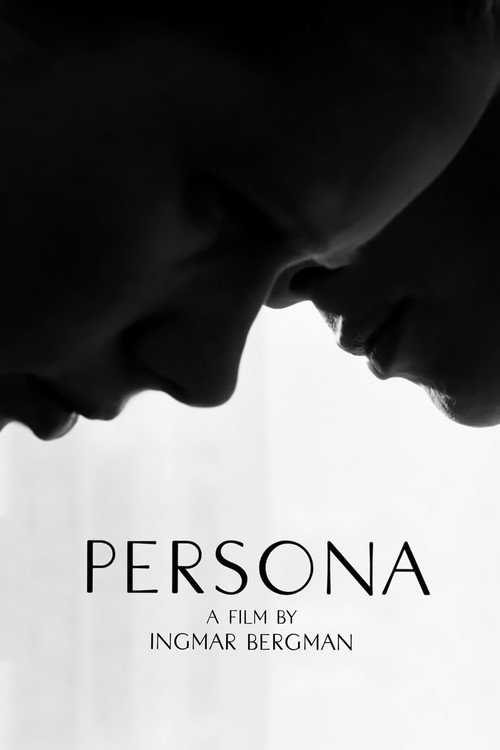
Persona1966
Chronicle keeps asking whether people are being themselves or performing for the lens; Persona takes that exact anxiety and turns it into fiction, with a woman who solves the problem by simply refusing to speak.
Bergman's fiction film about an actress who stops speaking and the nurse assigned to her becomes a hypnotic meditation on identity, performance and what's left when someone refuses to perform for the camera.
But It's abstract, elliptical psychodrama with almost no plot — the opposite of documentary comfort.
People
Cast
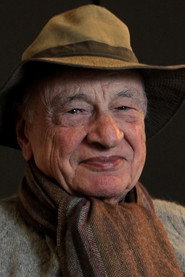 Edgar MorinSelf
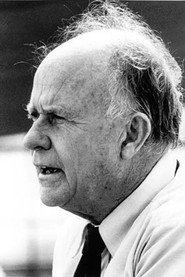 Jean RouchSelf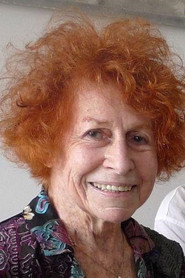
- Marilù ParoliniSelf
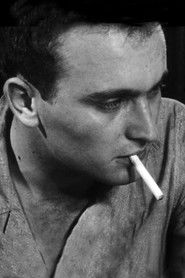
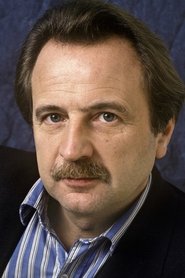 Régis DebraySelf
- Nadine BallotSelf
- Modeste LandrySelf
Directing
- Edgar MorinDirector
- Jean RouchDirector
Production
- Anatole DaumanProducer
- Philippe LifchitzProducer
- André HeinrichProduction Director
- Annette BlamontProduction Secretary
Recommended by
Slacker, Life in a Day, David Holzman's Diary, The Dreamers, Bob Dylan – Don't Look Back, L'Eclisse