
Film
The Nightcleaners
- Slow-burning
A 1975 essay-film about women night cleaners fighting for unionization in London. Shot by a radical collective, it abandons straightforward documentary for something stranger and more honest: layered footage, text, and sound that mirrors the fractured nature of grassroots activism itself. For anyone curious about how form and politics entangle.
If you liked this
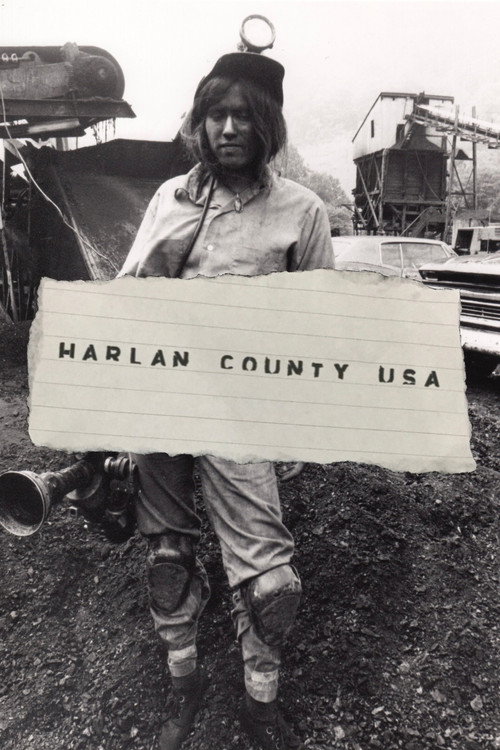
Harlan County U.S.A.1976
A coal miners' strike in Kentucky, filmed with unflinching intimacy. Barbara Kopple captures the rage and exhaustion of people fighting for dignity, with none of the sanitizing distance that kills most labor documentaries.
But It's 103 minutes of hardship with no easy resolution. Watching it requires something like endurance.
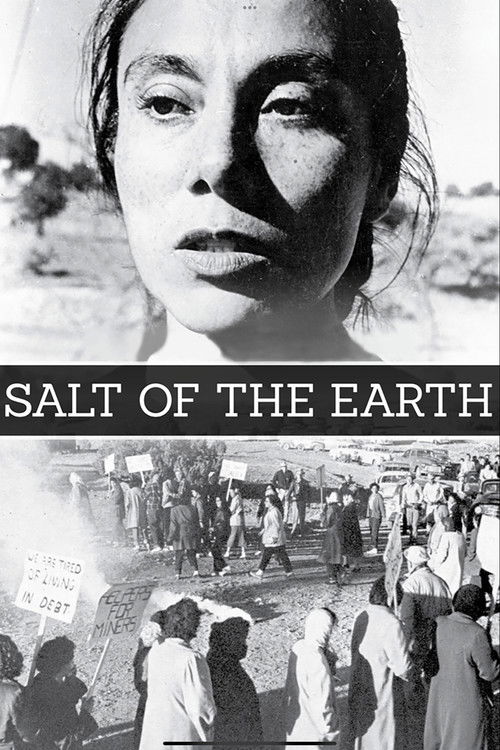
Salt of the Earth1954
An audacious narrative film about a New Mexico miners' strike, made by blacklisted artists. It treats working people as fully realized human beings with inner lives, not symbols. Formally beautiful and politically alive.
But The acting is sometimes stiff, and it wears its message openly. That honesty will feel corny or didactic if you're not in the mood for it.
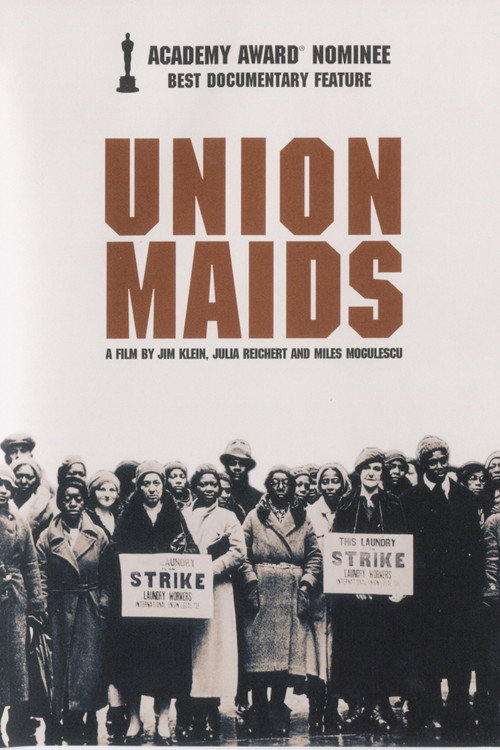
Union Maids1976
Three women who organized textile and auto workers in the 1930s tell their stories. Interwoven with archival footage and contemporary footage, it's energetic and loving without being sentimental about the struggle.
But At 48 minutes it's slight, and the interviews don't go as deep as you might want them to. It reads more like a spirited pamphlet than an investigation.
Not sure tonight? Get a pick in a minute, starting from The Nightcleaners
The wildcard
Something you would not have found on your own.
Sans Soleil1983
Both films reject conventional documentary structure to capture something true about collective struggle. They layer image, text, and sound in ways that honor complexity rather than smoothing it away. Marker and the Nightcleaners collective shared an avant-garde commitment to form as politics.
Marker's essay-film meditates on memory, politics, and image itself across continents and decades. It's formally radical—letters read over footage, no clear narrator—but it's also searching and humane. Essential cinema that rewires how you see.
But It's abstract and demands active viewing. There's no plot to follow, just ideas and images in conversation. You have to meet it halfway.

More like this (6)
The Muppets Take Manhattan1984
Argentine workers occupy a factory during the 2001 economic collapse and run it themselves. The filmmakers follow the practical chaos and idealism, never pretending it's simple. Thrilling and grounded in real stakes.
But It's more conventional documentary than The Nightcleaners, so if you loved that film's formal restlessness, this will feel straightforward by comparison.
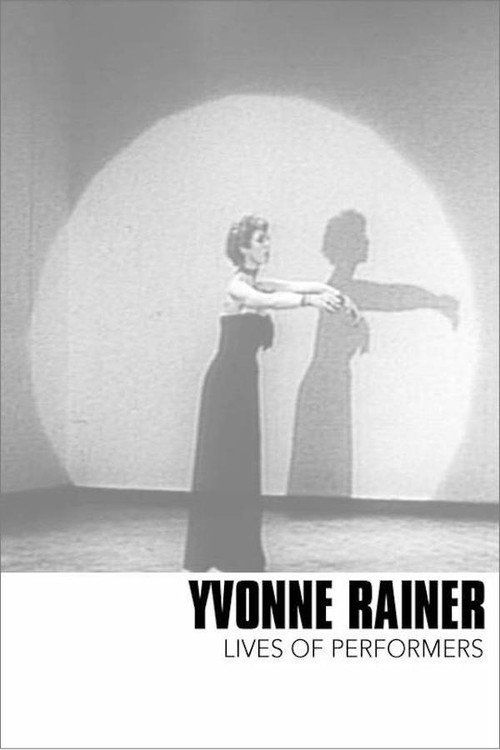
Lives of Performers1972
Yvonne Rainer's film about dancers and desire, which refuses narrative cohesion in favor of fragmentation and text. Like The Nightcleaners, it trusts the viewer to hold contradictions and refuses to smooth things over.
But There is almost no plot. It's a sustained formal experiment that some viewers will find maddening rather than liberating.
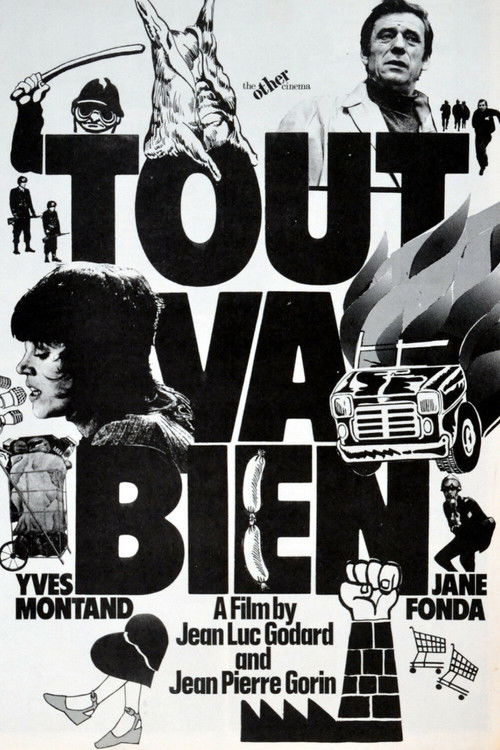
Tout Va Bien1972
Godard and Gorin's film about a factory strike, shot in a Brechtian style that keeps you aware you're watching a film. It's radical cinema about radical action, and genuinely exhilarating when it clicks.
But The approach is so deliberately alienating that it can feel cold. You have to want what it's doing to stick with it.
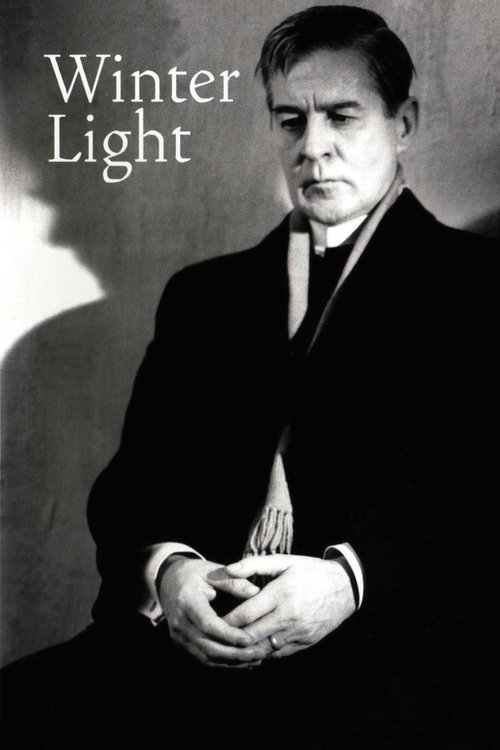
Winter Light1963
Bergman's chamber piece about faith, doubt, and solidarity during a crisis. It's austere and emotionally precise, interested in how people actually fail each other and themselves. A different key, same concerns.
But It's bleak and offers no comfort. This is Bergman at his most severe, which is either what you want or absolutely not.
The Battle of Algiers1966
Both films grapple with how to show collective action and organize footage to honor rather than diminish lived experience. Neither treats activism as simple or heroic. Both are formally bold because the subject demands it.
Pontecorvo's reconstruction of the Algerian independence struggle uses documentary technique but is actually narrative fiction. It's visceral, humane, and formally brilliant—a masterwork about resistance that doesn't shy from its violence or its cost.
But It depicts torture and urban combat with unflinching clarity. The aesthetic power can feel troubling; you have to sit with that discomfort rather than resolve it.

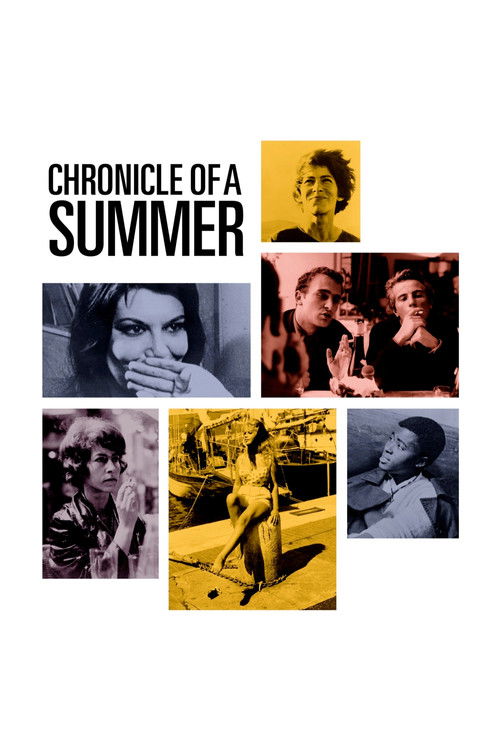
Chronicle of a Summer1961
Like The Nightcleaners, it's committed to recording people's own words and refusing to impose meaning. Both reject the authority of the filmmaker-as-narrator, trusting the audience to think. Both are rooted in real communities and real stakes, not abstraction.
Rouch and Morin's cinema verité masterpiece asks Parisians what makes them happy during the summer of 1961. It's intimate and searching, often funny, and radically interested in how people actually speak and think. A founding text of modern documentary.
But It's talky and sometimes meandering. If you want narrative momentum or clear argument, it will feel scattered. It's about listening, not explaining.
People
Directing
- Humphry TrevelyanDirector
- James ScottDirector
- Marc KarlinDirector
- Mary KellyDirector