
Film
Lives of Performers
- Drama
- Strange
- Slow-burning
Yvonne Rainer's radical 1972 essay-film shatters narrative form, interweaving dance, staged tableaux, script readings, and still photographs to examine how power and desire shape intimate relationships. It's demanding, digressive, and completely alive—a Brechtian assault on conventional storytelling that rewards your attention with genuine insight into human connection.
If you liked this
Mulholland Drive2001
David Lynch fractures Hollywood mythology across interlocking stories and identities. Like Rainer, he treats narrative structure itself as the subject, using formal play to expose emotional truths about performance, desire, and the self.
But It's 147 minutes of cryptic symbolism that doesn't resolve neatly. If you need closure, this will frustrate you.

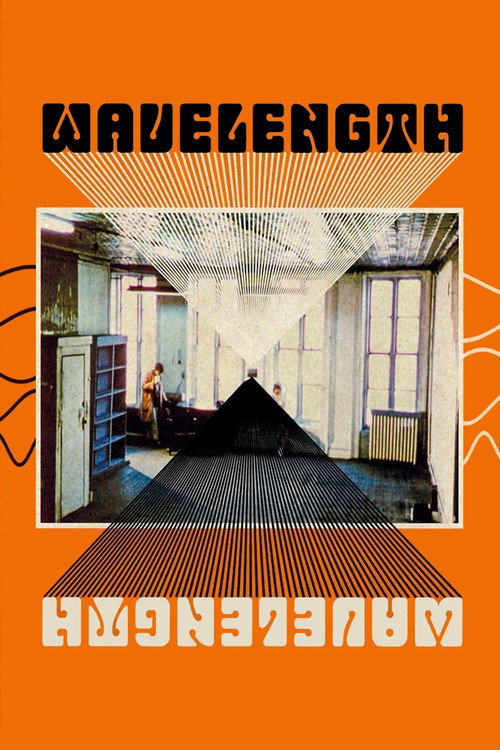
Wavelength1967
Michael Snow's 45-minute zoom across a loft is cinema as pure conceptual art. Like Rainer, Snow weaponizes form against passive spectatorship, making you active in constructing meaning from constraint.
But Nothing 'happens.' It's genuinely challenging and may feel like punishment rather than cinema if you're not prepared for it.
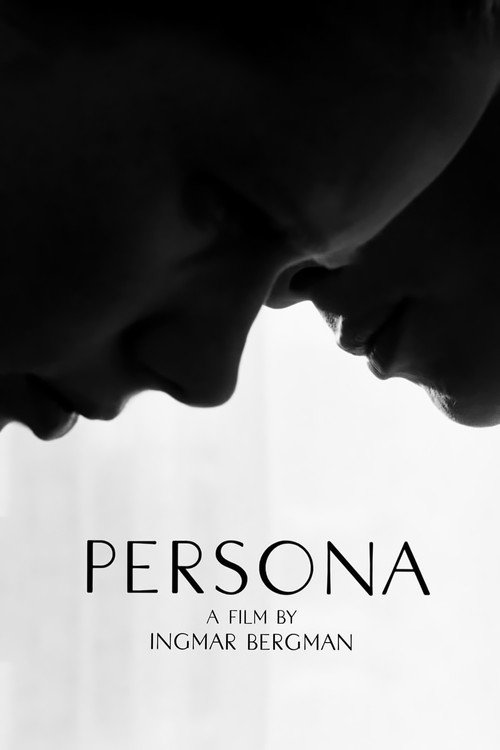
Persona1966
Bergman fragments identity and language as two women blur into one another. Both films treat performance and authenticity as philosophical problems, not plot devices.
But It's hypnotic but hermetic. Some find Bergman's abstraction emotionally cold.
Not sure tonight? Get a pick in a minute, starting from Lives of Performers
The wildcard
Something you would not have found on your own.
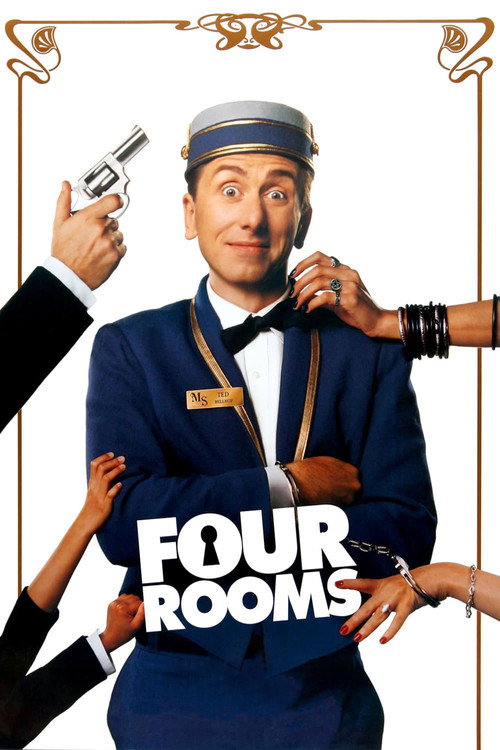
Four Rooms1995
Both treat a contained space and overlapping temporalities as laboratories for observing how performance, desire, and power distribute among bodies in real time.
Robert Rodriguez and Quentin Tarantino's real-time chamber piece traps characters in one location, fragmenting narrative across simultaneous stories and tones. Trashy where Rainer is rigorous, but equally formal and playful with structure as the actual subject.
But It's wildly uneven in quality and tone, occasionally mean-spirited. The formal game can feel like the point rather than a means to something human.
More like this (6)
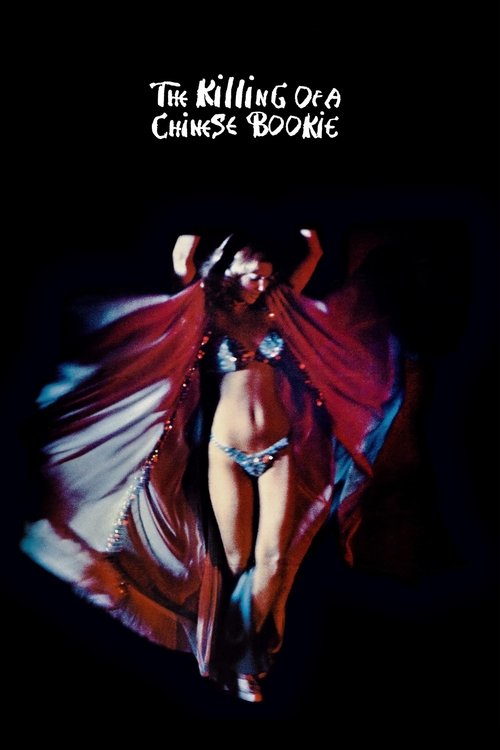
The Killing of a Chinese Bookie1976
John Cassavetes' improvisational narrative sprawl mirrors Rainer's rejection of tidy form. Messy, digressive, alive with real human contradiction and the chaos of actual relationships.
But The sound mix is poor, the pacing defies convention, and narrative threads dangle. Patience required.
Cléo from 5 to 71962
Agnès Varda's real-time Paris meditation treats 90 minutes as a genuine container for lived experience rather than plot mechanics. Like Rainer, Varda privileges observation and interiority over action.
But Almost nothing occurs. If you need dramatic momentum, this is a slow walk through anxiety.

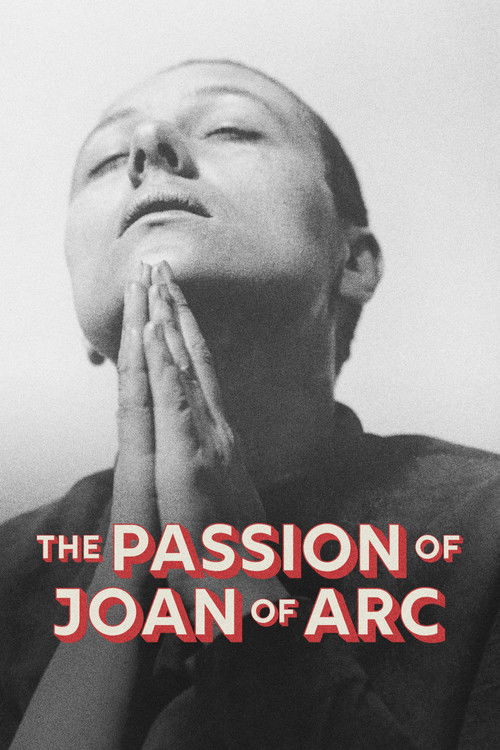
The Passion of Joan of Arc1928
Bresson's radical abstraction of performance—Renée Jeanne Falconetti's face filling the frame as pure emotional documentation—anticipates Rainer's treatment of bodies and gesture as text.
But It's silent, it's 1928, and it's almost entirely close-ups of anguish. Accessibility is not the goal.
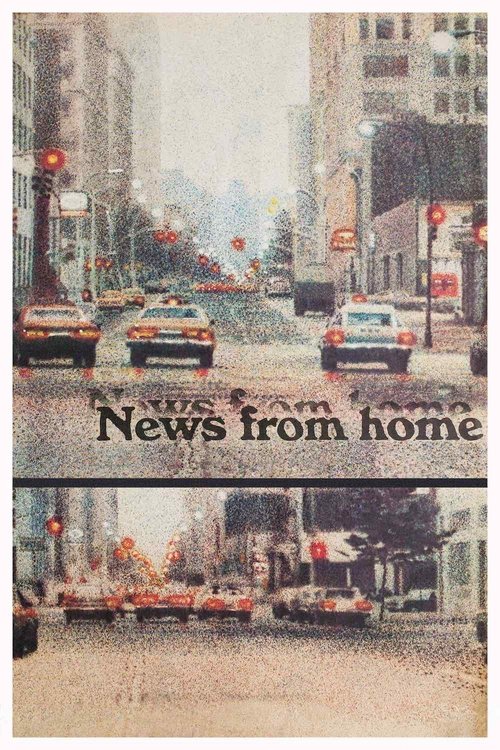
News from Home1976
Chantal Akerman reads her mother's letters over New York street footage, creating distance where emotion should be. Like Rainer, Akerman uses formal rigor to interrogate presence and absence in desire.
But It's glacially paced and deliberately austere. The emotional content arrives through negation, not expression.
The Mummy1999
Lucile Hadžihalilović's film uses repetition, ritual, and bodies as abstraction to explore power between caretaker and child. Visually hypnotic and formally precise, it shares Rainer's refusal of conventional narrative seduction.
But The plot is minimal and deliberately cryptic. If you need explanation, the film won't provide it.
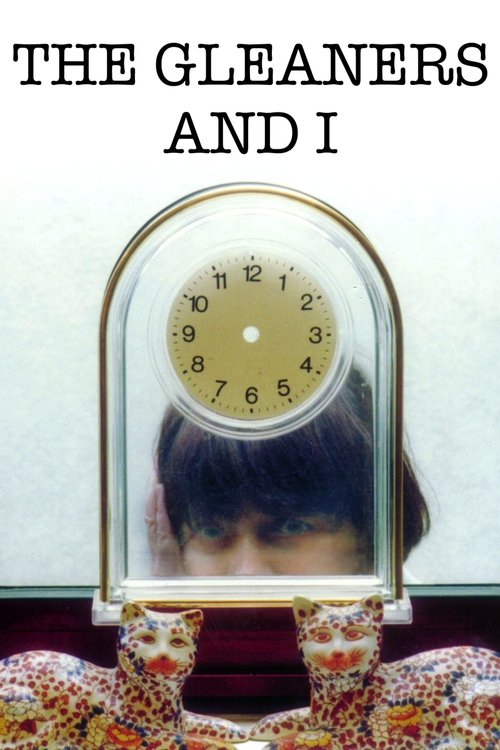
The Gleaners and I2000
Agnès Varda's documentary essay roams freely across time, form, and digression. Like Rainer, Varda treats the camera as a thinking tool, allowing form and content to remain in productive tension.
But It meanders substantially. The accumulation is the point, which doesn't work for everyone.
People
Cast
Directing
- Yvonne RainerDirector
Writing
- Yvonne RainerWriter