
Film
The Puppetmaster
- Drama
- Slow-burning
Hou Hsiao-hsien's meditation on a master puppeteer's life through Japanese occupation and beyond. Li Tien-lu plays himself, recounting decades in fragmented, poetic scenes that collapse performance and memory. It's slow, contemplative cinema about art persisting through history—for patient viewers who prize atmosphere over plot.
Should you watch it?
Watch it if you like history told through patient, long-held shots and quiet domestic detail, where the bigger events arrive mostly as weather at the edges of ordinary days.
Skip it if you need momentum or a clear plot to hold you, since this moves at a deliberate pace and keeps its distance from its characters' feelings.
What it asks of you: Over two and a half hours, it settles into long, unhurried takes, so expect to sit with silences and scenes that seem to wander before they land.
Not sure? Find tonight's pick in a minute.
If you liked this
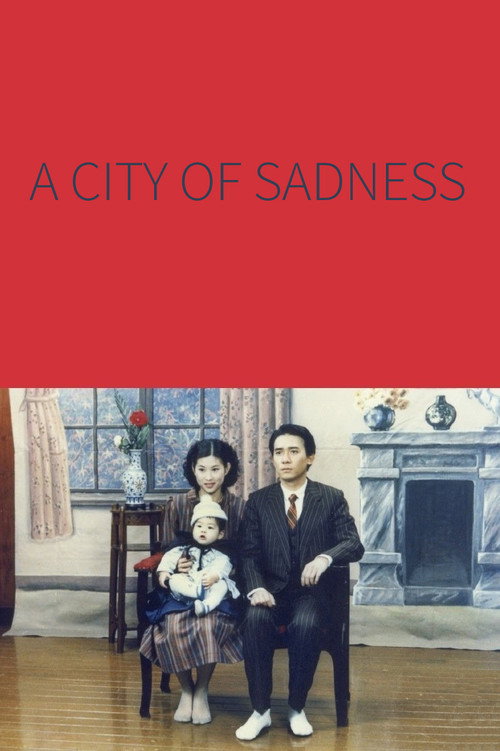
A City of Sadness1989
Hou's masterpiece about a Taiwanese family navigating the 1940s transition from Japanese to Chinese rule. Same director, same obsession with how private lives intersect with historical upheaval, but more nakedly emotional.
But Slower than The Puppetmaster, with even less conventional narrative. Demands genuine surrender to mood and implication.
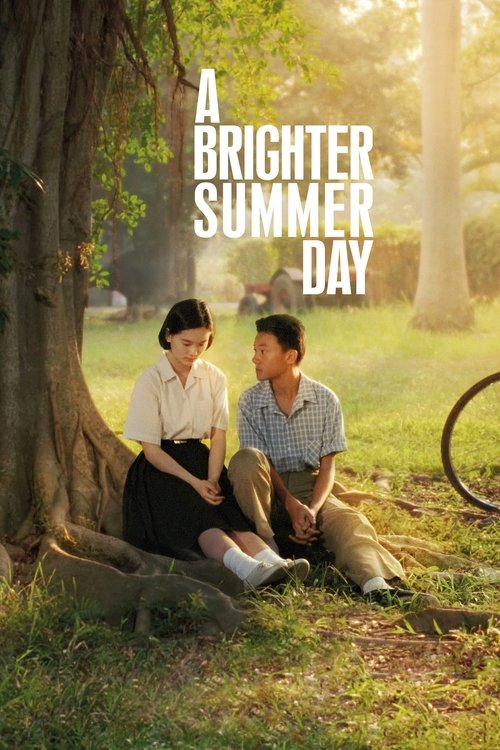
A Brighter Summer Day1991
Four-hour Taiwanese epic about a boy in 1960s Taipei caught between gangs and first love. Epic scope but Hou's hushed sensibility—history as backdrop to intimate devastation.
But The length is real and not in service of easy catharsis. Some find it glacial; others find it necessary.
Tokyo Story1953
Ozu's quiet masterpiece about an elderly couple visiting their son in postwar Tokyo. The spiritual ancestor of everything Hou does—time, memory, acceptance, the melancholy of ordinary life.
But Made seventy years ago and doesn't pretend otherwise. No music, minimal camera movement, scenes that seem to go nowhere.

Not sure tonight? Get a pick in a minute, starting from The Puppetmaster
The wildcard
Something you would not have found on your own.
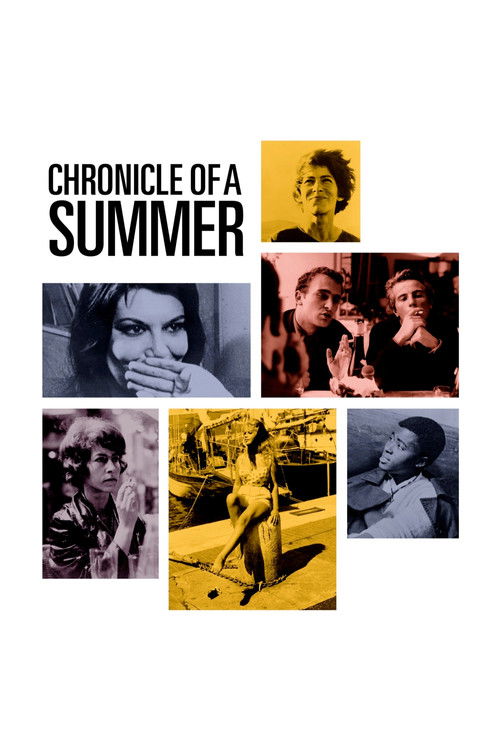
Chronicle of a Summer1961
Both examine how we perform ourselves, and whether that performance is distinct from truth. Both suggest the camera doesn't falsify—it reveals.
Rouch and Morin's groundbreaking documentary asks Parisians 'Are you happy?' and films the answer. Like Puppetmaster, it's about performance meeting reality—people aware they're being watched, yet somehow more truthful for it.
But Documentary form and 1960s aesthetics. Some sequences feel mannered; the philosophy can feel dated.
More like this (6)
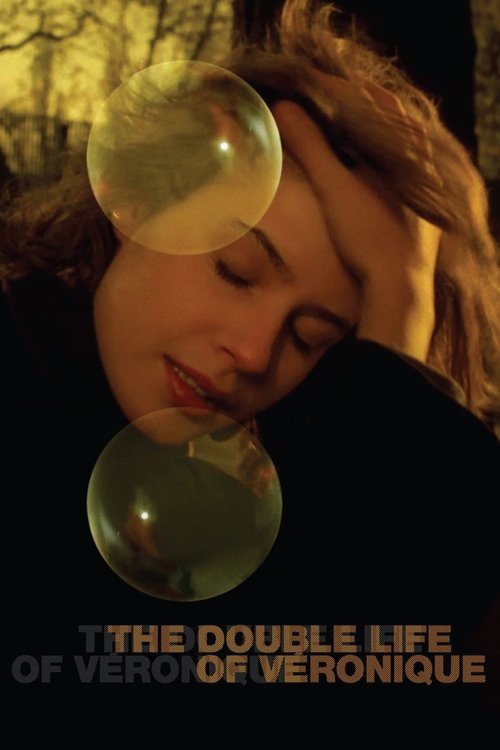
The Double Life of Véronique1991
Kieślowski's dreamlike film about identity, fate, and connection across borders. Lush and mysterious where Puppetmaster is austere, but shares that feeling of life as something witnessed rather than controlled.
But Deliberately oblique. Plot synopsis won't help—you have to surrender to mood and visual language.
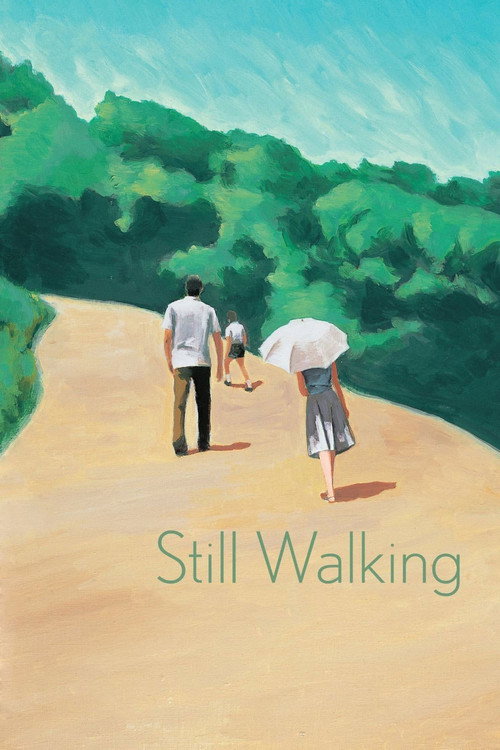
Still Walking2008
Koreeda's portrait of a multigenerational family gathering. Japanese, meditative, built from small conversations and silences. Heartbreaking without ever raising its voice.
But Nothing much happens. If you need conflict and resolution, this offers only acceptance and time passing.
Stalker1979
Tarkovsky's philosophical science-fiction journey into a mysterious zone. Shares Hou's belief that cinema can be a form of thinking, that slowness is a kind of honesty.
But 163 minutes, heavily philosophical, and the plot is less important than the texture. Patience isn't optional.

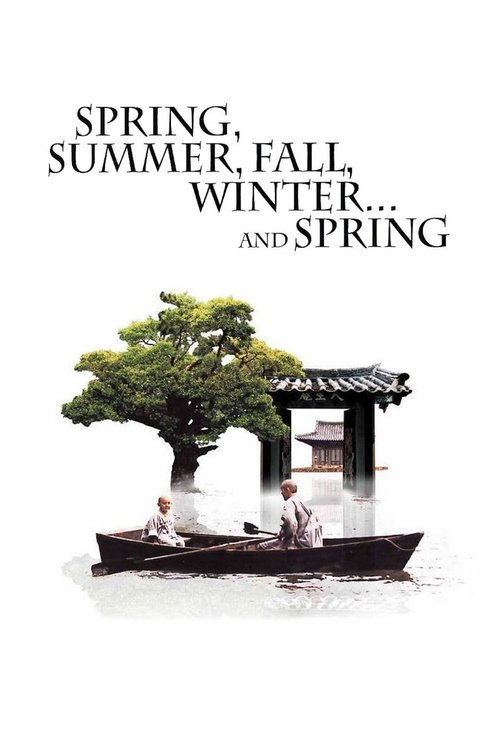
Spring, Summer, Fall, Winter... and Spring2003
Kim Ki-duk's Buddhist meditation on a floating temple and two monks across seasons. Minimal dialogue, maximum stillness. About art, discipline, and acceptance—thematically close kin to Puppetmaster.
But Austere to the point of austerity. Some find it transcendent; others find it empty.
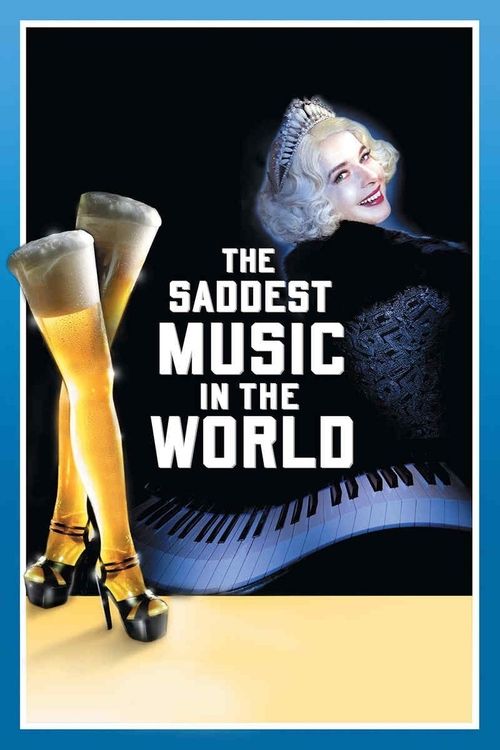
The Saddest Music in the World2003
Maddin's experimental meditation on loss and performance set in Depression-era Winnipeg. Uses puppetry and artifice to explore real grief. Completely different approach, same core question about art and suffering.
But Visually dense and deliberately artificial—feels like watching someone's fever dream. Not restful.
In the Mood for Love2000
Both are about longing expressed through indirect means. Both use the language of cinema itself—costume, composition, gesture—to convey what characters cannot speak.
Wong Kar-wai's lush Hong Kong romance about two neighbors discovering their spouses are having an affair. Visual intoxication, but underneath: performance, restraint, the things we cannot say. Same era as Puppetmaster's memory.
But Aesthetically overwhelming—every frame is composed to the point of artificiality. Some find it suffocating rather than beautiful.

People
Cast
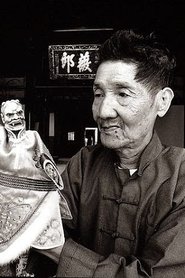 Li Tian-LuSelf
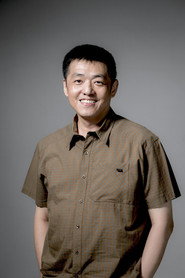 Lim GiongLi Tien-Lu
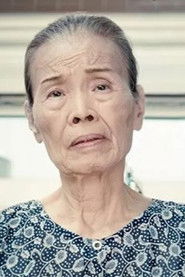 Pai Ming-HuaOng Hsiu
- Cheng Kuei-ChungYoung Li Tien-Lu
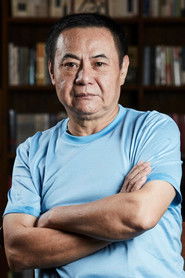 Tsai Chen-nanXu Jinmu
 Yang Li-yinLin Laifa
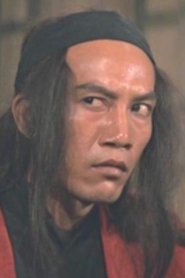 Hong LiuLi Huo
Directing
- Chen Hwai-enAssistant Director
- Chiang Shui-ChungAssistant Director
- Hou Hsiao-hsienDirector
- Vicky WeiScript Supervisor
- Hung Chih-YuSecond Assistant Director
Writing
- Li Tian-LuStory
- Chu Tien-WenWriter
- Wu Nien-jenWriter
Production
- Jan Hung-TzeExecutive Producer
- Yang Teng-KueiExecutive Producer
- Chang Hua-FuProducer
- Chang Hwa-KunProducer
- Yau Fook-SangProducer
- Joyce PierpolinePublicist
Recommended by
The Adventures of Prince Achmed, Being Elmo: A Puppeteer's Journey