
Film
The Saddest Music in the World
Guy Maddin's gloriously strange Depression-era musical where a legless beer baroness in Winnipeg hosts a contest for the world's saddest music. Shot in lurid colour, scored with orchestral grandeur, it's deadpan and delirious—part melodrama, part vaudeville, utterly its own thing. For the adventurous.
If you liked this
Synecdoche, New York2008
Charlie Kaufman's equally baroque fever dream about artistic obsession and the collapse of meaning. Dense, formally ambitious, and deeply funny in its misery. A film that rewards total surrender.
But Narratively bewildering and exhausting. Three hours of people having crises in a warehouse can feel more punishing than cathartic.

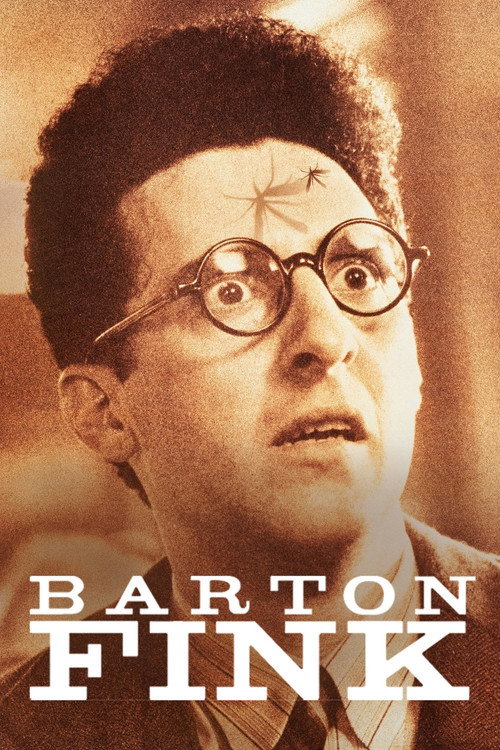
Barton Fink1991
The Coen Brothers' portrait of artistic paralysis in 1940s Hollywood. Lurid, claustrophobic, and wickedly funny, with a final act that detonates everything. Peak grotesque Coens.
But More interested in unease than resolution. You'll leave haunted rather than satisfied, which isn't everyone's evening.
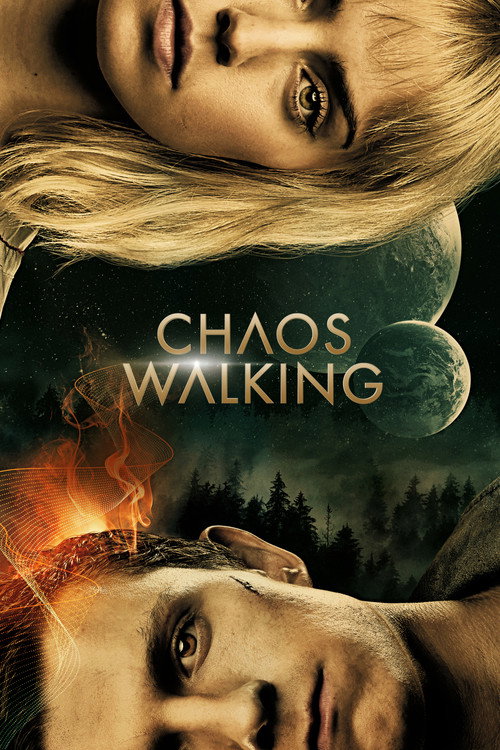
Chaos Walking2021
Guillermo del Toro's whimsical-gothic sensibility applied to a more grounded story. Gorgeously grotesque, mechanically inventive, and willing to be silly and profound in the same breath.
But No del Toro film yet released works perfectly—expect gorgeous passages and moments that stumble. His reach exceeds his grasp, which is half the charm.
Not sure tonight? Get a pick in a minute, starting from The Saddest Music in the World
The wildcard
Something you would not have found on your own.
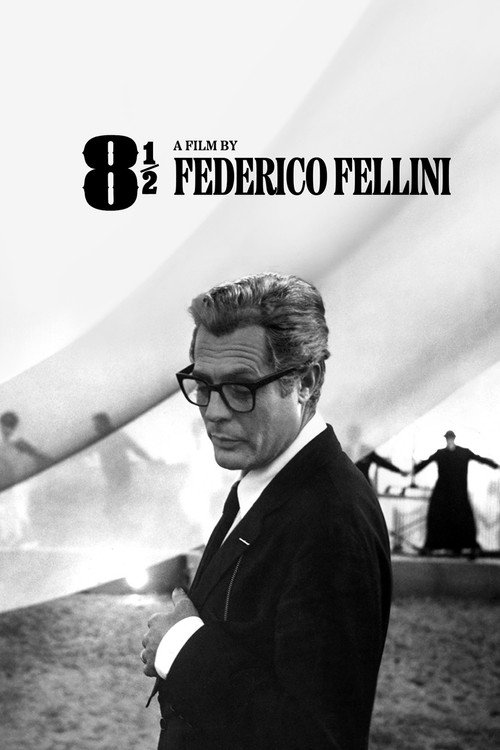
8½1963
Both are dreamlike films about creating beauty from personal wreckage. Both trust formal ambition over narrative clarity.
Federico Fellini's portrait of artistic crisis: a filmmaker wrestling with his next project in a haze of dreams, memory, and appetite. The visual language is pure cinema—baroque, generous, endlessly inventive. Both The Saddest Music and this are about art as a way to excavate and survive.
But Nearly three hours of a man having an existential crisis at a spa. Some find it indulgent; others call it life.
More like this (8)
The Ballad of Little Jo1993
Maggie Greenwald's revisionist Western about a woman passing as a man. Quietly radical, beautifully shot, with Suzy Amis delivering a performance of complete stillness and depth.
But Deliberately paced and austere. It doesn't court you; you have to meet it where it stands.

Mulholland Drive2001
David Lynch's Los Angeles symphony—fractured, gorgeous, cruel, and endlessly rewatchable. Part noir, part fever dream, entirely hypnotic. His masterpiece.
But Wilfully obscure and resistant to interpretation. Some find it pretentious; others find that's the point.

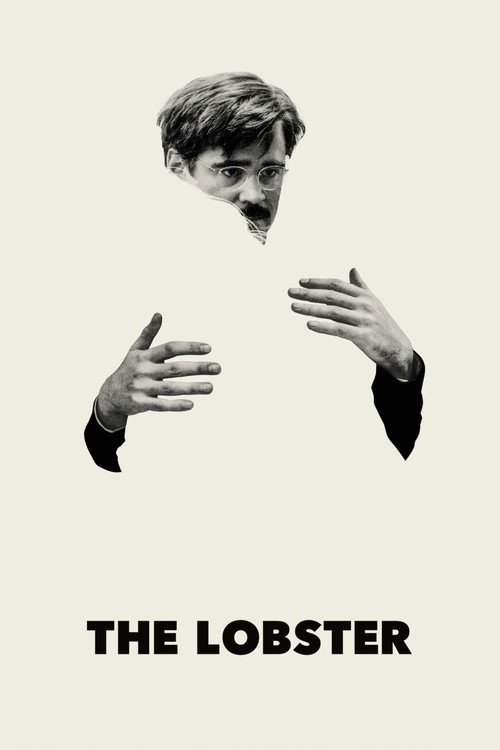
The Lobster2015
Yorgos Lanthimos's deadpan dystopia where single people are transformed into animals. Absurdist, darkly funny, visually precise. A film that commits entirely to its premise.
But The flat affect and relentless logic of the premise can feel airless. Humor and horror in equal measure—some viewers find neither lands.
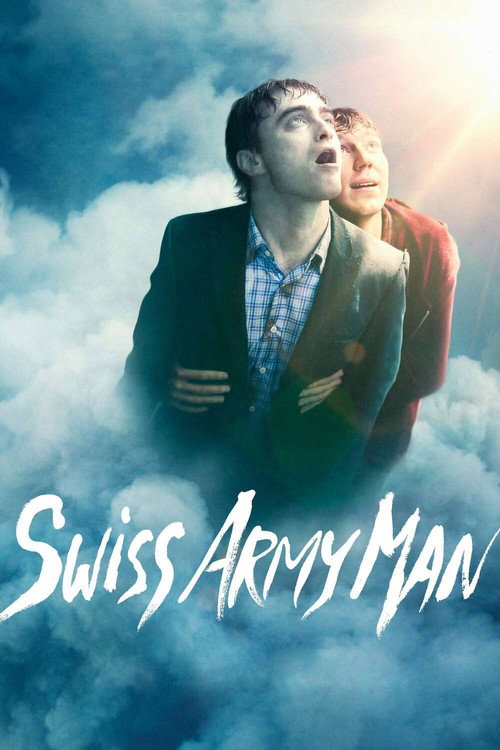
Swiss Army Man2016
A corpse becomes a multi-tool for survival and friendship. Silly, tender, visually inventive, and surprisingly moving. Committed to the bit in the best possible way.
But The central conceit is absurd and scatological. If you can't roll with the premise, nothing will work.
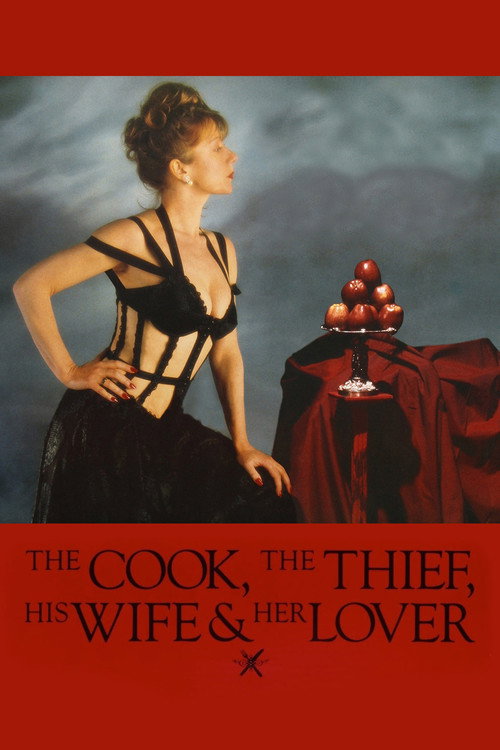
The Cook, the Thief, His Wife & Her Lover1989
Peter Greenaway's lush, grotesque costume drama—baroque storytelling, ravishing color, pure formal ambition. Decadent and deliberately artificial.
But Aggressively mannered and violent. A provocation disguised as cinema; some find it irritating rather than enriching.
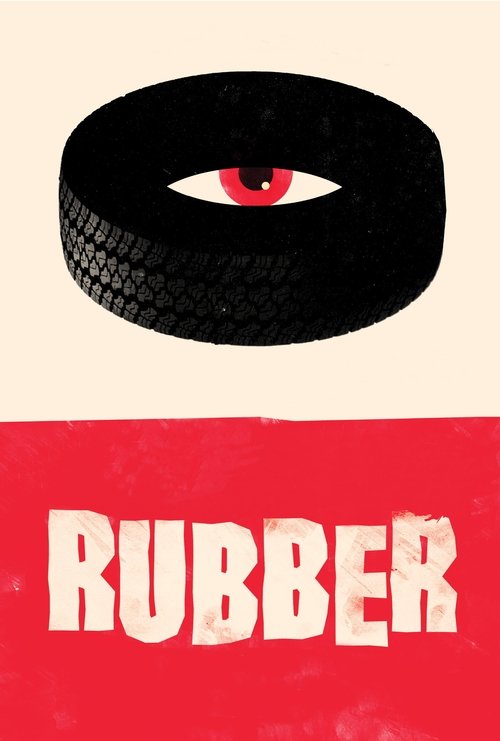
Rubber2010
A sentient tire rolls through the desert killing people. Quentin Dupieux's absurdist statement about cinema itself—silly, meta, formally clever, and funnier than it has any right to be.
But The joke wears thin. Commitment to a stupid premise doesn't guarantee sustenance across ninety minutes.
The Florida Project2017
Both films locate profound sadness and strange beauty in economic depression. Both trust the audience's intelligence enough to let contradictions stand.
Sean Baker's film about poor children living in motels near Disney World. Shot in brilliant color, it finds grace and humor and community in precariousness. It breaks your heart while making you believe in joy.
But Deliberately unglamorous and socially specific. Its refusal to explain itself or provide solutions bothers some viewers.

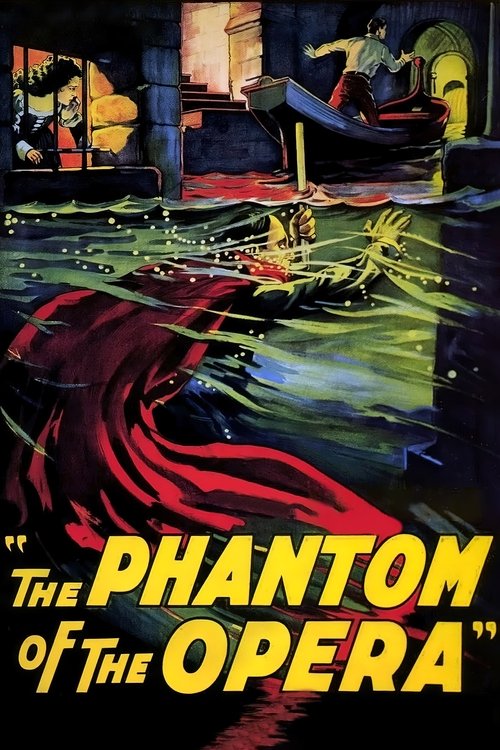
The Phantom of the Opera1925
Both are theatrical, melodramatic, and unashamed about it. Both understand that depression and desire are the same currency, and that beauty and ugliness can occupy the same frame.
Lon Chaney in Rupert Julian's silent masterpiece. Gorgeous, eerie, operatic in every way—Chaney's performance remains the definitive unmasking. It's a film that trusts spectacle and emotion equally.
But Silent cinema is a second language. No dialogue and live orchestration assumptions mean modern viewings require patience and an open ear.
People
Cast
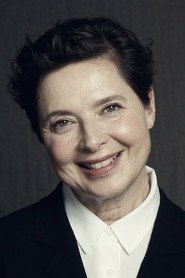 Isabella RosselliniLady Helen Port-Huntley
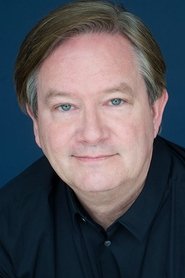 Mark McKinneyChester Kent
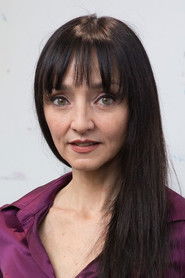 Maria de MedeirosNarcissa
 David FoxFyodor Kent
- Ross McMillanRoderick Kent / Gravillo the Great
 Louis NeginBlind Seer
- Darcy FehrTeddy
- Claude DorgeDuncan Elksworth
 Talia PuraMary
 Adriana O'NeilAgnes
- Jeff SuttonYoung Chester
- Graeme ValentinYoung Roderick
Directing
- Guy MaddinDirector
- Richard O'Brien-MoranFirst Assistant Director
- Danielle DumesnilSecond Assistant Director
- Michael PeleshokThird Assistant Director
Writing
- Kazuo IshiguroScreenplay
- George TolesWriter
- Guy MaddinWriter
Production
- Barbara Willis SweeteAssociate Producer
- Larry WeinsteinAssociate Producer
- John BuchanCasting
- Phyllis LaingCo-Producer
- Sheena MacdonaldCo-Producer
- Atom EgoyanExecutive Producer
- Daniel IronExecutive Producer
- Jody ShapiroProducer
- Niv FichmanProducer
Recommended by
The Puppetmaster, Enys Men, Berlin Blues, The Last War, Onion News Network, Atlantic