
Film
The Last War
- Drama
- Science fiction
- Very dark
A 1961 Japanese family drama about ordinary people caught in the machinery of nuclear Cold War politics. It's unflinching about how geopolitical terror bleeds into domestic life, transforming love and duty into impossible choices. Quietly devastating, it asks what remains human when the world decides to end.
If you liked this
Ikiru1952
Kurosawa's masterpiece about a man confronting mortality and meaning. Like *The Last War*, it finds quiet devastation in how systems grind against human need and dignity.
But Subtitled, slow-paced, and emotionally punishing. Not a film that lets you off easy.

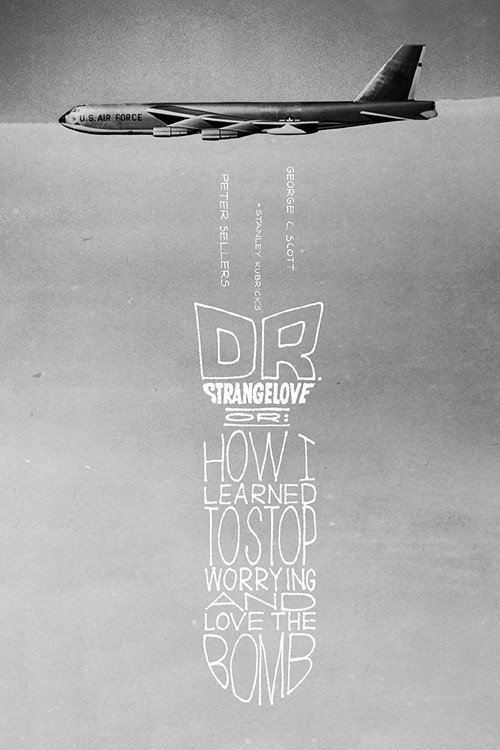
Dr. Strangelove or: How I Learned to Stop Worrying and Love the Bomb1964
Kubrick's nuclear-age satire that uses dark comedy to anatomize the same Cold War machinery. Both films ask: who decides whether we live or die?
But The tone is deliberately alienating and absurd. If you want reassurance, this won't provide it.
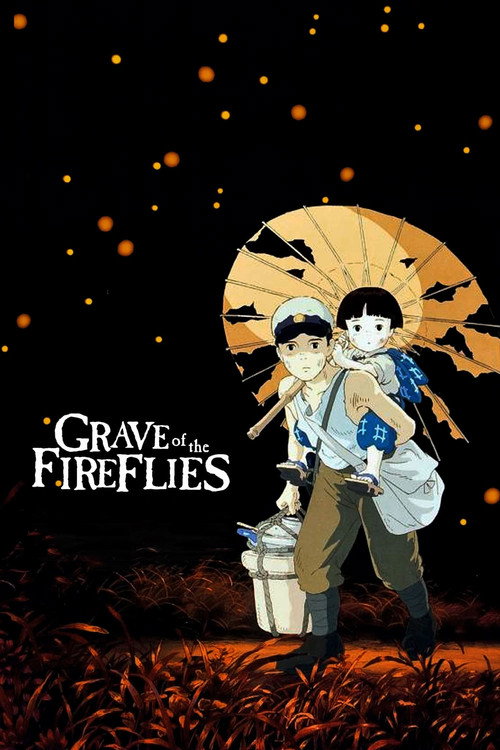
Grave of the Fireflies1988
A Japanese animated film about children surviving wartime collapse. Like *The Last War*, it refuses sentimentality while showing war's cost on families and the powerless.
But Extremely bleak. This is not entertainment; it is a moral reckoning.
Not sure tonight? Get a pick in a minute, starting from The Last War
The wildcard
Something you would not have found on your own.
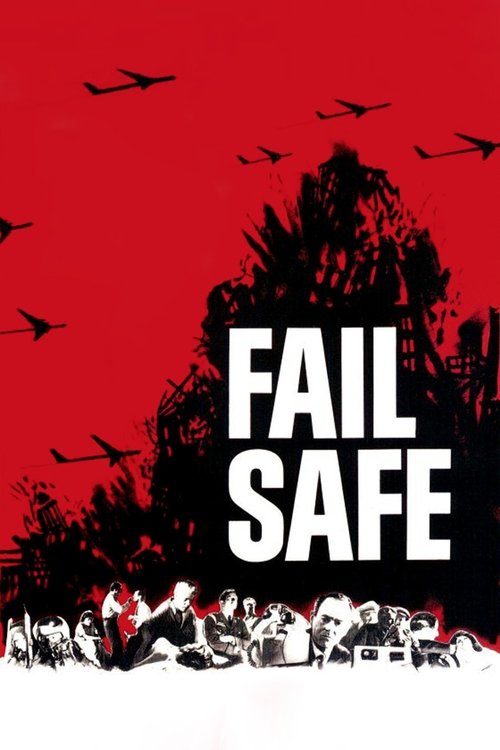
Fail Safe1964
Both films locate nuclear-age terror not in explosions but in the gap between decision-makers and those who live with their decisions.
A Cold War thriller told almost entirely in rooms: strategy chambers, military bunkers, the White House. It shares *The Last War*'s claustrophobic sense of human powerlessness against systems, but attacks it from inside the machinery rather than from the family unit.
But Black-and-white, dialogue-heavy, procedural. The pacing is intentionally suffocating.
More like this (8)
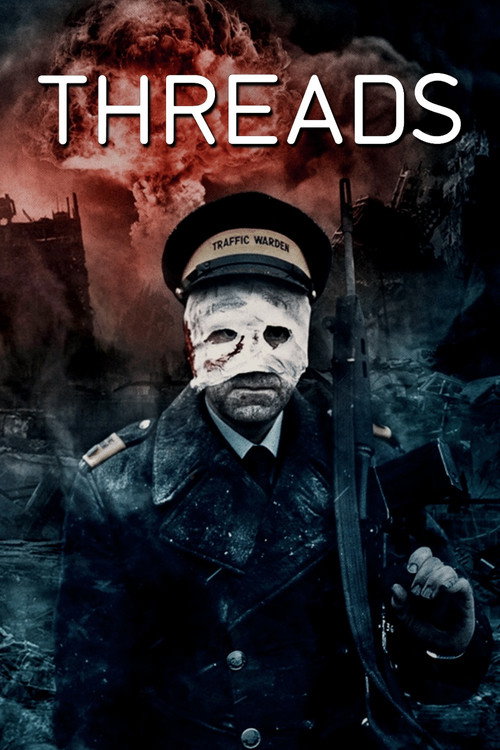
Threads1984
A British film depicting nuclear war's actual consequences with documentary precision. Both films treat the unthinkable as documentary rather than spectacle.
But Genuinely difficult to watch. Graphic, relentless, designed to disturb rather than comfort.
On the Beach1959
An American nuclear-age drama about waiting for the end. Shares *The Last War*'s focus on intimate human moments against an enormous, impersonal threat.
But The fatalism can feel dated. Post-war American anxieties don't always translate cleanly.

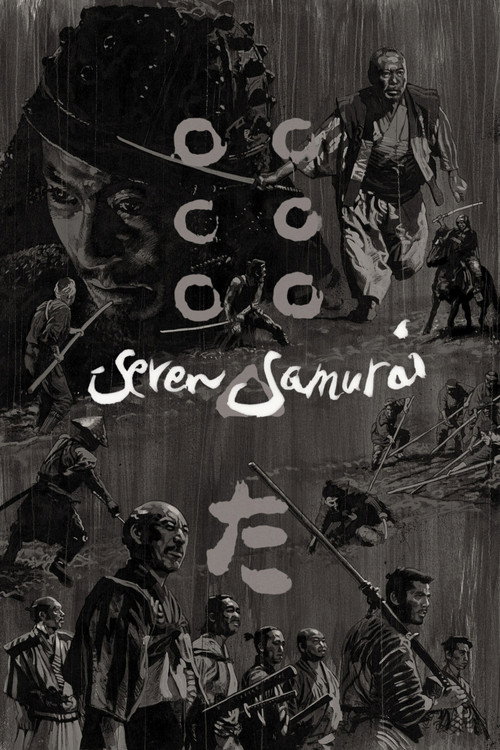
Seven Samurai1954
Kurosawa again, exploring duty, sacrifice, and community under duress. The ensemble and the moral complexity will resonate if you respond to *The Last War*.
But Three and a half hours. It's a commitment, and patience with pacing is non-negotiable.
Come and See1985
A Soviet war film that documents the psychological and physical destruction of conflict on ordinary people. The same unflinching gaze as *The Last War*.
But Visceral and traumatic by design. This is not a film you watch for entertainment.

Tokyo Story1953
Ozu's portrait of a family navigating change and loss. The restraint and emotional precision parallel *The Last War*'s approach to family dissolution.
But Almost nothing happens. If you need plot momentum, this will feel glacial.

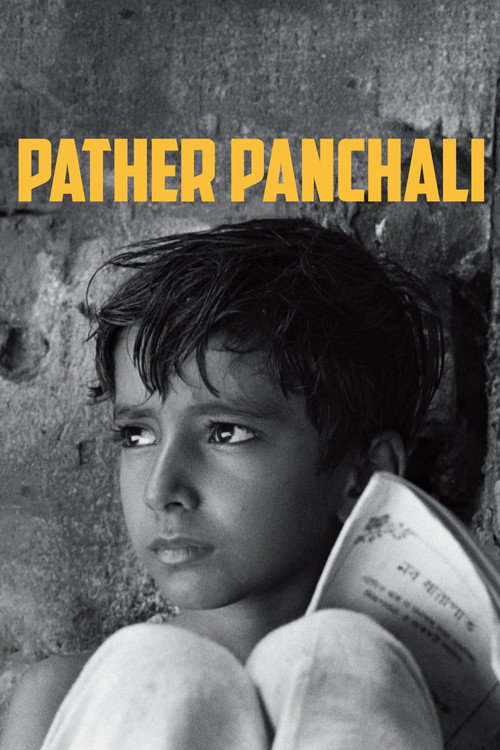
Pather Panchali1955
Satyajit Ray's debut about poverty and dignity in an Indian family. Like *The Last War*, it finds humanity in constraint and inevitability.
But Slow and monochromatic. No concessions to Western narrative expectations.
Cléo from 5 to 71962
Both trap characters in wait, in powerlessness, in the knowledge that forces beyond them will determine everything.
An French New Wave film about a woman waiting for medical test results, watching the world continue around her. Existential dread in real time, mortality as intimate as it gets. A completely different register from *The Last War*, but the same engine: ordinary life suspended by invisible threat.
But Avant-garde and deliberately static. Experimental form may feel precious or frustrating if you want narrative drive.

The Saddest Music in the World2003
Both ask what happens when collective forces—war, competition, ideology—colonize family and personal sorrow.
Guy Maddin's surrealist Depression-era film told in silent-film style, about nations competing to prove their suffering. It's grotesque and deliberately artificial where *The Last War* is naturalistic, but both anatomize how geopolitics weaponizes human emotion and grief.
But Formally bizarre and deliberately artificial. If you want realism or conventional narrative, this will seem like an annoying game.

People
Cast
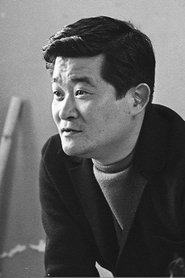 Frankie SakaiMokichi Tamura
 Akira TakaradaTakano
 Yuriko HoshiSaeko Tamura
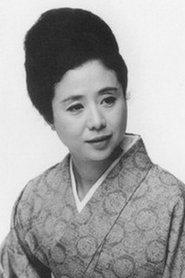 Nobuko OtowaOyoshi Tamura
 Yumi ShirakawaSanae
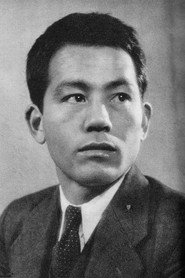 Chishū RyūEbara
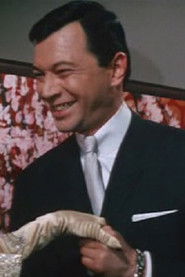 Jerry ItōWatkins
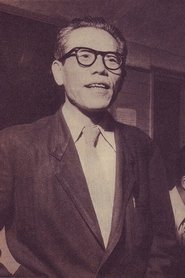 Eijirō TōnoCaptain Umehara
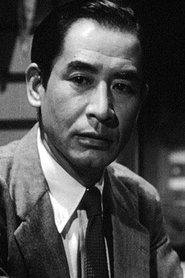 So YamamuraPrime Minister Masaki
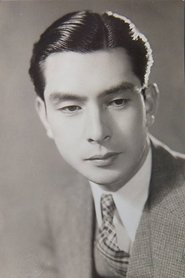 Ken UeharaMinister of Foreign Affairs
 Seizaburō KawazuDirector of the Mizutani Defense Agency
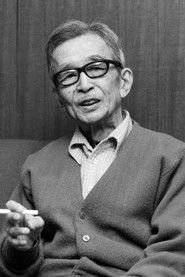 Nobuo NakamuraChief Cabinet Secretary Fujikawa
Directing
- Hiroyasu SunaharaAssistant Director
- Shūe MatsubayashiDirector
- Yasuyoshi TajitsuFirst Assistant Director
Writing
- Takeshi KimuraScreenplay
- Toshio YasumiScreenplay
Production
- Sanezumi FujimotoExecutive Producer
- Tomoyuki TanakaExecutive Producer
- Boku MorimotoProduction Manager