
Film
Day the World Ended
A 1955 atomic-age survival film where mismatched strangers hole up in a valley after nuclear war, waiting out radioactive fallout. It's earnest, claustrophobic, and visually inventive on a shoestring budget, with creature effects that still unsettles. Made for anyone who loves Cold War anxieties filtered through genre cinema.
If you liked this
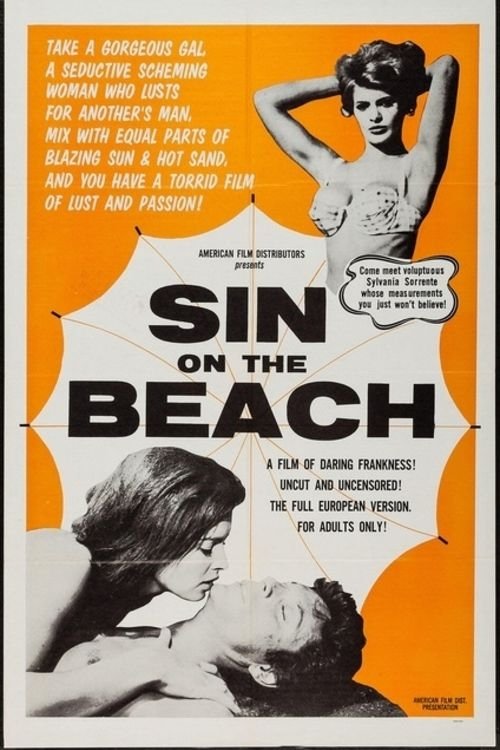
Sin on the Beach1963
Stanley Kramer's sweeping meditation on humanity's final days as radioactive clouds drift toward Australia. Ava Gardner and Gregory Peck anchor a film that treats nuclear annihilation with Shakespearean gravity, never descending into exploitation.
But It's deliberately slow and mournful—there's no action or heroics, just intelligent people facing extinction. Some will find it dour.
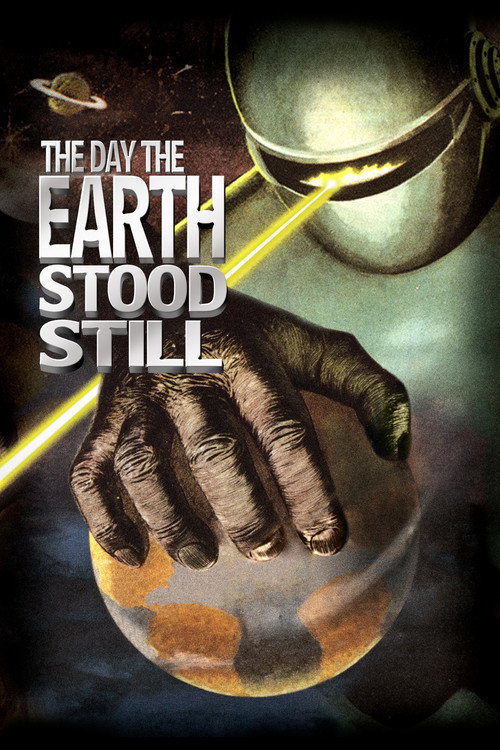
The Day the Earth Stood Still1951
Another Cold War anxieties film, but one that pairs philosophical speculation with genuine tension. Klaatu's ultimatum forces us to reckon with human destructiveness in ways that feel urgent, not preachy.
But The dialogue is talky and the message explicit. If you want plot momentum over ideas, this will feel static.
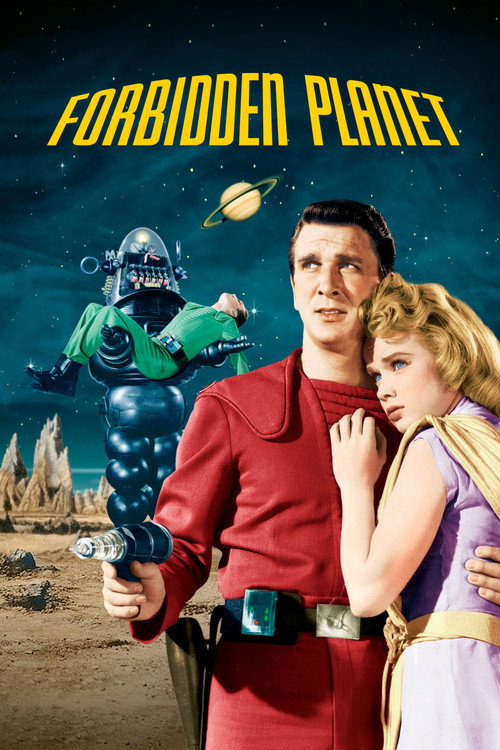
Forbidden Planet1956
A year later and sci-fi cinema went Technicolor and lavish, yet this maintains real unease beneath the spectacle. The creature design is iconic, and the psychological complexity sneaks up on you.
But It's much more expensive and glossy than Day the World Ended—if you loved the scrappy intimacy, this won't replicate that.
Not sure tonight? Get a pick in a minute, starting from Day the World Ended
The wildcard
Something you would not have found on your own.
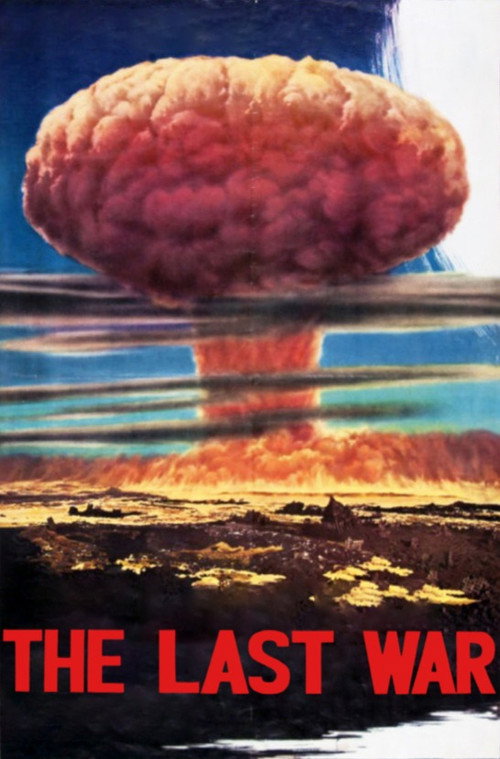
The Last War1961
Both navigate a post-nuclear world through genre mechanics while staying grounded in the human cost. Both were made in the immediate aftermath of Hiroshima and Nagasaki, processing real trauma through creature and survival narratives.
Japanese science fiction about a nuclear exchange that's visually astonishing and politically complex in ways Western films weren't. Treats Japan's actual atomic devastation with specificity and moral weight. Creature effects are strange and haunting.
But It's in Japanese with subtitles, slower paced than American action films, and the tone is elegiac rather than thrilling.
More like this (8)
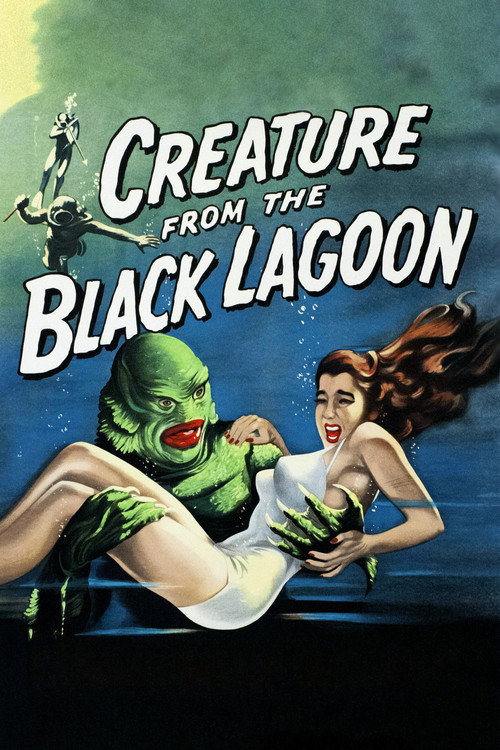
Creature from the Black Lagoon1954
A creature feature where the monster is genuinely sympathetic and the human conflict is as interesting as the creature scenes. Underwater cinematography that still holds up. Pure genre craft from the studio system.
But It's a creature-in-the-water routine—if you're tired of that template, nothing here reinvents it.
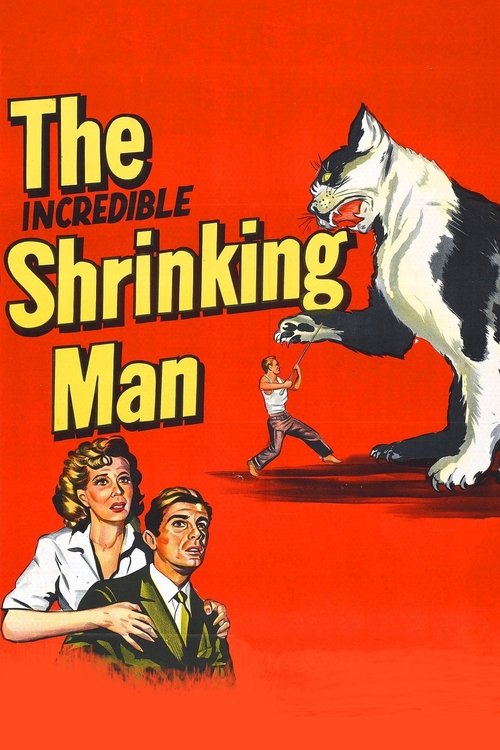
The Incredible Shrinking Man1957
A man shrinking down to nothing is existential horror wrapped in sci-fi trappings. It takes its premise seriously and explores masculine anxiety with real intelligence. Stunning for its era and genuinely imaginative.
But The final act gets abstract and philosophical. Some find it pretentious; others find it transcendent. There's no middle ground.
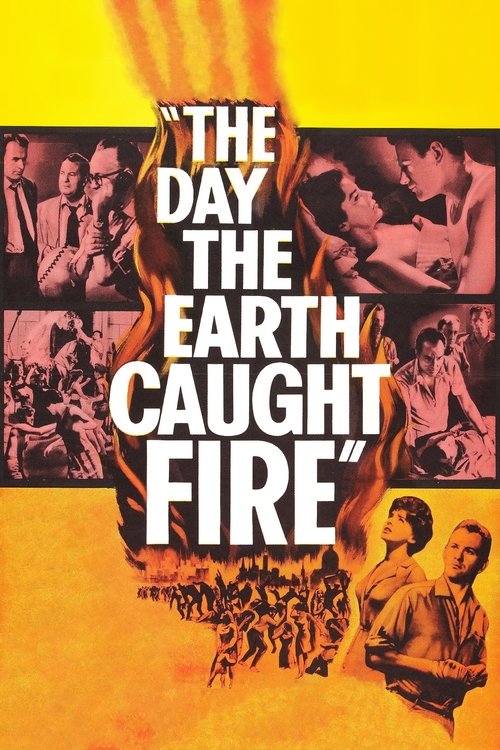
The Day the Earth Caught Fire1961
British journalists covering nuclear tests discover the Earth's orbit is changing. It's fast-paced, apocalyptic, and gorgeously shot in black and white. The paranoia feels lived-in rather than manufactured.
But It's a newspaper procedural as much as science fiction. If you want spectacle and monsters, this is bureaucracy and anxiety.
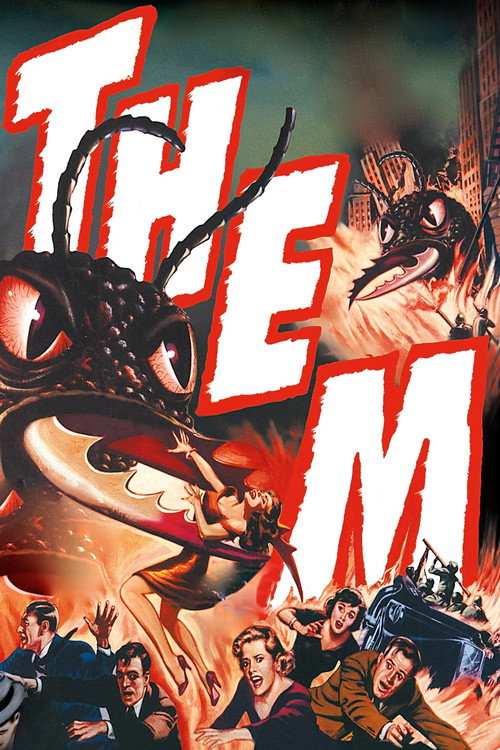
Them!1954
Giant ants in the desert from atomic radiation. A straightforward creature feature that's also a rip-roaring thriller with good characters and genuine suspense. Fun without winking at its own premise.
But It's schlocky in places and deeply of its moment. Takes itself seriously but audiences today might find the earnestness quaint.
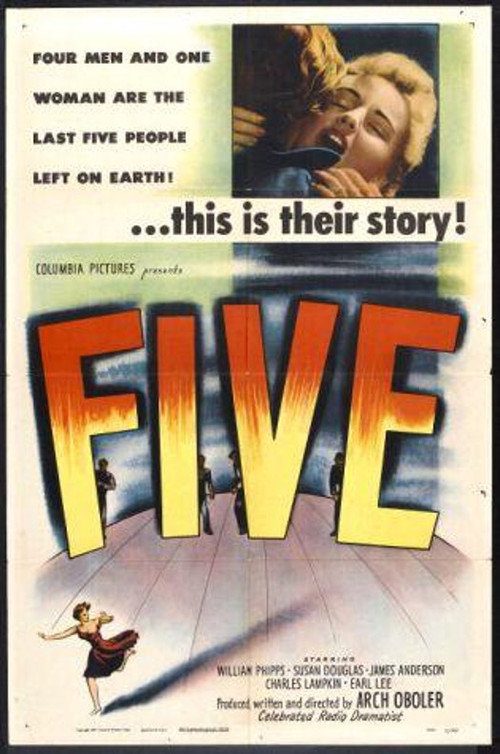
Five1951
Bare-bones survival film—five people after an unspecified apocalypse, no exposition, just human dynamics and dwindling hope. It's intimate, unsettling, and shot with real ingenuity on a minimal budget.
But It's plotless by design. Nothing really happens; it's all character erosion. Meditative to the point of severe.
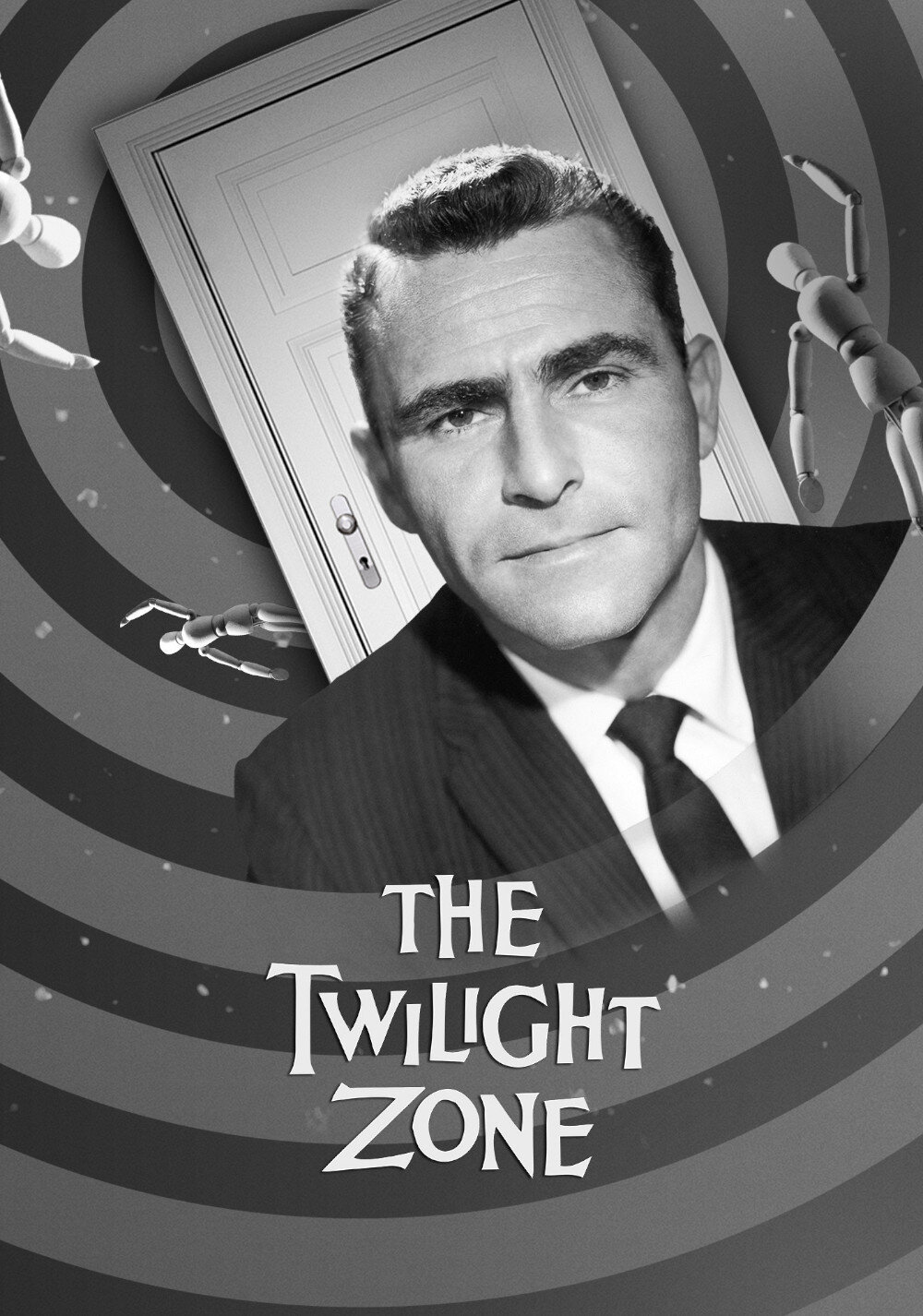
The Twilight Zone1959
A half-hour episode about neighbors turning on each other when a fallout shelter becomes accessible. Tense, human-scale, and darkly funny about suburban paranoia and mob psychology. Perfect encapsulation of the era's anxieties.
But It's an episode, not a film, and TV anthology pacing might feel slight if you want deeper character work.
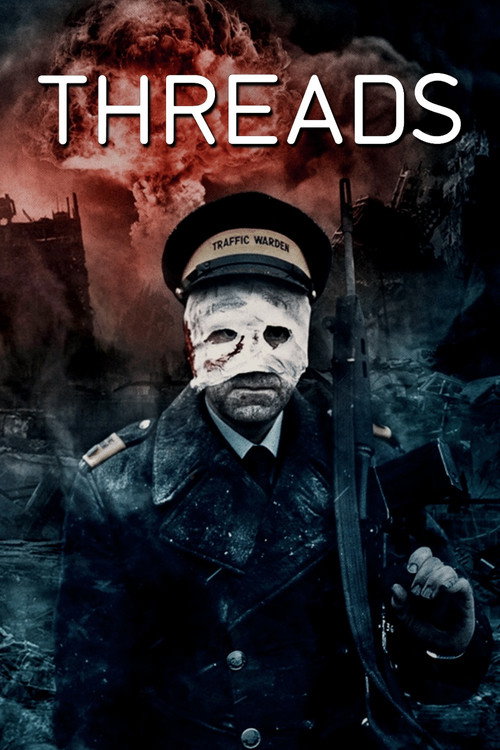
Threads1984
Both imagine survival as the worst-case scenario rather than triumph. Where Day the World Ended finds a pocket of hope, Threads suggests there is none. They're inverse visions of the same dread.
A British docudrama about nuclear war's aftermath in Sheffield. Unflinching, graphic, devoid of heroism or comfort. It's the logical endpoint of what Day the World Ended imagined—not survival, but slow societal collapse and death.
But It's bleak to the point of nihilism and genuinely disturbing. Not entertaining; designed to scare you into political consciousness. Some scenes are deliberately unwatchable.
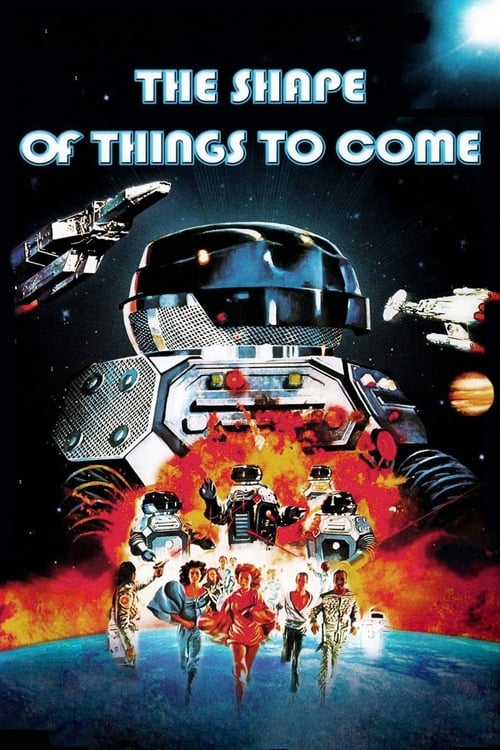
The Shape of Things to Come1979
Both are speculative fiction made in the shadow of real war, imagining collapse and regrouping. Day the World Ended is intimate and American; this is epic and British. Same anxieties, utterly different aesthetics—seeing them together shows how era and nation shape the same fears.
H.G. Wells's own adaptation of his novel—a sprawling, stylized vision of future world wars and social collapse. It's wildly ambitious, visually baroque, and strange. A product of its era's futurism, deeply weird and genuinely imaginative.
But It's slow, pretentious, and the dialogue is expository to the point of suffocation. The production design is theatrical rather than realistic. It's a curiosity first, entertainment second.
People
Cast
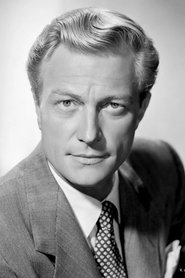 Richard DenningRick
 Lori NelsonLouise Madison
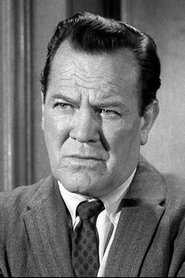 Paul BirchJim Madison
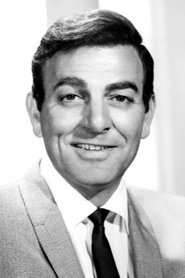 Mike ConnorsTony Lamont
 Adele JergensRuby
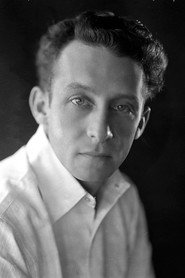 Raymond HattonPete
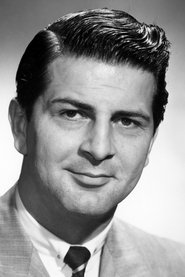 Paul DubovRadek
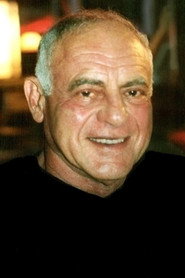 Jonathan HazeContaminated Man
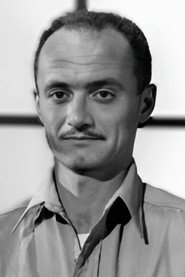 Paul BlaisdellMutant
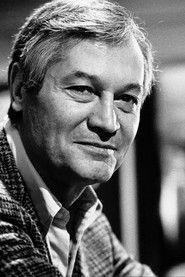 Roger CormanNelson - Louise's Fiancée in Framed Photograph (uncredited)
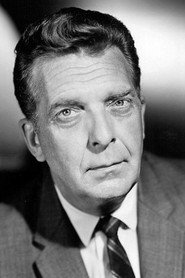 Chet HuntleyNarrator (voice) (uncredited)
Directing
- Roger CormanDirector
- Barbara BohrerScript Supervisor
Writing
- Lou RusoffScreenplay
- Lou RusoffStory
Production
- Alex GordonExecutive Producer
- Roger CormanProducer
- Bartlett A. CarréProduction Supervisor