
Film
Five
A 1951 sci-fi drama about five atomic bomb survivors sheltering in an isolated hillside house, grappling with isolation, radiation fears, and whether humanity can rebuild. It's quietly apocalyptic—more interested in how people fracture under pressure than in spectacle. For anyone drawn to intimate end-of-world stories or early atomic-age paranoia.
Should you watch it?
Watch it if you like small, stubborn stories where a handful of strangers argue their way through a ruined world, and you don't mind a 1950s low-budget film with stagy, talky dialogue.
Skip it if you want post-apocalyptic spectacle or any sense of the wider world, since almost everything happens inside one cramped house and the effects are modest.
What it asks of you: Ninety-three minutes, mostly in one room, with long stretches of talk where a modern film would cut to action; it moves at the pace of argument, not of events.
Not sure? Find tonight's pick in a minute.
If you liked this
On the Beach1959
Another nuclear apocalypse film, but slower and more fatalistic. It watches a society waiting for radiation to arrive, focusing on intimate moments before the end. A masterclass in building dread through restraint.
But Genuinely depressing in a way that doesn't resolve. If you need catharsis or hope, this offers neither.

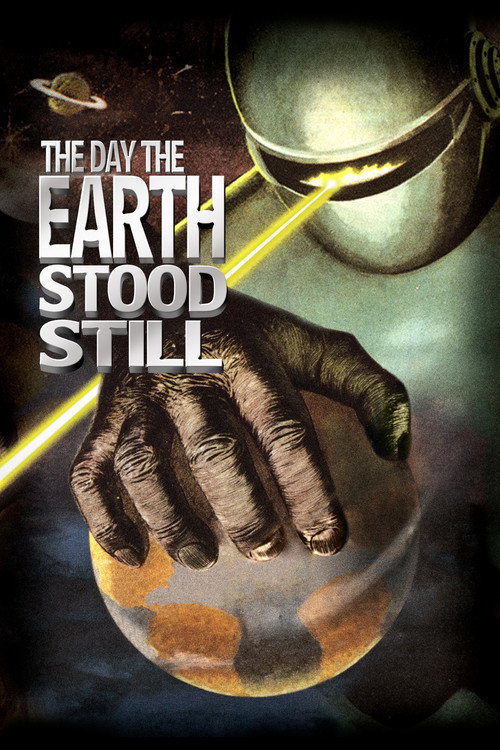
The Day the Earth Stood Still1951
Released the same year, it shares Five's intelligence and restraint. An alien visit forces humanity to confront its capacity for destruction. Smart sci-fi that trusts the audience.
But The pacing is deliberate. Long stretches of conversation instead of action will test some viewers' patience.
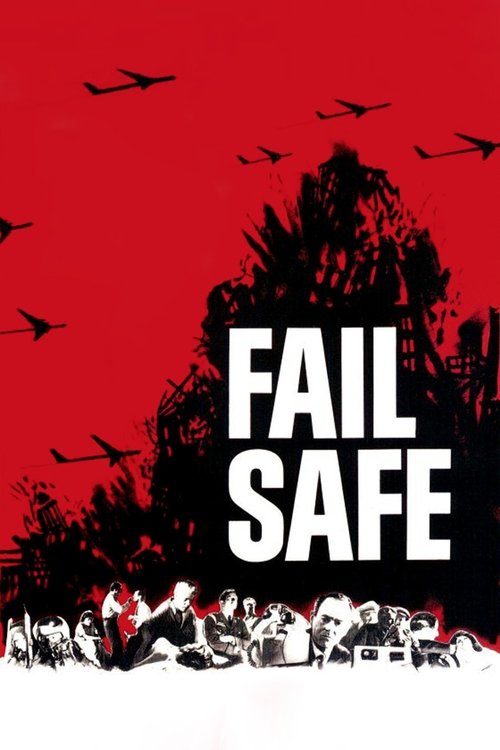
Fail Safe1964
A nuclear nightmare scenario where miscommunication triggers apocalypse. Tense, meticulously crafted, and built on the same fear as Five: that we might not survive ourselves.
But Shot in stark black and white and relentlessly grim. There's no relief valve, no moment to catch your breath.
Not sure tonight? Get a pick in a minute, starting from Five
The wildcard
Something you would not have found on your own.
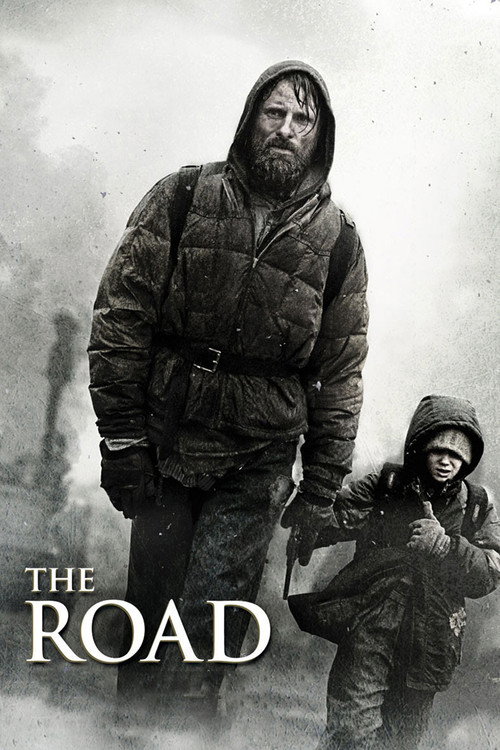
The Road2009
Both are intimate apocalypses more concerned with how people endure than with explaining the disaster. Quiet, not loud.
Cormac McCarthy's father and son trudging through ash. It's apocalypse as meditation on love and survival, not spectacle. The bleakness is earned and profound—a spiritual sibling to Five.
But Relentlessly grey and hopeless. Even the moments of tenderness occur in a dead world. Some find that unbearable.
More like this (7)
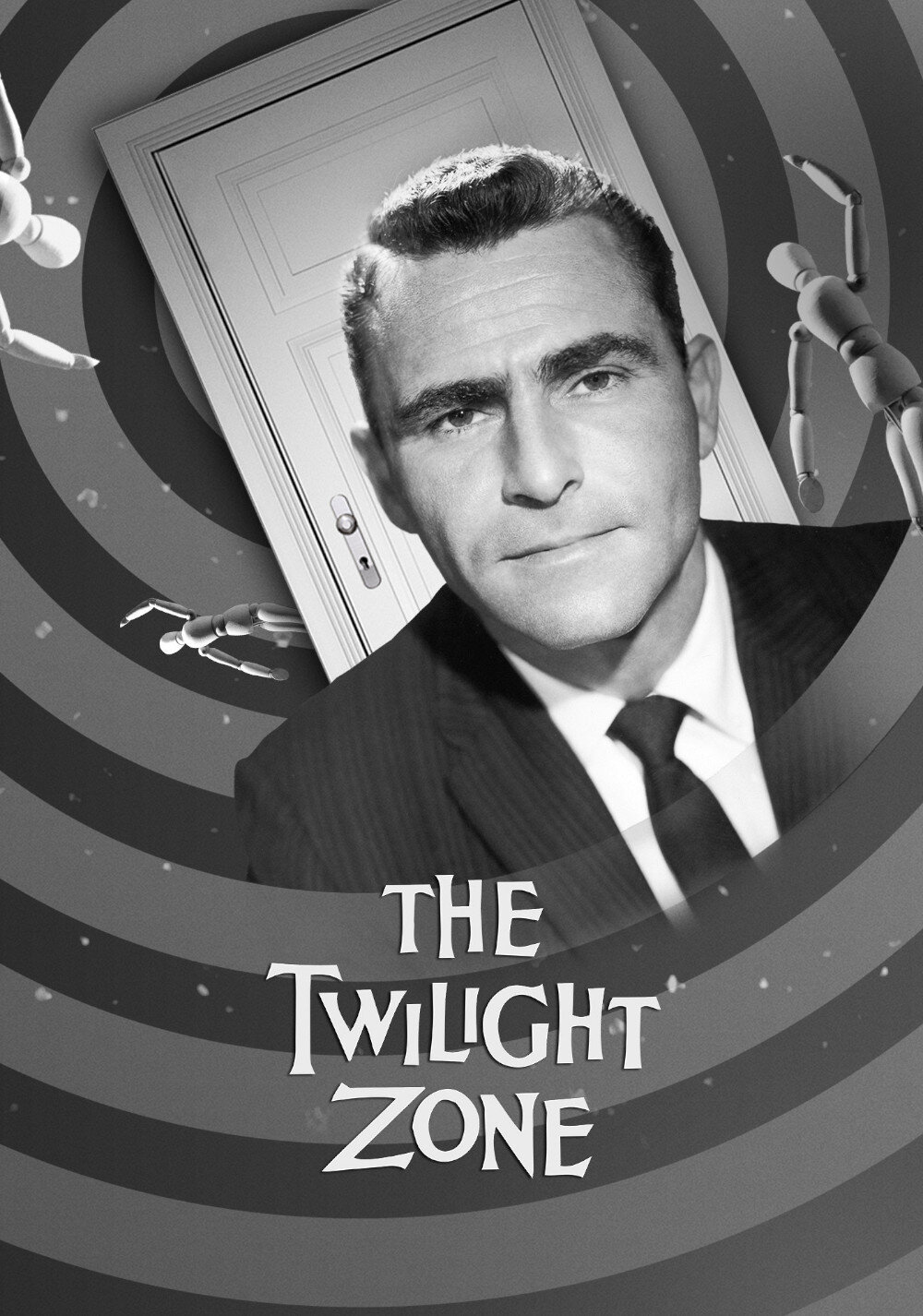
The Twilight Zone1959
Serling's anthology spans sci-fi, horror, and social parable. Several episodes explore atomic anxiety and human nature under stress—the same territory Five occupies but in 25-minute bursts.
But Uneven by design. Some episodes are brilliant; others feel thin. You'll have to dig through the archive.
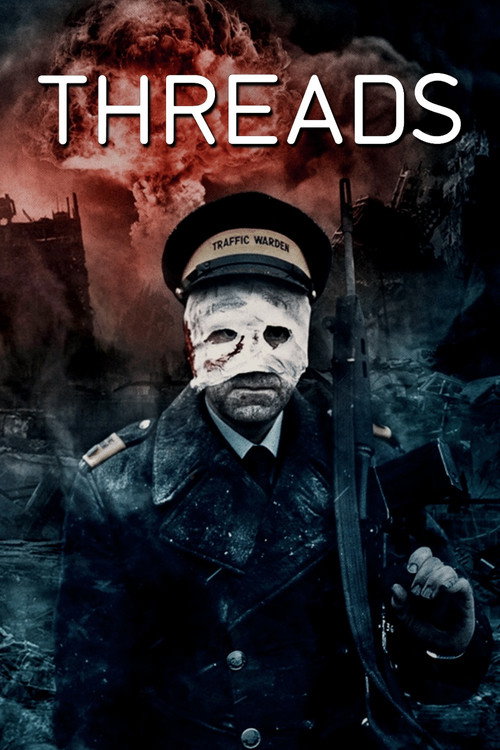
Threads1984
A British nuclear war drama that begins as a story about two families and becomes a study of societal collapse. If Five intrigues you, this shows where that anxiety led by the 1980s.
But Brutally bleak and detailed in depicting suffering. Not for anyone seeking escape or comfort.
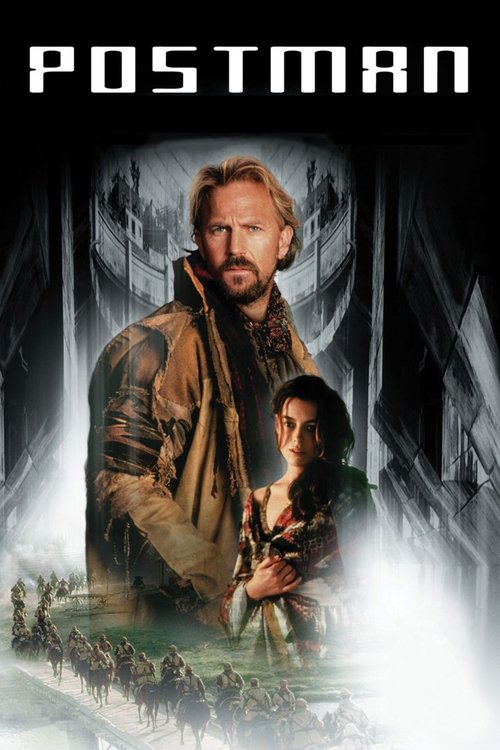
The Postman1997
Another post-apocalypse survival story, this one about community and meaning after collapse. It asks what Five asks: what do you rebuild, and with whom?
But Long, earnest, and not concerned with speed. The philosophy can overwhelm the plot.
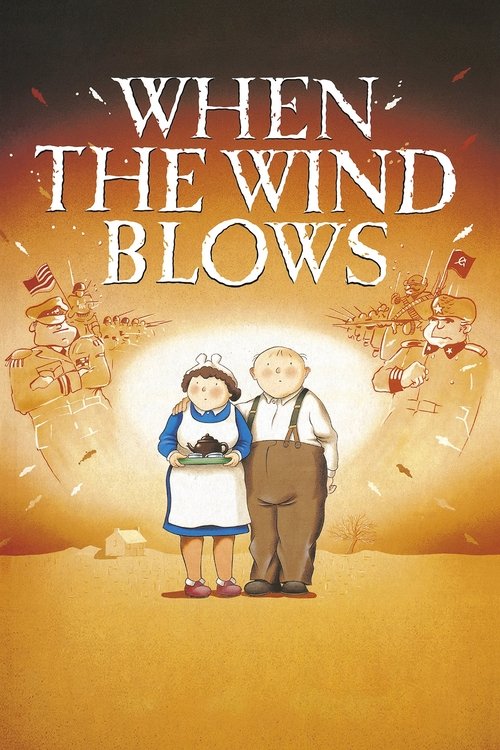
When the Wind Blows1986
An animated feature about an elderly couple preparing for nuclear war by following government guidelines—tragically, tenderly absurd. A different approach to the same atomic dread.
But The animation's gentleness makes the ending harder to bear. Watching innocence collide with reality is painful by design.
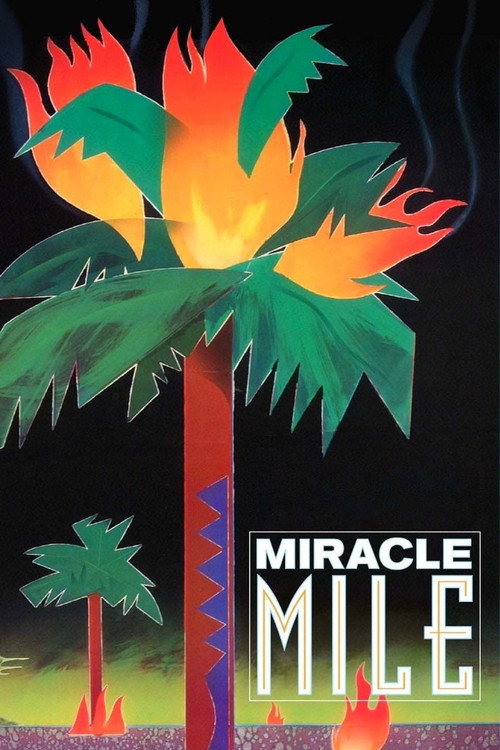
Miracle Mile1989
A thriller set in real-time during the last hour before a nuclear strike. Escalates from a meet-cute to a race against doom. Tense, inventive, and occasionally darkly funny.
But The tone shifts abruptly from romance to horror. If you want consistency, this will feel uneven.
Ikiru1952
Both emerged from the atomic age wrestling with the same question: what matters when survival is uncertain? Both answer it through human connection, not heroics.
Kurosawa's film about a dying man finding meaning in his final days. Japanese cinema's answer to atomic-age existential dread: how do we live when we know we're ending?
But Not a genre film—it's a humanistic drama. If you approach it expecting sci-fi or action, you'll be disappointed.

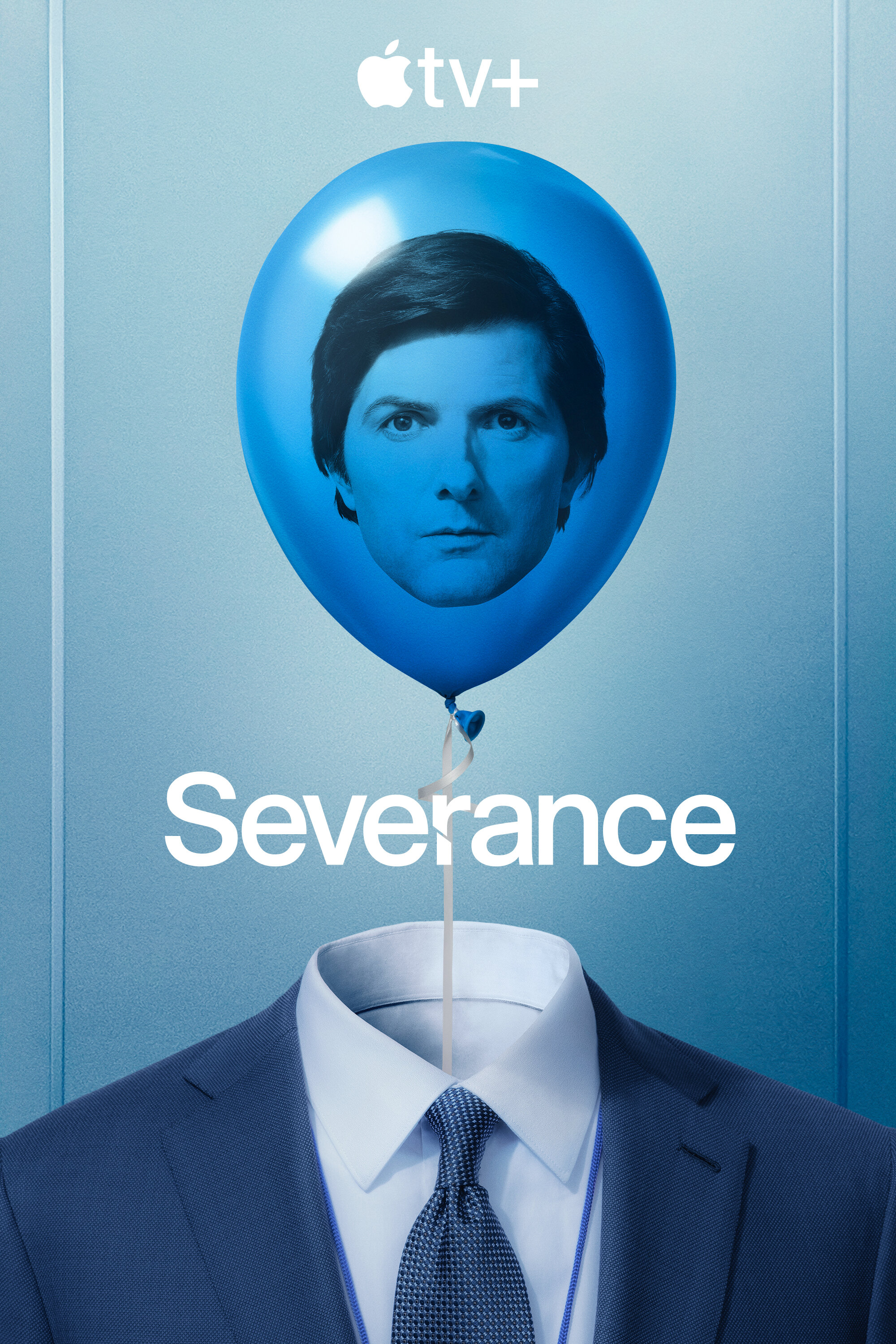
Severance2022
Both trap a small cast in a confined space and watch what happens when reality becomes unstable and trust breaks down. Both are sci-fi about the interior, not the exterior world.
A psychological thriller about workers surgically divided from their outside lives. Claustrophobic, paranoid, and deeply weird—a modern retelling of isolation anxiety and the fracturing of group trust that Five explores.
But Deliberately bizarre and unresolved. If you need answers or conventional narrative satisfaction, it withholds both.
People
Cast
 William PhippsMichael
 Susan DouglasRoseanne Rogers
 James AndersonEric
 Charles LampkinCharles
- Earl LeeMr. Barnstaple