
Film
Atlantic
- Period drama
- Very dark
A 1929 British drama that uses the Titanic disaster as backdrop for a shipboard affair exposed mid-voyage. The sinking becomes moral reckoning: who survives and why? It's earnest, theatrical, and haunted by proximity to the real catastrophe. For anyone fascinated by how early cinema processed trauma.
If you liked this
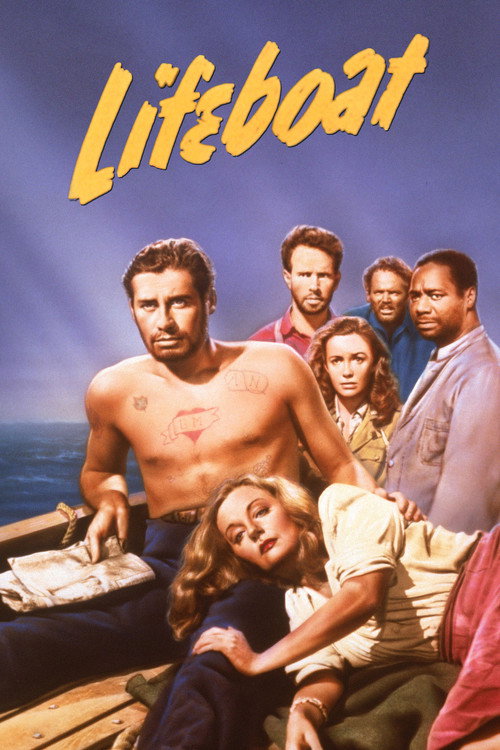
Lifeboat1944
Hitchcock's chamber piece traps a diverse group in a lifeboat after a U-boat sinking. Pure tension and moral philosophy in 90 minutes, examining who deserves rescue and why.
But Deliberately confined and theatrical. Hitchcock forces you to sit with uncomfortable questions rather than offering relief.
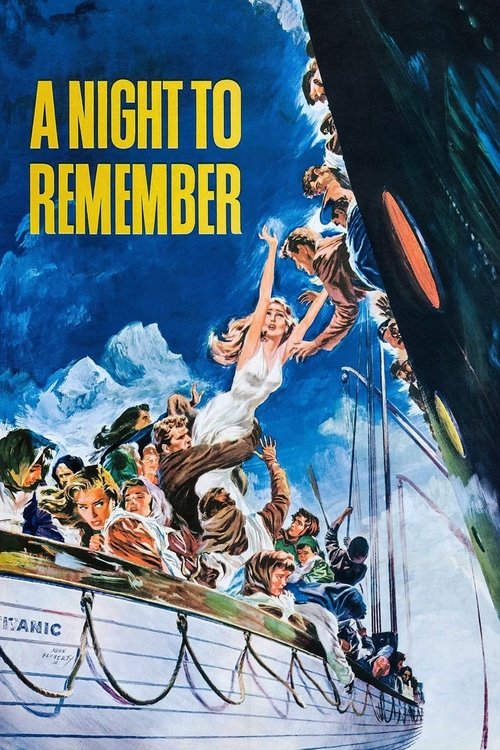
A Night to Remember1958
The definitive Titanic film: meticulous, vast, human. Traces the sinking hour by hour through dozens of lives. You watch bureaucracy and physics collide with panic and nobility.
But Three hours long and deliberately unglamorous. The scale can feel cold; this prioritizes accuracy over emotion.
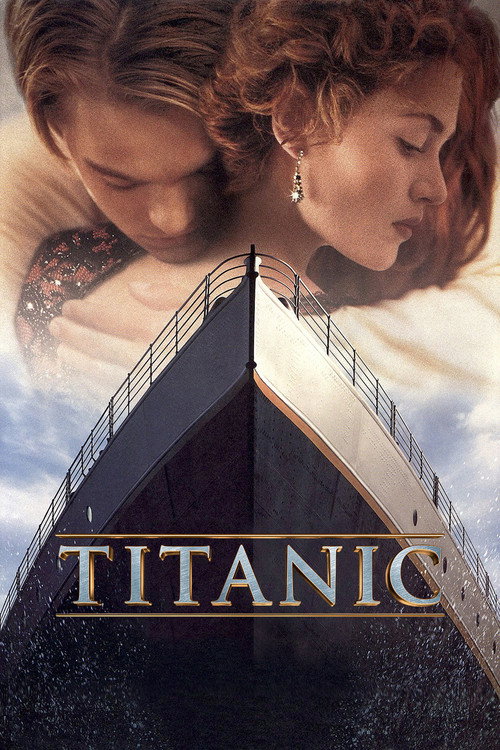
Titanic1997
Cameron's film. Yes, really. The technical recreation of the sinking is stunning and horrifying. The human story, whatever you think of it, lands in the moment.
But The romance subplot feels overwrought to many. That's fair. But the disaster itself earns three hours of your time.
Not sure tonight? Get a pick in a minute, starting from Atlantic
The wildcard
Something you would not have found on your own.
Hiroshima Mon Amour1959
Both use a single disaster (sinking, bombing) as lens to examine how intimacy and morality fracture under extremity. Both are less interested in the event than in what it reveals.
Resnais's masterpiece: a French woman and Japanese man in post-war Hiroshima, desire and memory tangled together. Gorgeously shot, formally radical. About how we carry catastrophe and move on.
But Experimental and fragmentary. The narrative doesn't cohere the way you expect. Demands active attention and tolerance for abstraction.
More like this (6)
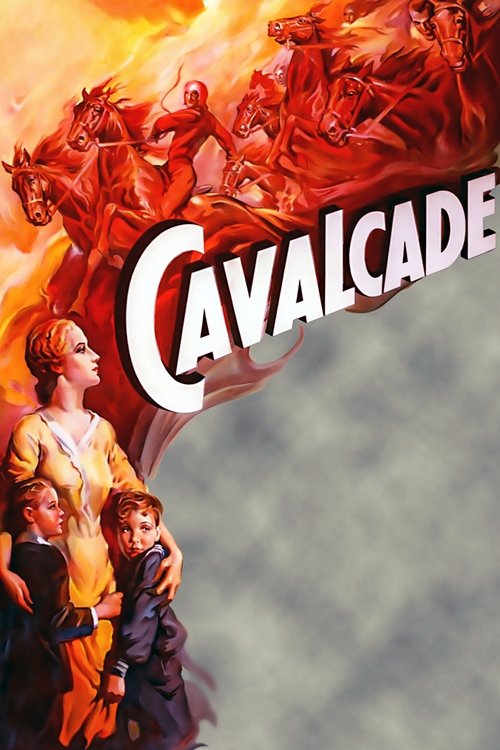
Cavalcade1933
Noël Coward's epic chronicle of an English family through decades of change and loss. Intimate and sweeping. The craftsmanship is gorgeous and the sadness is real.
But Very British, very mannered. The pacing is deliberate. If you want plot momentum, this isn't it.
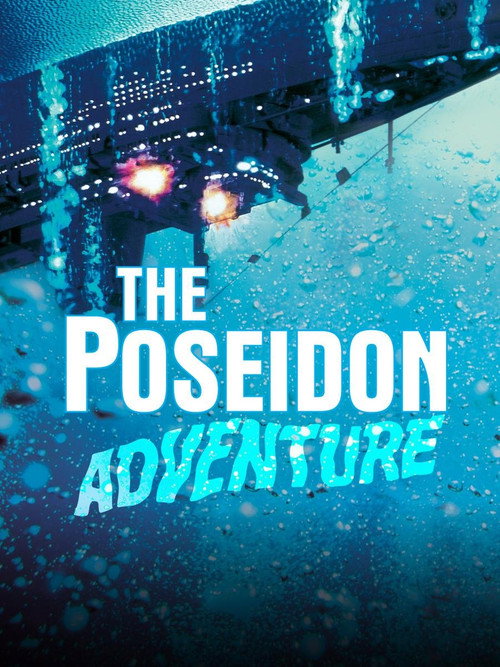
The Poseidon Adventure1972
A luxury liner capsizes and survivors must climb out. Disaster spectacle with genuine craft—terrific set design and ensemble work. Pure entertainment that doesn't insult you.
But It's a '70s disaster film. That register of earnestness and schmaltz won't appeal to everyone.
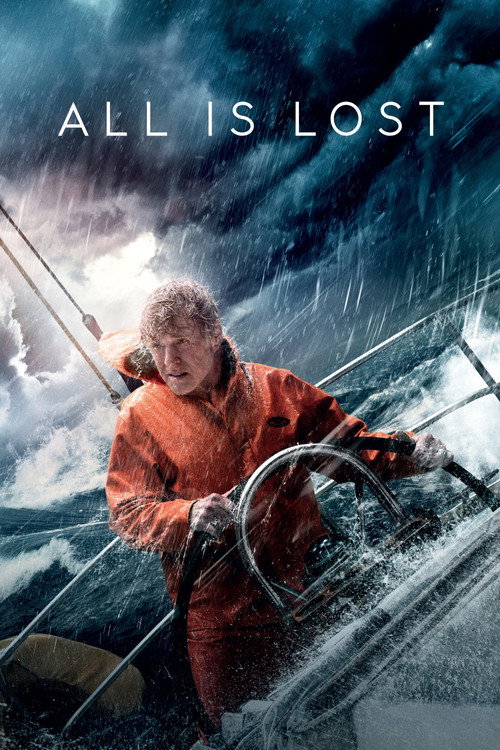
All Is Lost2013
Redford alone at sea after a collision. Minimal dialogue, maximum catastrophe. It's a sinking (slowly, inexorably) filmed with precision and grace.
But Very quiet and very long. The reward is contemplative rather than kinetic. Easy to find it slow.
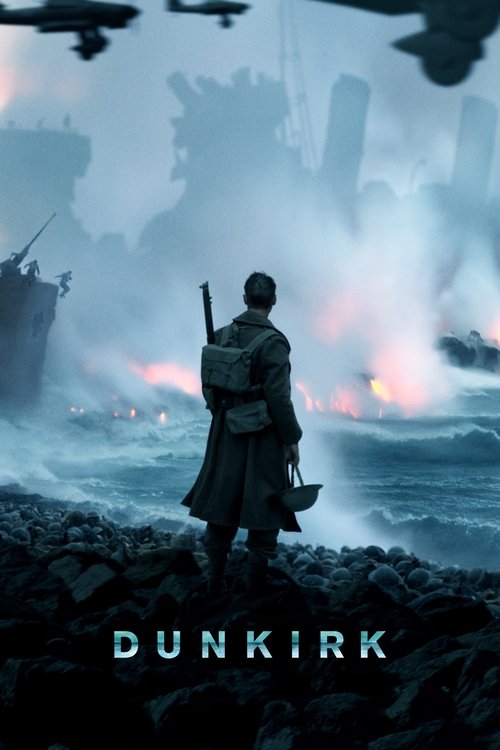
Dunkirk2017
Nolan's three-timeline warfare. Soldiers evacuating by sea. The dread is suffocating and the craft is extraordinary. It's history as lived experience rather than spectacle.
But Confusing structure intentionally. The sound design can be overwhelming. Not for passive watching.
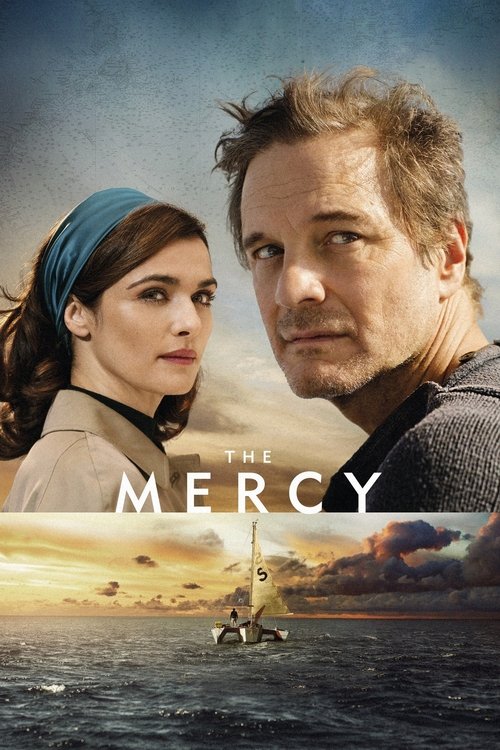
The Mercy2018
Colin Firth as the sailor who faked his round-the-world race. A quiet film about delusion, masculinity, and disaster—surprisingly moving and humane.
But Slow and small. The tension is internal. If you want action rather than introspection, this disappears.
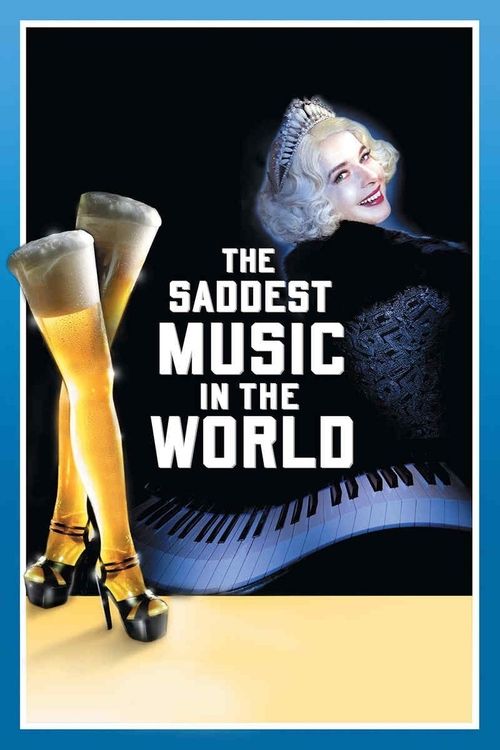
The Saddest Music in the World2003
Both are early-cinema influenced treatments of collective disaster and mourning. Both use period artificiality (theatrical acting, stylized sets) to let feeling *breathe* rather than hide under realism.
Guy Maddin's fever dream: Depression-era Winnipeg, a glass-legged woman, a radio contest for sorrow. Shot in black-and-white like a 1920s nightmare. Grief made visible and strange.
But Surreal and difficult. If you want cinema to be transparent, this will frustrate you. It's not for everyone and knows it.
People
Cast
 Franklin DyallJohn Rool
 Ellaline TerrissAlice Rool
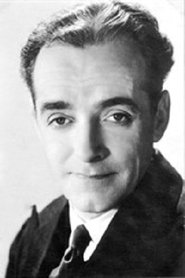 Donald CalthropPointer
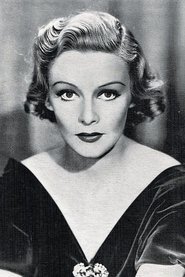 Madeleine CarrollMonica
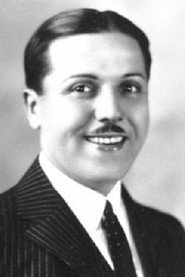 Monty BanksDandy
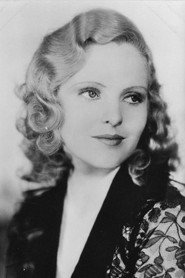 Joan BarryBetty Tate-Hughes
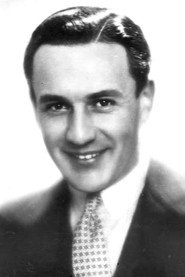 John StuartLawrence
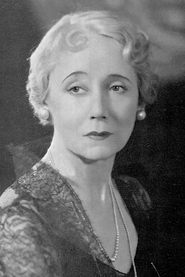 Helen HayeClara Tate-Hughes
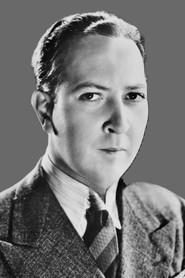 Francis ListerPadre
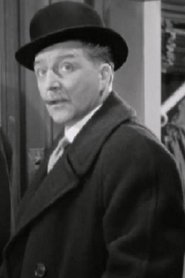 D.A. Clarke-SmithFreddie Tate-Hughes
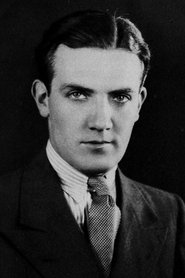 John LongdenLanchester
- Arthur HardyMaj Boldy
Directing
- J.F. GreenAssistant Director
- John HarlowAssistant Director
- Marjorie GaffneyAssistant Director
- E.A. DupontDirector
Writing
- Ernest RaymondTheatre Play
- Victor KendallWriter
Production
- E.A. DupontProducer
- James ScuraProducer
- John MaxwellProducer