
Film
Cavalcade
Cavalcade is the 1933 Best Picture winner, adapted from Noël Coward's stage pageant, following a genteel London family through three decades of history — the Boer War, the Titanic, the Great War — using domestic incident as a stand-in for national trauma. It's more historical artifact than gripping drama: stately, earnest, often creaky. Watch it as a time capsule of early-sound prestige filmmaking, not for narrative momentum.
If you liked this
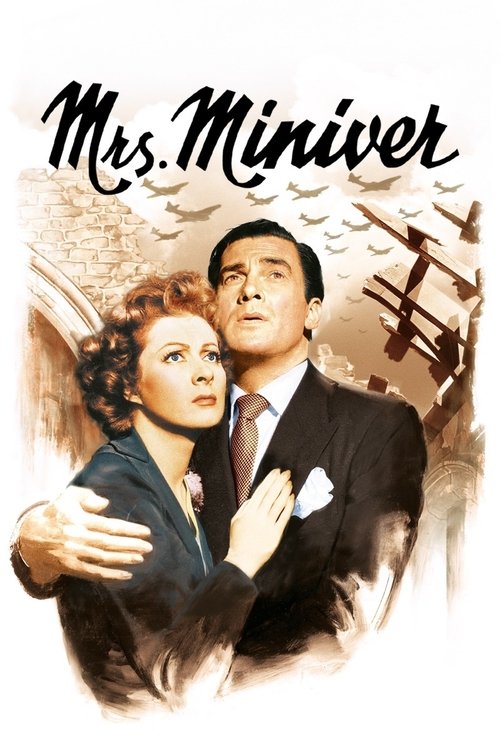
Mrs. Miniver1942
The same trick — a middle-class family absorbing a nation's war one small loss at a time — done with more warmth and a script that actually earns its tears. Oscar winner, deservedly.
But Also wartime propaganda dressed as domestic drama; the patriotism is laid on just as thick.
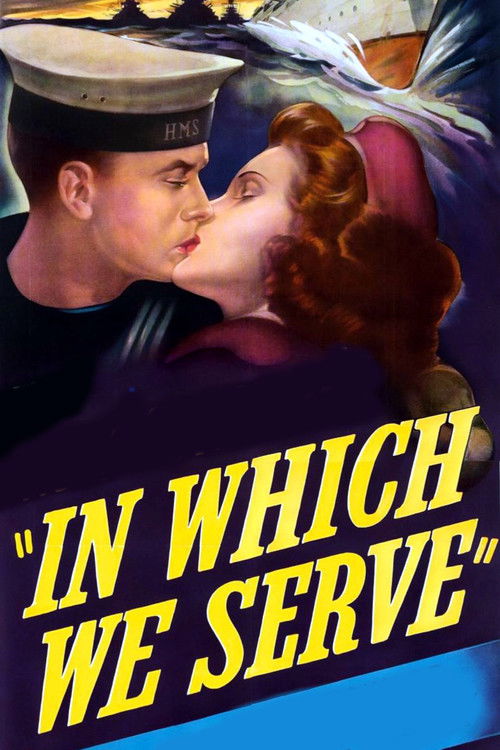
In Which We Serve1942
Noël Coward's own screenplay and co-direction, turning his flair for stiff-upper-lip pageantry toward a single sinking ship instead of thirty years of history. Tighter, sadder, more disciplined.
But Still deeply of its moment — a wartime morale piece, not a modern war film.
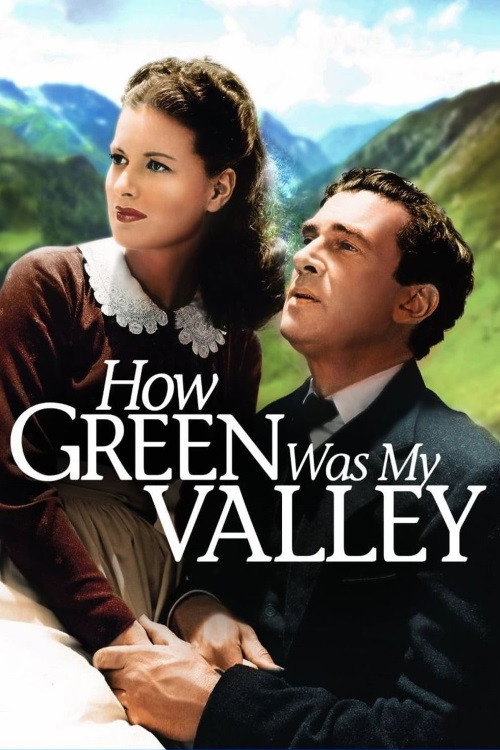
How Green Was My Valley1941
Another Best Picture winner built from decades of family life absorbing industrial change and loss, this time in a Welsh mining village. Gentler, more intimate, better remembered for good reason.
But Just as sentimental in its own way, and just as content to let nostalgia do the heavy lifting.
The wildcard
Something you would not have found on your own.
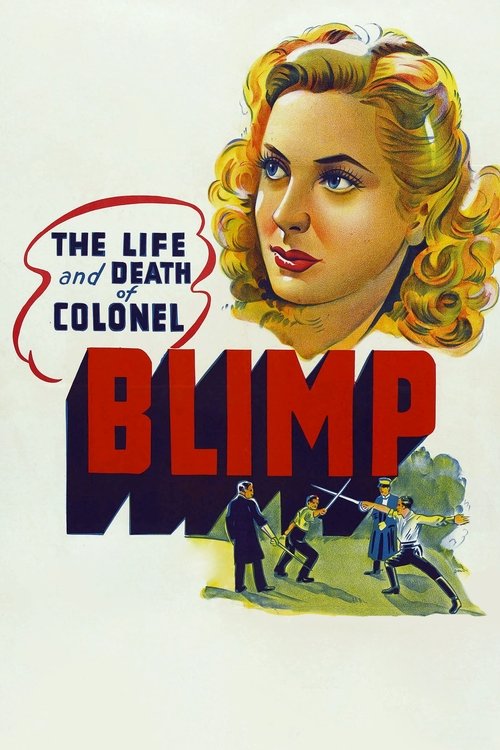
The Life and Death of Colonel Blimp1943
Same decades-spanning structure and same imperial subject matter, but where Cavalcade is sincere pageantry, Blimp is a loving, pointed satire of the man it depicts — the argument Cavalcade never has with itself.
Powell and Pressburger take Cavalcade's exact premise — one Englishman's life spanning Boer War to World War II — and turn it inside out, mocking the very nostalgia Cavalcade sells as virtue.
But Long, digressive, and stranger than a war film has any right to be; patience required.
More like this (8)
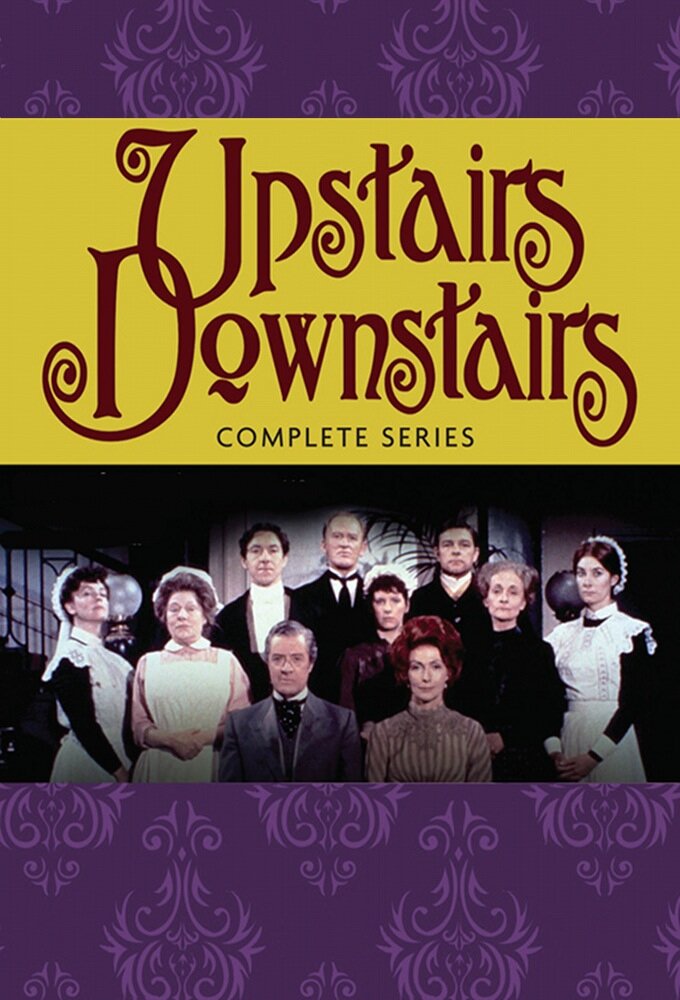
Upstairs, Downstairs1971
Takes Cavalcade's exact structural idea — a household passing through Edwardian certainty into the wreckage of the Great War — and gives it room to breathe across dozens of episodes, servants included as full people.
But A long commitment; the pacing is very 1970s British telly, unhurried almost to a fault.
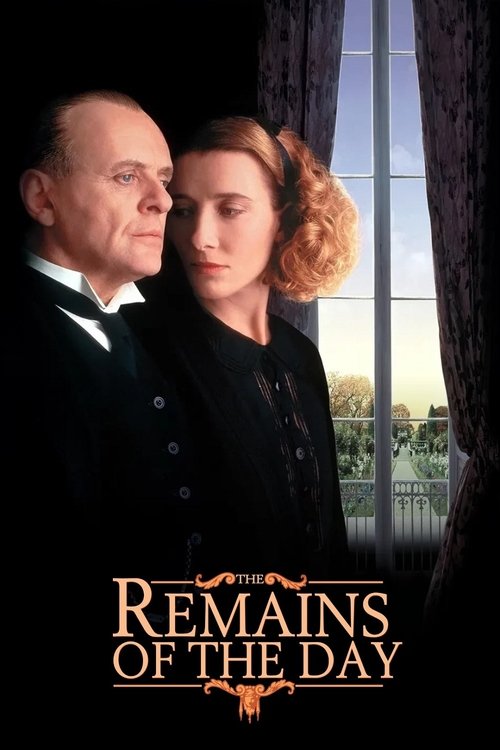
The Remains of the Day1993
Swaps pageant for a single devastating perspective — a butler's decades of service — to ask what all that English composure actually cost. Anthony Hopkins is extraordinary.
But Quiet and restrained almost to the point of suffocation; don't expect catharsis.
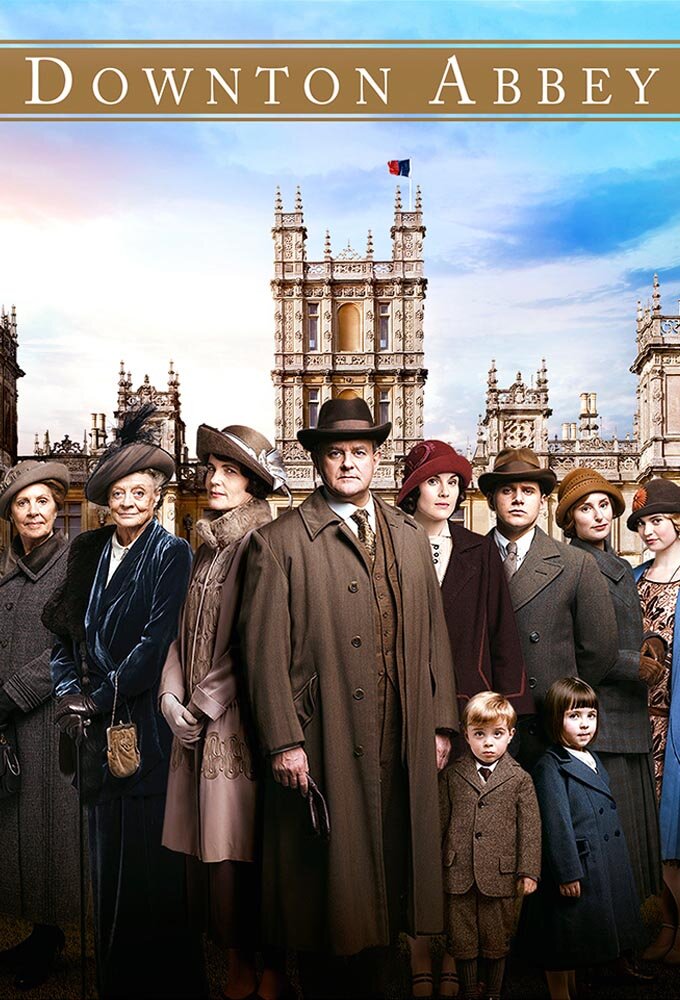
Downton Abbey2010
The contemporary heir to Cavalcade's formula — aristocrats and servants navigating the same historical furniture of war, class upheaval and technological change, but with soap-opera pleasure baked in.
But Glossier and cosier than Cavalcade ever was; history here mostly happens to flatter the costumes.
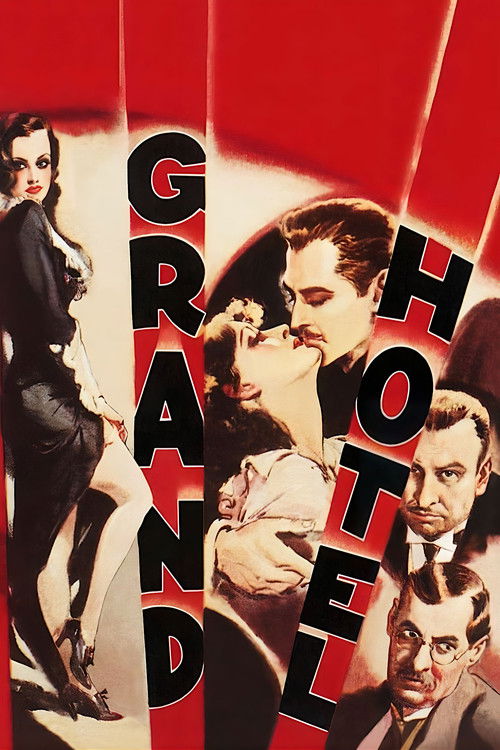
Grand Hotel1932
A contemporaneous Best Picture winner and useful companion piece — same early-talkie theatricality, same starry ensemble handling big emotions in a confined, stagey space.
But Melodrama over history; it's interested in glamour and coincidence, not the passage of decades.
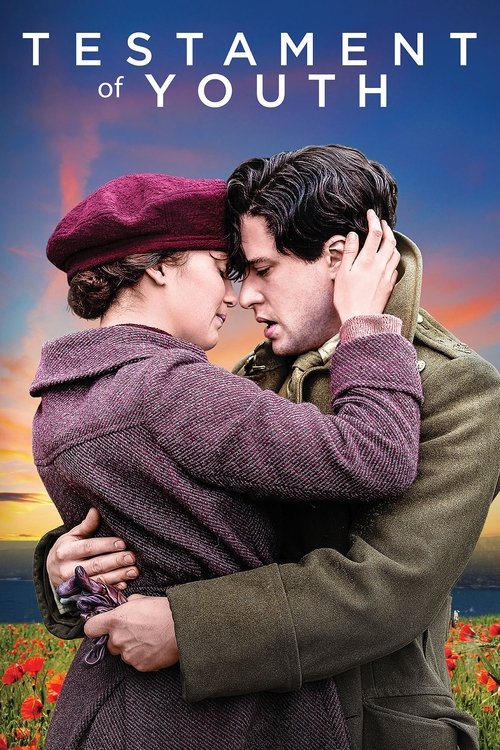
Testament of Youth2015
Strips Cavalcade's Great War section down to one woman's memoir — Vera Brittain losing an entire generation of men she loved — with a directness the earlier film never risks.
But Unashamedly a tearjerker; if you want distance from the grief, this won't give you any.
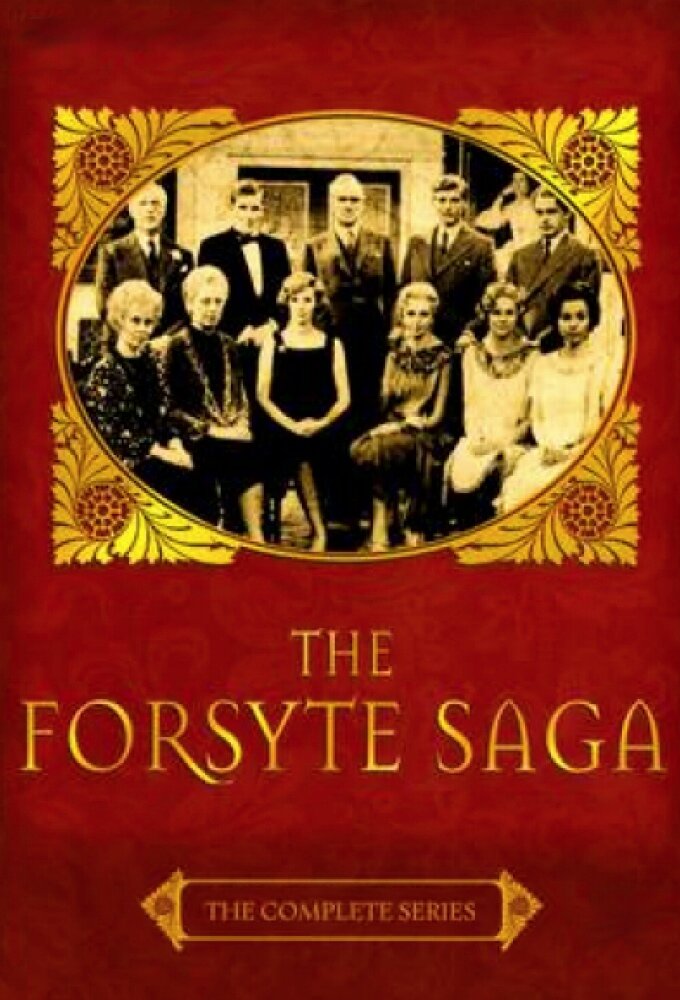
The Forsyte Saga1967
A sprawling BBC family chronicle running from the 1870s onward, soapier and pettier than Cavalcade but scratching the same itch for watching one family age against history.
But Twenty-six episodes of Victorian and Edwardian squabbling; a serious commitment for a fairly minor payoff.
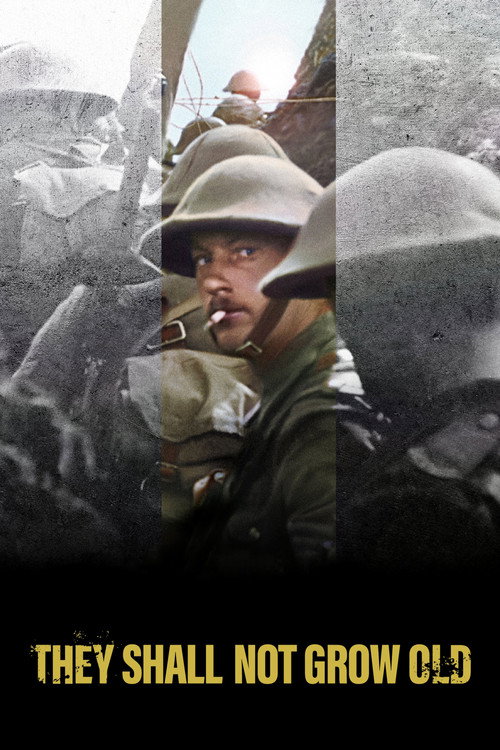
They Shall Not Grow Old2018
Cavalcade renders the Great War through drawing-room reaction shots; this film gives you the thing itself, in a completely different medium — documentary instead of melodrama, evidence instead of pageant.
Peter Jackson restored and colourised actual WWI combat footage, syncing it to veterans' own voices. It's the war Cavalcade treats as one genteel montage, shown as it actually looked and sounded.
But Unfiltered footage of trench warfare — no plot, no distance, and it doesn't soften anything.
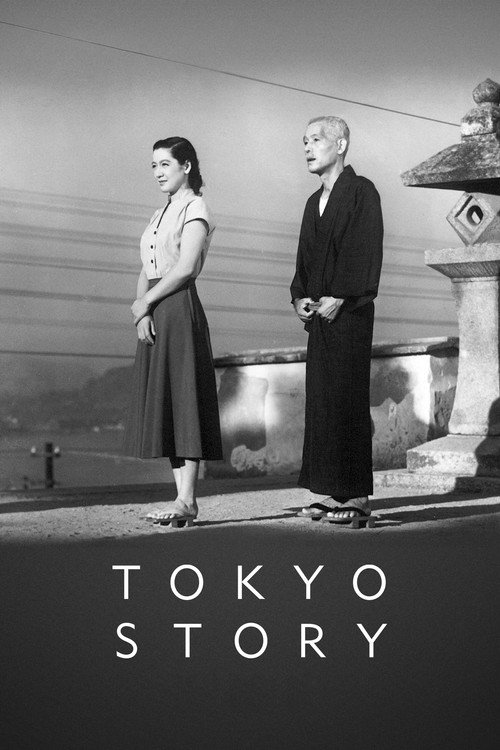
Tokyo Story1953
Same idea — a family as a vessel for watching time and social change pass — but shrunk from national spectacle to a handful of rooms, and swapped for Japanese restraint instead of British pageantry.
Ozu's quietest masterpiece follows an aging couple visiting children who've outgrown them, tracking generational change through small domestic gestures rather than headline history.
But Almost nothing 'happens' by design; the stillness that makes it profound will bore anyone wanting event.
People
Cast
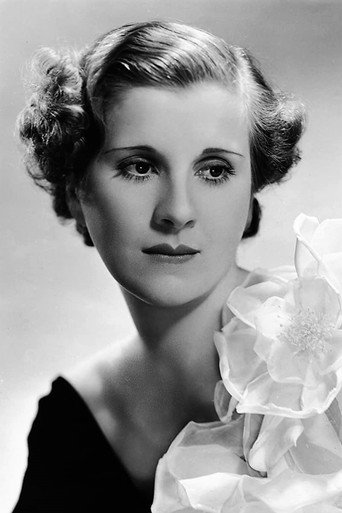 Diana WynyardJane Marryot
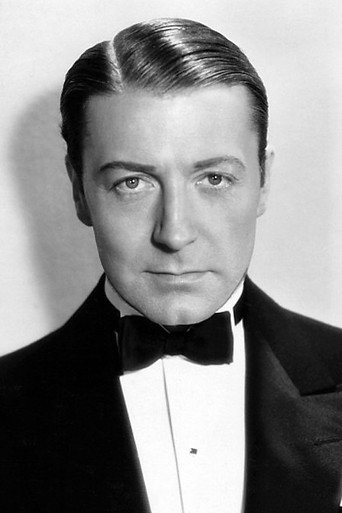 Clive BrookRobert Marryot
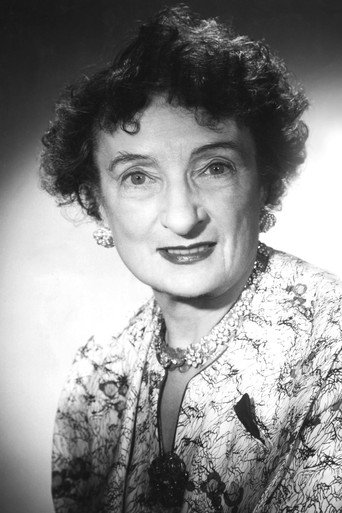 Una O'ConnorEllen Bridges
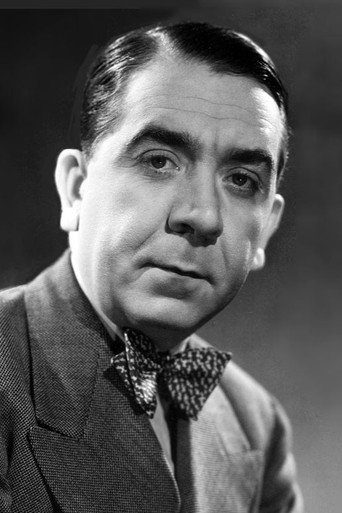 Herbert MundinAlfred Bridges
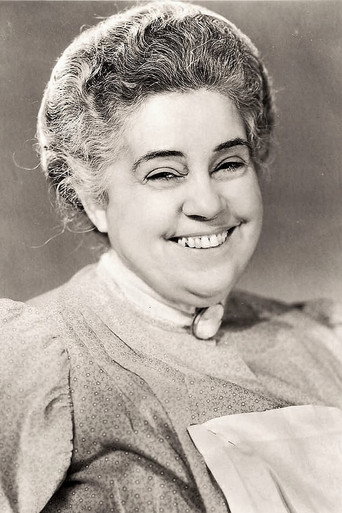 Beryl MercerCook
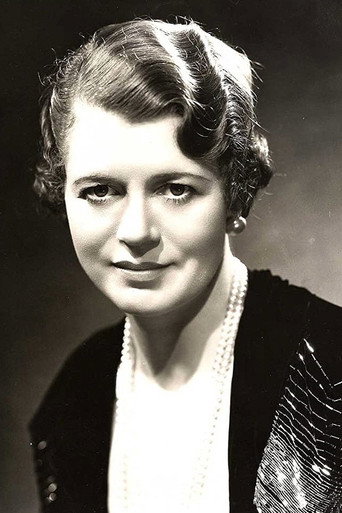 Irene BrowneMargaret Harris
 Tempe PigottMrs. Snapper
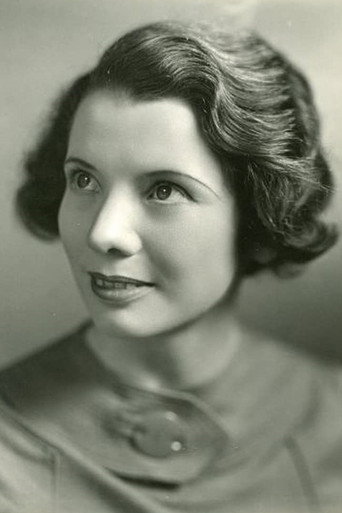 Merle TottenhamAnnie
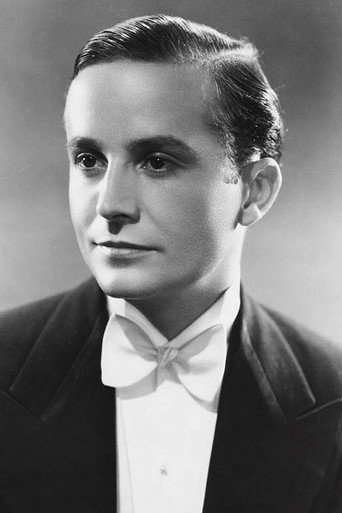 Frank LawtonJoe Marryot
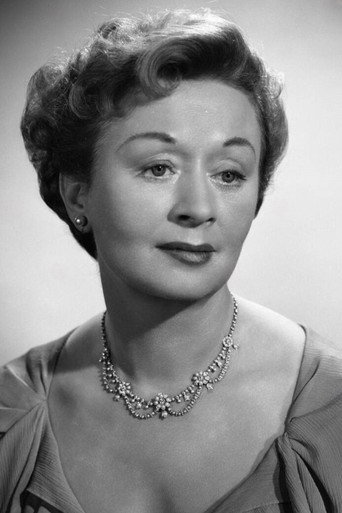 Ursula JeansFanny Bridges
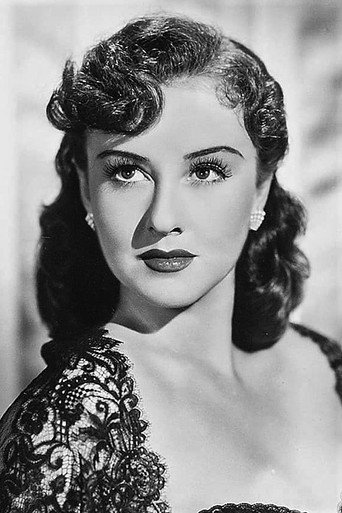 Margaret LindsayEdith Harris
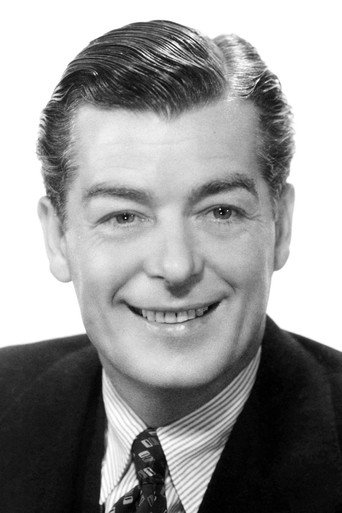 John WarburtonEdward Marryot
Directing
- William TummelAssistant Director
- Sonya LevienContinuity
- Frank LloydDirector
- Sammy LeeStage Director
Writing
- Noël CowardNovel
- Noël CowardScreenplay
- Reginald BerkeleyScreenplay
- Noël CowardWriter
- Reginald BerkeleyWriter
Production
- Jack GainsCasting
- Frank LloydProducer
- Winfield R. SheehanProducer
- Charles WoolstenhulmeUnit Manager