
Film
The White Cliffs of Dover
A 1944 wartime drama following an American woman's life in England across two world wars. Irene Dunne carries this lush, sentimental epic through romance, loss, and maternal anguish, punctuated by an extraordinary poem. It's deeply felt rather than subtle—a love letter to Anglo-American solidarity wrapped in melodrama. For anyone who loves classical Hollywood's emotional generosity.
If you liked this
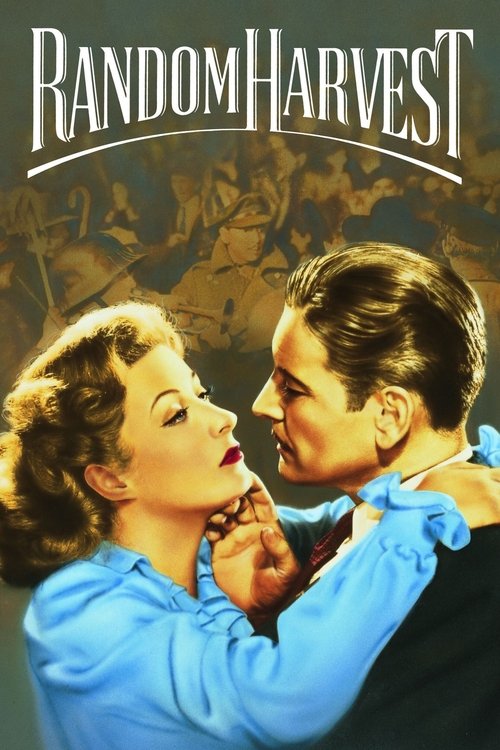
Random Harvest1942
Ronald Colman and Greer Garson in a sweeping amnesia romance that spans decades and continents, with the same lavish MGM production values and emotional stakes as Dover. A masterpiece of classical romance.
But The plot hinges on contrivance, and the pacing demands patience—it's nearly two hours of tearful reunion and slow revelation.
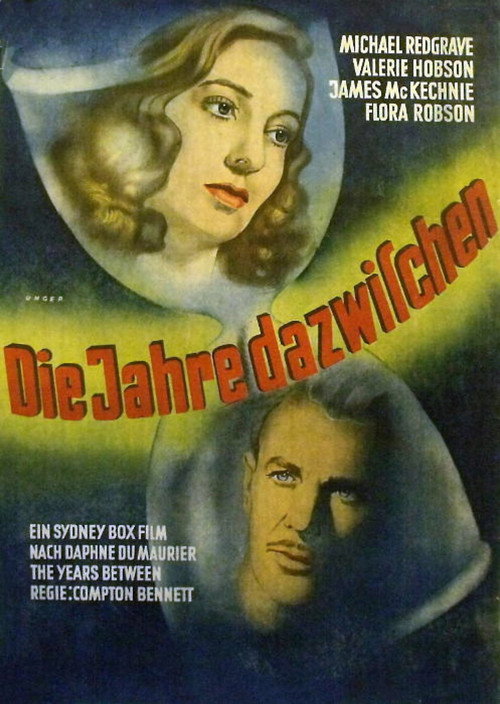
The Years Between1946
Michael Redgrave returns from supposed death in wartime to find his wife has changed; Deborah Kerr navigates identity and loyalty with quiet grace. Post-war British drama with genuine emotional complexity beneath the melodrama.
But It's introspective and slow. The dramatic payoffs are muted rather than cathartic, which can feel unsatisfying if you want bigger emotional moments.
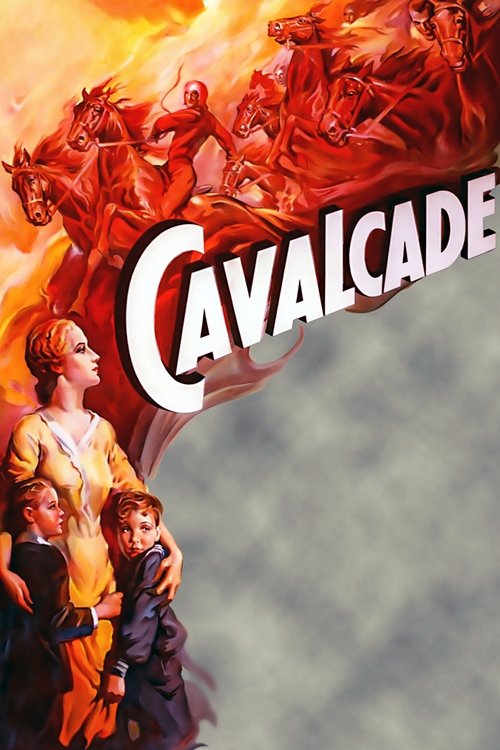
Cavalcade1933
Noel Coward's pageant of a British family across three decades of joy and tragedy, with the same scope and patriotic sentiment. Clive Brook and Diana Wynyard anchor a film that moves you through sheer accumulated humanity.
But It's a series of vignettes rather than a driven plot, and the episodic structure means investment builds slowly. Some scenes feel dated even by 1933 standards.
Not sure tonight? Get a pick in a minute, starting from The White Cliffs of Dover
The wildcard
Something you would not have found on your own.
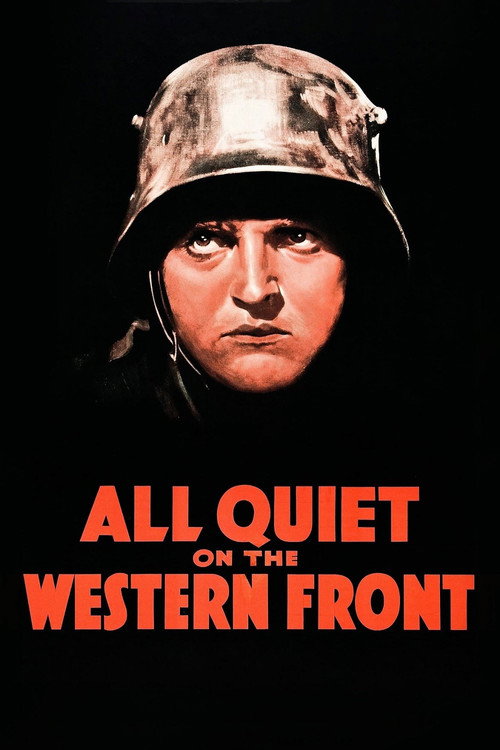
All Quiet on the Western Front1930
Both films use the same war as their crucible, but Dover grieves it from the drawing room while this film indicts it from the mud. They're two halves of a wartime argument.
Remarque's novel becomes Milestone's devastating pacifist epic—the WWI trenches from the soldier's-eye view, visceral and modern for 1930. Dover watches the war from home; this shows what John Ashwood actually faced before he died.
But It's anti-war propaganda made by people who wanted to prevent another war. The didacticism can feel heavy, and the horrors are presented without comfort or redemption.
More like this (8)
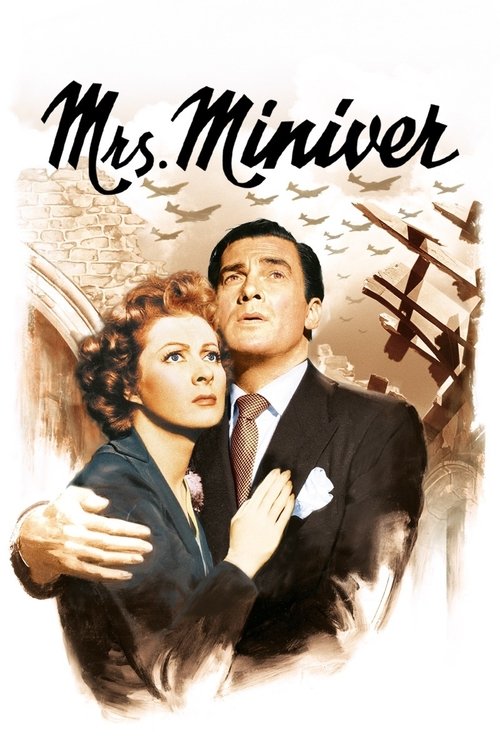
Mrs. Miniver1942
Greer Garson as an English housewife during the Blitz, finding courage in domestic routine and community. Same wartime anxiety, same celebration of quiet British resilience, immaculately made.
But The ending speech feels propagandistic, and Garson's perfection can read as saccharine to modern viewers. It won Best Picture partly because audiences needed reassurance.
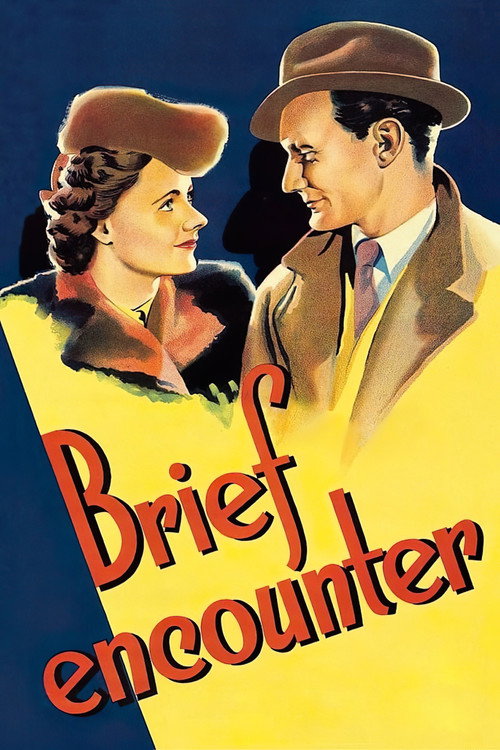
Brief Encounter1945
Celia Johnson and Trevor Howard in Coward and Lean's masterpiece of constrained passion and duty. English restraint has rarely felt so achingly romantic, and the emotional honesty cuts deeper than Dover's surface.
But It's about people *not* getting what they want, ending in resignation. If you watch Dover for the love story, this will devastate you differently.
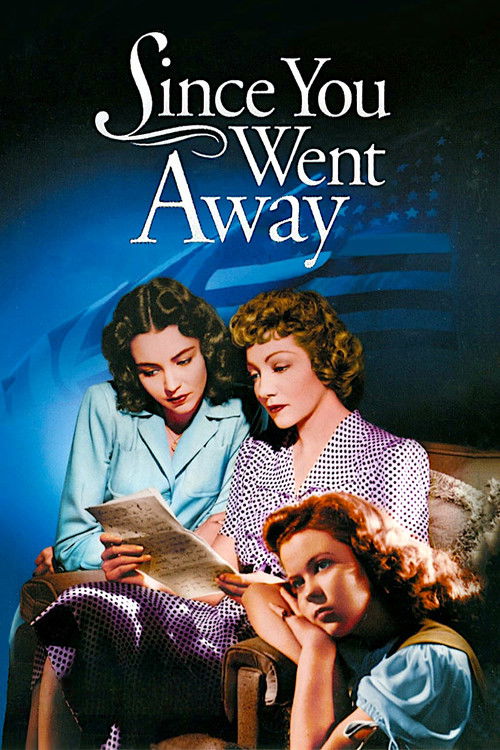
Since You Went Away1944
Claudette Colbert as an American wife holding her family together while her husband fights overseas. Made the same year as Dover, with similar wartime anxiety and the same emphasis on female endurance as patriotic duty.
But It's nearly three hours of domestic management and worry. The tone is relentlessly earnest, and the film sometimes conflates suffering with nobility.
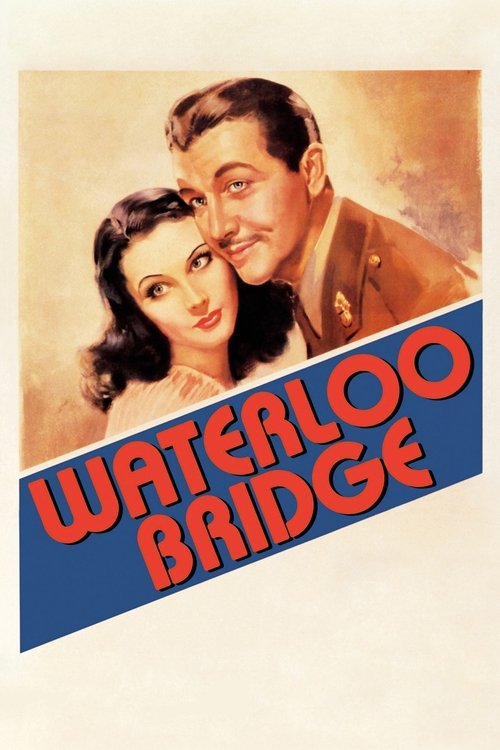
Waterloo Bridge1940
Vivien Leigh and Robert Taylor in a wartime love story shadowed by class and fate. It has the same tragic momentum and the same belief that love can redeem suffering, shot beautifully in black-and-white.
But The moral judgments embedded in the plot feel harsh and dated. Leigh's character arc depends on shame in ways that now read as misogynistic.
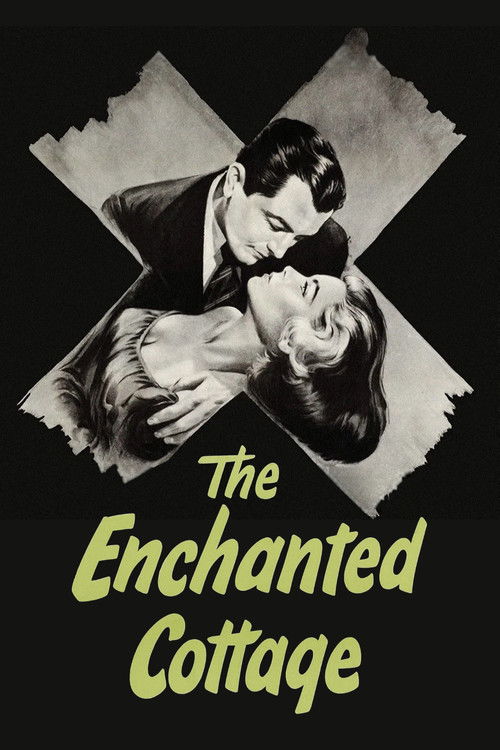
The Enchanted Cottage1945
Herbert Marshall and Dorothy McGuire in a wounded-soldier romance that finds magic in acceptance and second chances. Gentler than Dover, but with the same faith in love's transformative power and the same delicate emotional touch.
But The magical realism elements are presented so subtly you might miss them entirely, and the romance feels thin if you're not buying the premise.
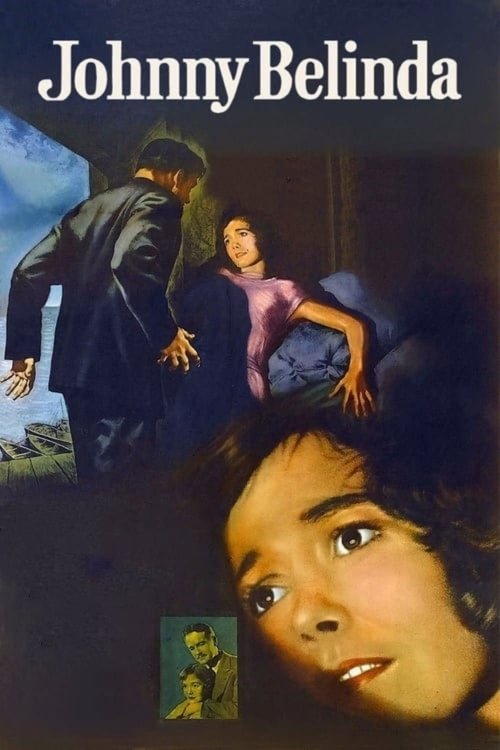
Johnny Belinda1948
Jane Wyman as a deaf woman who finds voice and agency through love and community. Post-war drama with real emotional substance beneath the Hollywood gloss, and Wyman's performance is extraordinary.
But It moves deliberately and depends on your patience with rural, small-scale storytelling. The third act resolves quickly after building slowly for ninety minutes.
The Remains of the Day1993
Both films ask what it means to be English, and both answer: sacrifice. But where Dover canonizes that sacrifice as virtue, Remains suggests it's a mutilation. They're the same story told with opposite conclusions.
Anthony Hopkins as an English butler whose entire life has been deformed by duty and restraint. Like Dover, it's about what England demands of its people—but here the cost is rendered as tragedy, not nobility. Lean, precise, devastating.
But Nothing happens. Two people in a car reflect on the past. If you need plot, this will bore you. The emotional register is so muted some viewers mistake it for empty.

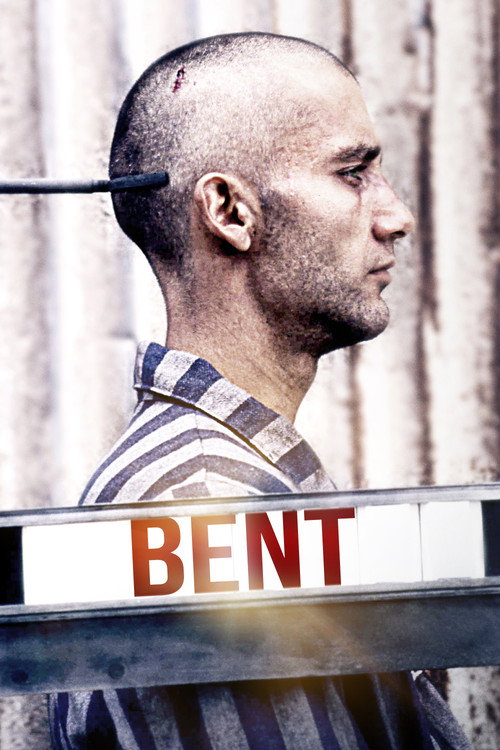
Bent1997
Both films believe love is a form of resistance and survival, but Bent strips away the comfort of distance. Dover watches love from outside; Bent insists you watch from inside.
Ian McKellen and Clive Owen as lovers in a Nazi concentration camp—a play-to-film adaptation that channels classical theatrical passion into extremity. Like Dover, it's about love enduring through catastrophe, but it refuses sentiment or distance. Raw, urgent, morally serious.
But It's graphically violent and sexually explicit. It's also relentlessly dark—there's no triumph, only witness. The theatrical style can feel mannered rather than intimate on film.
People
Cast
 Irene DunneSusan Dunn
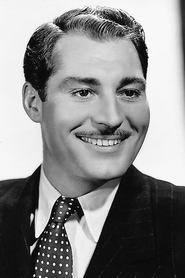 Alan MarshalJohn Ashwood
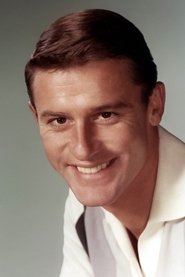 Roddy McDowallJohn Ashwood II as a Boy
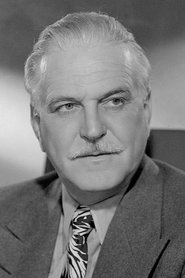 Frank MorganHiram Porter Dunn
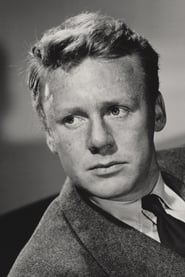 Van JohnsonSam Bennett
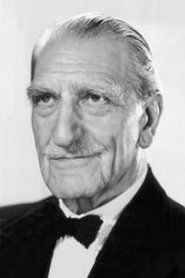 C. Aubrey SmithWalter Forsythe
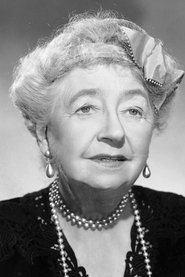 May WhittyNanny
 Gladys CooperJean Ashwood
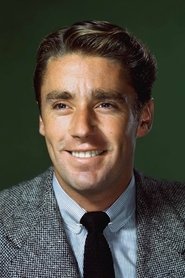 Peter LawfordJohn Ashwood II as a Young Man
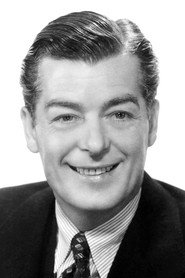 John WarburtonReggie Ashwood
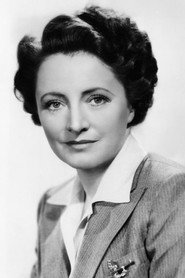 Jill EsmondRosamund
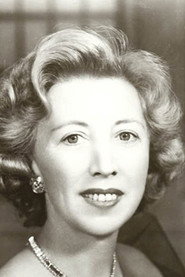 Brenda ForbesGwennie
Directing
- Al JenningsAssistant Director
- Clarence BrownDirector
Writing
- Claudine WestScreenplay
- George FroeschelScreenplay
- Jan LustigScreenplay
Production
- Clarence BrownProducer
- Sidney FranklinProducer
- Lou SmithPublicist