
Film
Random Harvest
Ronald Colman's shell-shocked amnesiac and Greer Garson's music-hall star build a marriage from nothing, then watch the past reach in and take it away. MGM shoots it like a cathedral—gauzy light, swelling strings, decades folding into two hours—so the tragedy lands as pure feeling rather than plot mechanics. For anyone who wants to be quietly wrecked by good manners and better crying.
Should you watch it?
Watch it if you like melodrama that takes its time and trusts a love story to carry the weight, with the old-fashioned sweep of studio-era craft and two leads who play restraint beautifully.
Skip it if you want brisk pacing or cynicism, because it is openly sentimental and unembarrassed about tears across a 125-minute runtime.
What it asks of you: Settle in for a long, unhurried stretch of courtship and memory, where the emotion builds gradually and the pleasure lies in letting the story take its full time.
Not sure? Find tonight's pick in a minute.
If you liked this
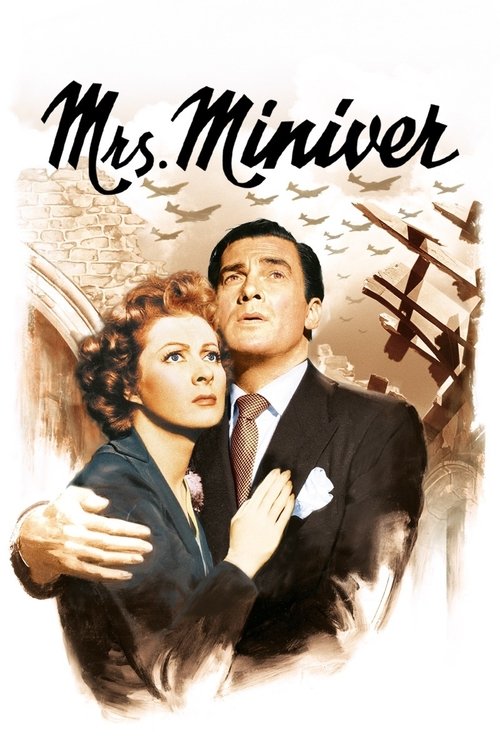
Mrs. Miniver1942
Garson at the absolute peak of her stiff-upper-lip radiance, in the other great home-front weepie of 1942—the one where she doesn't have to forget anyone, the war just tries to take everything anyway.
But The propaganda intent is unmistakable, and some scenes now play more like a recruitment poster than drama.
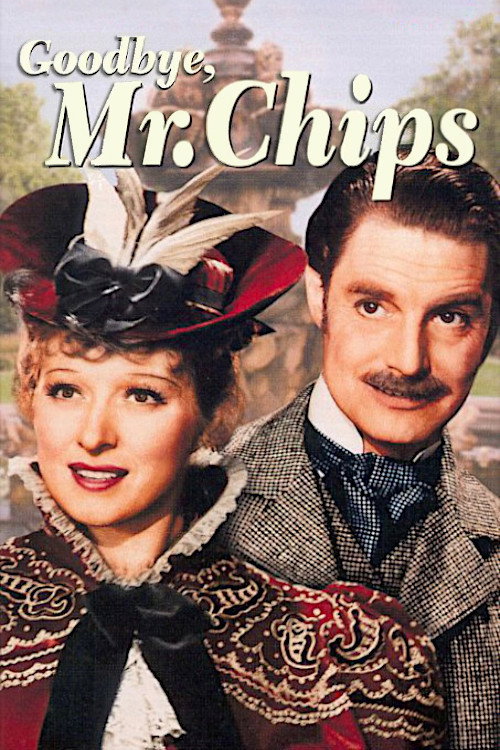
Goodbye, Mr. Chips1939
Same studio's appetite for whole decades collapsing into a single life, with Robert Donat winning an Oscar for making gentleness absolutely devastating.
But It trades romantic ache for a slower, sadder meditation on an entire life passing—less immediate heartbreak, more accumulated one.
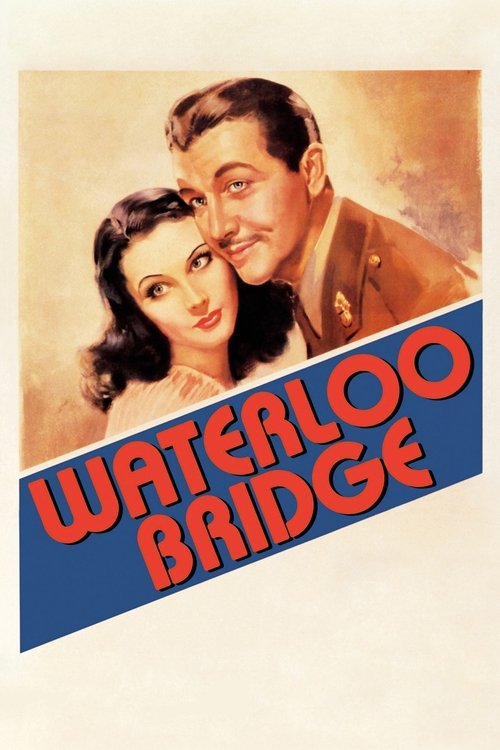
Waterloo Bridge1940
Vivien Leigh and Robert Taylor, London blackout, a wartime romance built on secrets instead of memory loss—same tearjerker architecture, same period, even more doomed.
But It's bleaker and more fatalistic than Random Harvest; there's no cosmic mercy waiting at the end.
Not sure tonight? Get a pick in a minute, starting from Random Harvest
The wildcard
Something you would not have found on your own.
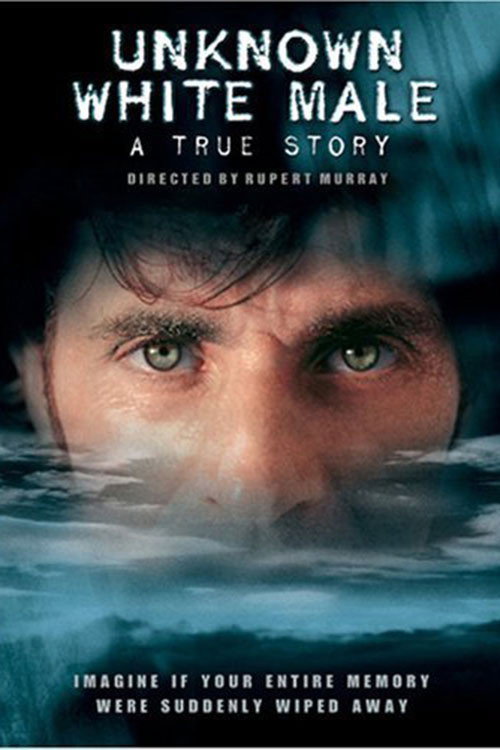
Unknown White Male2005
Random Harvest treats amnesia as a doorway to romance; this is the same premise stripped of narrative mercy, showing what total memory loss does to a real family when nobody's writing the ending.
A real man really loses his entire past on a New York subway platform, and this documentary sits with what that actually does to love, family and identity—no swelling strings, just the unbearable strangeness of starting over.
But It's slow, unresolved and genuinely unsettling in a way fiction never has to be; there's no tidy ending waiting.
More like this (8)
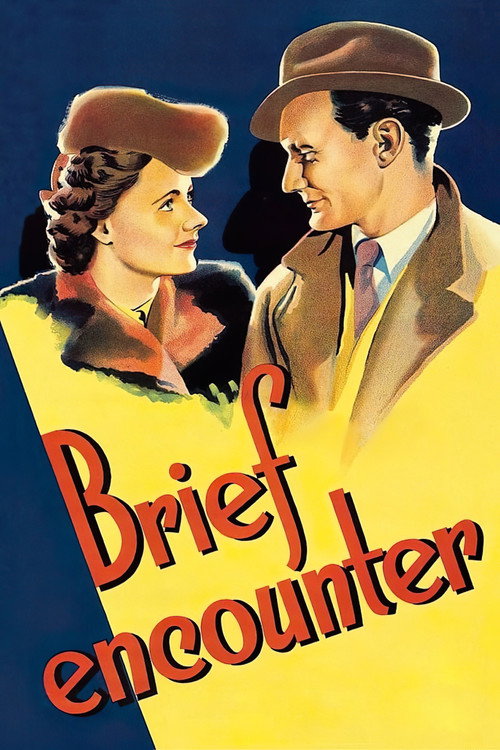
Brief Encounter1945
British reserve turned into a weapon of heartbreak—two ordinary people falling for each other with nowhere to put it, told with the same aching restraint and swelling Rachmaninoff.
But No amnesia, no grand structure, just quiet almost-adultery and railway platforms—a much smaller canvas.
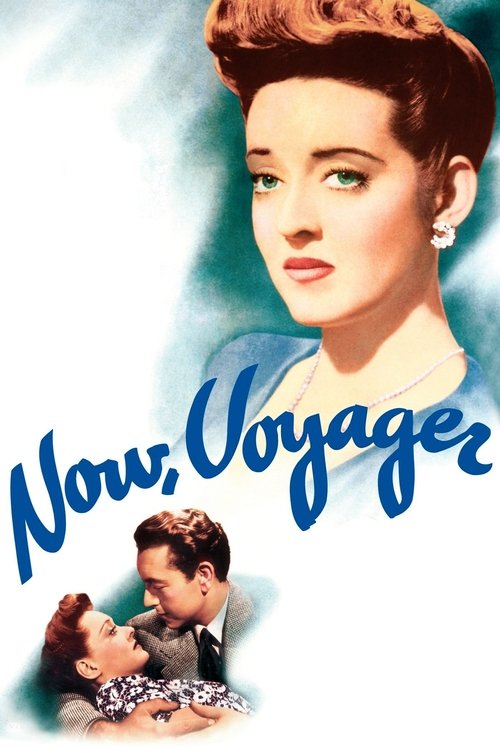
Now, Voyager1942
Same year, same studio gloss, same conviction that love can remake a person entirely—Bette Davis transformed, cigarettes lit two at a time, strings swooning throughout.
But The obstacle here is family and self rather than memory, so the emotional mechanics feel quite different.
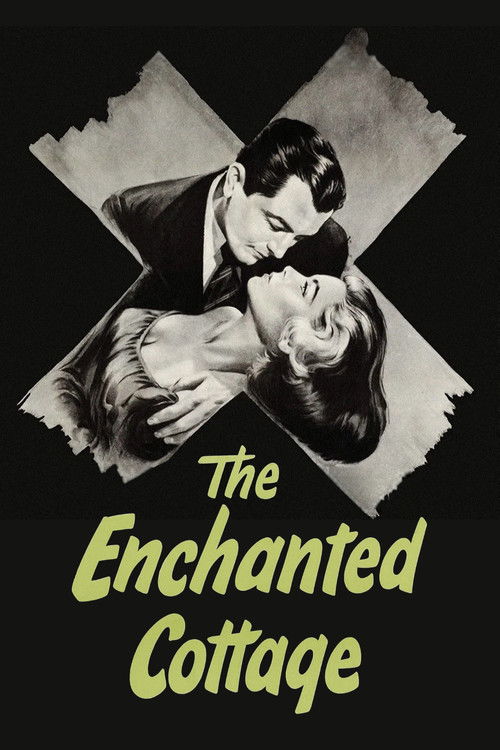
The Enchanted Cottage1945
A gentler cousin: two damaged people whose love literally changes how the world sees them, filmed with the same soft-focus faith that romance can heal almost anything.
But It leans fully into fairy-tale logic where Random Harvest at least gestures at realism.
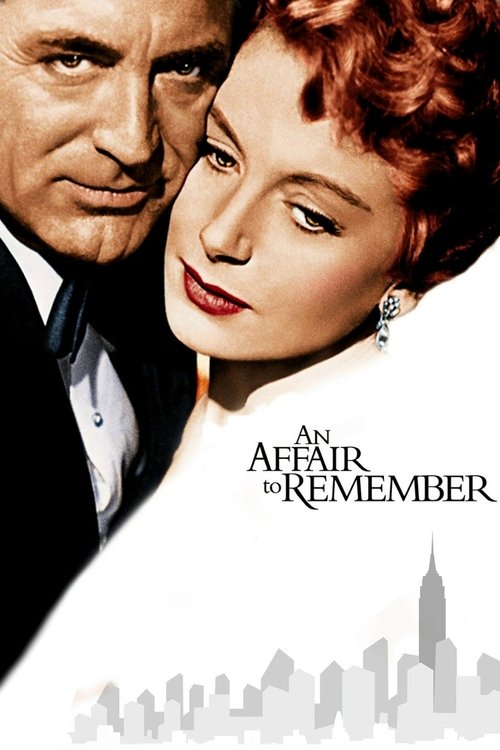
An Affair to Remember1957
Cary Grant and Deborah Kerr kept apart by circumstance and secrecy rather than memory—the same slow, dreadful, will-they-recognize-what-they-had machinery, in gorgeous CinemaScope colour.
But It's sunnier and more openly romantic; the melancholy is softer, the stakes more sentimental than tragic.
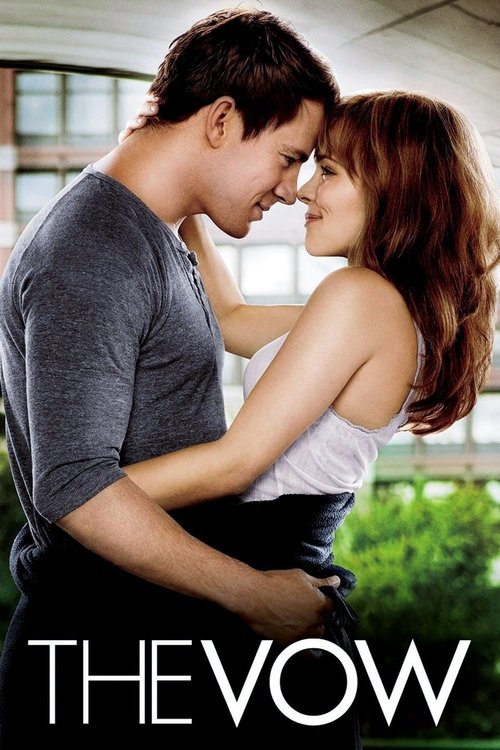
The Vow2012
The glossy modern descendant—Rachel McAdams forgets her husband entirely after an accident, asking the same question Random Harvest does: can you fall in love with someone twice?
But A contemporary studio romance with none of the old craft or restraint—expect acoustic guitar, not Herbert Stothart strings.
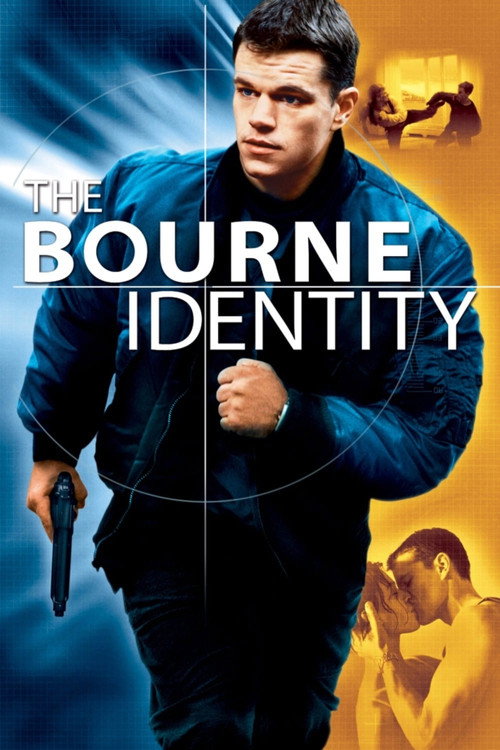
The Bourne Identity2002
Proof the amnesia premise survives a total genre transplant—swap the drawing rooms for gunfights and you still get a man piecing together who he loved and who he was.
But All action, no ache—Bourne's memory loss serves plot momentum, not tears, so don't expect the emotional wallop.
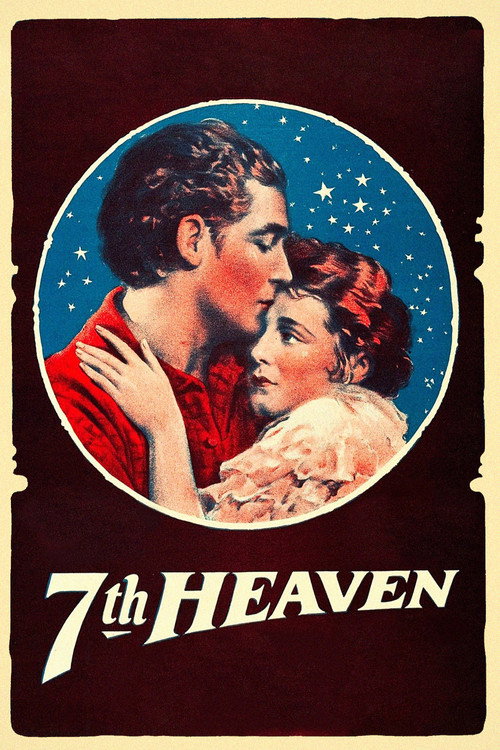
7th Heaven1927
Same engine—lovers separated by war and circumstance, reunited by something close to faith rather than memory—except it's silent, does all its crying through faces and title cards, and got there first.
One of the great silent romances—gorgeous, unashamedly sentimental, and proof Hollywood was already perfecting the star-crossed-by-war weepie a full fifteen years before Colman and Garson got there.
But Silent film demands a patience some viewers don't have, and its earnestness is even less ironic than Random Harvest's.
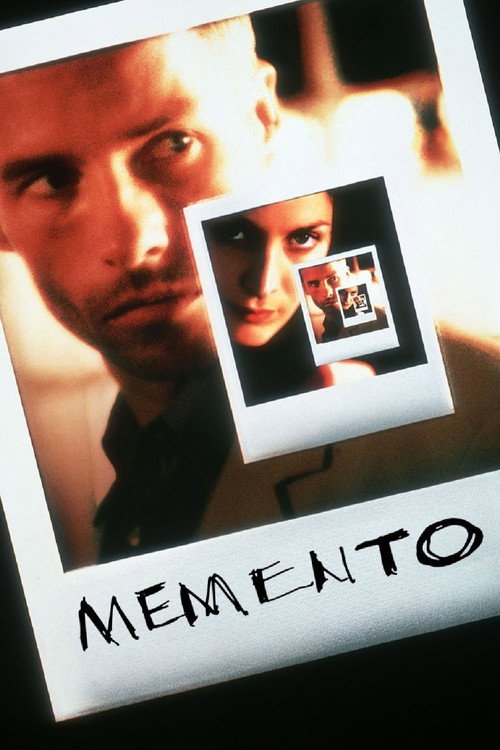
Memento2000
Same core question—who are you without your memory, and can love or loyalty survive the gap—rebuilt as a fractured, backwards-running noir instead of a lush period romance.
Guy Pearce's memory resets every few minutes, turning the amnesia premise into a puzzle-box thriller about identity, grief and vengeance rather than romance—cold, inventive, and genuinely unforgettable structure.
But It's deliberately disorienting and nihilistic where Random Harvest is warm; if you want catharsis, this offers dread instead.
People
Cast
 Ronald ColmanCharles Rainier
 Greer GarsonPaula
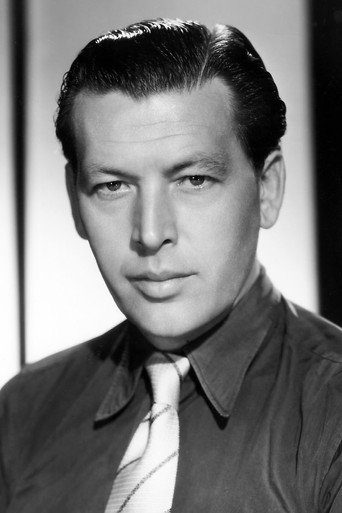 Philip DornDr. Jonathan Benet
 Susan PetersKitty
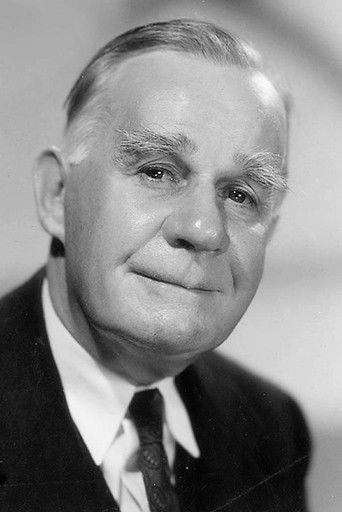 Henry TraversDr. Sims
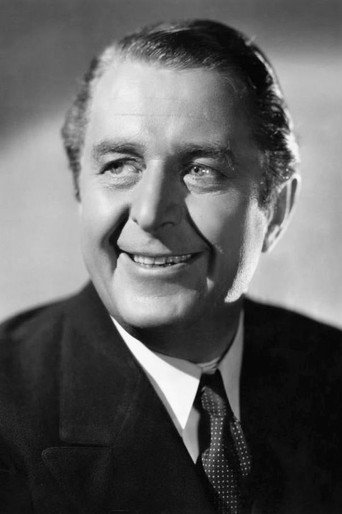 Reginald Owen"Biffer"
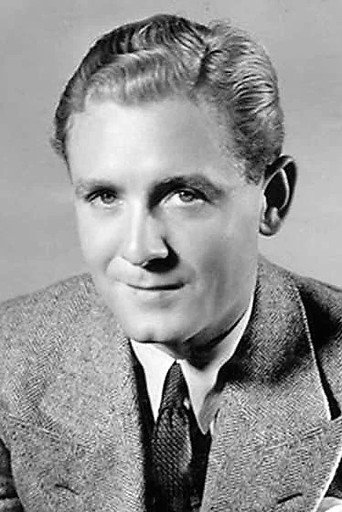 Bramwell FletcherHarrison
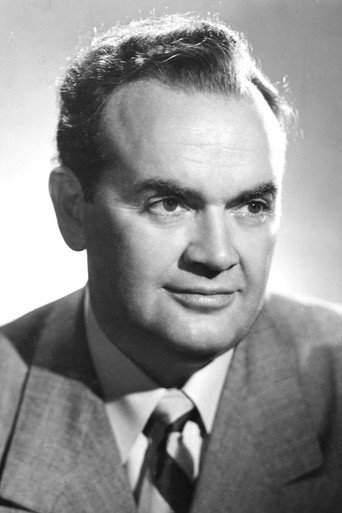
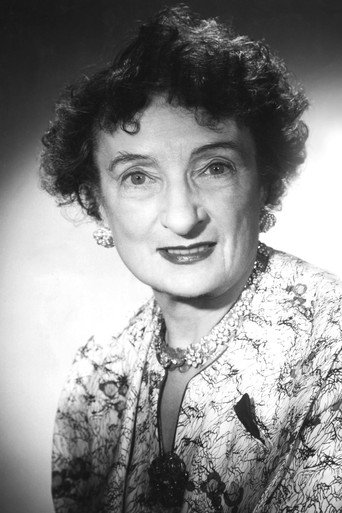 Una O'ConnorTobacconist
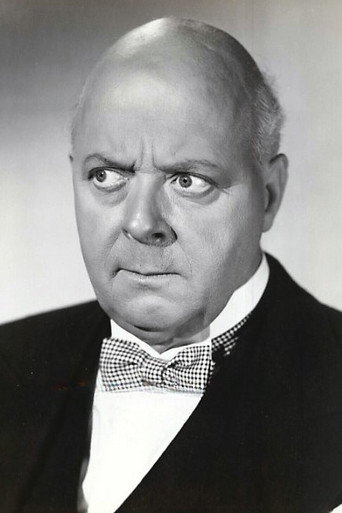 Aubrey MatherSheldon
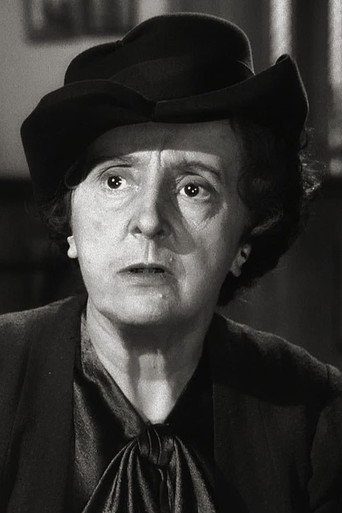 Margaret WycherlyMrs. Deventer
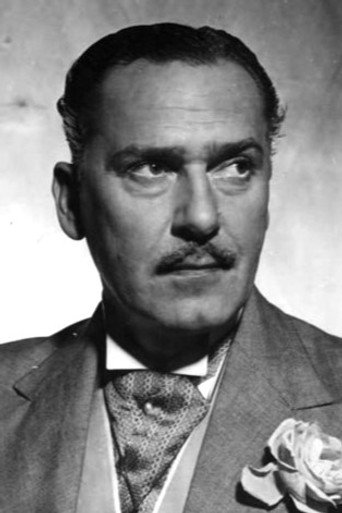 Arthur MargetsonChetwynd
Directing
- Mervyn LeRoyDirector
Writing
- James HiltonNovel
- Arthur WimperisScreenplay
- Claudine WestScreenplay
- George FroeschelScreenplay
Production
- Sidney FranklinProducer
Recommended by
Brief Encounter, Letter from an Unknown Woman, Mrs. Miniver, Spider-Man: Brand New Day, Goodbye, Mr. Chips, Spellbound, A Guy Named Joe, 50 First Dates, Dark Victory, The Man Without a Past, Sommersby, Magnificent Obsession, Désirée, The White Cliffs of Dover