
Film
Magnificent Obsession
Other titles called Magnificent Obsession: the 1935 film.
Magnificent Obsession is peak Douglas Sirk: a reckless playboy's careless mistake kills a beloved doctor, and his guilt curdles into a secretive campaign of redemption disguised as love. Shot in swooning Technicolor and scored to the rafters, it's less interested in plausibility than in big feelings — sacrifice, faith, transformation. Unashamedly sincere, gorgeous to look at, and built entirely to make you cry.
Should you watch it?
Watch it if you love melodrama played with total sincerity, where big emotions, lush studio gloss and a reckless man's slow turn toward decency are the whole point.
Skip it if you find slow, earnest sentiment and a large-scale romantic style hard to sit through, since the film takes its time and rarely undercuts its own tears.
What it asks of you: Nearly two hours at an unhurried pace, emotion turned high, little room for irony, so you must surrender to its sincerity rather than keep it at arm's length.
Not sure? Find tonight's pick in a minute.
If you liked this
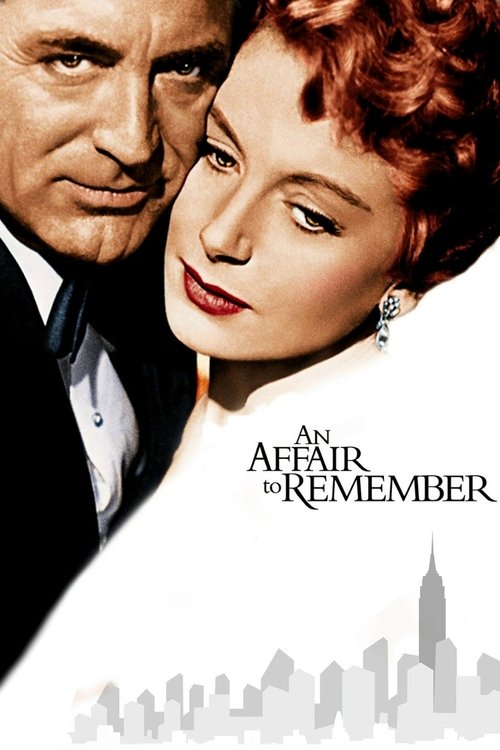
An Affair to Remember1957
The same emotional trick — a reckless charmer forced to confront the damage he's done, a woman's disability standing between them and happiness — played with just as much lush conviction and one of cinema's great swoony endings.
But You'll see the ending coming from the harbor; the sentimentality is turned up just as high, with none of Sirk's visual wit to soften it.
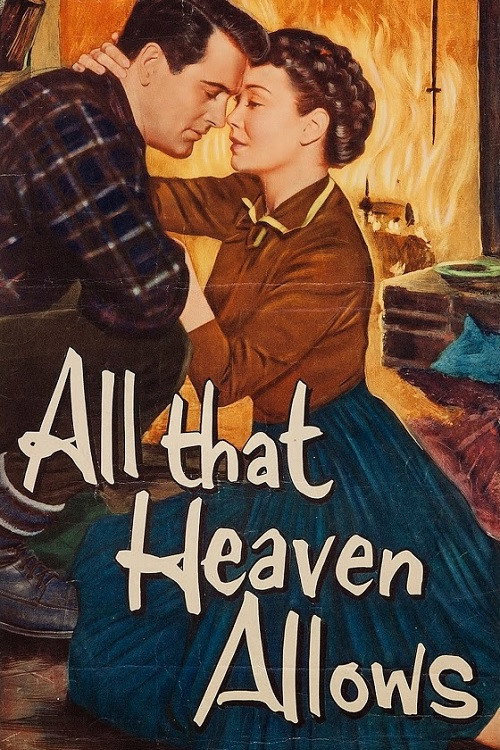
All That Heaven Allows1955
Sirk reunites Hudson and Wyman a year later for another forbidden, class-crossed romance, this time aimed at suburban hypocrisy rather than guilt — arguably his most purely beautiful film, and just as emotionally rigged.
But If you found Magnificent Obsession's earnestness hard to take, this one doubles down on the melodrama with even less plot to hide behind.
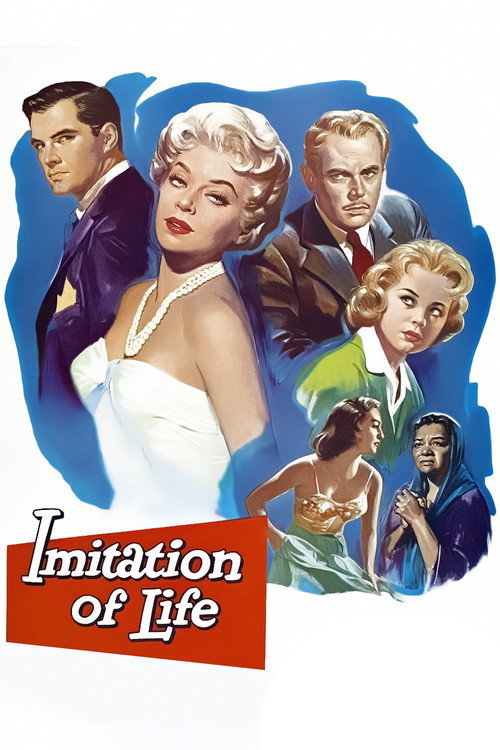
Imitation of Life1959
Sirk's final American film trades a car-crash-guilt plot for one about race, motherhood and passing, but keeps the same glossy surface hiding real anguish underneath — his most devastating work.
But The melodrama gets heavier and the subject matter — a mother rejected for being Black — hits differently now than it did in 1959.
Not sure tonight? Get a pick in a minute, starting from Magnificent Obsession
The wildcard
Something you would not have found on your own.
Ikiru1952
Both are about a man trying to redeem a wasted life through secret, selfless acts of giving — Magnificent Obsession's mystical philosophy of quiet philanthropy finds its most serious cousin here, minus the romance and the Technicolor gloss.
Kurosawa's quietly devastating drama about a dying bureaucrat's last attempt to do one good thing before he dies treats the same idea — redemption through unseen generosity — with a rigor and sorrow Sirk never attempted.
But It's black-and-white, subtitled, nearly three hours, and offers none of the swoony romance or lush color that makes Magnificent Obsession go down easy.

More like this (8)
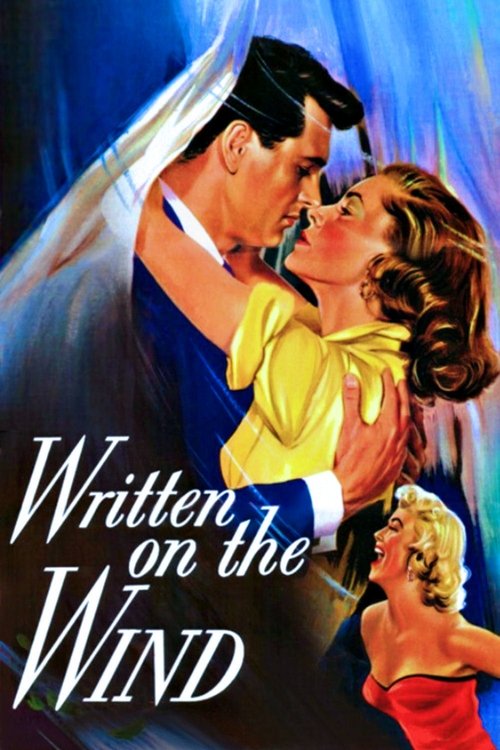
Written on the Wind1956
More Sirk, but turned up to eleven — oil money, alcoholism, and jealousy replace Merrick's guilt, proving the director could do trashy as gorgeously as he did noble.
But It's pulpier and meaner than Magnificent Obsession, with less interest in redemption and more in watching rich people destroy each other.
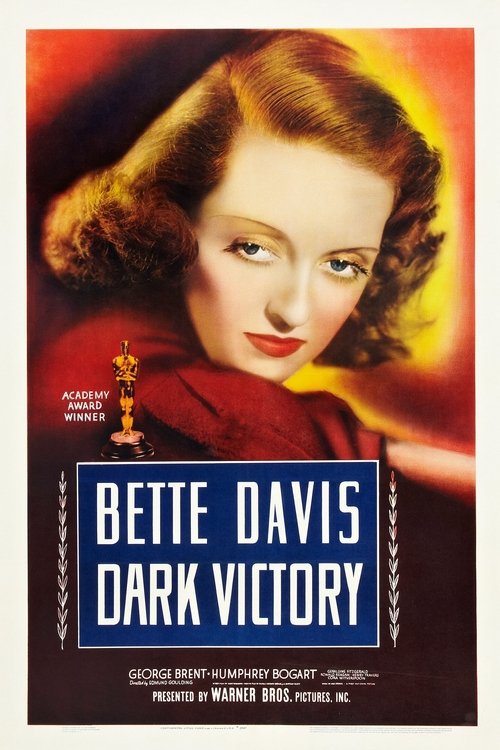
Dark Victory1939
Bette Davis faces a terminal diagnosis with the same brave, luminous suffering Jane Wyman brings to blindness — an earlier, harder-edged blueprint for the noble-illness weepie.
But It's fifteen years older and starker in black and white, without Sirk's Technicolor cushioning to soften the blow.
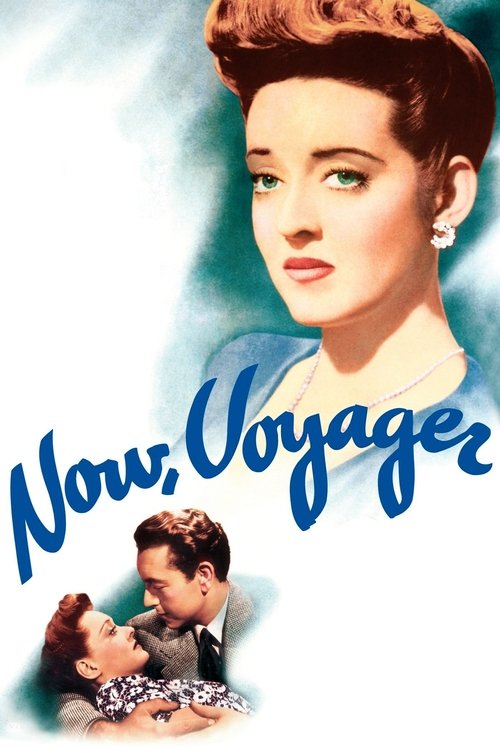
Now, Voyager1942
Another transformation story — an unhappy woman remade by love and self-possession — with Bette Davis doing the emotional heavy lifting Wyman does here, plus one of the most quoted closing lines in Hollywood.
But It's a slower burn, more about a woman's liberation than a man's redemption, and the romance takes longer to arrive.
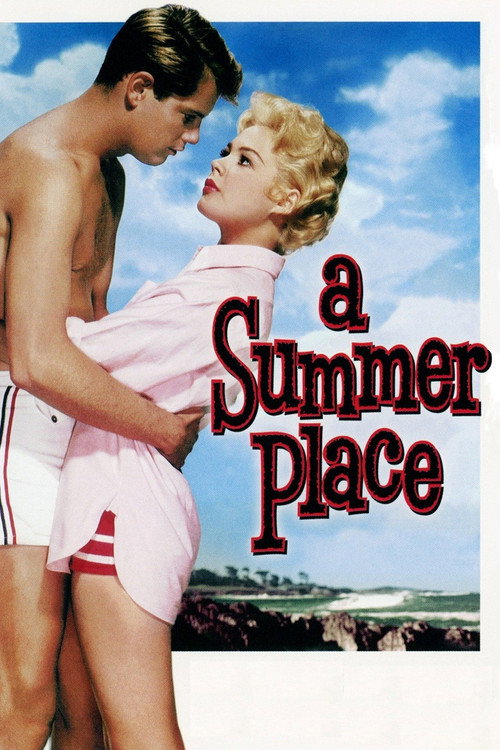
A Summer Place1959
If you want more Technicolor, string-swelling, doomed-feeling 1950s romance without the guilt plot, this one delivers pure widescreen yearning and a theme song you'll be humming for days.
But It's thinner and soapier, with teenagers doing most of the suffering instead of world-weary adults.
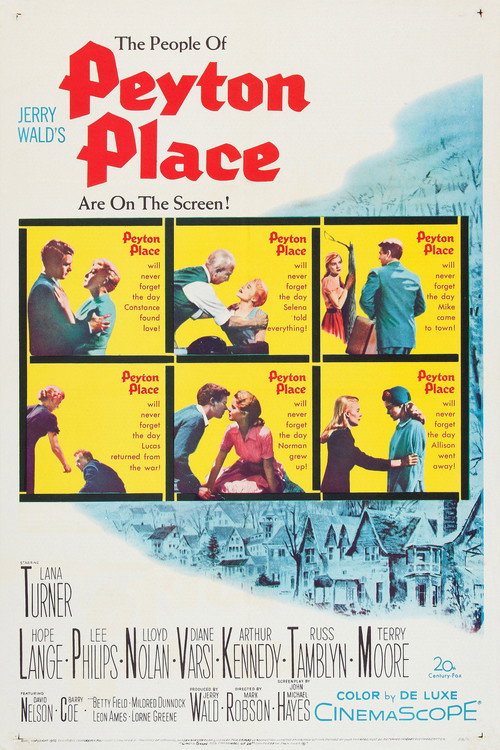
Peyton Place1957
Small-town secrets, scandal and repressed desire simmer under a glossy New England surface — the era's other great melodrama, just as interested in what respectability hides.
But It's an ensemble soap rather than one couple's story, so the focused intensity of Merrick and Helen's romance gets spread thin.
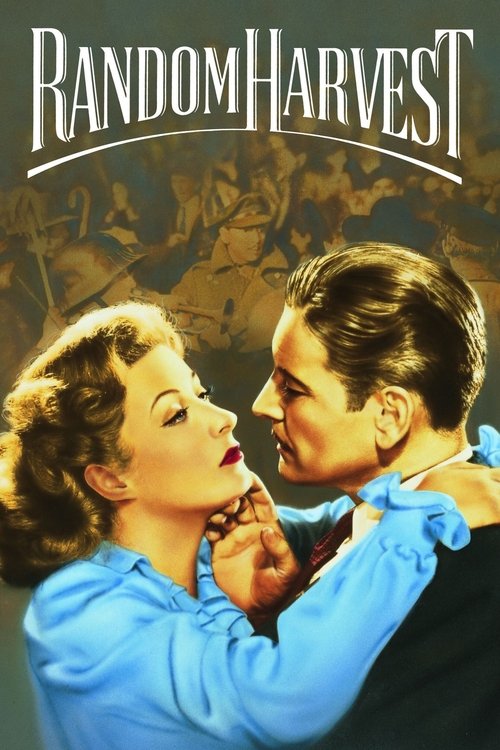
Random Harvest1942
An earlier, stranger tearjerker about memory loss and devoted love, proving Hollywood's appetite for implausible, wildly moving obsession stories didn't start with Sirk.
But The amnesia plot asks for even more suspension of disbelief than a resuscitator subplot, and the pacing is slower and stagier.
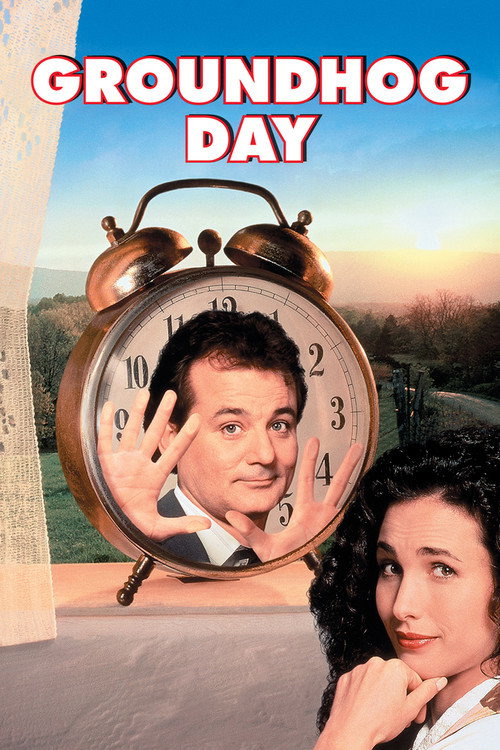
Groundhog Day1993
Swap the resuscitator for a repeating alarm clock and Bob Merrick's guilt-driven self-improvement becomes Phil Connors' — both are selfish men nudged into decency through secret acts of care for people who don't know they're being helped.
Same engine, opposite mood: a vain man is forced to loop through his own life until selfishness curdles into quiet, unnoticed generosity — the funniest version of this redemption arc you'll ever see.
But If you want your redemption stories delivered straight and tearful rather than through time-loop comedy, this will feel like a tonal bait-and-switch.
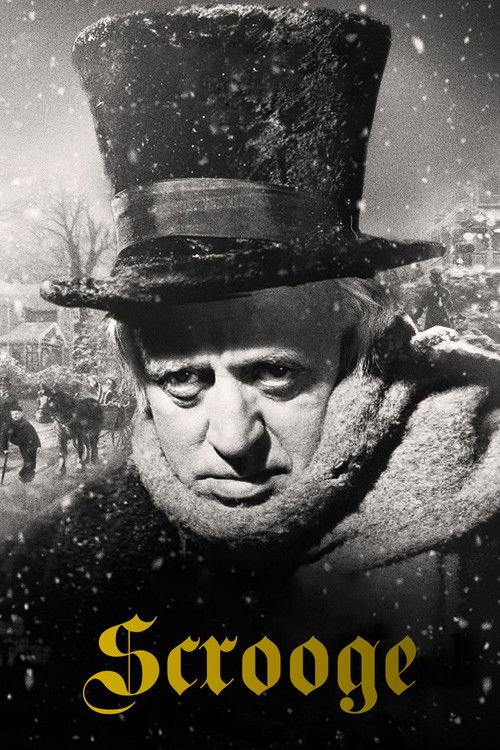
Scrooge1951
Both are about a hard or careless man reformed into a secret benefactor by a mentor figure who shows him what his money and attention could actually do — Edward Randolph's quiet lessons play the same role here as three ghosts.
This beloved British adaptation runs the same transformation — miser to secret philanthropist — through supernatural visitation instead of guilt and grief, and does it with a warmth that's held up for seventy years.
But It's a Christmas ghost story rather than a romance, so if you came for the Hudson-Wyman chemistry, this offers none of that.
People
Cast
 Jane WymanHelen Phillips
 Rock HudsonBob Merrick
 Barbara RushJoyce Phillips
 Agnes MooreheadNancy Ashford
 Otto KrugerEdward Randolph
 Gregg PalmerTom Masterson
 Paul CavanaghDr. Henry Giraud
 Sara ShaneValerie Daniels
 Richard H. CuttingDr. Derwin Dodge
 Judy NugentJudy
 Helen KleebMrs. Eden
 Rudolph AndersDr. Albert Fuss
Directing
- Gordon McLeanAssistant Director
- William HollandAssistant Director
- Douglas SirkDirector
Writing
- Wells RootAdaptation
- Lloyd C. DouglasNovel
- Sarah Y. MasonOther
- Victor HeermanOther
- Robert BleesScreenplay
Production
- Ross HunterProducer
Recommended by
All That Heaven Allows, Written on the Wind, Dark Victory, Susan Slade, The Gypsy Moths, Raintree County, Sincerely Yours, Pasión de Gavilanes, Stella Dallas, Once a Thief, Becky Sharp, Margie, Interrupted Melody