
Film
Margie
- Romance
- Light-hearted
A charming 1946 comedy about a woman looking back on her wild, romantic teenage years in the 1920s. Margie is bright and mischievous, full of jazz-age energy and genuine affection for the people around her. It's all warmth and fizz—a film that loves its characters and trusts you to fall for them too. Perfect if you want something that's cheerful without being saccharine.
If you liked this
Singin' in the Rain1952
The same buoyant energy and deep affection for its own era. Gene Kelly and Donald O'Connor's joy is contagious, and it celebrates the 1920s and early cinema with the same kind of genuine love Margie has for its world.
But It's elaborate and showstopping in ways that can feel distant. Some find the musical numbers interrupt rather than enhance the story.

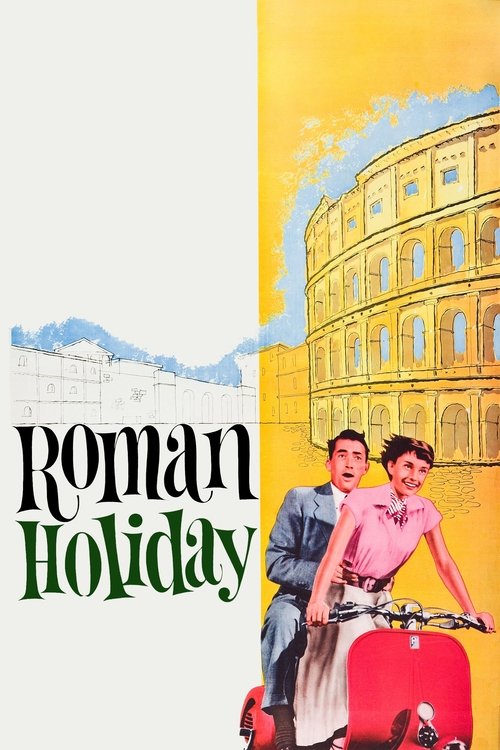
Roman Holiday1953
Another film about a young woman discovering love and the world with warmth and fizz. Audrey Hepburn's brightness and the chemistry between leads mirrors Margie's charm without feeling like a copy.
But It's more self-consciously romantic and a bit sadder in its bones. If you want pure lightness, the ending may sting a little.
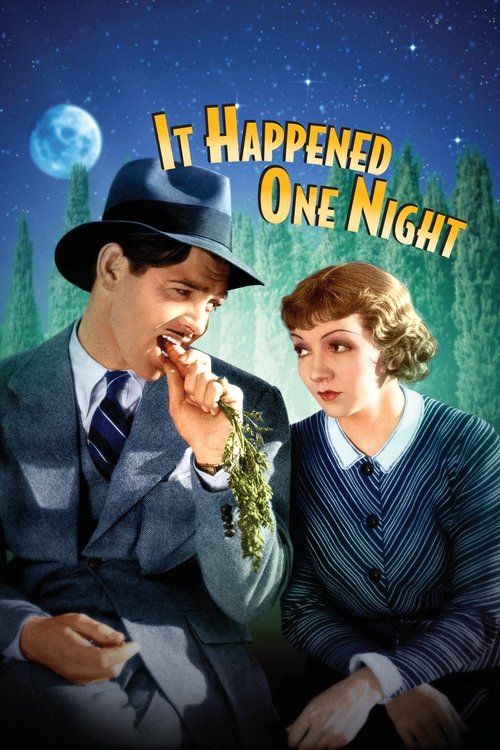
It Happened One Night1934
The screwball ancestor that made banter and mismatched romance into an art form. Clark Gable and Claudette Colbert crackle together in ways that show why the Hollywood romance comedy works.
But The pacing is brisk almost to the point of breathlessness. It assumes you're keeping up with rapid-fire dialogue and constant movement.
Not sure tonight? Get a pick in a minute, starting from Margie
The wildcard
Something you would not have found on your own.
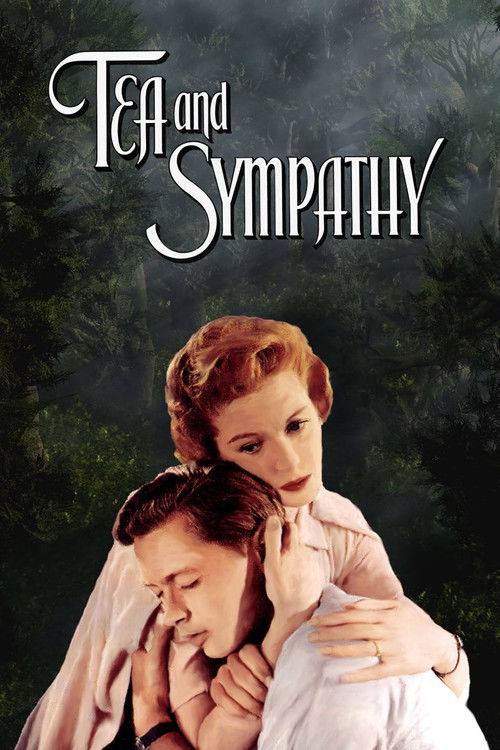
Tea and Sympathy1956
Both films use forbidden attraction between student and older figure as a lens to explore coming-of-age, but where Margie keeps things light and romantic, this one goes into real psychological and moral territory.
A film about a young man at boarding school and his forbidden love for an older woman—the inverse of Margie's student-teacher romance. Deborah Kerr brings genuine warmth to a morally ambiguous situation, and the film trusts the audience to understand complexity.
But It's far more serious and deals with sexual anxiety and homophobia in ways that Margie avoids entirely. The ending is quieter and sadder. It requires emotional stamina.
More like this (8)
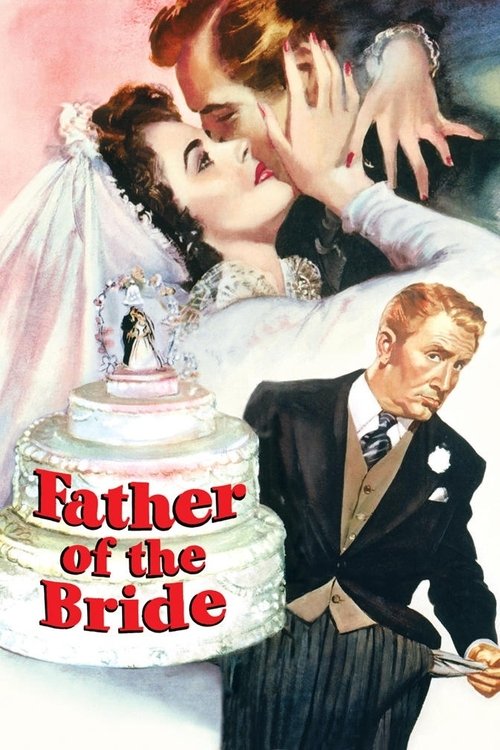
Father of the Bride1950
Another post-war comedy about family and romance that finds genuine comedy in everyday moments. Spencer Tracy is warm and funny, and the film has Margie's gift for making ordinary people delightful.
But It's more focused on parental anxiety than courtship. The sentiment about family can feel heavy-handed to modern ears.
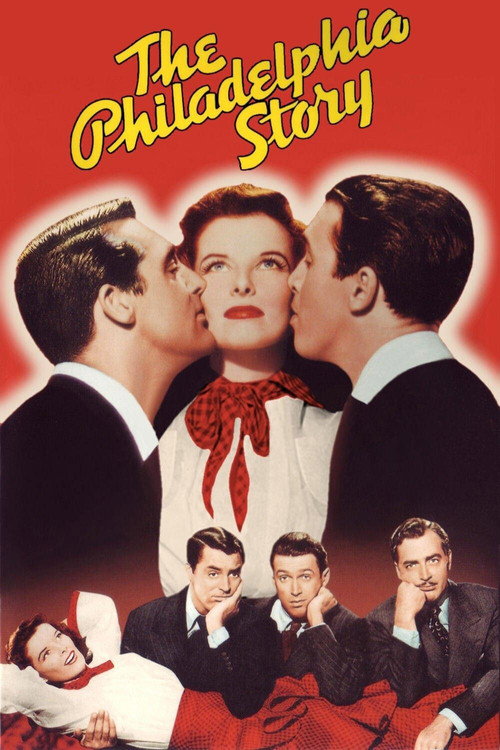
The Philadelphia Story1940
Cary Grant, Katharine Hepburn, and Jimmy Stewart in a romantic comedy that's genuinely intelligent and funny. It proves the genre could be sophisticated without losing its heart.
But It's long and somewhat mannered. The pace is stately, and the humor relies on wit that requires attention.
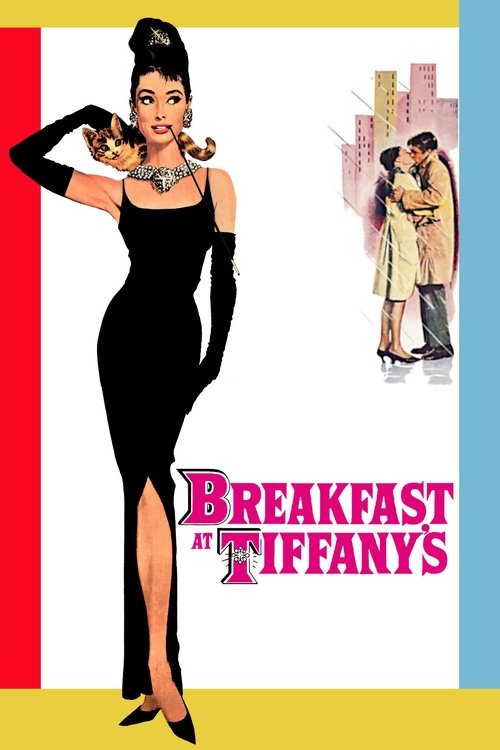
Breakfast at Tiffany's1961
Audrey Hepburn again, but older and more complex—a romantic comedy that's also about loneliness and belonging. It has Margie's warmth but more psychological depth.
But It's dated in some of its portrayals and social attitudes. The romance is secondary to Hepburn's luminous performance and the film's melancholy.
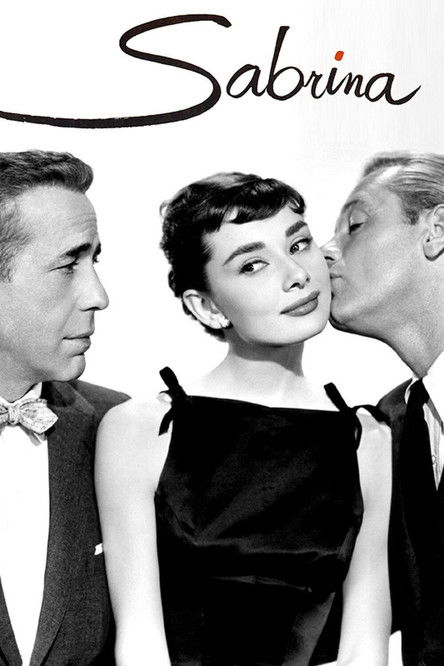
Sabrina1954
Audrey Hepburn again—she and Billy Wilder understood romantic comedy as character study. It's funny and touching and has a wonderful sense of place and class.
But It's slower than Margie and more interested in emotional complexity than rapid-fire gags. The romance feels harder-won.
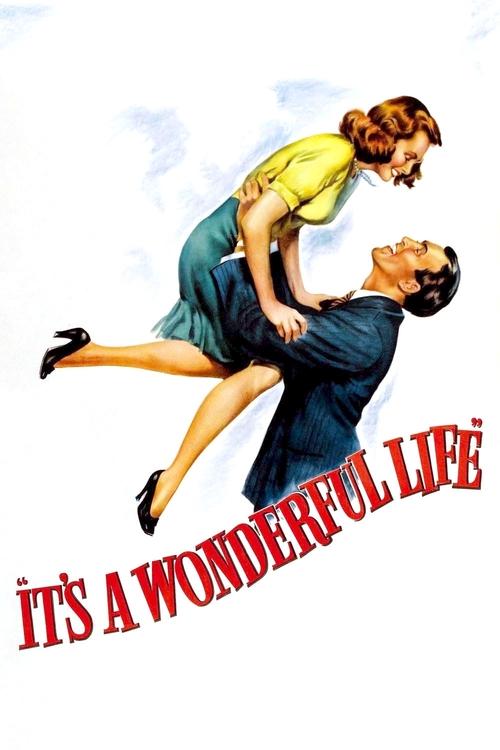
It's a Wonderful Life1946
Made the same year as Margie, it shares that post-war warmth and faith in small-town American life. Frank Capra and James Stewart create something genuinely moving about ordinary goodness.
But It's longer and more serious than Margie, and the sentimental weight can feel oppressive on modern viewing. The sentiment about sacrifice is no longer comfortable.
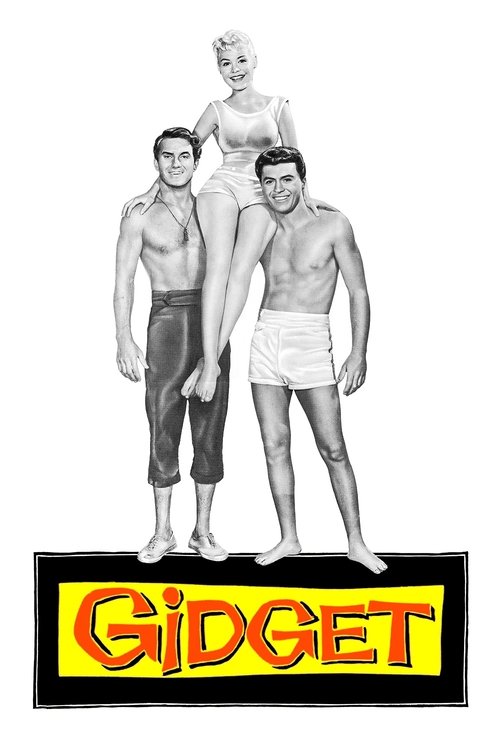
Gidget1959
Another film about a teenage girl discovering the world and herself, with genuine humor and affection. Sandra Dee is bright, and the California setting has the same sun-soaked charm as Margie's jazz age.
But It's thinner in character and plot. The surfing-culture backdrop feels dated, and the boy-chasing plot is more central than in Margie.
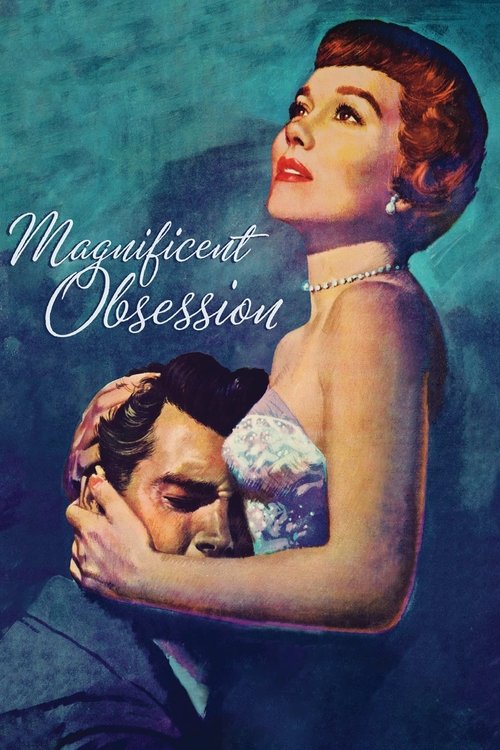
Magnificent Obsession1954
Both are women-centered films about romantic discovery and transformation, but Magnificent Obsession pushes emotional stakes much higher and trades comedy for genuine pathos.
A melodrama that, like Margie, centers on a woman's interior life and her romantic awakening. Rock Hudson and Jane Wyman create genuine feeling beneath the soap-opera premise. It's unashamed about emotion in ways that reward genuine investment.
But It's deeply melodramatic—the plot involves blindness, secret charity, and coincidence. The earnestness can feel ridiculous to viewers looking for irony or distance.
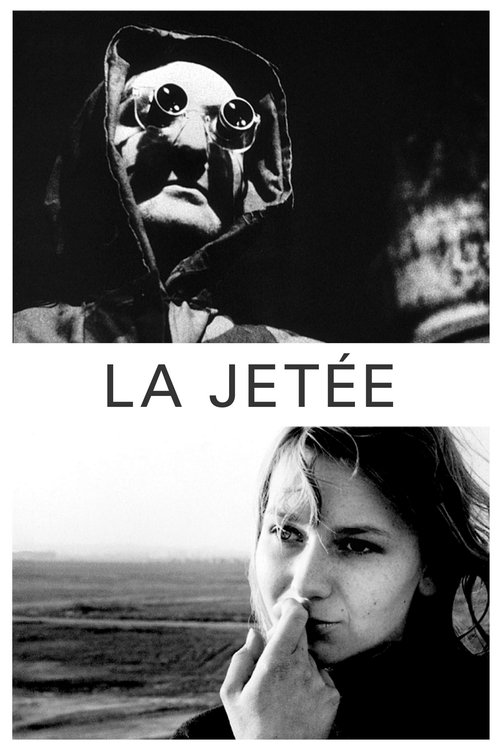
La Jetée1962
Both films are structured as memories—Margie looks back fondly on adolescence, while La Jetée explores how love transcends time itself. One is warm nostalgia; the other is existential heartbreak about the same subject.
A science-fiction meditation on memory and love told almost entirely through still photographs. It's only 28 minutes, hypnotic, and explores how we live inside our pasts—the same emotional core as Margie's retrospective framing, but in a completely unexpected form.
But It's avant-garde and fragmented. There's no conventional plot or character development. The melancholy is profound and can feel abstract. Some find it beautiful; others find it cold.
People
Cast
 Jeanne CrainMarjorie "Margie" MacDuff
 Glenn LanganProf. Ralph Fontayne
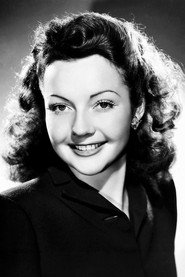 Lynn BariMiss Isabel Palmer
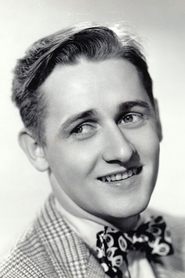 Alan YoungRoy Hornsdale
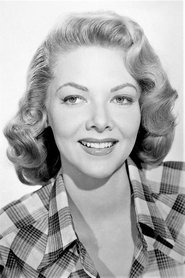 Barbara LawrenceMarybelle Tenor
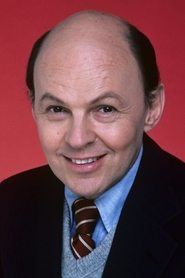 Conrad JanisJohnny "Johnikins" Green
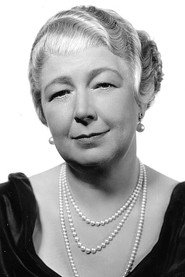 Esther DaleGrandma McSweeney
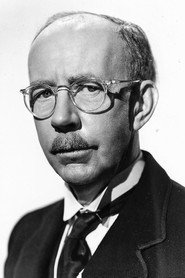 Hobart CavanaughMr. Angus MacDuff
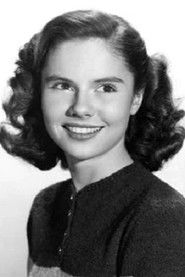 Ann E. ToddJoyce Fontayne
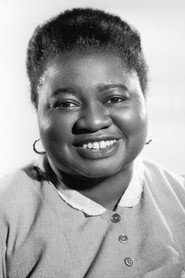 Hattie McDanielCynthia
- Gurney BellOff-Screen Singer (voice) (uncredited)
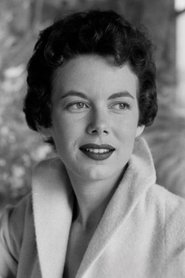 Vanessa BrownWanda (uncredited)
Directing
- Howard W. KochAssistant Director
- Joseph C. BehmAssistant Director
- Stanley HuffAssistant Director
- Henry KingDirector
Writing
- F. Hugh HerbertScreenplay
- Richard BranstenStory
- Ruth McKenneyStory
Production
- Walter MoroscoProducer
- Robert WebbProduction Manager
- Frances C. RichardsonResearcher
Recommended by
The Detective, December Bride, Andy Hardy Gets Spring Fever, Summer Wishes, Winter Dreams