
Film
The Detective
Frank Sinatra plays a New York detective investigating a brutal murder that unravels corruption, sexual coercion, and institutional rot. It's a grimy, morally confused procedural—less interested in solving crime than in the machinery that prevents justice. For fans of cynical 1960s crime cinema who want their heroes compromised.
If you liked this
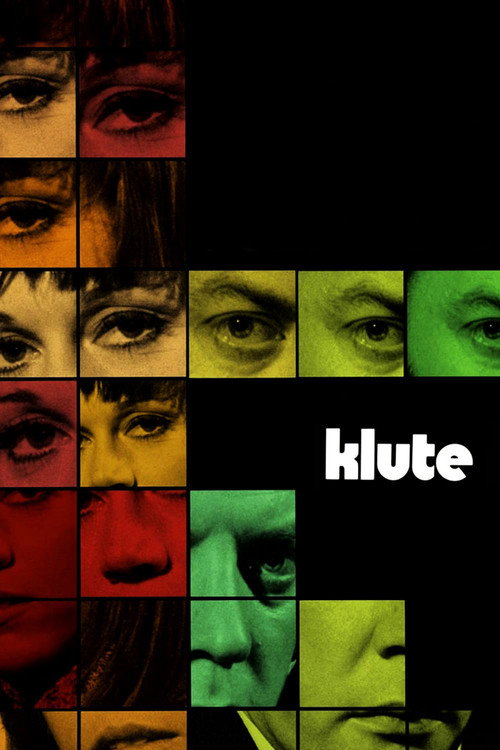
Klute1971
Donald Sutherland's detective follows a missing-person trail into sex work and surveillance. Paranoid, intimate, and anatomized—a masterclass in how films can make you *feel* watched and unsafe.
But It moves with deliberate slowness and offers ambiguity instead of resolution. Some find it glacial; others call that precision.
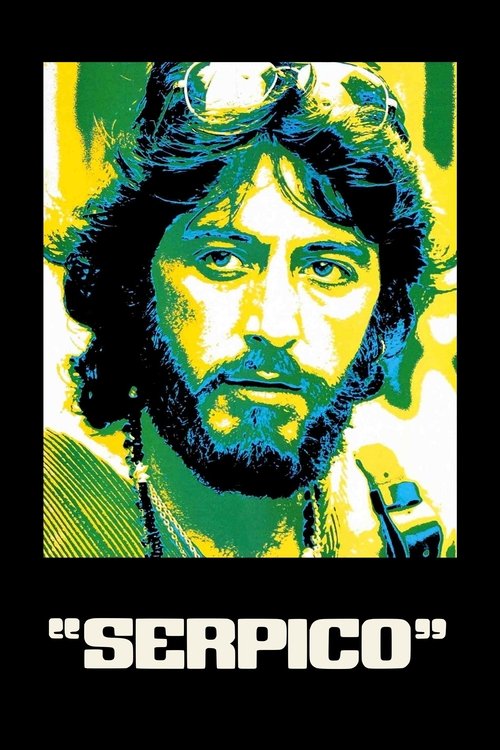
Serpico1973
Al Pacino as a whistleblowing cop in a department so corrupt it consumes him. Rawer and more furious than The Detective, with a hero who actually fights back—but pays for it.
But It's didactic and occasionally heavy-handed. The moral clarity works against it feeling as lived-in as it might.
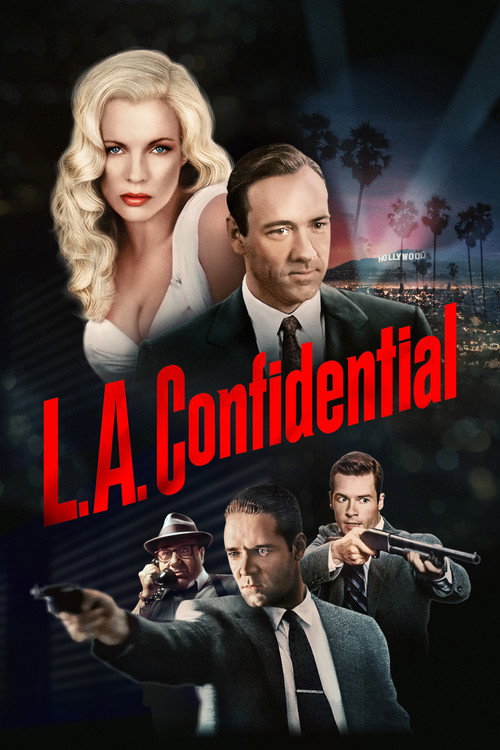
L.A. Confidential1997
Three detectives navigate 1950s Los Angeles vice, privilege, and competing loyalties. Taut, stylish, and genuinely thrilling—corruption shown as system, not just individual sin.
But It's polished in a way 1960s procedurals aren't. The sleekness can feel like distance if you want messier realism.
Not sure tonight? Get a pick in a minute, starting from The Detective
The wildcard
Something you would not have found on your own.
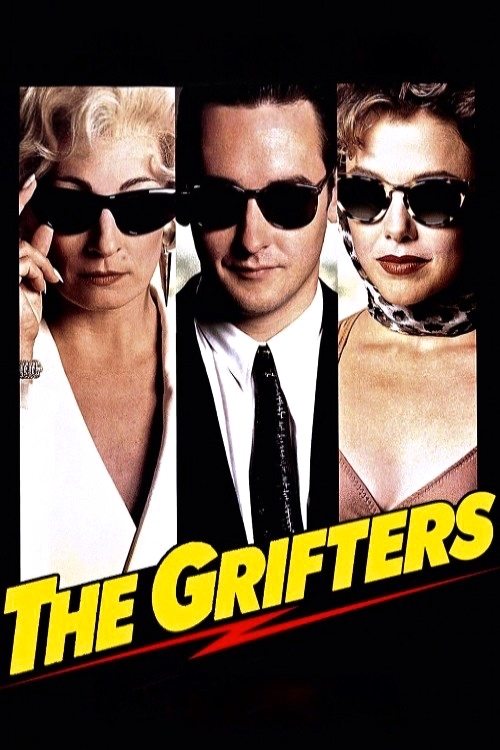
The Grifters1990
Both films see institutional New York/Los Angeles as fundamentally corrupt, but The Grifters asks: what if the criminals are simply more honest about it than the cops?
John Huston's last film: con artists in Los Angeles where every relationship is predation and no one is trustworthy. Same city, similar moral sickness, but filtered through crime cinema's opposite pole—the criminal's perspective instead of the cop's.
But It's cynical without redemption and the sexual violence is casual and brutal. No one to root for, and style is more important than plot.
More like this (6)
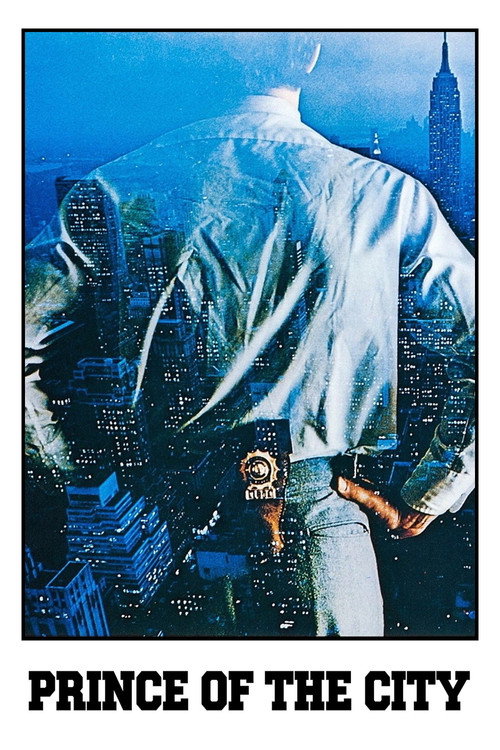
Prince of the City1981
Treat Williams as a narcotics detective informing on his own unit. Sprawling, exhausting, documentary-textured—the best film about how institutions destroy the people inside them.
But It's 167 minutes and demands you stay with moral degradation throughout. Some find it punishing rather than cathartic.
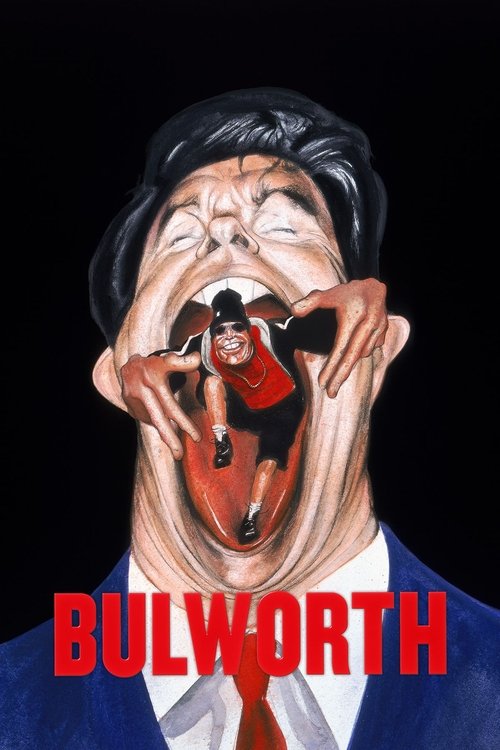
Bulworth1998
Warren Beatty's California politician has a breakdown and starts speaking truth about race, sex, and institutional racism. Savage satire wrapped in hip-hop and genuine anger about systems that corrupt.
But Tone is chaotic—comedy and rage don't always mesh. It swings wildly and some swings land harder than others.
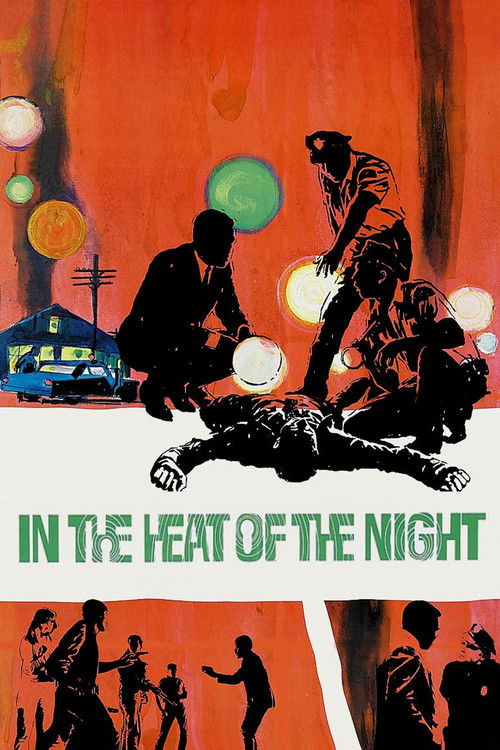
In the Heat of the Night1967
Sidney Poitier's detective confronts Southern racism and Northern hypocrisy while solving a murder. Urgent, dignified, and structurally brilliant—a procedural that never lets you forget what's at stake.
But It's a problem-solving detective story first. If you want ambiguity and institutional rot, it's more hopeful than The Detective offers.
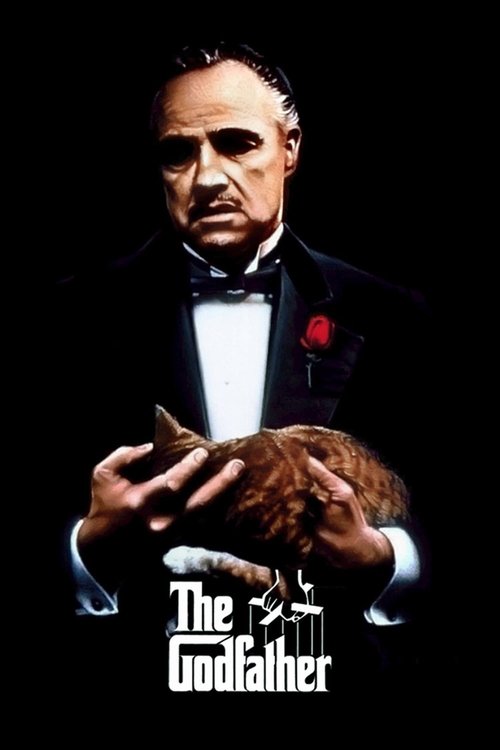
The Godfather1972
Coppola's epic shows power as corruption, family as crime, and violence as language. If you want institutional rot shown with tragic grandeur, this is where American cinema went instead.
But It's operatic and three hours long. The seduction of power might feel like endorsement, and the aesthetics can overshadow the argument.
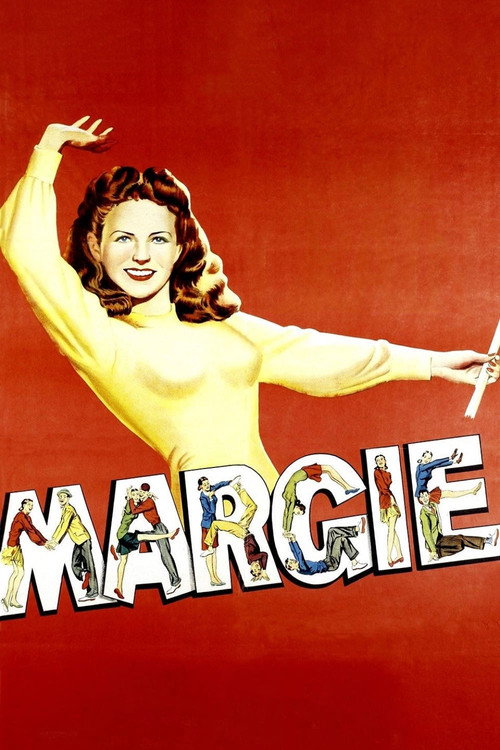
Margie1946
Both pivot on how institutions (police, courts, society) fail the accused or guilty. Margie does it accidentally, through innocence and genre confusion; The Detective does it systematically, through corruption. Different eras, opposite approaches to the same moral void.
A teenage girl in the 1920s finds a gun, accidentally shoots her boyfriend. It's a technicolor high-school comedy that bumps into manslaughter and institutional indifference. Tonally dissonant and odd—earnest morality wrapped in fizzy style.
But It's a 1940s studio film that doesn't know how to hold tragedy and comedy together. Some find it charming; others find it crass.
Memories of Murder2003
Both films refuse to let the murder-solving be the point. Sinatra's cop is compromised by the system he serves; Bong's detectives are destroyed by pressure to *appear* to serve it. Same corruption, examined through two very different cinematic languages.
Bong Joon-ho's Korean serial-killer procedural: detectives chasing a killer through a system that obscures truth with pressure to close cases. Brilliant, funny, and devastating—police work shown as performance and desperation, not justice.
But It's subtitled and does not offer Western procedural comfort. The killer remains partly unsolved, and the film's point is that certainty itself is a lie.

People
Cast
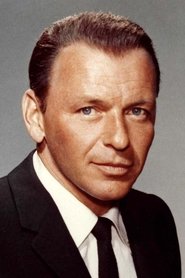 Frank SinatraDet. Sgt. Joe Leland
 Lee RemickKaren Wagner Leland
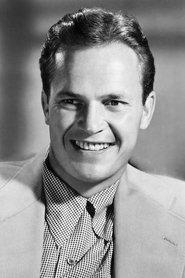 Ralph MeekerCurran
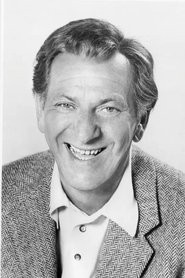 Jack KlugmanDave Schoenstein
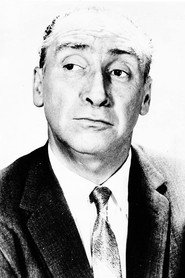 Horace McMahonCapt. Tom Farrell
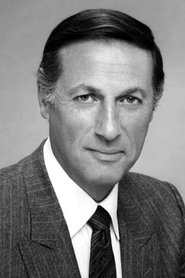 Lloyd BochnerDr. Wendell Roberts
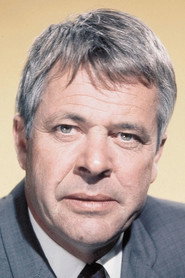 William WindomColin MacIver
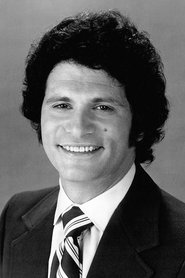 Tony MusanteFelix Tesla
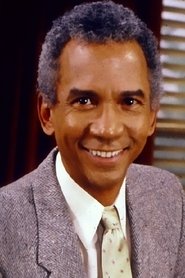 Al Freeman Jr.Robbie Loughlin
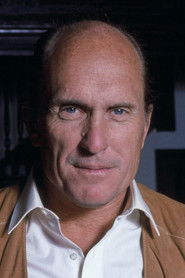 Robert DuvallNestor
- Pat HenryMercidis
 Patrick McVeyPolice Officer Mike Tanner
Directing
- Richard LangAssistant Director
- Gordon DouglasDirector
Writing
- Roderick ThorpNovel
- Abby MannScreenplay
- Roderick ThorpWriter
Production
- Aaron RosenbergProducer
- David SilverUnit Production Manager